
Special to The Island News
If you often notice your blood pressure rising after meals, your diet may be playing a role. While factors like genetics and family health history can contribute to hypertension, everyday food choices can make a meaningful difference in keeping blood pressure in a healthy range.
Two of the biggest dietary contributors to high blood pressure (also called hypertension) are excess sodium and trans or saturated fats. Learning which foods tend to contain these ingredients (and choosing healthier alternatives) can help you protect your heart.
According to the Centers for Disease Control and Prevention, most Americans over the age of two consume more sodium than is recommended. Too much sodium can make it harder for blood vessels in the body to relax and widen, which raises blood pressure and increases the risk of heart disease and stroke.
Trans fats and saturated fats can also contribute to high blood pressure by increasing cholesterol levels and damaging blood vessels over time. Understanding what foods contribute to higher risk can help you make healthier choices in your daily diet.
Foods to limit
Saturated fats – diets high in saturated fats can raise cholesterol and increase the risk of heart attack and stroke. Limit foods such as fatty cuts of beef or lamb, and large amounts of butter or full-fat dairy products.
Alcohol – Heavy alcohol consumption can contribute to raised blood pressure and increase heart disease risk. Moderation is key; limiting alcohol can help reduce several health risks.
Sugary foods and drinks – excess sugar can lead to weight gain, which is a major risk factor for hypertension. High sugar intake is also linked to health issues such as diabetes and tooth decay.
Processed meats – hot dogs, deli meats and sausages often contain high sodium levels, preservatives and saturated fat, which can all increase the risk of high blood pressure.
High-sodium packaged foods – Many canned and packaged foods (for example, canned pasta sauces and tomato products) contain significant amounts of sodium. Checking nutrition labels and choosing lower sodium options can help.
Caffeine – Generally, it’s recommended to limit caffeine intake to no more than four cups of coffee or other caffeinated beverages per day.
Full-fat dairy products – Milk, cheese and other dairy products can provide important nutrients, but many options out there are also high in saturated fat. Choosing smaller portions or low-fat options can lower your risk of high blood pressure.
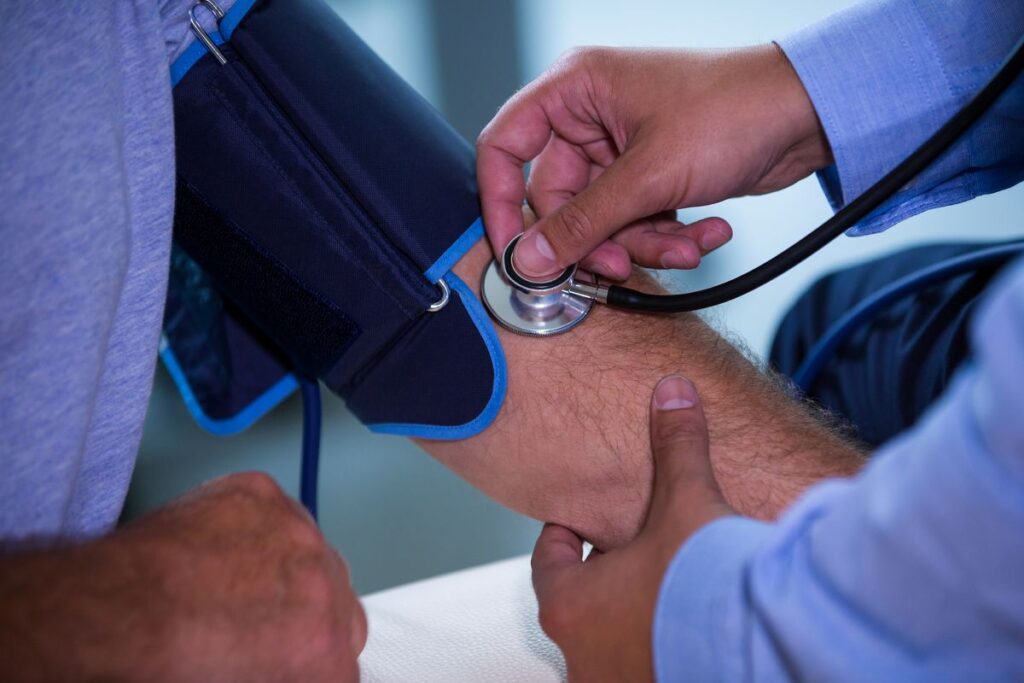
Blood pressure often rises briefly after eating. For an accurate reading, avoid eating for about 30 minutes before checking your blood pressure.
The good news is that there are many nutritious foods that support a healthy heart and blood pressure level. The National Council on Aging recommends including more of the following in your diet:
- Berries
- Beets
- Whole grains
- Sweet potatoes
- Unsweetened, lower-fat yogurt
- Pistachios
- Bananas
These foods contain potassium, fiber and antioxidants that help support healthy blood pressure.
Diet, however, is only one part of managing hypertension. Regular physical activity, maintaining a healthy weight and managing stress are also important.
“You can do a lot to lower your blood pressure by learning to manage your stress,” said Tara Kay, MMS, PA-C, of Beaufort Memorial Heart Specialists. “Physical activity is huge, but you can also reduce stress by practicing good time management and maintaining a healthy perspective.”
Spending time with supportive friends and family, setting realistic commitments and taking even 15 to 20 minutes daily to relax and breathe can help reduce stress levels.
For people diagnosed with hypertension, a healthcare provider may also recommend medication to help control blood pressure.
While some risk factors for high blood pressure cannot be changed, diet and lifestyle choices can have a powerful impact. Limiting sodium, saturated fats and highly processed foods while emphasizing whole, nutrient-rich options can help support heart health and keep blood pressure under control.