

Republican incumbent cites investment earnings, debt savings and unclaimed property returns; Democratic challenger did not respond to questionnaire
By Delayna Earley
The Island News
South Carolina State Treasurer Curtis Loftis is seeking a fifth term in the Nov. 3 general election, pointing to investment earnings, debt management and the return of unclaimed property as priorities for the office.
Loftis, a Republican who has held the position since 2011, responded to a questionnaire from The Island News addressing investment policies, state debt, pension oversight, banking operations, cybersecurity, government transparency and financial services for residents and local governments.
His Democratic challenger, Vincent Coe, did not submit responses.
The state treasurer is responsible for safeguarding and investing public funds, managing the state’s banking operations and overseeing programs that include unclaimed property and tax-advantaged savings accounts.
Loftis, 68, is a lifelong resident of West Columbia and a graduate of the University of South Carolina. Before entering public office, he spent more than 30 years as a business owner.
First elected in 2010, Loftis was reelected in 2014, 2018 and 2022. He also serves as chairman of the State Board of Financial Institutions and vice chairman of the State Fiscal Accountability Authority, among other state boards.
Managing public investments
Loftis said protecting taxpayer money while earning investment returns remains his primary responsibility.
According to his questionnaire, the Treasurer’s Office earned approximately $1.75 billion in investment income during fiscal year 2025-26.
“Public funds must be safe, available when needed, and invested wisely to earn strong returns without taking unnecessary risks,” Loftis wrote.
He said the office follows investment policies designed to preserve principal, maintain sufficient cash for state obligations and generate returns within established risk limits.
Investment performance is measured against industry benchmarks and reviewed by independent consultants and auditors, he said.
Loftis also reported that his office managed and invested approximately $75 billion in public funds during 2026.
He said daily bank reconciliations, internal and external audits, and regular reviews of banking operations help identify discrepancies, reduce costs and ensure money is not sitting idle unnecessarily.
State debt and pension oversight
Loftis credited strategic bond sales and refinancing with saving South Carolina taxpayers more than $530 million during his tenure.
He said decisions about borrowing for infrastructure and other long-term projects should consider total costs, repayment schedules and the state’s ability to meet its obligations.
“Taxpayers deserve to know how much the state owes, why money is borrowed, what it costs, and when it will be repaid,” he wrote.
On retirement system oversight, Loftis pointed to his efforts to challenge investment fees paid by South Carolina’s pension system.
He said he uncovered $277 million in annual investment fees after taking office and pushed for greater transparency and accountability in pension management.
Loftis said teachers, state employees and retirees should have access to information about how retirement funds are invested, what fees are charged and whether investments are generating competitive returns.
“Retirement funds belong to the people who earned them, not Wall Street,” he wrote.
Returning unclaimed property
Loftis identified the state’s unclaimed property program as another major priority.
He reported that the Treasurer’s Office has returned more than $470 million in unclaimed property during his tenure, including a record $52 million last year.
Unclaimed property can include forgotten bank accounts, uncashed checks and other financial assets that have not been claimed by their owners.
Loftis said the office uses technology, public outreach and partnerships to locate individuals, businesses and heirs entitled to the funds.
He emphasized that residents can search for and claim their property directly through the Treasurer’s Office without paying a fee.
“The guiding principle is simple: Unclaimed property belongs to its rightful owners, and the state’s responsibility is to protect it and return it,” he wrote.
College and disability savings
Loftis also discussed the growth of state-administered savings programs.
He said Future Scholar, South Carolina’s 529 college savings program, has grown from $1.1 billion to more than $8 billion in assets during his tenure, with approximately 250,000 participants.
Palmetto ABLE, a tax-advantaged savings program for people with disabilities, has grown to more than 4,300 accounts holding $59.6 million, according to Loftis.
He said the office works with schools, employers and community organizations to explain the programs and encourage participation.
Loftis said he wants to expand outreach to low-income families, rural communities and residents who do not speak English.
Cybersecurity and financial oversight
With the Treasurer’s Office responsible for handling billions of dollars in public funds, Loftis said cybersecurity and fraud prevention are essential.
He described coordination among the office’s information technology, banking, accounting and legal teams to protect financial systems and sensitive information.
Loftis said the office uses security controls, ongoing monitoring, independent reviews and procedures designed to detect suspicious activity and prevent unauthorized transactions.
He supports continued testing of security systems, evaluating insurance coverage and maintaining plans for responding to cyberattacks and restoring operations.
The office also provides investment services to local governments through the Local Government Investment Pool.
Loftis reported that the pool generated approximately $646.5 million in net investment earnings for participating governments during fiscal year 2026.
He said the program is intended to provide local governments with competitive returns while maintaining access to their funds.
Transparency and accountability
Loftis said transparency should remain central to the Treasurer’s Office, including the publication of information about investments, state debt and financial operations.
He said he has advocated for additional conflict-of-interest disclosures, stronger audits and increased oversight.
“Financial decisions must be based on the public interest, not personal relationships or political considerations,” Loftis wrote.
He said potential conflicts involving banks, investment advisers or campaign contributors should be disclosed and managed under applicable ethics requirements, including recusal when appropriate.
Looking ahead, Loftis said his priorities for another four-year term include protecting public funds, maintaining the state’s credit ratings, managing debt responsibly and preventing fraud, waste and abuse.
“My financial philosophy is straightforward: Preserve public funds, invest responsibly, maintain sufficient liquidity and manage state debt prudently,” he wrote.
Loftis said the treasurer must be willing to exercise independent judgment and address financial concerns rather than overlook them.
South Carolina State Treasurer candidates
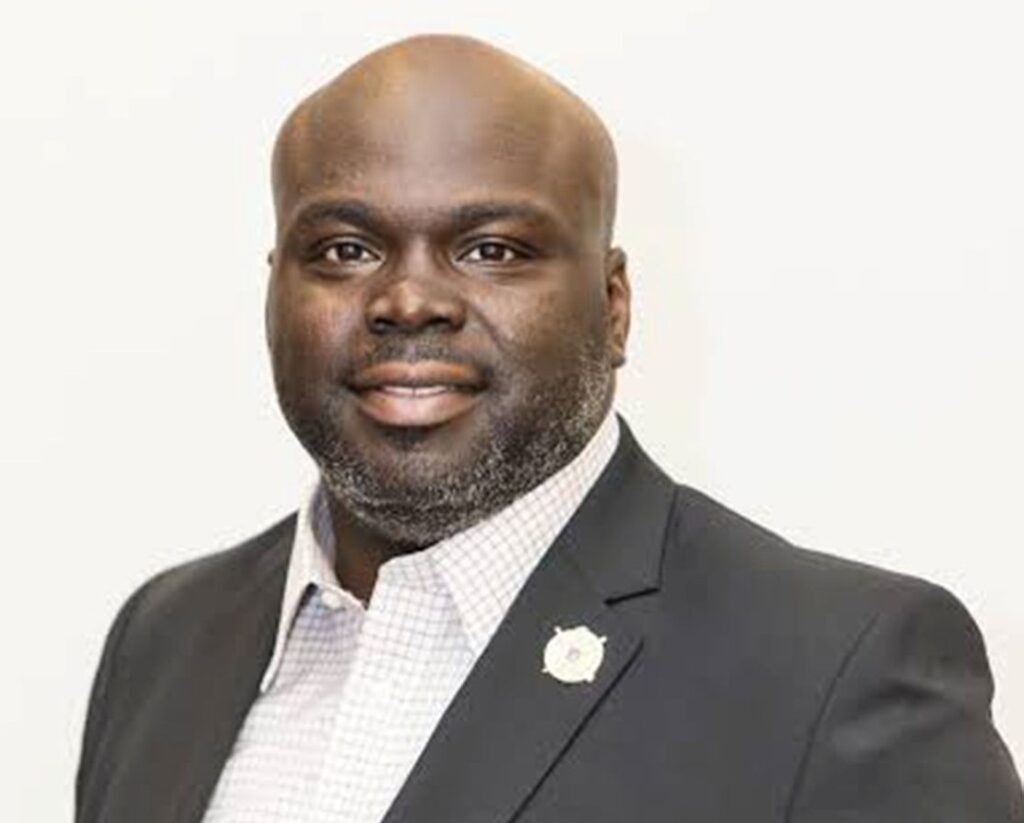
Vincent Coe, the Democratic candidate for state treasurer, did not respond to the questionnaire before the deadline.
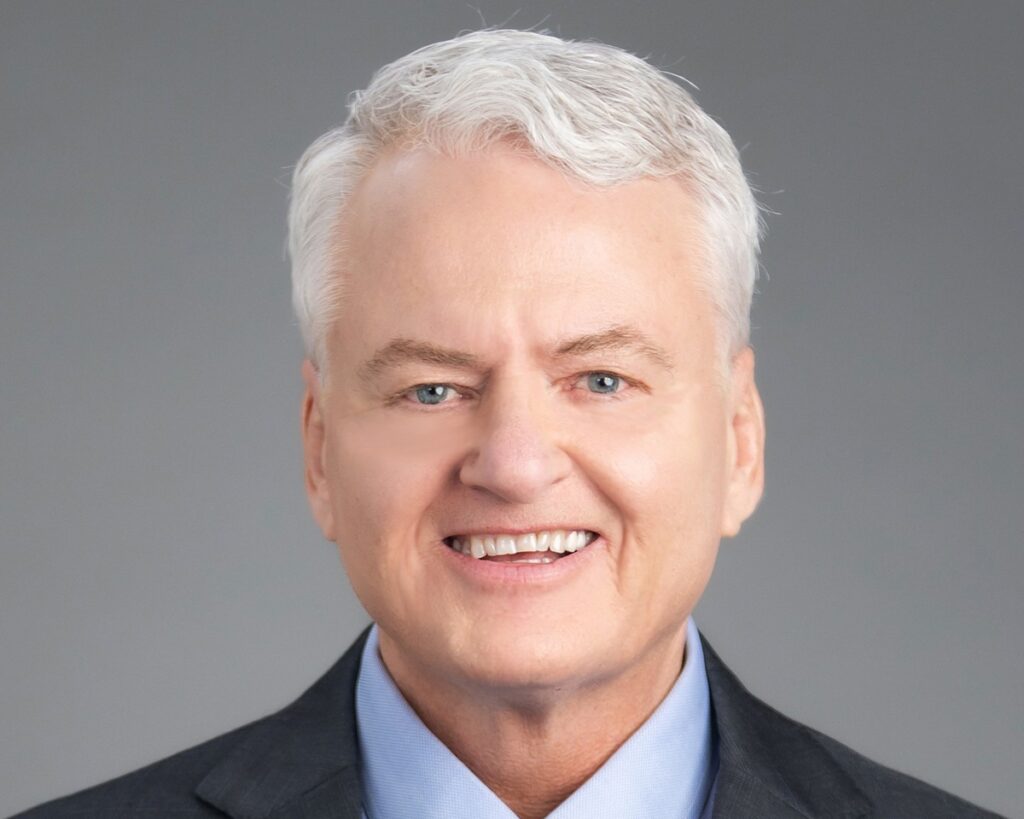
Curtis M. Loftis Jr., 68, is the Republican incumbent seeking a fifth term as South Carolina state treasurer. He has lived in West Columbia his entire life and graduated from Brookland-Cayce High School before earning a degree from the University of South Carolina in 1981.
Before taking office, Loftis spent more than 30 years as a business owner. First elected in November 2010, he took office in January 2011 and was reelected in 2014, 2018 and 2022.
He serves as chairman of the State Board of Financial Institutions and vice chairman of the State Fiscal Accountability Authority, South Carolina Education Authority and South Carolina Tobacco Authority. He also serves on the South Carolina Financial Literacy Board of Trustees.
Loftis previously held leadership positions with the National Association of State Treasurers, College Savings Plans Network and National Association of Unclaimed Property Administrators.
His campaign website is CurtisLoftis.com.
Candidate questionnaire responses
The following responses were submitted to The Island News by Curtis Loftis, Republican candidate for South Carolina state treasurer. Responses have been edited only for grammar, spelling and Associated Press style where necessary. The substance and intent of the candidate’s answers have been preserved. Statements, opinions and allegations in the responses are those of the candidate.
1. The Treasurer’s Office manages and invests billions of dollars in public funds. How would you balance preservation of capital, liquidity and investment returns? What risk limits, benchmarks and outside review should apply?
Loftis: In fiscal year 2025-26, the Treasurer’s Office earned approximately $1.75 billion in investment income for South Carolina taxpayers. These earnings help support public services and reduce the need for additional taxpayer funding.
My first priority as state treasurer is protecting the taxpayers’ money. Public funds must be safe, available when needed and invested wisely to earn strong returns without taking unnecessary risks.
Our office has established comprehensive investment policies designed to preserve capital, maintain liquidity and maximize returns within prudent risk limits. We regularly review our investments, measure performance against industry benchmarks and utilize independent consultants and auditors to evaluate our policies, practices and results.
Our responsibility is simple: Protect the taxpayers’ money and make it work as hard as possible for the people of South Carolina.
2. What controls are necessary to ensure state deposits, disbursements and bank reconciliations are accurate and timely? How would you identify idle cash, reduce banking costs and respond to discrepancies?
Loftis: The Treasurer’s Office exists to serve the people of South Carolina by safeguarding their money, managing it responsibly and making every taxpayer dollar work as hard as possible.
In 2026, our professional and dedicated staff managed and invested approximately $75 billion in public funds. We reconcile accounts with bank records daily, track deposits and payments, and undergo internal and external audits.
We actively manage cash to protect public funds and earn interest for taxpayers rather than allowing money to sit idle. We regularly review banking operations to improve efficiency, reduce costs and strengthen accountability. When discrepancies arise, we investigate, correct them and work to prevent future problems.
3. What principles should guide the issuance, refinancing and repayment of state debt? How would you evaluate proposals to borrow for infrastructure or other long-term projects, and what debt information should be readily available to taxpayers?
Loftis: During my tenure as state treasurer, we have saved South Carolina taxpayers more than $530 million through strategic bond sales and refinancing. Careful debt management protects taxpayers and strengthens our state’s financial future.
We review borrowing costs, repayment schedules and refinancing opportunities to ensure taxpayers receive the best value. For major projects, we consider long-term benefits, total costs and the state’s ability to repay debt responsibly.
Transparency is essential. Taxpayers deserve to know how much the state owes, why money is borrowed, what it costs and when it will be repaid. It’s their money, and they have every right to know how it’s being spent.
4. What role should the state treasurer play in protecting South Carolina’s retirement assets and monitoring investment costs and performance? What changes, if any, are needed in pension governance, transparency or risk management?
Loftis: Upon taking office, I uncovered $277 million in hidden annual investment fees paid to Wall Street. Our pension system was paying among the highest investment fees while earning among the lowest returns. I challenged the system, fought for reform and brought greater transparency, accountability and financial discipline to the management of our retirement funds.
Today, our pension system is on a sounder financial footing, but strong oversight remains essential. Teachers, state employees and retirees deserve to know how their money is invested, what fees they are paying and whether their investments are producing competitive returns.
My position has never changed: Retirement funds belong to the people who earned them, not Wall Street. Protecting their retirement security must always come first.
5. How would you improve efforts to identify and return unclaimed property to residents, businesses and estates? What safeguards should prevent fraudulent claims, excessive third-party fees or the improper use of unclaimed funds?
Loftis: During my tenure, the Treasurer’s Office has returned more than $470 million in unclaimed property to South Carolinians, nearly four times the amount returned by all previous state treasurers combined.
Returning unclaimed property to its rightful owners has been a major priority, with a reported record $52 million returned last year. The office uses technology, public outreach and partnerships to locate individuals, businesses and heirs entitled to these funds.
Protecting that money is equally important. Claims must be verified, fraud prevented and residents informed that they can search for and claim their property directly through the Treasurer’s Office at no cost. Until claimed, those funds must be properly safeguarded, invested and audited.
The guiding principle is simple: Unclaimed property belongs to its rightful owners, and the state’s responsibility is to protect it and return it.
6. How would you improve the Future Scholar 529, Palmetto ABLE and related savings programs? What should the state do to make participation more accessible to families with low or moderate incomes?
Loftis: Every South Carolina family deserves the opportunity to save for a better future.
During my tenure, Future Scholar, South Carolina’s 529 college savings program, has grown from $1.1 billion to more than $8 billion in assets, with 250,000 participants. Palmetto ABLE, our tax-advantaged savings program for individuals with disabilities, has grown to more than 4,300 accounts holding $59.6 million, helping participants save for disability-related expenses while building greater financial independence.
We work to keep both programs affordable, easy to understand and accessible. Our outreach through schools, employers and community organizations helps families understand the benefits of saving and that they don’t need a lot of money to get started.
We are also exploring new ways to reach more low-income, rural and non-English-speaking families.
7. How would you protect public funds and payment systems from cyberattacks, account takeover, vendor fraud and unauthorized transfers? What testing, insurance, recovery and public-notification practices should be required?
Loftis: Protecting taxpayer money means protecting it not only from financial risks but also from cyberattacks, fraud and unauthorized access. The Treasurer’s Office handles billions of dollars in public funds, making cybersecurity and fraud prevention essential responsibilities.
Our experienced IT, banking, accounting and legal teams work together to safeguard public funds and sensitive information. We employ security controls, ongoing monitoring, independent reviews and established procedures to detect suspicious activity and prevent unauthorized transactions.
As technology evolves, so do the threats. We must continually strengthen our defenses, test our systems, evaluate insurance coverage and maintain effective plans for responding to incidents, recovering operations and notifying those affected when required.
8. The Treasurer’s Office provides investment and financial services to local governments and other public entities. How would you evaluate the safety, fees, performance and accessibility of those programs?
Loftis: Local governments and public entities trust the Treasurer’s Office to protect and manage their investments, and we take that responsibility seriously. In fiscal year 2026, our Local Government Investment Pool (LGIP) generated approximately $646.5 million in net investment earnings for its participants.
The LGIP provides local governments with a safe, low-cost and convenient way to invest public funds, earn competitive returns and maintain access to their money when needed. We regularly monitor investment performance, compare results against industry benchmarks, control expenses and seek ways to improve our services.
My goal is to ensure that every community, large or small, has access to safe, affordable and professionally managed investment services that make taxpayer dollars work harder for the people of South Carolina.
9. What information about investments, fees, debt, banking relationships and office performance should be published? How would you disclose and manage potential conflicts involving financial institutions, advisers or campaign contributors?
Loftis: Transparency and accountability have been central to my work as state treasurer. I have publicly raised concerns about waste and misuse of taxpayer funds, even when doing so has brought criticism and personal consequences. I believe public officials have a responsibility to ask difficult questions and make financial decisions openly.
Public officials should never fear making statements, conducting investigations or making disclosures while under oath. Honor and integrity always serve the citizens.
The Treasurer’s Office publishes financial reports and disclosures covering investments, state debt and financial operations. I have also advocated for additional conflict-of-interest disclosures in real estate transactions, stronger audits and greater compliance oversight.
Financial decisions must be based on the public interest, not personal relationships or political considerations. Potential conflicts involving banks, investment advisers or contributors should be disclosed, reviewed and managed under applicable ethics requirements, including recusal when appropriate.
My guiding principle remains unchanged: Taxpayers deserve to know how their money is managed and how public officials are held accountable.
10. What do you believe you would bring to the State Treasurer’s Office, and what should voters know about your financial philosophy and priorities for the next four years?
Loftis: Since taking office in 2011, I have overseen hundreds of billions of dollars in public funds, worked to protect taxpayer money and property, and advocated for greater transparency and accountability in state government.
I will never waver in my devotion to the citizens of this wonderful state, nor will I lose sight of the often predatory nature of lobbyists, corporations, politicians and special interests. Whatever the personal cost, I WILL serve South Carolinians first, and only.
My financial philosophy is straightforward: Preserve public funds, invest responsibly, maintain sufficient liquidity and manage state debt prudently. I believe the treasurer must exercise independent judgment, ask difficult questions and address financial concerns rather than overlook them.
Over the next four years, my priorities will be to continue protecting taxpayer dollars, strengthening South Carolina’s financial position, maintaining its strong credit ratings, preventing fraud, waste and abuse, and improving accountability across state government.
Delayna Earley, who joined The Island News in 2022, formerly worked as a photojournalist for The Island Packet/The Beaufort Gazette, as well as newspapers in Indiana and Virginia. She can be reached at delayna.theislandnews@gmail.com.