By Delayna Earley
The Island News
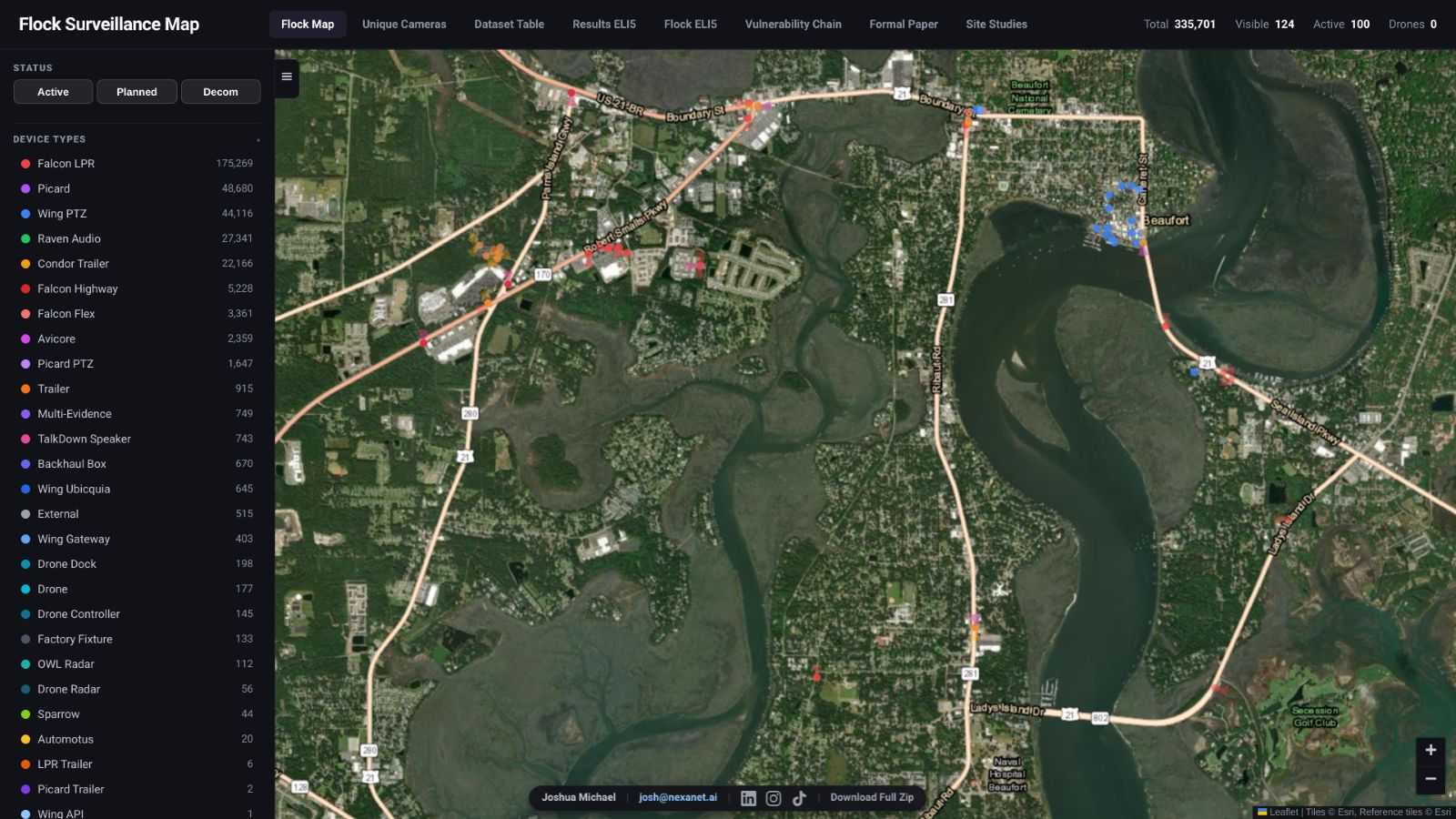
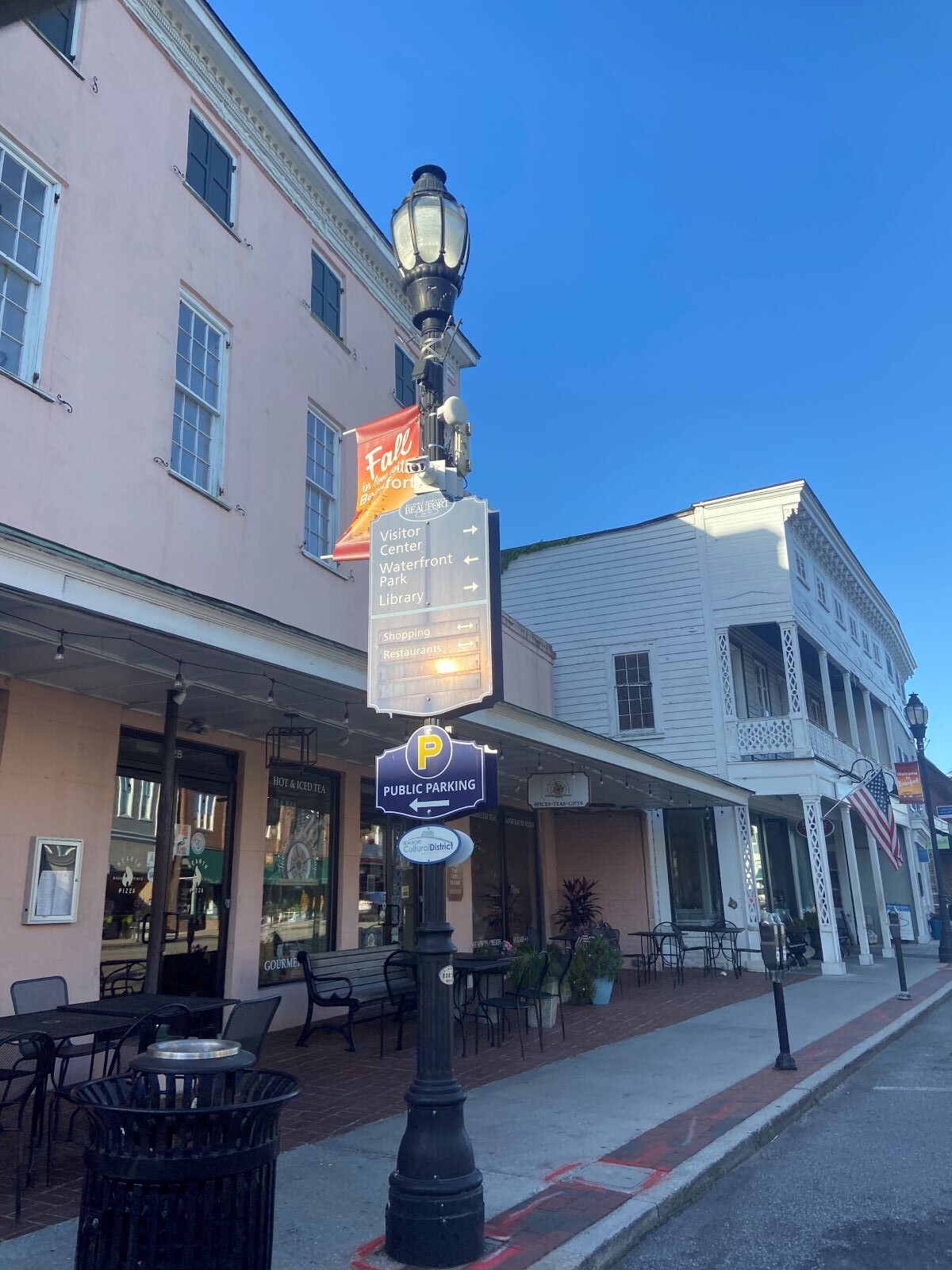
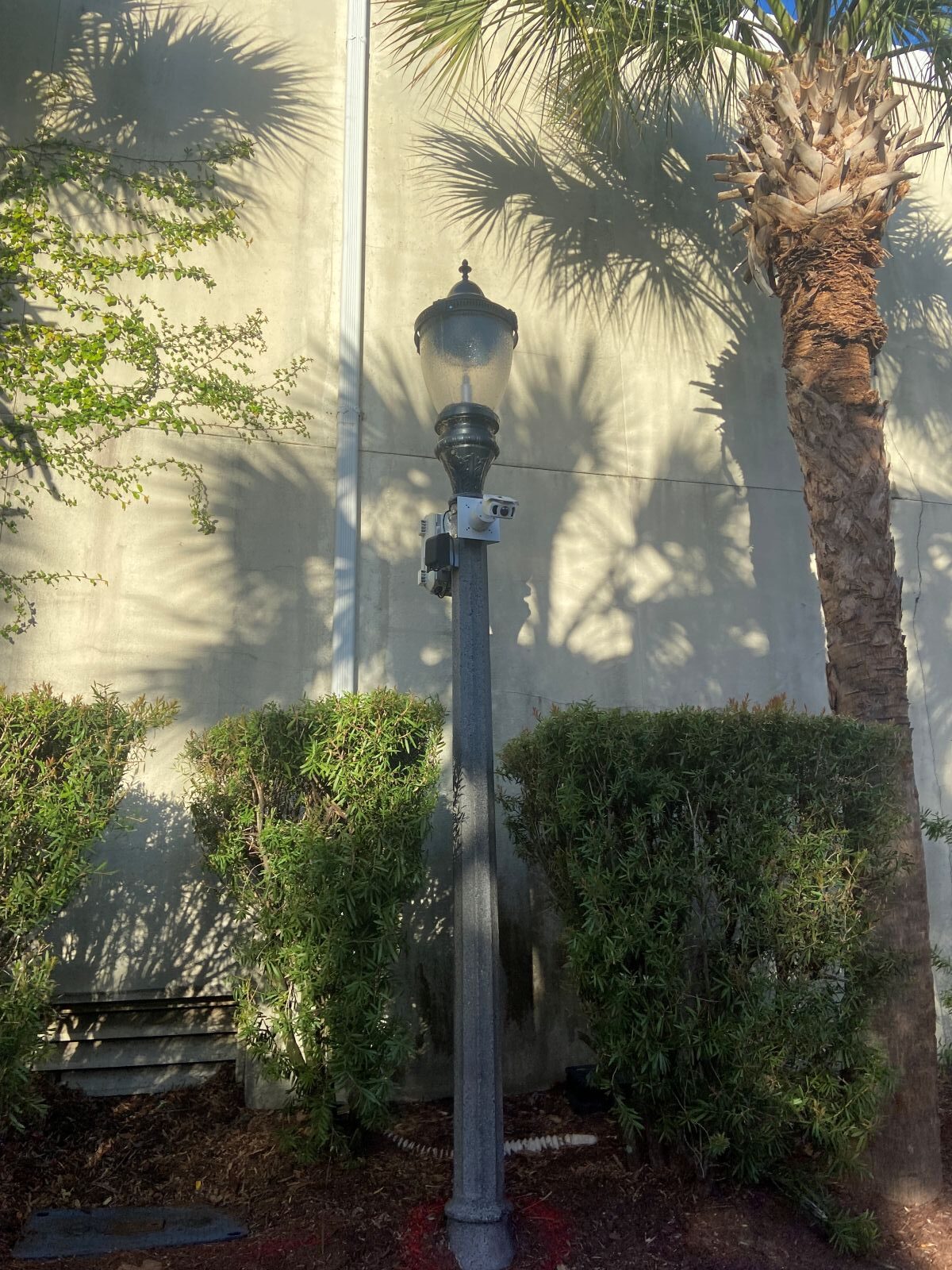
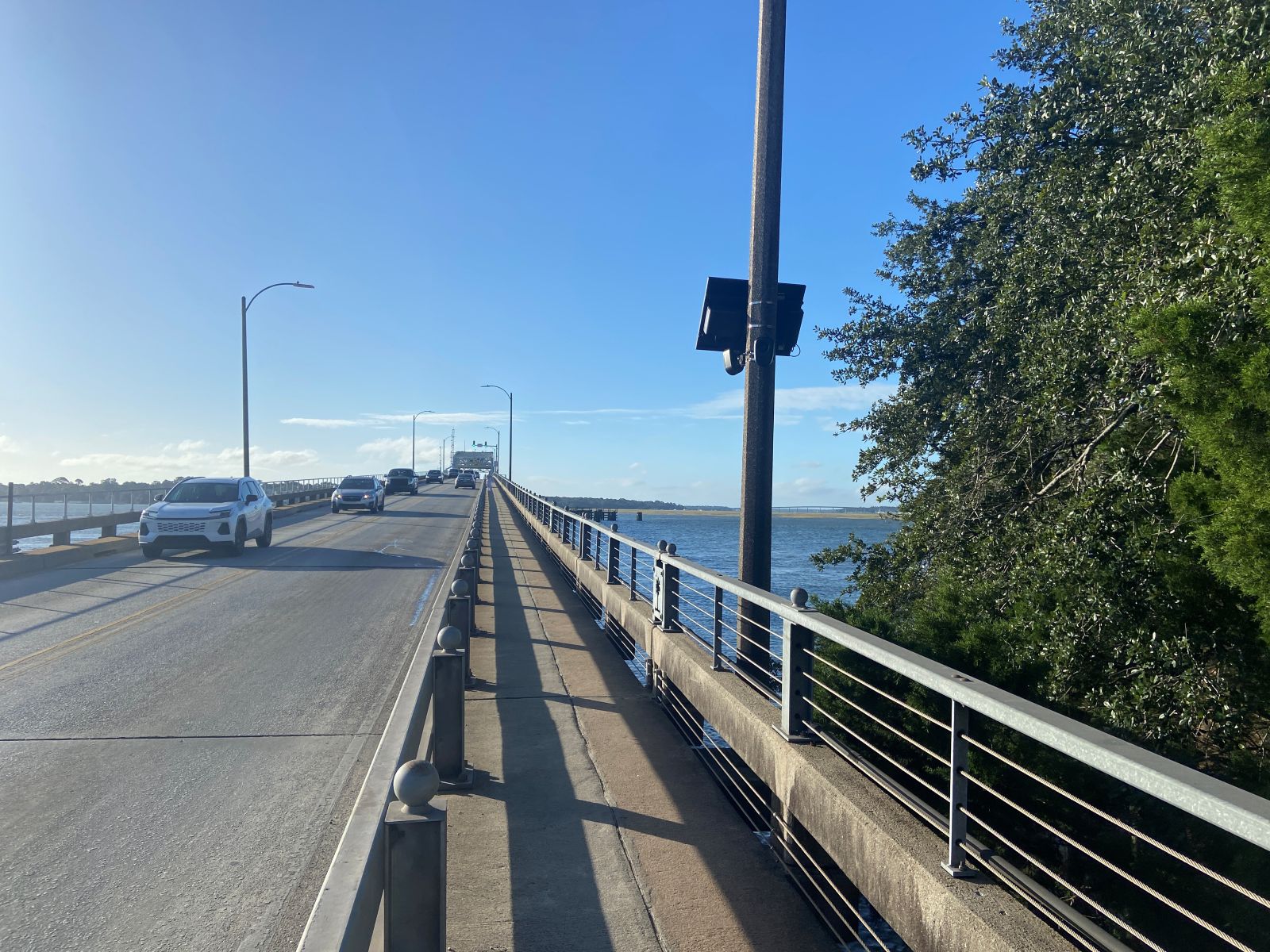
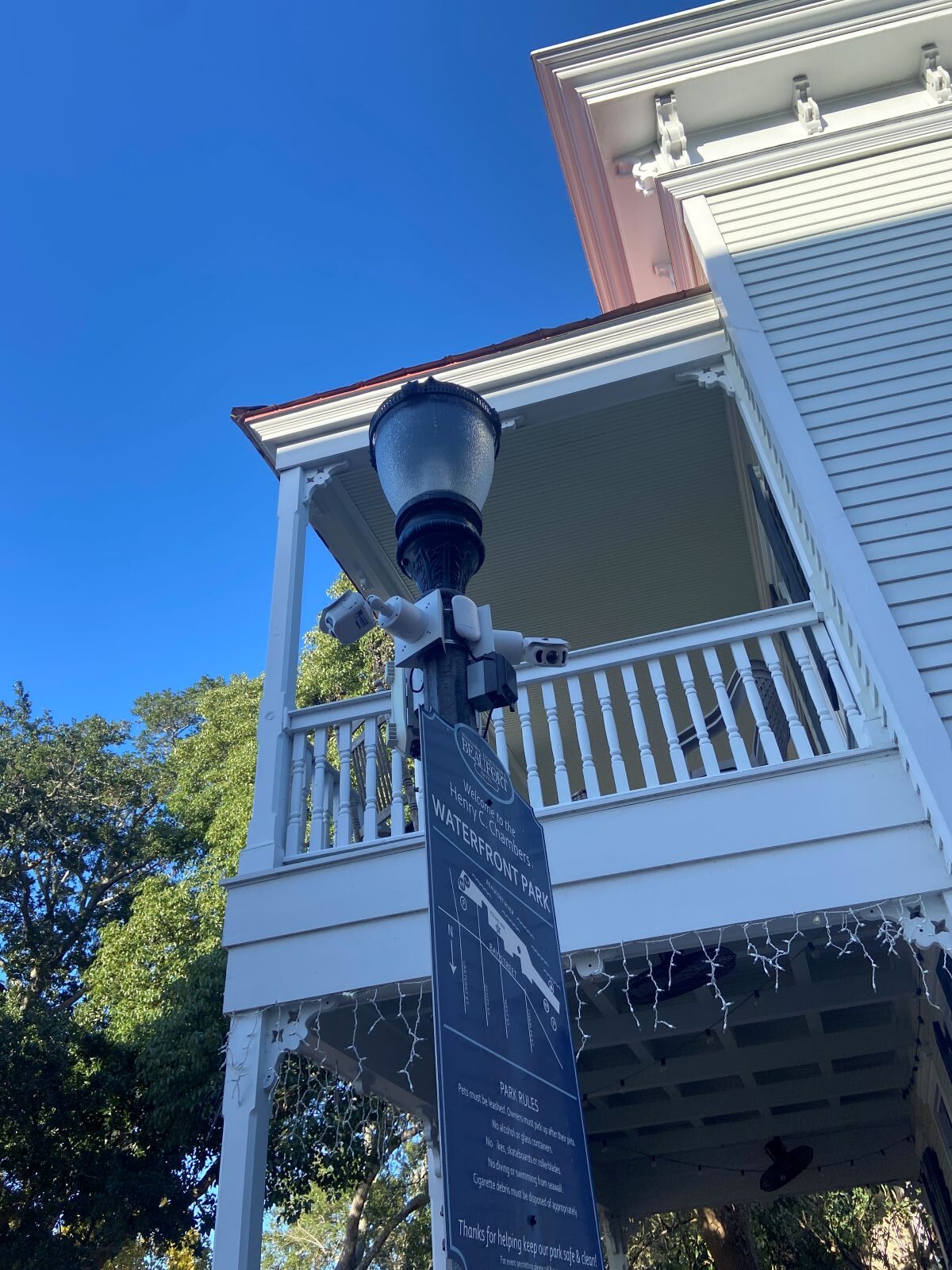
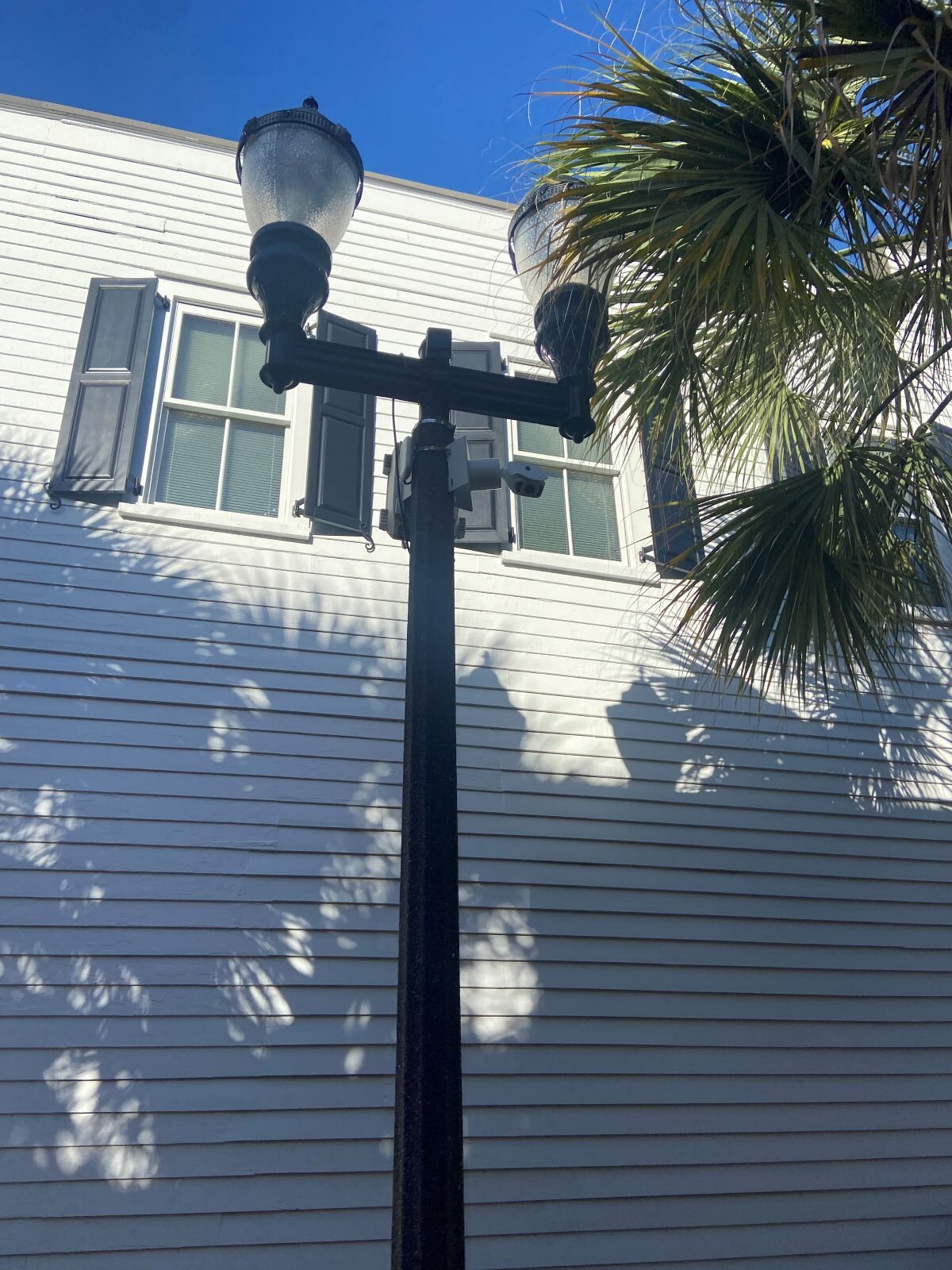
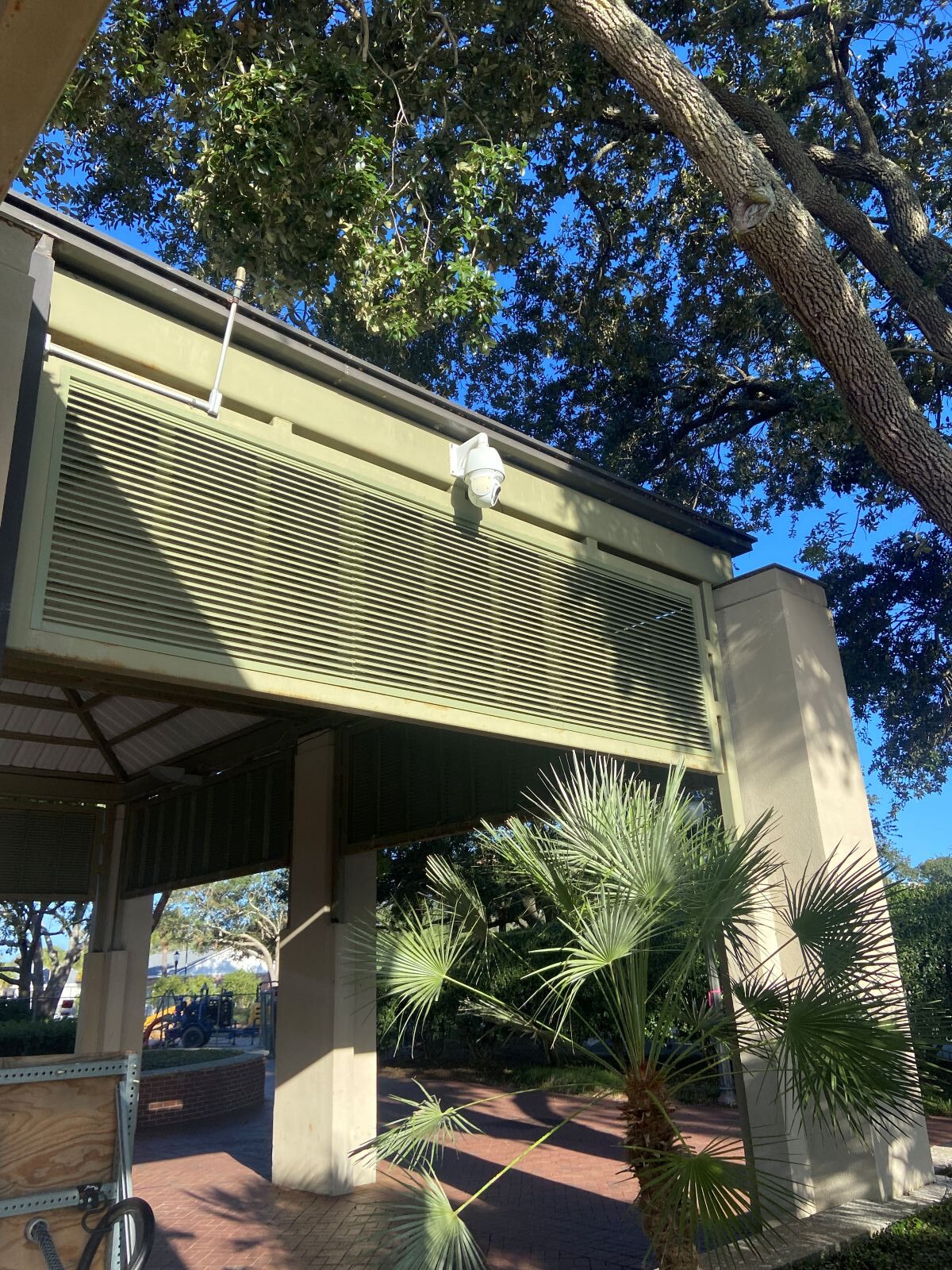
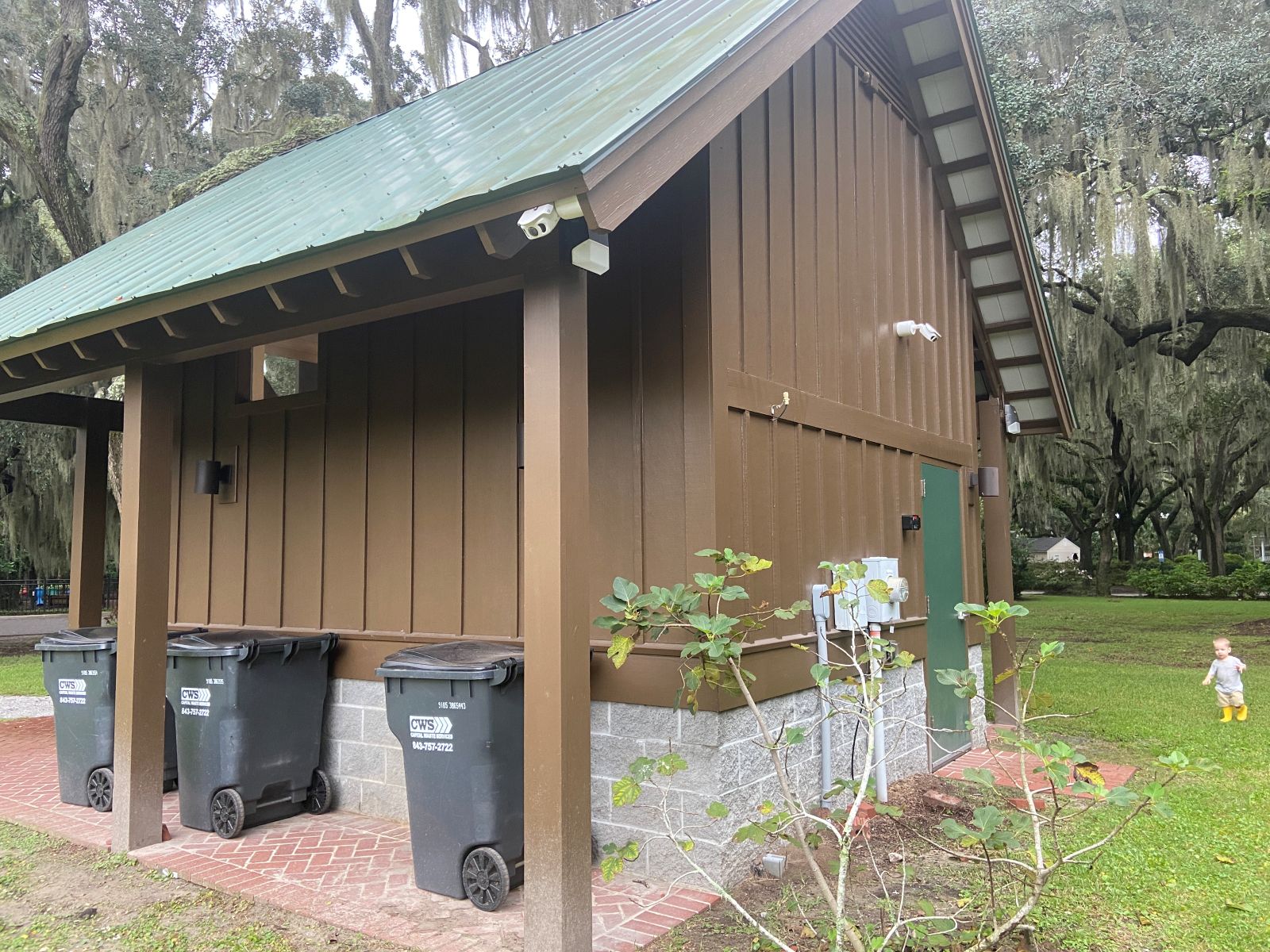
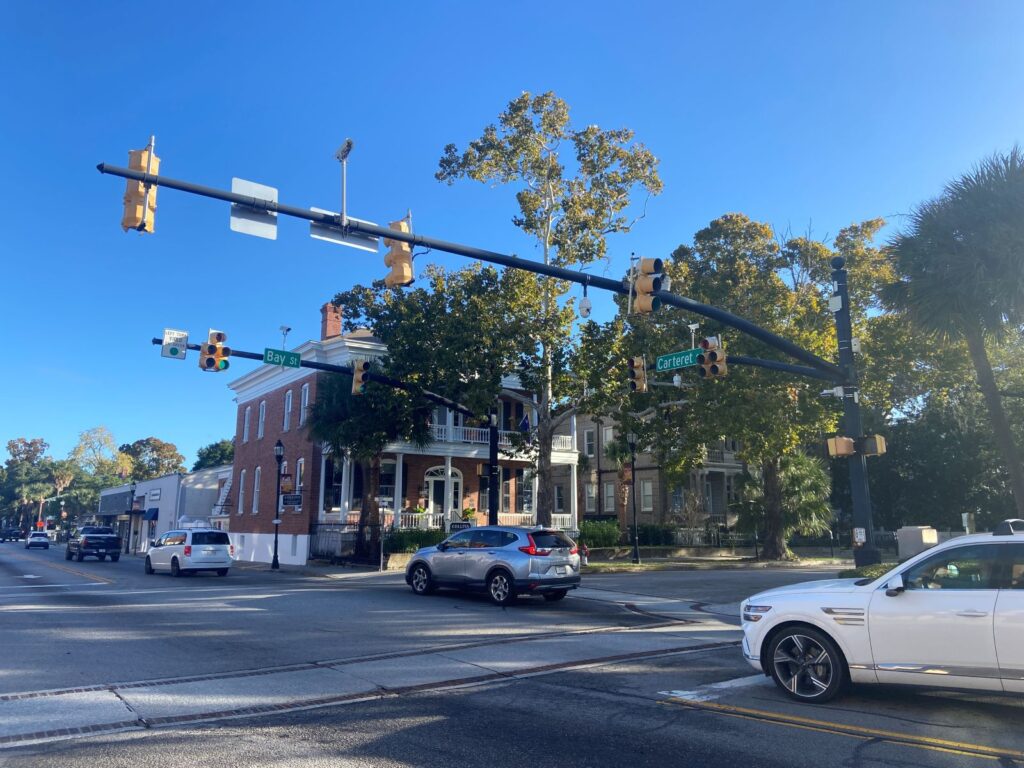
Beaufort’s use of Flock Safety cameras is drawing questions about more than what the technology captures. Residents and City Councilman Josh Scallate also want to know how the city approved the contracts, what capabilities it purchased and how the systems are monitored for misuse.
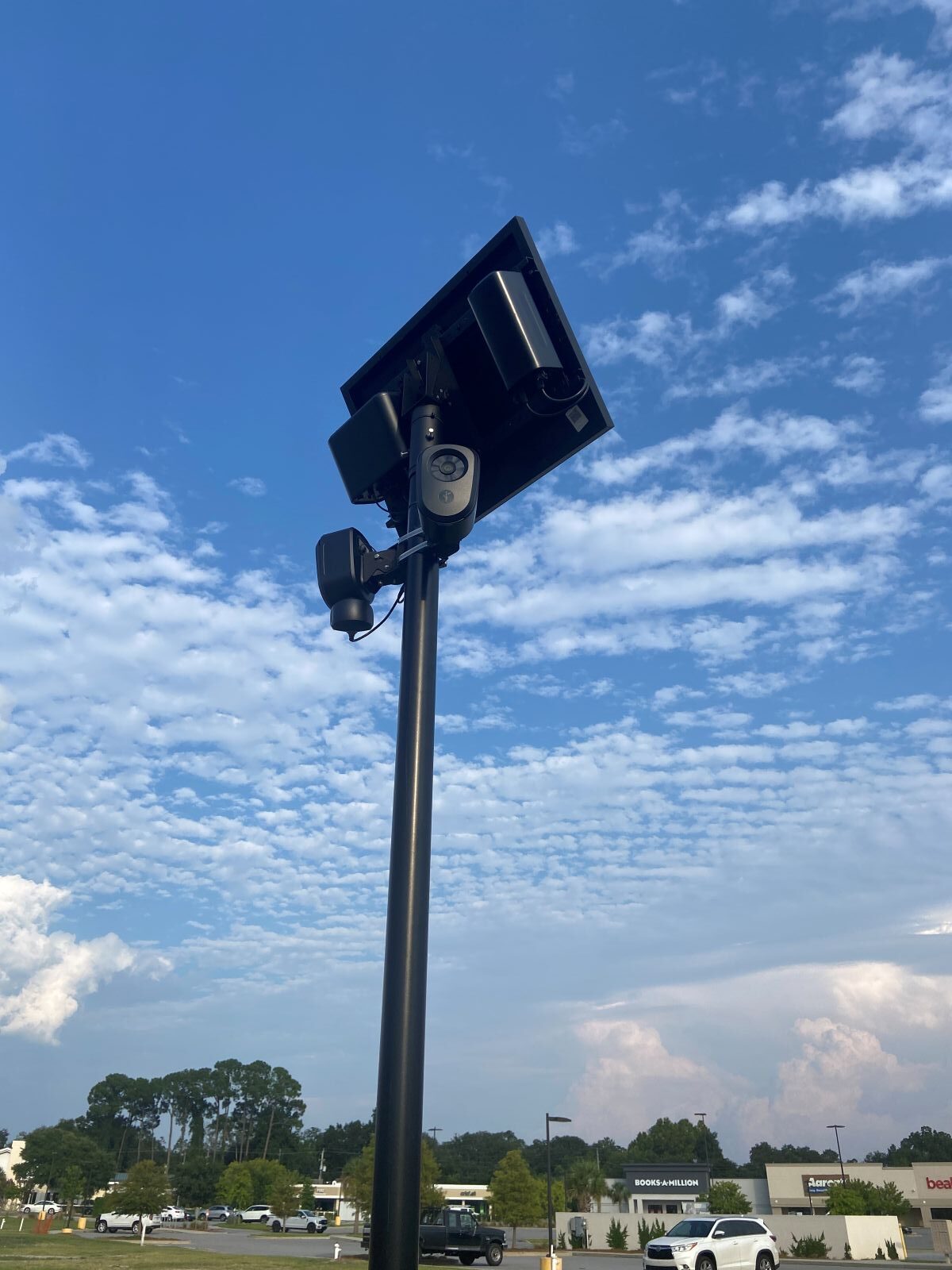
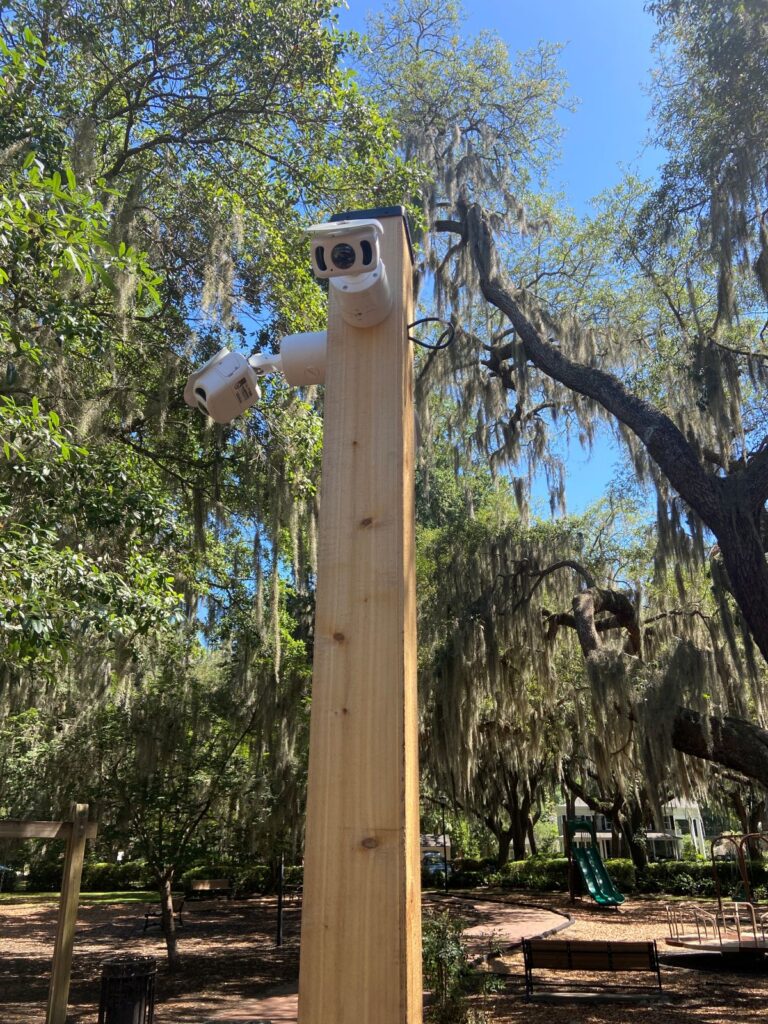
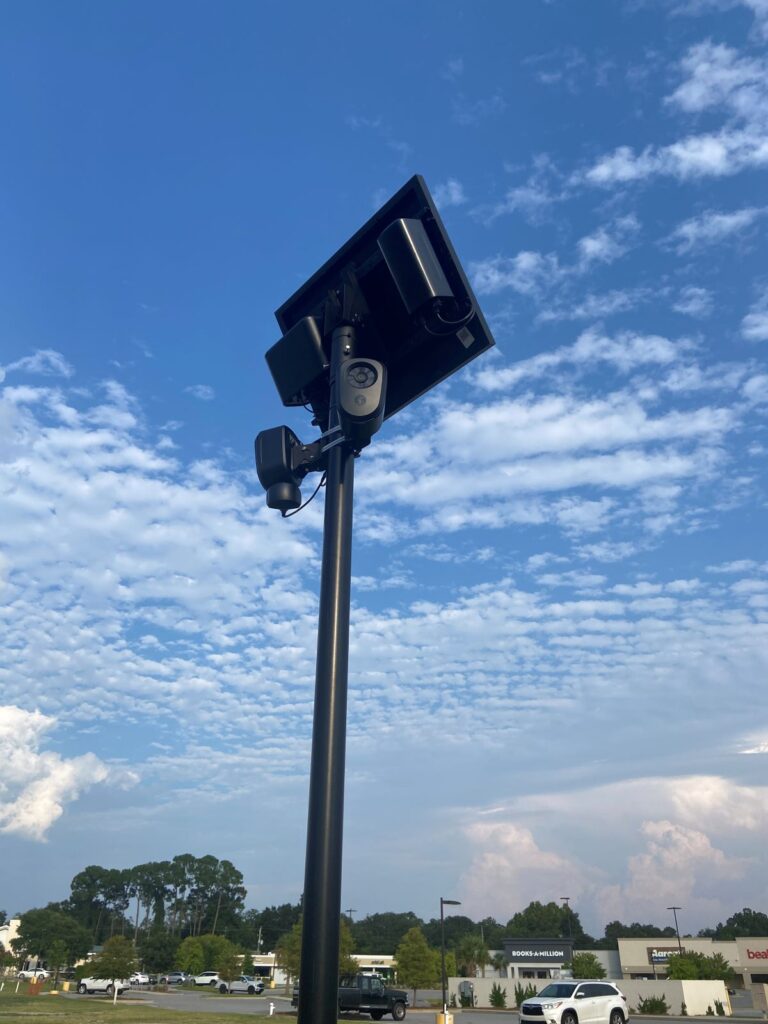
Purchasing records show an initial $80,100 agreement for 12 license plate readers, followed by additional agreements for a portable plate reader, software and equipment capable of integrating 56 third-party video streams, and a purchase order for five solar-powered video cameras.
The details came in a written response to The Island News as Beaufort City Council weighs questions about how the city purchased its Flock Safety equipment, how police use it and whether the rules governing it should be tightened.
Police say the technology has helped locate missing people, investigate violent crimes and recover evidence. At an Oct. 27 council work session, officials said Flock assisted with 188 cases from October 2024 through September 2026. The department defines an assist as any use of Flock technology during an investigation.
Scallate said city staff should return with answers about the contracts, purchasing process and camera capabilities at the next work session. Mayor Phil Cromer identified Nov. 24 for that discussion, though Mayor Pro Tem Mike McFee said it could move to a later session if staff need more time to gather the information.
Residents who have raised concerns about the cameras are planning a community event Saturday, Nov. 21, at Pigeon Point Park. They also plan a protest and display outside City Hall on Nov. 24.
As of 5 p.m., Monday, Nov. 16, Beaufort city administration had not responded to written questions from The Island News. The Beaufort Police Department responded separately through Master Sgt. Sean Flomer of Patrol Operations.
What the city bought
City Manager Scott Marshall signed the initial Flock agreement Aug. 5, 2024. The order covered nine Falcon license plate readers and three long-range solar models for $36,000 a year. Installation brought the first-year cost to $44,100 and the initial two-year contract total to $80,100.
The agreement provides for automatic two-year renewals unless either party gives notice at least 30 days before the term ends. The service period generally begins with installation, so the signature date alone does not establish the renewal deadline.
Marshall signed a second order later that month for a portable Falcon Flex plate reader at $3,500 a year, or $7,000 over the initial two-year term. In September 2024, he signed a separate $20,800 order for software and equipment capable of bringing up to 56 existing camera feeds into Flock’s video system.
A September 2025 purchase order lists five solar video cameras at a total cost of $5,750. The order notes an annual fee without specifying the amount.
The records also include a vendor quote for pan-tilt-zoom video cameras. The records reviewed do not show a signed order for that quote. A separate quote included Flock’s Raven audio-detection equipment, which Flomer said the department never purchased, tested or deployed.
Council members differ on the purchasing process
Scallate said approving money in a budget is different from reviewing the contracts that commit the city to spending it.
“When I received those contracts from a constituent who had submitted a FOIA [Freedom of Information Act request], that was the first time that I remember seeing them at all,” Scallate said.
He said he reviewed previous meeting packets and could not find a public discussion of the contracts’ duration, renewal terms or the equipment and capabilities being added.
Scallate said the city’s procurement policy requires three bids or a written explanation for proceeding without them for purchases above $50,000 and below $100,000. He wants the city to explain what purchasing process it followed and whether the multiyear agreements required separate council approval.
Cromer said the purchase was included in the budget, although council did not discuss it as a separate item. He said he did not believe the purchase violated procurement policy and understood the city manager’s purchasing authority to extend up to $100,000. He said the multiyear terms would be examined.
Councilman Neil Lipsitz said he checked with city management and the police department after Scallate raised the issue. Based on those conversations, he said he understood the purchase to be below the threshold requiring council consideration. The purchasing records reviewed for this story do not show what bidding process the city followed or whether council separately approved the agreements.
McFee said council discussed cameras and license plate readers during several budget cycles and retreats. He said the technology has since expanded beyond what council initially discussed.
Lipsitz said the cameras serve a purpose but believes Beaufort has more than it needs. He called for stricter, more public rules about who can use the cameras and how long the city keeps the data. Cromer also said he favors tighter rules. McFee defended cameras in public parks, citing past vandalism at Pigeon Point and the waterfront.
What police can search
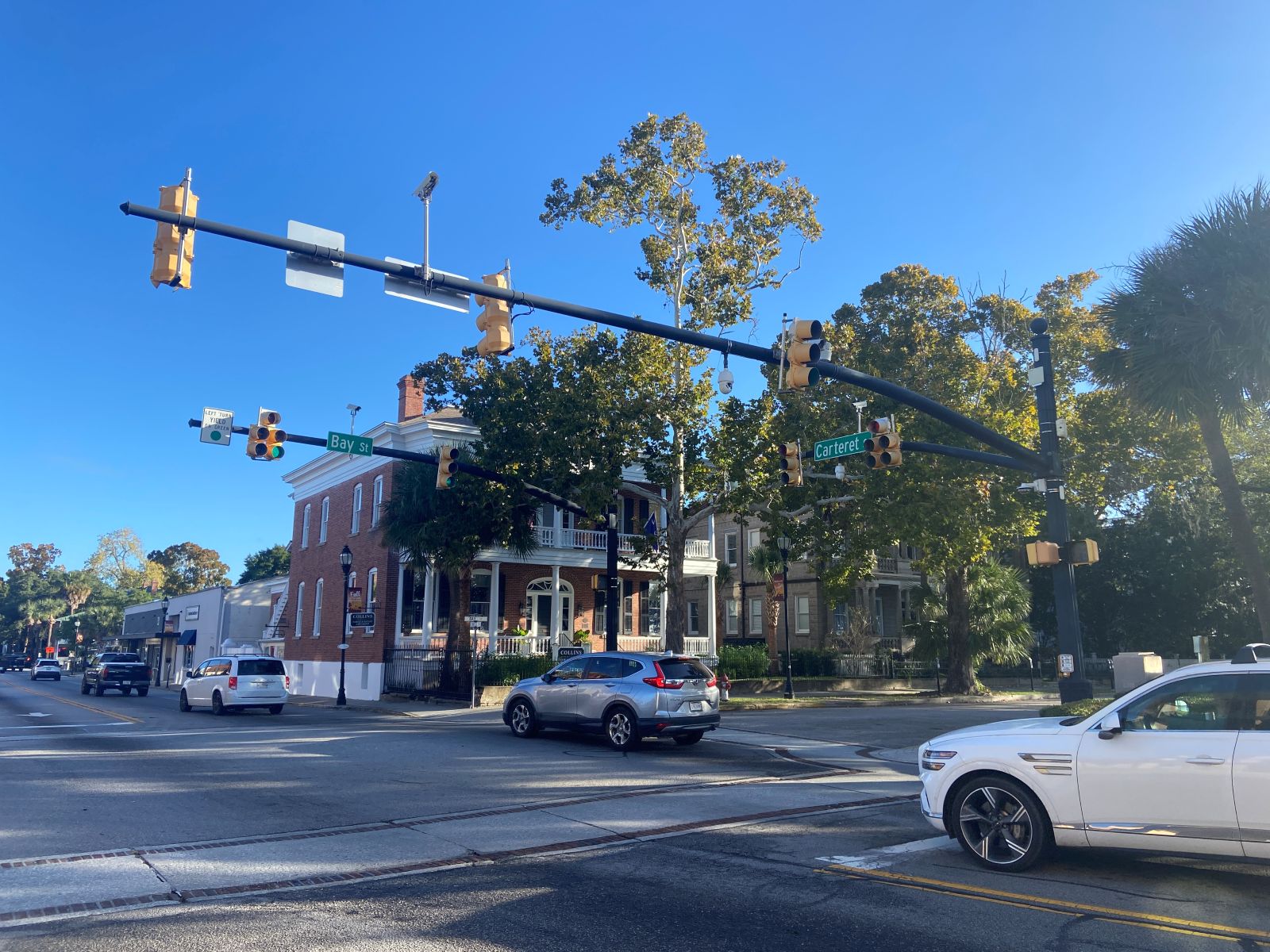
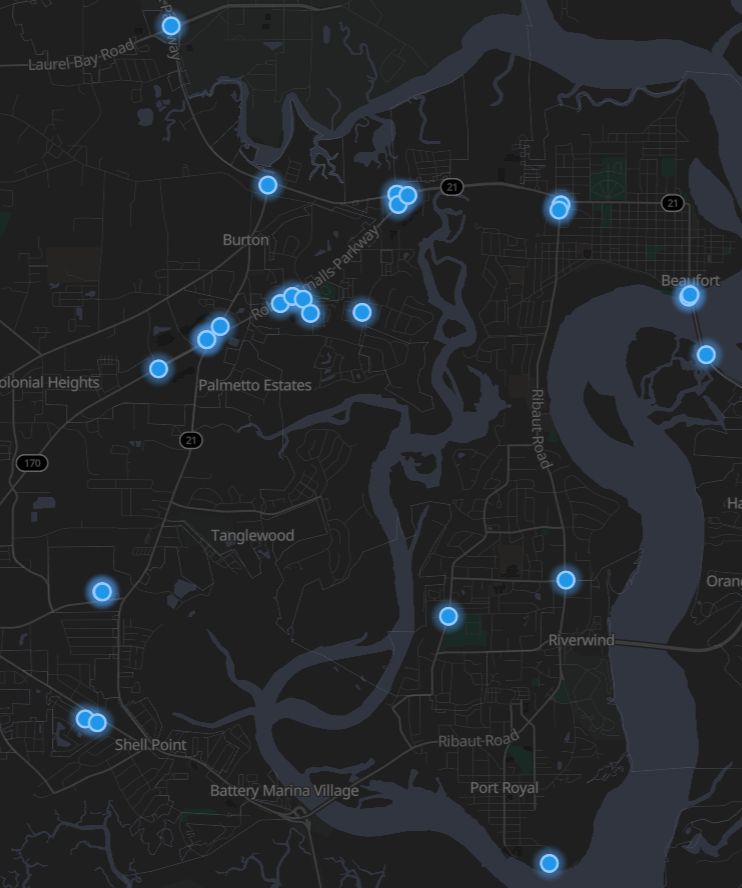
Flomer said the integrated system includes existing city cameras in parks and downtown made by vendors other than Flock. He did not specify whether any connected cameras are at playgrounds.
Users can search live-stream recordings by date and time within the 14-day retention period, Flomer said. He said users cannot search for people by clothing or other characteristics or follow someone across cameras.
The original Flock order listed a 30-day retention period. Flomer said the current 14-day limit applies to both plate-reader data and video. Material used as evidence in a criminal case follows the applicable evidence retention schedule.
Flomer identified police personnel and the city manager as having access to the system. He said approved law enforcement agencies can search Beaufort’s data and that federal sharing is disabled. He did not identify the approved agencies or address whether Flock personnel can access the system.
At the Oct. 27 work session, police said access requires training and individual credentials, with permissions based on an employee’s duties. Officials also described automated monitoring for suspicious activity.
Police reported 5,078 searches from January through September 2026. Officials told council that an officer can generate multiple searches by refreshing a query or adding new information, and that several officers may search for the same vehicle. They said officers must verify a plate alert before acting on it and that department policy requires a case report number and a reason for a search.
Asked for examples of case outcomes and evidence that Flock reduced crime, Flomer referred The Island News to the Oct. 27 presentation. Police cited investigations involving missing juveniles, homicides, armed robbery and counterfeit money.
What the audit reviewed
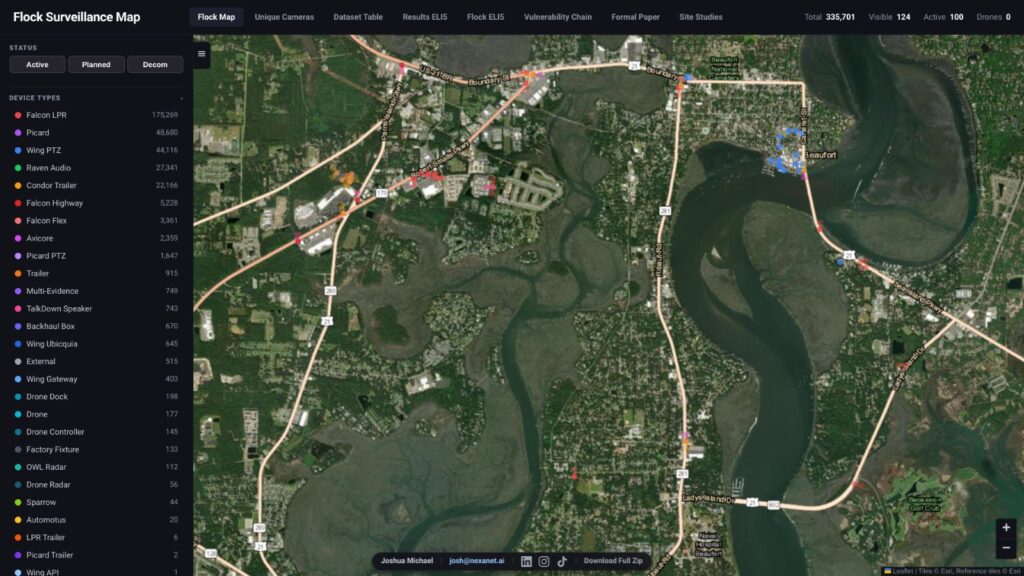
A Sept. 7, 2026, memo from Capt. Joseph Dobbins to Police Chief Stephenie Price says an internal audit found no discrepancies or irregularities. It was the only audit memo among the 11 Beaufort records reviewed for this story.
Flomer said the audit examined user search activity for possible misuse or unauthorized access. He said no searches or access incidents had prompted an investigation, corrective action or discipline. The memo and the department’s response did not specify the period covered, how many searches were examined or how they were selected for review.
From Pigeon Point Park to City Hall
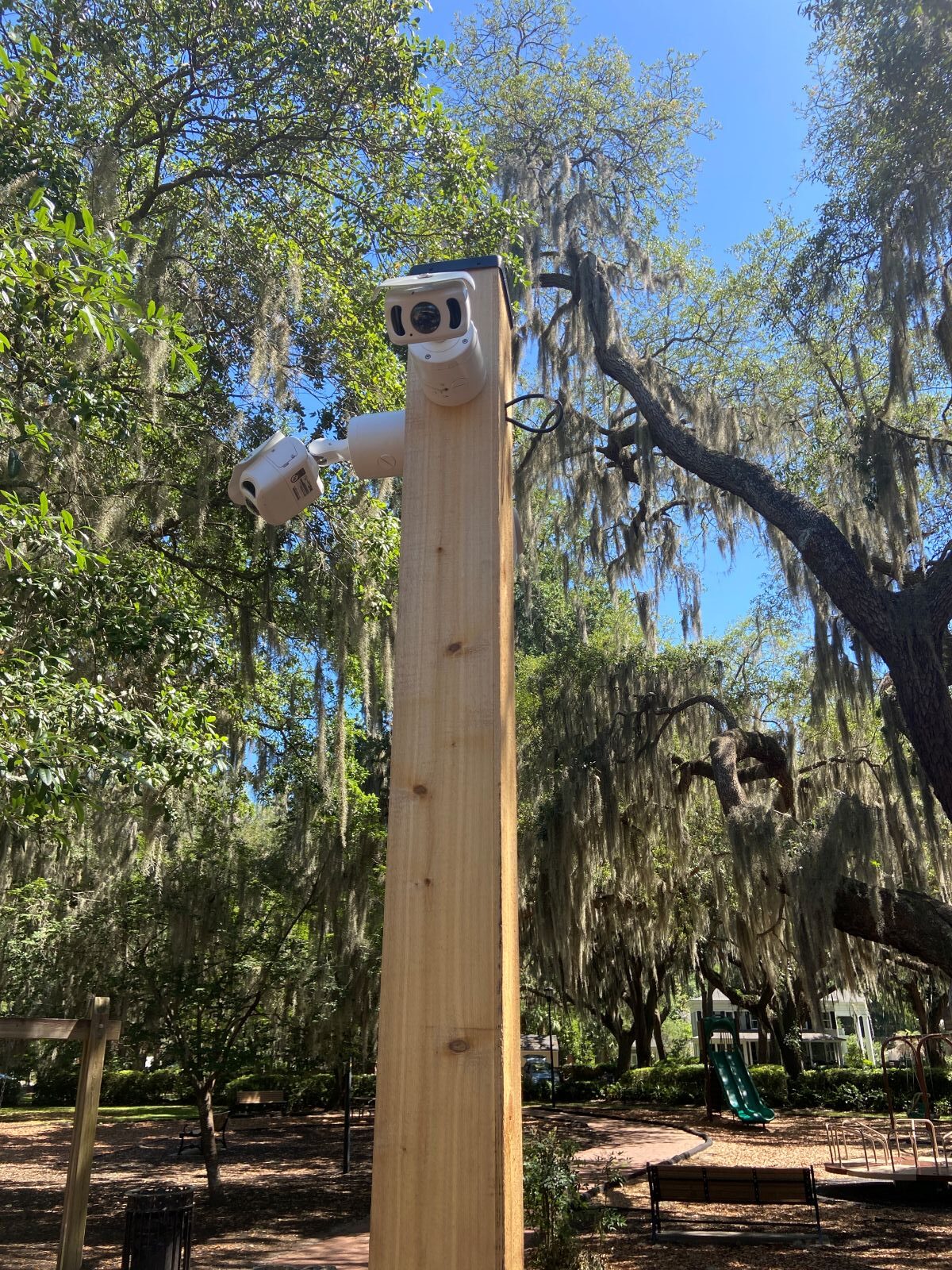
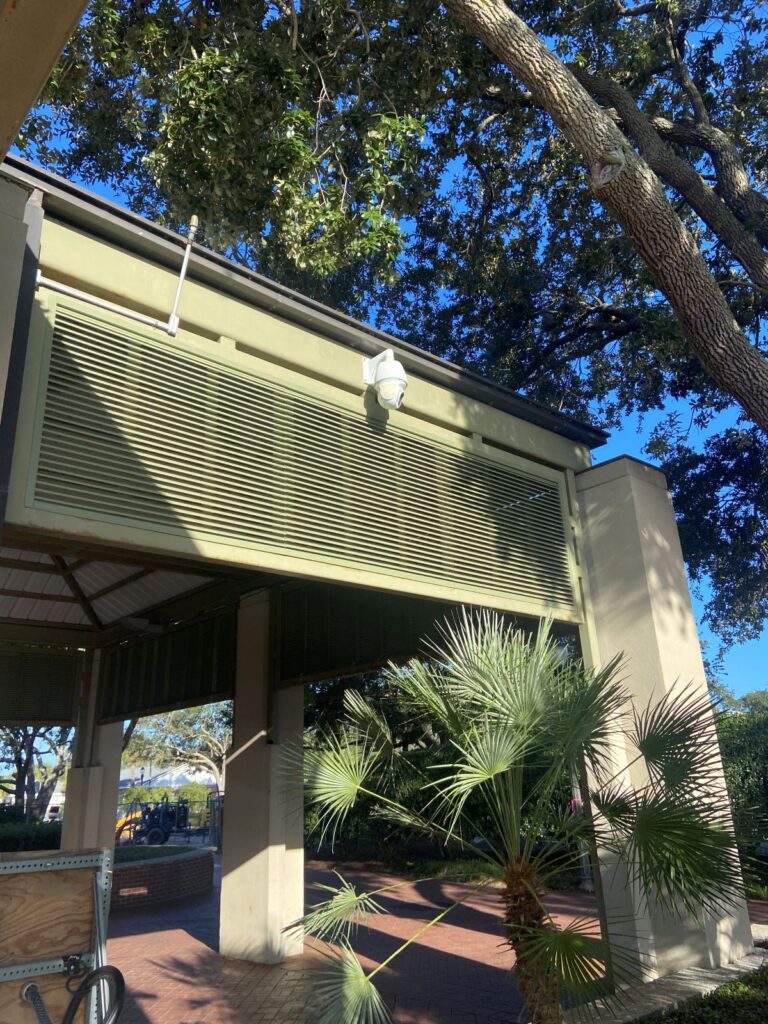
Beaufort resident Jason Dammer said he started paying attention to the city’s cameras after noticing them at the Pigeon Point Park playground. Dammer, who works at the Technical College of the Lowcountry, said he began noticing cameras elsewhere in the city, including along his drive to work.
“Once you see them, you can’t unsee them,” he said.
Dammer said he wants an effective police department and questions how much information it needs to collect about people who are not suspected of wrongdoing. He said residents should know which cameras are connected, who can access their data and how that access is checked.
He said the issue has brought him together with residents who disagree on other political questions.
“We all align and unite around this one because it’s like an American issue,” Dammer said. “You know, it’s a freedom issue.”
Records from Bluffton show how existing cameras can become part of a Flock system. In May 2025, a Flock integration manager reported adding 98 existing cameras to Bluffton’s platform. Most were loading correctly, he said, and access to the newly added network was limited to administrators at the time.
In a separate January 2025 email, a Flock representative said more than 540 outside camera networks had been shared with Bluffton police. Users’ ability to search those networks depended on their assigned permissions.
Scallate raised Bluffton as an example when he suggested Beaufort consider citizen oversight. Bluffton’s Law Enforcement Citizens Advisory Committee listed a review of its Flock camera policy on a November 2024 agenda and approval of a camera-system audit on a March 2025 agenda. The agendas do not record a vote or the audit’s findings.
Scallate also raised the possibility of temporarily turning off Beaufort’s cameras while questions were answered. Council took no vote to suspend the system at the October work session. Flomer said the department plans to bring answers to council’s follow-up questions when the discussion resumes.
McFee said any delay would give staff time to gather the information council requested. Lipsitz said council would continue listening to residents before deciding how to proceed.
Dammer said he wants council to consider whether police can do the same work while collecting less information about residents’ movements.
“Are there other resources that you could use that are less intrusive, less invasive to people’s privacy?” he asked.
Delayna Earley, who joined The Island News in 2022, formerly worked as a photojournalist for The Island Packet/The Beaufort Gazette, as well as newspapers in Indiana and Virginia. She can be reached at delayna.theislandnews@gmail.com.