

By Joshua Hower
A few years ago, a neighbor of mine was T-boned trying to make a left turn out of our neighborhood onto Highway 170. It wasn’t the first time, and it wasn’t the last. Anyone who lives off S.C. 170 between Bluffton and the 278 interchange knows that moment, the white-knuckle wait for a gap in traffic that never quite comes.
What made it worse was learning what was being discussed behind closed doors about that same intersection. During a nearby rezoning hearing, the developer’s plan called for eliminating our left-turn signal access entirely, replacing it with a right-turn-only exit and a u-turn further down the road. And the county, at the time, was moving in that direction: an urban-style u-turn model for every community along 170, where making a left means driving past your road, flipping around, and coming back. A solution borrowed from city engineers and dropped onto a corridor that was never built for it.
That’s when it clicked for me. The roads weren’t falling behind because of bad luck. They were falling behind because we kept approving new development as if the infrastructure to support it would somehow appear on its own. It doesn’t. It never has.
Here’s what I’ve learned after years of watching this play out in planning meetings, in rezoning hearings, and in conversations with neighbors across District 5: Beaufort County does not have a growth problem. We have a sequencing problem. We keep saying yes to new rooftops before we’ve answered a much simpler question, can our roads, our water systems, and our emergency services actually handle this?
There is a name for the policy that answers that question before a permit gets issued, not after. It’s called infrastructure concurrency. The concept is straightforward: new development gets approved only when the public infrastructure needed to serve it either already exists or will be fully funded and scheduled before the first family moves in. No infrastructure plan, no permit. Or more precisely, show us your binding commitment to close the gap, and we’ll work with you. Just don’t expect the community to absorb the cost of growth you’re profiting from.
This is not a radical idea. Florida passed statewide concurrency requirements four decades ago after watching its communities get overwhelmed by exactly the kind of uncoordinated growth we’re experiencing now. Here in South Carolina, State Sen. Tom Davis, who represents this region, is currently carrying legislation that would give counties like ours explicit authority to do the same. Beaufort County doesn’t need to wait for Columbia. The tools are already in our hands: our Comprehensive Plan, our zoning ordinance, our Development Agreement authority. What’s been missing is the political will to use them as a system rather than fighting the same battle case by case, meeting by meeting, year after year.
I want to be clear about what this is not. It is not a wall against growth. It is not a mechanism to keep people out of the Lowcountry. Developers who come to the table with real infrastructure commitments, roads widened, capacity confirmed, construction timelines funded and binding, get their projects approved. Concurrency is a standard, not a ban. It simply says: grow with us, not ahead of us.
The safety of our residents, their families, and our guests in the Lowcountry depends on being able to move through our communities without risking our lives at an intersection. Our local businesses need workers who can actually get to work. Our nurses, teachers, and first responders need to be able to live in the communities they serve. None of that works if we keep layering density onto corridors that are already past their limit.
We can grow, and we can grow well. But we have to stop treating a development approval as the end of the conversation. For the people sitting at intersections on S.C. 170 every single morning, it’s only the beginning.
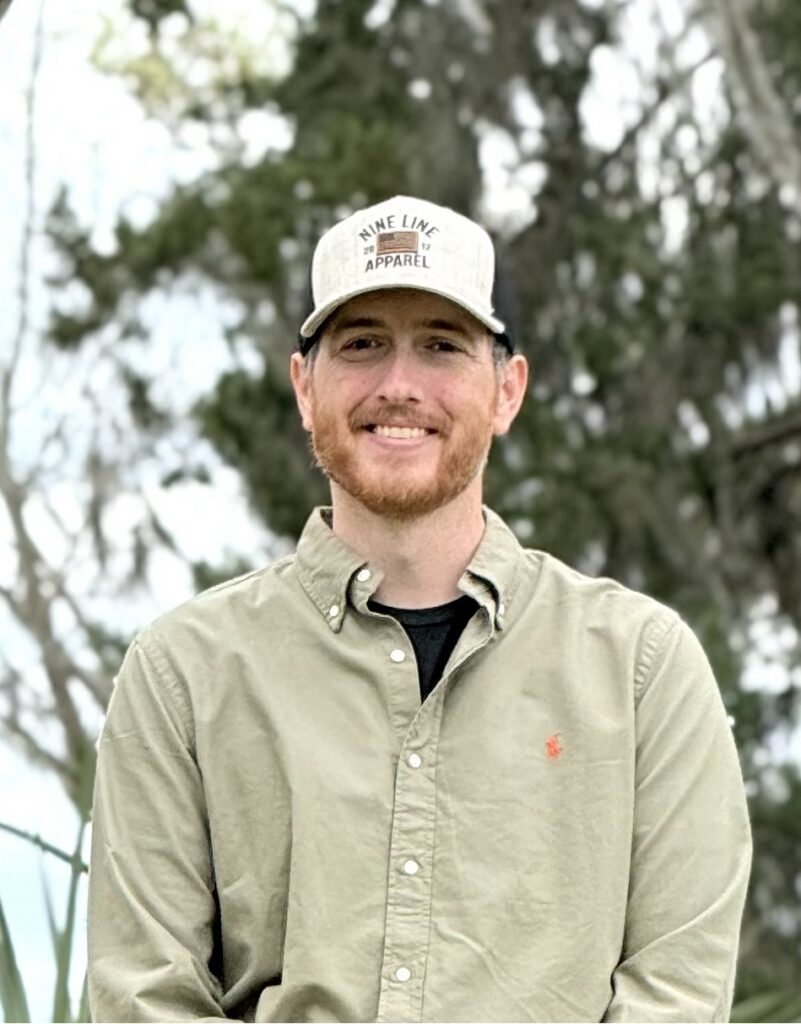
Joshua Hower is a U.S. Army veteran and candidate for Beaufort County Council, District 5. He lives in the Okatie area.