

By Mayra Rivera-Vázquez
In the Lowcountry, we believe in something simple: you do not leave your neighbors behind.
When storms come, we check on the folks down the road. When someone is sick, we bring food. When a family hits hard times, we show up, pitch in, and help them get back on their feet.
That is who we are in Beaufort, Bluffton, Hilton Head, Charleston, Moncks Corner, Walterboro, Edisto, and everywhere in between.
But our health care system does not work that way.
Too often, it feels like a maze of paperwork, surprise bills, shrinking provider networks, and costs that families cannot predict until it is too late.
I know this not as a politician talking policy, but as a mother.
I am the mother of a nonverbal autistic son, and navigating health care with a child who needs specialized support is exhausting, complicated, and often frightening.
It means therapy appointments, evaluations, specialists, long waits, endless forms, and constant battles for services that should never require a fight.
And it comes with the fear many families know all too well: What happens if insurance denies what he needs? What happens if a provider is out of network? What happens if coverage changes, costs rise again, or a job loss means losing health care altogether?
For families like mine, health care is not a talking point. It is the difference between stability and crisis.
That is why I support Medicare for All: because no family should have to live one illness, one denial letter, or one lost job away from collapse.
The Affordable Care Act was built on a basic promise: in a country as wealthy as ours, people should not lose their health or their home because they got sick.
The ACA made meaningful progress. It expanded coverage, protected people with preexisting conditions, and gave millions of families a lifeline.
But Republicans spent years trying to weaken it through repeal efforts, lawsuits, cuts to outreach and enrollment, and policies designed to chip away at the protections families rely on.
The result is a system that remains too expensive, too complicated, and too fragile for millions of Americans. We see the consequences here in South Carolina every day.
People delay care because they cannot afford the deductible. Workers stay trapped in jobs they want to leave because they cannot risk losing coverage. Parents ration medications. Medical debt swallows family budgets already stretched thin.
The truth is, the ACA was an important step forward, but it never fully became what it was intended to be: a path toward universal coverage.
The frustrating part is that we already know a better model can work.
Our seniors have relied on Medicare for nearly 70 years. It is trusted, familiar, and has provided security to millions of Americans.
After decades of private insurance companies denying claims, raising premiums, narrowing provider networks, and burying families in bureaucracy, it is time to ask a simple question:
If Medicare works for retirees, why should affordable, reliable health care be out of reach for everyone else?
For the waitress in downtown Charleston. The teacher in Beaufort County. The hotel worker on Hilton Head. The small business owner in Bluffton. The caregiver, the dockworker, the fisherman, the single parent working two jobs.
Everybody.
And contrary to what critics claim, Medicare for All is not some fringe idea sitting on the sidelines of American politics. More than 100 members of Congress currently support Medicare for All legislation because Americans are increasingly frustrated by paying more and getting less from our health care system.
We also cannot talk honestly about affordability in South Carolina without talking about health care.
Families are not struggling because of one expense alone. It is everything at once: wages that do not keep up, rising rents and housing costs, expensive child care, higher grocery bills, and medical costs that can wipe out a household after a single emergency room visit.
Health care is part of the broader affordability crisis affecting working families across the Lowcountry.
If we want communities where people can afford to raise children, build businesses, remain in the places they love, and retire with dignity, then we need a health care system that makes life easier, not harder.
Whenever Medicare for All comes up, people ask the same question: How do we pay for it?
Here is the honest answer: we already pay for health care — just in the most expensive and inefficient way possible.
Families pay through premiums, deductibles, copays, surprise bills, employer costs, and medical debt. We spend enormous sums while allowing insurance middlemen to profit from complexity and denial.
Medicare for All would replace that fragmented system with a simpler public guarantee: health care is covered, and nobody goes bankrupt because they got sick.
Imagine what that could mean here in the Lowcountry.
Families getting preventive care before problems become emergencies. People changing jobs or starting businesses without risking their health insurance. Less medical debt crushing households. Parents of children with disabilities spending less time fighting bureaucracy and more time caring for their children.
And perhaps most importantly, people living with less fear.
Because down here, we do not tell our neighbors, “Good luck — hope you can afford it.”
We take care of each other.
The Affordable Care Act was meant to move us toward universal coverage, but years of attacks weakened that progress. Now it is time to build something stronger and more permanent.
As a mother, I am not asking for special treatment.
I am asking for a country where every family has the dignity, security, and health care they deserve.
Because in the Lowcountry, we believe nobody should be left behind.
Now it is time our health care system reflected that value too.
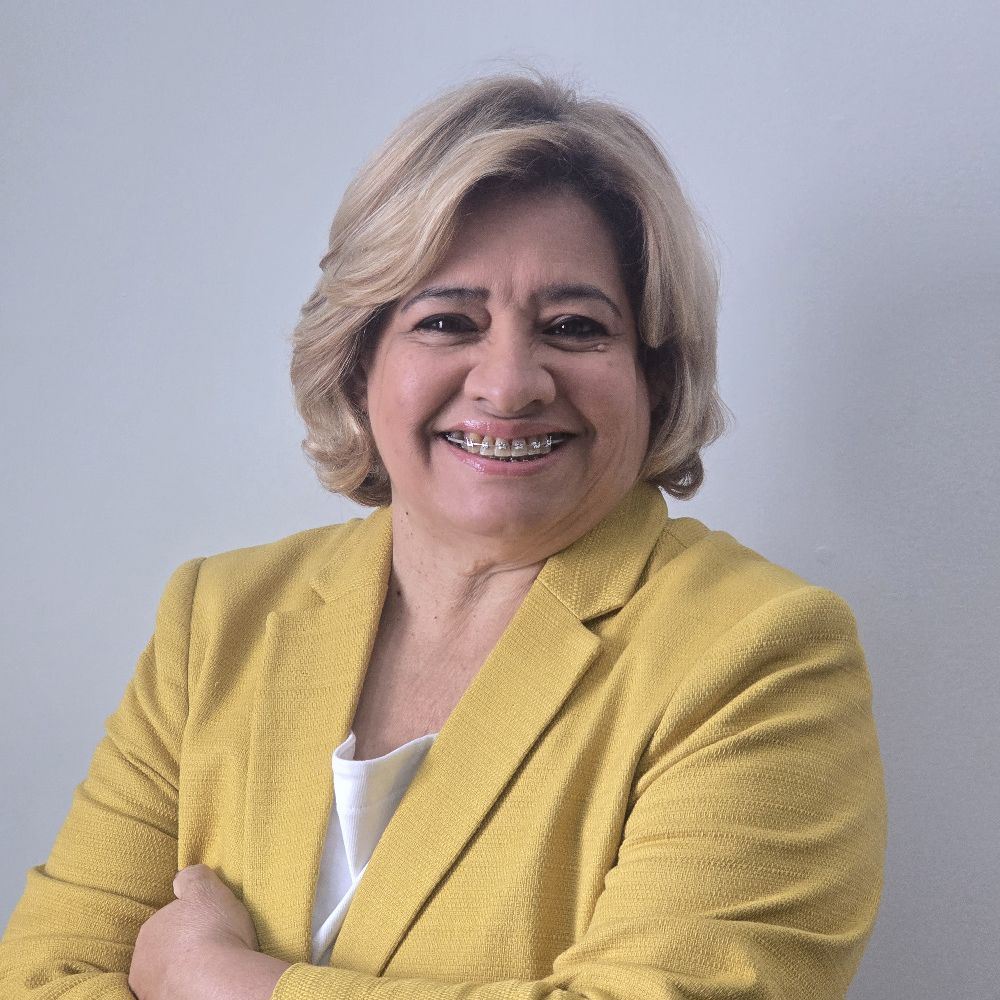
Mayra Rivera Vazquez has lived in Bluffton, S.C., with her family for the past 14 years. A community organizer, nonprofit leader, former immigration law professional, and former Chair of the Beaufort County Democratic Party, she is running for Congress in South Carolina’s 1st Congressional District.