By Delayna Earley
The Island News
A Beaufort County judge has ruled that a historic Gullah Geechee cemetery on St. Helena Island must remain accessible for burials and cleanup days while a broader legal battle over permanent access plays out in court.
Judge Carmen T. Mullen issued the order Thursday, Feb. 19, partially granting a temporary injunction sought by members of the Big House Cemetery Committee and partially denying it.
She also refused to dismiss the case, which was a separate victory for the plaintiffs.
The ruling does not resolve the underlying dispute. But for now, the gates on Everest Road must open.
A cemetery older than the Civil War
The Big House Cemetery sits between Seaside Road and the Harbor River on St. Helena Island, tucked along a dirt road called Everest Lane, known by community members simply as Everest.
Allegedly, the roads, Everest Road and Everest Lane, began to be known as Everest by the community because they led to the place where their ancestors could “forever rest.”
According to court filings, the cemetery dates to the period of slavery on St. Helena and has been in continuous use by the surrounding Gullah Geechee community for generations.
The cemetery’s location near the water is not incidental. Gullah Geechee tradition holds that ancestors’ spirits travel back across the water to their homelands in Africa.
The lawsuit opens with a line written in Gullah Geechee: “De wata bring we and de wata gwine tek we bak.”
The water brings to us and the water will take us back.
How access was lost
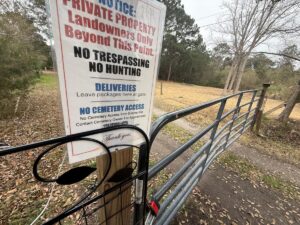
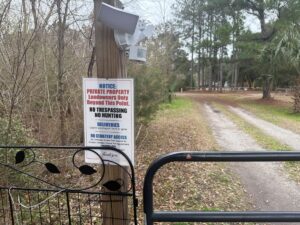
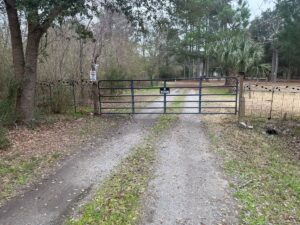
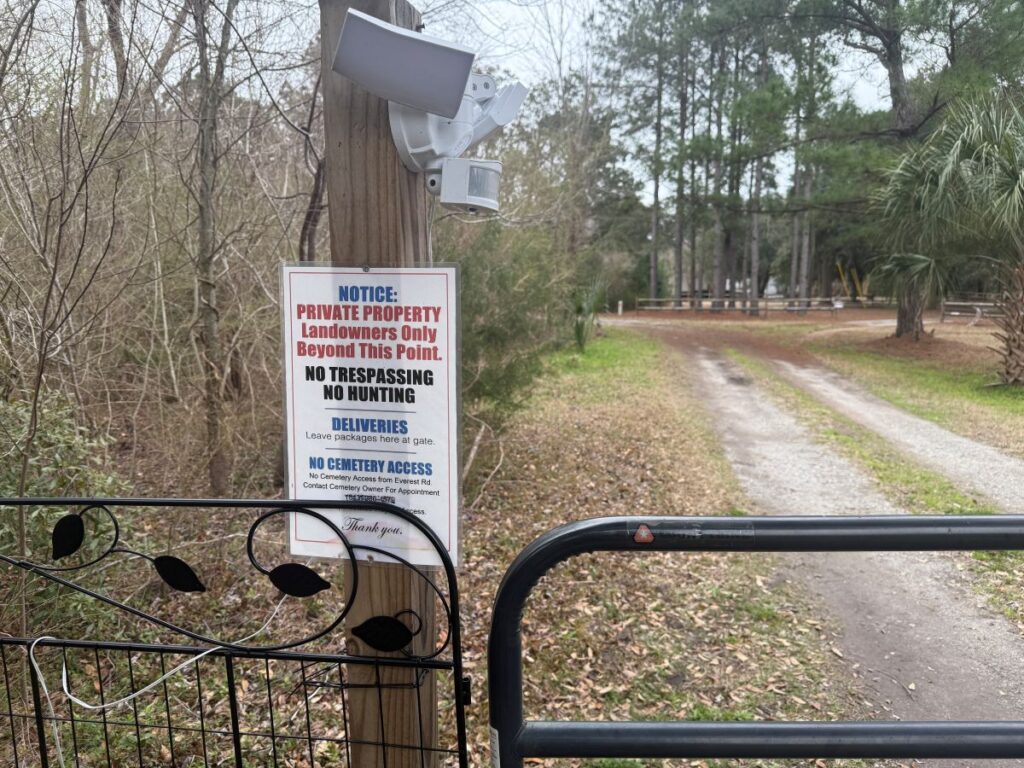
The dispute began in earnest in May 2024, when Theresa Aigner, who had purchased property on Everest Lane approximately four years earlier, relocating to St. Helena from out of state, changed the gate code on a gate she had installed on Everest in late 2023, without notifying the community.
She had previously given community members and local funeral homes the code. Then, without warning, she didn’t.
The consequences were immediate and painful.
Around 10:30 p.m., on May 29, 2024, a three-car crash claimed the lives of five St. Helena residents, including relatives of several plaintiffs. Their families could not bury them at Big House Cemetery. They could not get through the locked gate on Everest.
Some of those residents were buried more than 20 miles away, in Seabrook, separated from generations of family laid to rest at Big House.
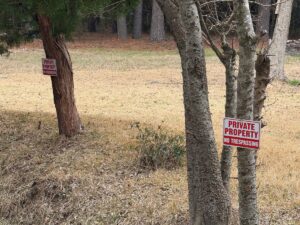
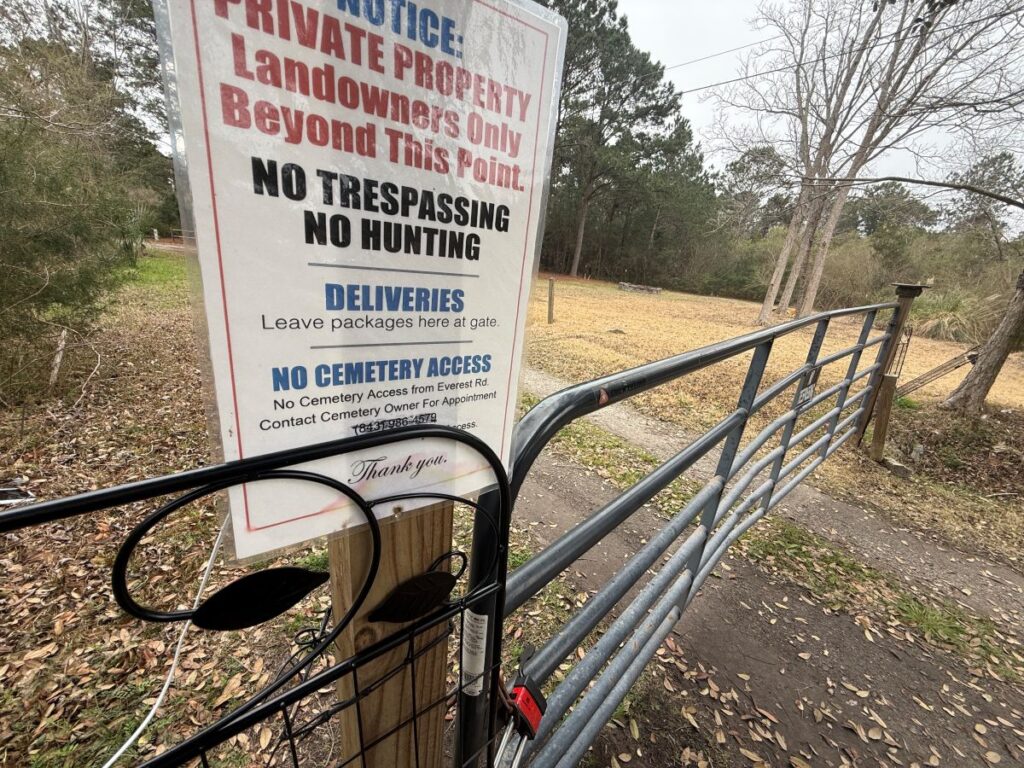
Shortly after, Robert Cody Harper and Walter Robert Harper, Jr., who also purchased property on Everest Road in 2024, erected a second gate at the cemetery entrance off Everest Road, further blocking access.
The Big House Cemetery Committee formed in response, first attempting to negotiate with Aigner. Those efforts failed.
The case was filed April 30, 2025, in Beaufort County Court of Common Pleas.
What the judge ruled
After a December 16 hearing at the Beaufort County Courthouse, a site visit by the court and parties to the cemetery and both access roads at issue, and post-hearing briefing, Judge Mullen issued her order.
She found that the plaintiffs had established a sufficient legal basis to warrant court protection while the case proceeds to trial.
Under the order:
- For funerals and burials, plaintiffs must give defendants at least three days written notice through counsel. Defendants must then open the gates on Everest from sunrise to sunset on the specified date to allow access for funeral homes, vault trucks and related vehicles.
- For cleanup days, plaintiffs must provide at least 14 days written notice. Defendants must open the gates for the full designated day.
- Plaintiffs must post a bond of $5,000 to cover potential roadway damage during the injunction period.
The injunction remains in effect until the case goes to trial or is otherwise resolved.
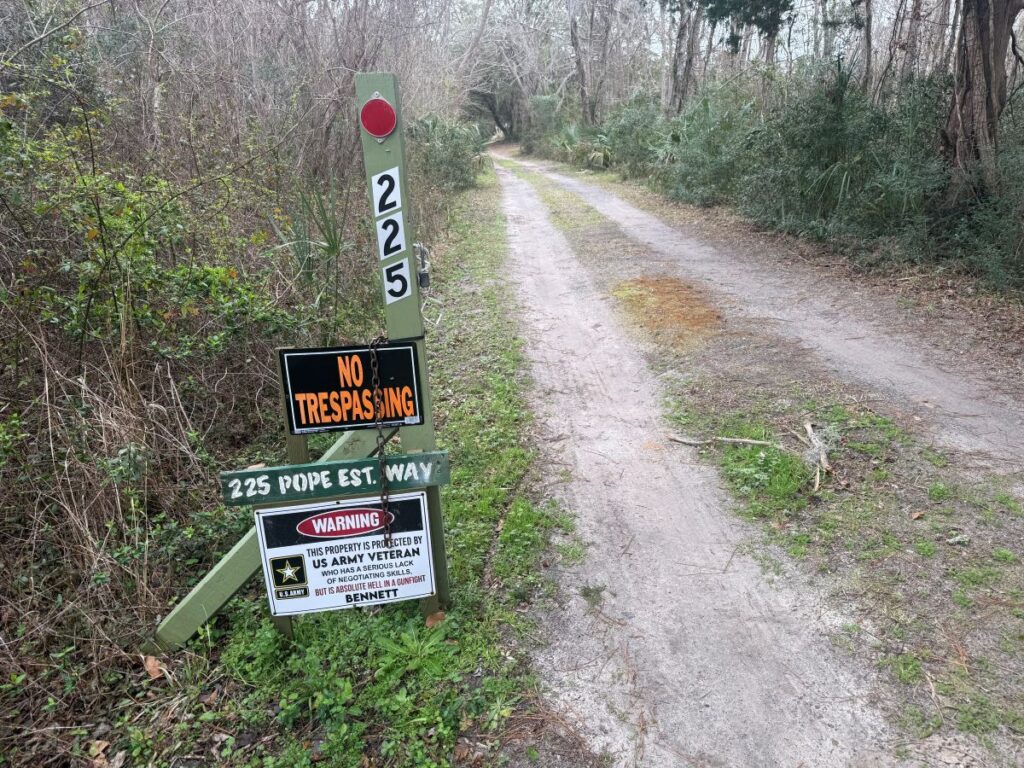
The defendants had argued that an alternate route, Pope Estates Way, provides sufficient access to the cemetery, and that the case should be dismissed entirely. Judge Mullen disagreed on both counts.
What the community is saying
Plaintiffs responded to the ruling with relief and resolve.
“This order means a lot to me,” said plaintiff Julia B. Scott, who has family members buried at the cemetery, in a statement released by the Center for Constitutional Rights (CCR). “Now we can use the road to access the cemetery for funerals and cleanup efforts, and I know that when my time comes, I can be laid to rest next to my mother and other family members. I hope and pray that one day soon we will again be able to visit the cemetery anytime, without having to ask.”
Plaintiff Shanoma Watson said the ruling offered something the community had been denied for too long.
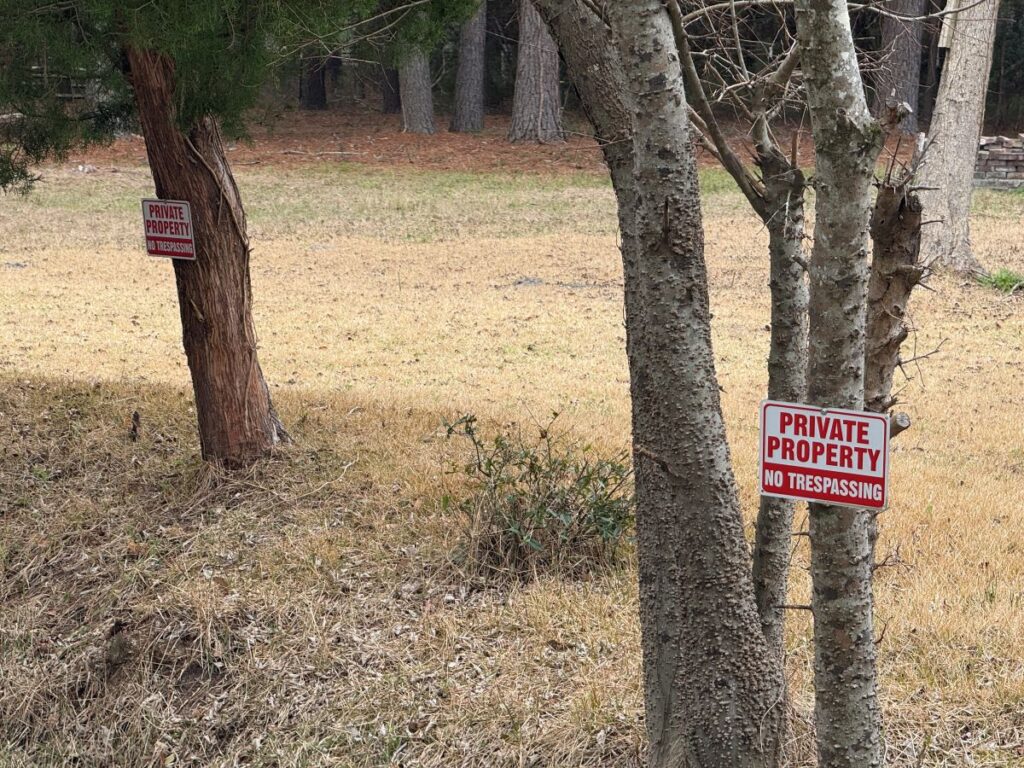
“It has been almost two years since we’ve been able to properly visit and care for our sacred burial ground,” Watson said in the same statement. “We are overjoyed that the court has recognized our need to access the cemetery for burials and clean-up days.”
The CCR’s Emily Early, one of the attorneys representing the plaintiffs, called the ruling a meaningful step, while making clear the broader fight is not over.
“We are thrilled that the court has rejected the defendants’ attempt to dismiss this case and has ordered that the gates be opened for burials and clean-up days,” Early said. “The community’s right to access Big House Cemetery doesn’t depend on the whims of out-of-state landowners who moved here years ago and decided to lock the community out of their sacred burial ground.”
Theresa White, founder and CEO of the Pan-African Family Empowerment & Land Preservation Network, said her organization was among the first to rally around the Big House Cemetery families after access was blocked.
“I am overjoyed that Judge Carmen Mullen is moving in the right direction towards resolving this and reopening the graveyard to the families permanently,” White said. “It should never have been blocked in the first place. The only right thing to do is to allow it to reopen without any restrictions on the families long term.”
White lives in Savannah, but her mother’s family is from the island. She said she sees the Big House case as part of a larger pattern that threatens Gullah Geechee burial grounds across the island.
“Almost all of the graveyards on St. Helena Island are on the waterfront,” she said, “which is the area of land that developers and people with a lot of money find most desirable to build on. And these houses are along the way to the graveyard, or they’re the ones blocking entry to the graveyard.”
While nothing official has been announced, White said community members were working toward establishing a bond fund to try and raise money to help meet the court-ordered $5,000 bond requirement.
What’s still unresolved
The temporary injunction is exactly that, temporary. The underlying legal questions have not been decided.
The Plaintiffs assert two claims. The first is brought under South Carolina’s cemetery access law, which has long recognized the rights of heirs and community members to access, visit and maintain gravesites.
The second is a claim for a prescriptive easement, a legal right to use another’s property that can be established through decades of open, continuous and uninterrupted use.
Plaintiffs argue that community members, funeral homes and others have used Everest for exactly that kind of long, unbroken access to the cemetery.
Defendants have disputed both claims and maintain that Pope Estates Way is an adequate alternative.
They also contend that Everest, a private subdivision road, has sustained damage from prior funeral processions.
Plaintiffs are represented by Tyler D. Bailey of the Bailey Law Firm in Columbia and attorneys from the Center for Constitutional Rights.
The injunction will remain in place while those broader questions are decided, meaning that for now, when someone needs to bury a loved one at Big House Cemetery, the gates on Everest must open.
The case remains pending in Beaufort County Court of Common Pleas.
Delayna Earley, who joined The Island News in 2022, formerly worked as a photojournalist for The Island Packet/The Beaufort Gazette, as well as newspapers in Indiana and Virginia. She can be reached at delayna.theislandnews@gmail.com.