
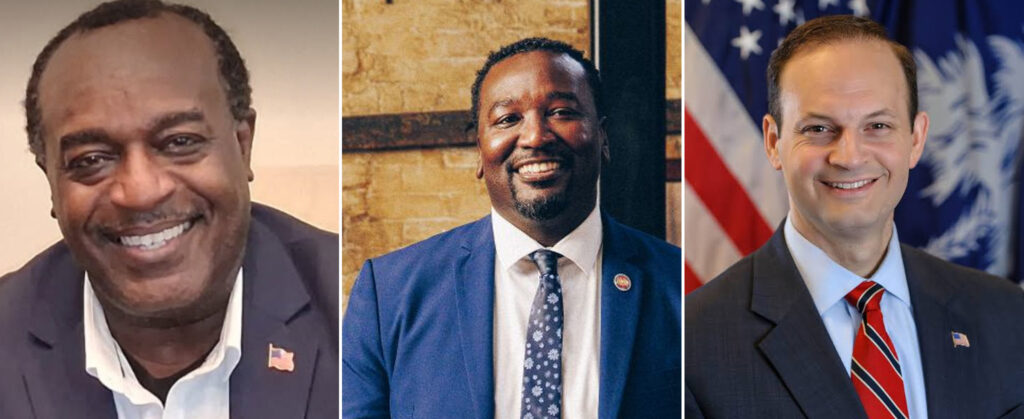
Wilson, Johnson, Addison outline competing priorities for South Carolina as voters prepare for Nov. 3 election
By Delayna Earley
The Island News
South Carolina’s candidates for governor agree that rising living costs, access to health care, education and infrastructure are among the state’s most pressing challenges, but their proposals for addressing those issues reveal significant differences in how they believe state government should operate.
Republican Alan Wilson, Democrat Jermaine Johnson and United Citizens Party candidate Dr. Michael Addison responded to questionnaires distributed by The Island News ahead of the Nov. 3 general election.
Green Party candidate Walid Hakim did not respond before the newspaper’s print deadline.
The candidates were asked about 10 issues, including taxes, education, health care, energy costs, workforce housing, coastal resilience and government accountability.
Their responses offer voters a look at how each would approach the state’s challenges, with particularly notable differences over Medicaid expansion, school choice and tax reform.
Cost of living and taxes
All three candidates identified affordability as a priority, although their proposals differ in how they would restructure South Carolina’s tax system.
Wilson, who has served as South Carolina’s attorney general since 2011, supports gradually eliminating the state’s individual income tax.
His proposal would use revenue triggers intended to protect funding for education, infrastructure and public safety. He also supports property tax relief for seniors and veterans and limiting state spending growth to population growth plus inflation.
Wilson said he would seek authority for the governor to temporarily suspend the state gas tax during extraordinary price increases.
“My number one priority as governor will be making South Carolina more affordable for the families who call it home,” Wilson said.
Johnson, a state representative from Hopkins, takes a different approach.
He supports repealing portions of the state’s income tax overhaul that he says increased taxes on working families while benefiting wealthier residents.
Johnson also supports tax relief for small businesses, a higher minimum wage and measures intended to prevent large data centers from passing infrastructure and electricity costs to residential customers.
Addison, a businessman and retired chiropractic physician from Orangeburg, supports eliminating the individual income tax but proposes replacing that revenue through a restructured and increased sales tax.
Unlike Wilson, Addison specifically calls for a public fiscal analysis before implementing the changes to determine how they would affect working families, retirees, businesses and essential services.
Addison also supports a $15 minimum wage, eliminating unjustified corporate tax exemptions and reducing duplicative business fees.
Education and school choice
Education presents one of the clearest differences among the candidates.
Wilson supports universal school choice, arguing that parents should have greater control over where their children receive an education.
He also supports competitive teacher salaries, improved classroom resources, early literacy programs and expanded career and technical education.
Johnson opposes using public money for private-school voucher programs, arguing that those funds should remain in public schools.
His education platform includes universal prekindergarten, increased teacher compensation and changes to the school funding formula intended to reduce disparities between rural and urban districts.
“Every child in South Carolina deserves a great public school close to home,” Johnson said.
Addison supports strengthening public education through improved teacher compensation, mentoring programs, additional classroom resources and funding based on student needs.
On private-school choice, Addison said he would review existing programs and potential expansions with lawmakers before committing to a particular approach.
He said any program receiving public funding should be subject to appropriate academic and financial accountability.
Healthcare and Medicaid
The candidates also differ substantially on whether South Carolina should expand Medicaid eligibility.
Johnson and Addison support expansion, while Wilson has expressed concerns about its long-term financial implications.
Johnson proposes using revenue from medicinal cannabis to help fund Medicaid expansion, which he argues would improve access to care and support rural hospitals.
He also identifies mental health services as a priority, particularly in addressing youth violence, addiction and access to treatment.
Addison supports Medicaid expansion with a sustainable funding plan and legislative approval.
He also proposes developing a Palmetto Public Option concept focused on affordable telehealth access and participation by small employers.
Addison said the proposal would complement rather than replace comprehensive health insurance.
Wilson favors expanding rural clinics, telemedicine and efforts to recruit medical professionals to underserved communities.
However, he questions whether Medicaid expansion would create financial obligations that could become difficult for the state to sustain.
Wilson also cited concerns about fraud within the existing Medicaid program.
“I will not make promises that could leave South Carolina taxpayers with unsustainable obligations in the future,” Wilson said.
Infrastructure and Lowcountry growth
South Carolina’s growing population has increased pressure on roads, bridges and public services, particularly in Beaufort County and surrounding Lowcountry communities.
Wilson identified improvements to major interstate corridors, including Interstate 95 and Interstate 26, as priorities.
He also specifically mentioned congestion along U.S. 278, access to Hilton Head Island and transportation needs in Bluffton, Beaufort and Port Royal.
Wilson said infrastructure planning should account for population growth and the demands placed on schools, water systems and emergency services.
Johnson called for changes to the state’s infrastructure contracting process, including expanding competition for major projects and auditing the South Carolina Department of Transportation.
He said Lowcountry projects should be prioritized according to demonstrated needs rather than political relationships.
Johnson identified clearing the backlog of roads, bridges and drainage projects as a priority for the region.
Addison emphasized the need to evaluate infrastructure costs alongside development proposals.
His responses called for responsible development, stronger local planning and safeguards against shifting the costs of private development onto taxpayers.
Energy costs and data centers
All three candidates expressed concerns about rising electricity costs and the potential impact of large data centers on South Carolina’s utility infrastructure.
Wilson supports an energy strategy that includes nuclear power, natural gas, renewable energy and modernization of the electrical grid.
He said data center developers should provide for their own power and water needs and that communities should have the ability to reject unwanted projects.
Johnson has introduced legislation intended to pause new data center permits until requirements are established to prevent the companies from shifting electricity and infrastructure costs onto other customers.
He also supports requiring large electricity users to build or secure their own generation capacity.
Addison proposes restrictions on data center incentives, including opposing tax abatements and subsidized utility arrangements.
He would require developers to disclose their projected electricity and water consumption, infrastructure needs and environmental impacts before receiving approval.
Addison also supports stronger scrutiny of utility rate increases and protections against passing unnecessary construction costs to customers.
Housing and workforce
The candidates agree that South Carolina must address the growing difficulty workers face finding affordable housing near their jobs.
Wilson supports reducing regulatory barriers, encouraging private-sector development and expanding partnerships among employers, technical colleges and apprenticeship programs.
He said the state should respect local zoning authority while helping communities address workforce housing shortages.
Johnson supports partnerships among local governments, employers and developers to increase housing opportunities for teachers, nurses, first responders and other workers.
He also proposes expanding career training and establishing a council focused on young adults and workforce opportunities.
Addison supports rehabilitating existing housing, reusing vacant buildings and encouraging smaller homes, apartments and accessory dwelling units where appropriate.
He also favors enforceable affordability requirements when public money supports housing development.
Coastal resilience and the environment
Flooding, storm damage and development pressure are particularly important concerns for Lowcountry residents.
Wilson supports investments in flood mitigation, stormwater infrastructure, water quality and hurricane preparedness.
He also emphasizes private property rights and local authority over development decisions.
Johnson said drainage improvements and flood protection should receive priority within the Lowcountry’s infrastructure backlog.
He supports the South Carolina Office of Resilience and partnerships with local governments on voluntary buyouts, living shorelines and wetland restoration.
Addison proposes evaluating coastal projects based on demonstrated risk, community benefits and long-term maintenance needs.
His approach includes protecting wetlands and dunes, improving drainage, addressing failing septic systems and examining the cumulative effects of development.
All three candidates said local communities should have a meaningful role in decisions affecting development and coastal protection.
Government accountability
Each candidate also identified government efficiency and accountability as a priority.
Wilson proposes a Families First Audit Initiative, which he said would be overseen by his running mate, Mike Reichenbach.
The initiative would examine state agencies for waste, duplication and opportunities to improve efficiency.
Johnson said he would launch audits across state government, beginning with the Department of Transportation, and establish publicly available performance measures for agencies.
He also supports increasing competition for state contracts and strengthening cybersecurity.
Addison favors independent audits, transparent procurement procedures and performance evaluations based on measurable results.
He said agency leaders should be held accountable for failures while ensuring that corrective actions do not unnecessarily disrupt essential public services.
Different backgrounds, priorities
The three responding candidates bring different professional and political backgrounds to the race.
Wilson, 53, is serving his fourth term as South Carolina attorney general. He is also a colonel in the South Carolina Army National Guard and has served in the military for nearly 30 years, including a deployment to Iraq.
He identifies eliminating the state income tax, improving infrastructure, strengthening education and increasing government accountability as priorities for his administration.
Johnson, 41, represents District 52 in the South Carolina House of Representatives. His professional background includes entrepreneurship, insurance and business coaching.
His priorities include universal prekindergarten, Medicaid expansion, mental health services, tax changes benefiting working families and increased oversight of state contracting.
Addison, 61, has a professional background in health care, insurance, construction and environmental services.
He identifies Medicaid expansion, tax restructuring, workforce housing, teacher recruitment and government transparency as priorities.
Although the candidates share concerns about affordability, infrastructure and the effectiveness of state government, their proposals reflect different views about taxation, public investment and the role government should play in addressing those challenges.
South Carolina Governor candidates
Walid Hakim, the Green Party candidate for governor, did not respond to the questionnaire.
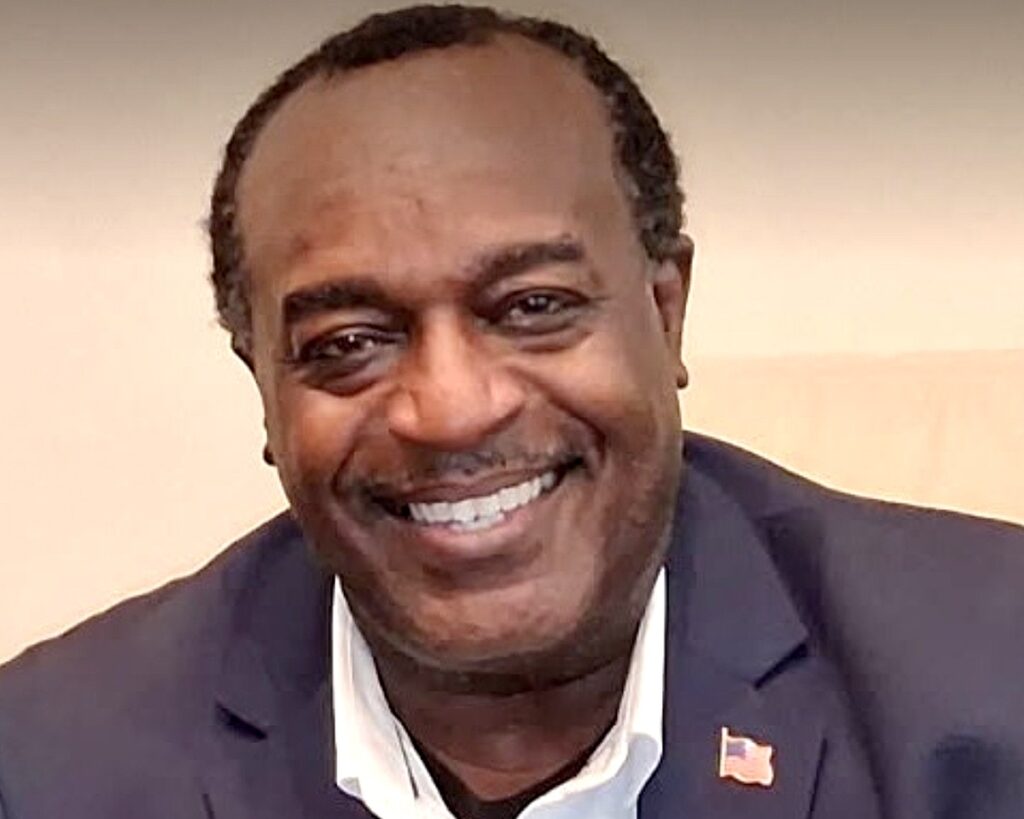
Michael A. Addison, 61, is running on the United Citizens Party platform and describes himself as an independent conservative. He is a retired chiropractic physician and businessman who lives in Orangeburg, where he reported living for 31 years. His professional background includes patient care, insurance adjusting, construction and environmental services. He reported graduating from South Carolina State University, Life University’s College of Chiropractic Medicine, Greenville Technical College and Aiken Technical College. He founded Rural Advocates for Community Enhancement and Paradise Pointe Veteran House and has served on the Pee Dee Regional Authority Board. He has four daughters, five sons and five grandchildren.
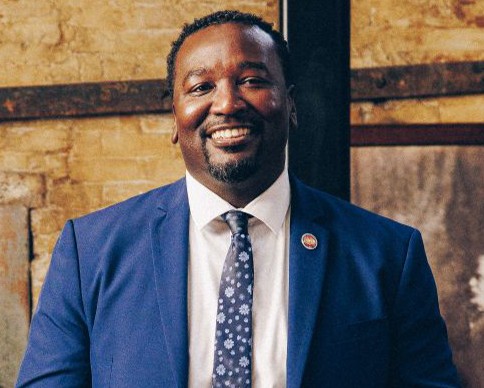
Jermaine Johnson, 41, is the Democratic candidate for governor. He lives in Hopkins with his wife and four children. A business owner, he described his professional background as an entrepreneur, insurance executive and business coach. He reported earning a doctorate in business administration, a master’s degree in project management and a bachelor’s degree in communication. He has served in the South Carolina House since 2020 and currently represents District 52. He has served on the boards of the Richland County Recreation Commission and Richland County Recreation Foundation.
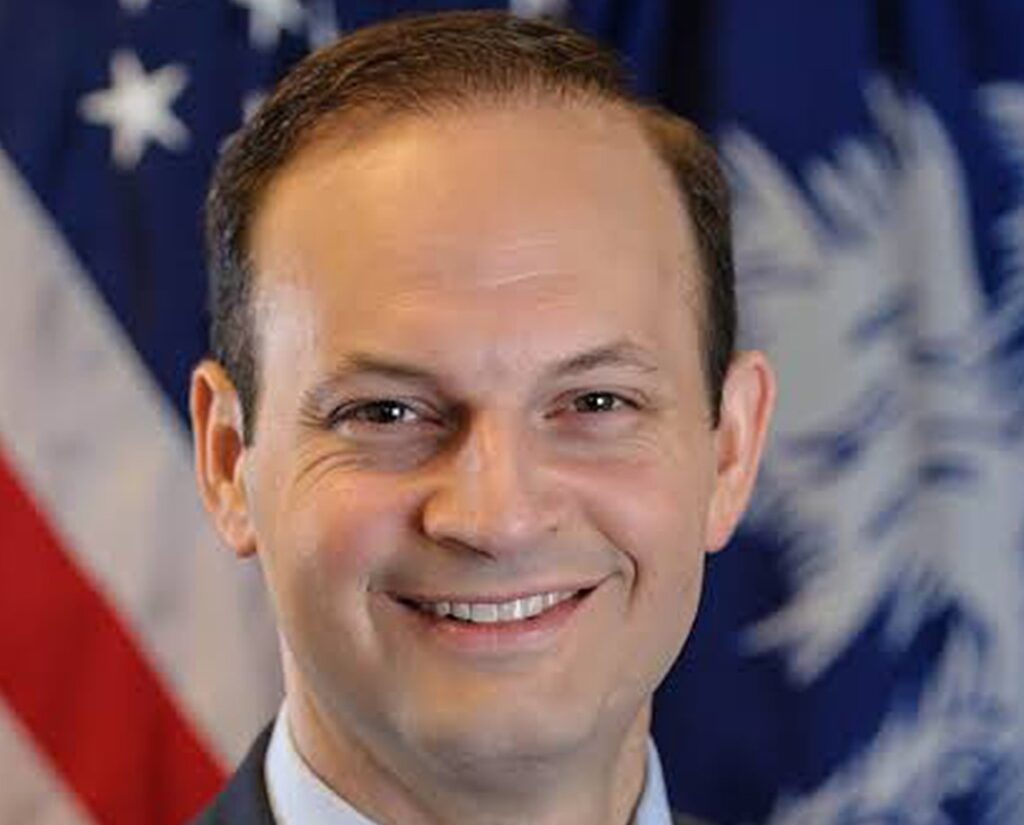
Alan McCrory Wilson, 53, is the Republican candidate for governor. He has served as South Carolina’s attorney general since January 2011 and is a colonel in the South Carolina Army National Guard. He lives in Lexington with his wife, Jennifer, and their two children, Michael and Anna Grace, and reported living in Lexington since age 4. He earned a bachelor’s degree from Francis Marion University, a law degree from the University of South Carolina School of Law and a master’s degree in strategic studies from the U.S. Army War College. His background includes work as a prosecutor and Drug Enforcement Administration analyst, as well as a combat deployment to Iraq.
Candidate questionnaire responses
The following responses were submitted to The Island News by candidates for South Carolina governor. Responses have been edited only for grammar, spelling and Associated Press style where necessary. The substance and intent of each candidate’s answers have been preserved. Statements, opinions and allegations in the responses are those of the candidates.
1. South Carolinians face rising costs for housing, insurance, utilities, transportation and other necessities. What actions would you take as governor to make the state more affordable? Which taxes, fees or spending programs would you increase, reduce or restructure?
Addison: South Carolina should be a state where people can afford to live, work, raise a family and retire — not simply a place where corporations can obtain favorable deals. My affordability agenda would address both household expenses and the wages people earn.
I have proposed eliminating the state individual income tax, restructuring and increasing the sales tax as part of that replacement, and removing unjustified corporate tax exemptions. I also support a $15 minimum wage. These proposals reflect my belief that working people should have a better opportunity to support themselves and their families.
However, tax reform must be judged by its effect on a family’s total tax burden, not by the appeal of eliminating one tax. Before implementation, I would require a public fiscal analysis showing the effects on working families, retirees, small businesses and essential services. The legislation should protect necessities and provide targeted relief where a shift toward sales taxes would otherwise increase hardship. I would not support an isolated sales-tax increase without the accompanying reforms and protections.
I would reduce duplicative business and licensing fees, scrutinize corporate incentives, and redirect spending from ineffective programs and unnecessary administrative duplication toward classrooms, health care, infrastructure and public safety. New recurring commitments must have identifiable recurring funding.
Beyond taxes, I would support rehabilitation of existing housing, stronger oversight of insurance claims and rate justifications, home weatherization, and protection against utility costs being shifted from large corporations to households. Transportation spending should prioritize maintained roads and practical connections between workers and jobs.
My standard is whether ordinary South Carolinians have more financial security at the end of the month — not whether government can announce another economic-development headline.
Johnson: As governor, I will go after the costs that weigh heaviest on South Carolina families. I will fight to repeal the parts of the Republican income tax overhaul that raised taxes on working people, so no family earning a modest paycheck owes the state more while the wealthiest pay less. I introduced H 5526 to pause new data center permits until those companies are required to cover their own energy costs, so families never pay higher power bills to subsidize them. I will expand Medicaid using medicinal cannabis revenue, and I will make universal pre-K available in every county, giving parents a safe, affordable place for their children to learn.
I would provide meaningful tax relief for small businesses. Locally owned businesses create most of the jobs in our communities, and they deserve the same attention we have given to large out-of-state corporations. I would fight for a livable minimum wage. South Carolina is one of only five states without a minimum wage law. People should be able to support their families with one good job.
Wilson: My No. 1 priority as governor will be making South Carolina more affordable for the families who call it home. Our state should be affordable for families, profitable for businesses and accountable to taxpayers.
I have proposed a plan to phase out South Carolina’s individual income tax to zero, using responsible revenue triggers that protect essential services like education, infrastructure and public safety. I also want to provide meaningful property tax relief, particularly for seniors and veterans.
Government must live within its means. I will work to limit state spending growth to population growth plus inflation and launch my Families First Audit Initiative, led by Lt. Gov. Mike Reichenbach, to identify fraud, waste and abuse across government to ensure dollars are being spent appropriately and wisely.
In March, I called on the General Assembly to temporarily suspend the state gas tax during extraordinary price spikes, using reserve funds to protect road funding. As governor, I will seek to give the governor the ability to suspend the gas tax up to 120 days in future emergencies.
Families should not have to choose between paying their bills and building a future in South Carolina. Every decision we make should begin with a simple question: Does this make life more affordable for South Carolina families?
2. What are your priorities for improving student achievement and recruiting and retaining qualified teachers? How would you approach teacher pay, school funding, classroom resources, accountability, school safety and public support for private-school choice programs?
Addison: My priority is a strong public education system that prepares every child for productive adulthood, regardless of ZIP code. That begins with reading, mathematics, critical thinking, financial literacy and meaningful pathways into college, skilled trades, military service and employment.
Qualified teachers deserve competitive compensation throughout their careers — not just an attractive starting salary. I would work with legislators and education leaders on sustained teacher-pay improvements, mentoring for new teachers, and recruitment incentives tied to service in hard-to-staff schools and subjects. Retention also requires reasonable workloads, protected planning time, effective discipline policies and respect for teachers’ professional judgment.
School funding should reflect student needs, including poverty, disabilities and the challenges of rural districts. I would prioritize classroom materials, special-education services, counselors, reliable facilities and career education. Parents should have clear information about how money is spent and how their children are progressing.
Accountability should include literacy and mathematics growth, attendance, graduation, career readiness and school climate — not reliance on a single test score. Schools that struggle need a corrective plan, appropriate resources and leadership accountability.
School safety requires secure facilities, trained personnel, coordinated emergency plans, early intervention and accessible mental health services.
On private-school choice, I will review the issue in greater detail with state legislators before committing to a particular expansion or funding model. That review should include the existing Education Scholarship Trust Fund program. I would examine academic and financial accountability, accessibility for students with disabilities, transportation barriers and the effect on public schools. Parental choice deserves serious consideration, but public dollars must carry public responsibility.
Johnson: Every child in South Carolina deserves a great public school close to home, and that work begins with universal pre-K so our children arrive in kindergarten ready to learn and stay on track from the first day. I will keep public dollars in public schools and oppose voucher programs that pull resources away from the classrooms where most of our children learn. I will fight for teacher pay that rewards the calling of teaching and keeps our best educators here in South Carolina, along with the respect, support and manageable classrooms that keep them in the profession for a full career. And I will push for a funding formula that closes the gap between rural and urban districts, so a child’s ZIP code never decides the quality of the education he or she receives.
Wilson: Every child in South Carolina deserves a quality education, regardless of his or her ZIP code, and every parent deserves a meaningful voice in their child’s education.
My administration will prioritize early literacy, mathematics, classroom discipline and academic achievement. We must support and retain good teachers by ensuring competitive compensation, providing necessary classroom resources, and reducing unnecessary administrative burdens that take time away from teaching.
I support fully funding our public schools while demanding transparency and measurable results from education spending. More money alone does not guarantee better outcomes. We must ensure resources reach classrooms and students rather than getting lost in bureaucracy.
I also strongly support universal school choice. Parents should be in the driver’s seat when deciding which educational environment best meets their children’s needs. Giving parents more options gives our kids more opportunities.
School safety is equally important. I will continue supporting school resource officers and strengthening partnerships between educators and law enforcement.
Finally, we must expand career and technical education, apprenticeships, and partnerships with technical colleges so students graduate prepared for college, the military or a rewarding career.
3. What would your administration do to improve access to affordable medical care, mental health treatment and substance-use services, particularly in rural and underserved communities? What is your position on expanding Medicaid eligibility or pursuing another state coverage alternative?
Addison: I support expanding Medicaid eligibility in South Carolina. Securing legislative approval and a sustainable state funding plan would be an early priority of my administration. I would approach expansion as a practical health-care and workforce issue, not a partisan loyalty test.
My experience in chiropractic patient care has shaped my belief that access means more than possessing an insurance card. People also need an available provider, transportation, understandable costs and timely treatment.
I would strengthen partnerships among rural hospitals, community health centers, independent practices and teaching institutions. Priorities would include mobile clinics, telehealth, rural provider recruitment, and service-linked assistance for health professionals who commit to underserved communities. Telehealth should expand access without becoming an excuse to eliminate necessary in-person care or overlook people without reliable internet service.
South Carolina’s federally supported rural-health transformation effort already includes work on telehealth, mobile services and workforce capacity. I would evaluate and build on that investment while making clear that provider grants do not replace the need for affordable coverage.
I have also proposed a Palmetto Public Option concept to expand affordable telehealth access and allow small-employer participation. I would develop that concept with transparent pricing, clear service limits and financial oversight. Any membership-based service must be clearly distinguished from comprehensive health insurance; it would complement, not replace, Medicaid expansion.
Mental health and substance-use treatment must be integrated into this agenda. I would prioritize timely counseling, crisis response, evidence-based addiction treatment, recovery support and continuity of care after hospitalization or incarceration.
My goal is a system that helps people obtain appropriate care before their condition becomes a crisis, while holding both public programs and participating providers accountable for results.
Johnson: Before I decided to run, I visited every county in South Carolina, and the need I heard about more than any other was mental health care. That is why expanding Medicaid sits at the center of my plan. Using revenue from medicinal cannabis, we can bring our own federal tax dollars home, extend coverage to hundreds of thousands of working South Carolinians, and keep rural hospitals and clinics open so families can find care close to home. Mental health is also where we must begin when we talk about youth violence, because a young person who has someone to talk to and a place to turn has a far better chance of choosing a different path. I grew up around addiction, and I watched what happens to people and families when help is out of reach. When we put counselors, treatment and recovery resources within reach of every community, we give people the chance to heal, to grow, and to build the lives God intended for them.
Wilson: I want every South Carolina family to have access to quality, affordable health care. My wife, Jennifer, battled breast cancer, and it rocked our world. Fortunately, our family was blessed to have excellent doctors and access to the care she needed right down the road. I want that for every family.
One of our greatest challenges is access to care in rural communities. As governor, I will support rural clinics, expand telemedicine, and work to attract and retain medical professionals in areas where families struggle to find doctors. We must also strengthen access to mental health treatment and substance-use services, including efforts to combat the devastating effects of fentanyl addiction.
I have serious concerns about the long-term financial implications of expanding Medicaid. North Carolina provides an important example of why states must carefully evaluate the costs and sustainability of these programs. Its Medicaid spending has grown substantially, placing increasing pressure on the state budget.
The federal government may promise to cover much of the cost today, but there is no guarantee that commitment will remain unchanged. I will not make promises that could leave South Carolina taxpayers with unsustainable obligations in the future.
Further, just last year my office uncovered more than $21 million of Medicaid fraud here in South Carolina. I have serious concerns about expanding a program that we already know has implementation and fraud issues.
My administration will pursue practical, financially responsible ways to improve access to care, particularly for rural families, while protecting taxpayers and maintaining the quality of our health care system.
4. Rapid population and economic growth are placing pressure on roads, schools, water systems and public services. How should South Carolina pay for infrastructure needed to accommodate growth, and what transportation investments would you prioritize in the Lowcountry?
Johnson: South Carolina can pay for the roads, schools and water systems our growth demands by making every infrastructure dollar go further, and that starts with competition. Right now only five companies in our state handle these major projects, and when so few firms control the work, taxpayers pay more and wait longer. As governor, I will open the bidding process to more contractors, including South Carolina small businesses, so we get better prices, faster timelines and stronger accountability. I will also use my executive authority to audit the Department of Transportation and clean up a system where too many projects move forward because of campaign checks, friendships and favors. Every project should be approved on merit alone, judged by the need it meets and the people it serves. In the Lowcountry, my first priority is clearing the enormous backlog of projects that families have waited on for years, so the roads, bridges and drainage that keep communities safe and moving finally get built.
Wilson: South Carolina is growing, but our infrastructure has not kept pace. Families are spending too much time sitting in traffic, and communities are struggling with roads, bridges and public services that were never designed to handle today’s population.
My approach is simple: focus on not just big roads, but backroads too.
As governor, I will prioritize improvements to our major interstate corridors, including I-95, I-26, I-77, I-20 and I-85, while ensuring rural roads, local bridges and secondary highways receive the attention they deserve.
In the Lowcountry, that means addressing congestion along U.S. 278, improving access to Hilton Head Island, and supporting transportation improvements in growing communities like Bluffton, Beaufort and Port Royal.
We must also reform how infrastructure projects are planned, funded and delivered. My Families First Audit Initiative will examine the Department of Transportation, identify fraud, waste and abuse and ensure dollars intended for certain projects are being spent as allocated.
I will work with local governments, the General Assembly and federal partners to ensure infrastructure funding and maintenance are prioritized and end the logjam in communication between the different stakeholders.
We cannot continue approving growth without planning for the roads, water systems, schools and emergency services needed to support it.
5. How should South Carolina meet growing demand for electricity while protecting reliability and affordability? What energy sources and infrastructure would you prioritize, and what safeguards should apply when utilities seek approval for major projects or rate increases?
Addison: South Carolina needs reliable electricity at a price families and businesses can afford. My approach would be practical: evaluate energy choices by their total cost, reliability, construction risk, environmental effects and impact on customer bills.
I would prioritize energy efficiency, weatherization, grid maintenance and targeted transmission improvements alongside new generation. I support responsible development of solar and storage, and I would evaluate continued operation of existing nuclear facilities under rigorous safety oversight. Proposals for new nuclear, natural-gas or other dependable generation should face a transparent comparison of alternatives rather than receive automatic political endorsement.
The state’s existing integrated resource planning process provides a framework for examining long-term electricity needs and competing ways to meet them. I would press for stronger scrutiny of demand forecasts, particularly when they depend on large industrial projects that may never materialize.
Before a major project or rate increase receives approval, utilities should demonstrate necessity, compare reasonable alternatives, disclose financing and construction risks, and explain the expected effect on household bills. Independent reviews, meaningful public participation and enforceable milestones should accompany major investments.
I would seek safeguards against passing avoidable overruns, imprudent spending or abandoned-project costs to customers. Large users must bear the costs attributable to their projects rather than shifting them to residential customers and small businesses.
The governor should advocate vigorously for ratepayers while respecting the lawful independence of regulatory proceedings. A utility proposal should succeed because the evidence demonstrates public value — not because the company has political influence.
Johnson: South Carolina can meet its growing need for electricity by making sure the families who already depend on our grid come first. Large data centers are driving much of this new demand, which is why I introduced H 5526 to pause new data center permits until the General Assembly passes long-term contracts requiring those companies to cover the full cost of the power and infrastructure they use. I also champion a bring-your-own-energy standard, so the largest new users build or secure their own generation and strengthen the grid for everyone. We should invest in a diverse, homegrown energy mix that keeps the lights on through every storm and keeps bills steady.
Wilson: South Carolina needs an energy policy that puts families and businesses first. Electricity must be reliable, affordable and capable of meeting the demands of our growing state.
I support an all-of-the-above energy strategy that includes nuclear power, natural gas, renewable energy, and investments in modernizing our electrical grid. We cannot afford to become dependent on unreliable energy sources or make decisions that drive up costs for working families.
I also believe utility companies must be held accountable. Before major projects or rate increases are approved, regulators should carefully examine their necessity, costs and long-term impact on consumers. South Carolina families should not be expected to finance unnecessary spending or subsidize projects that primarily benefit large corporations.
That is particularly important when it comes to data centers. My position is clear: no community should be forced to accept a data center it does not want. For communities that welcome these projects, developers must meet strong standards, provide for their own power and water needs, and ensure existing ratepayers are not left paying the bill.
Economic development should benefit the communities where it occurs, not burden them with higher utility bills.
6. Employers throughout South Carolina report difficulty recruiting workers who can afford to live near their jobs. What state policies would you support to expand workforce housing, strengthen job training and address shortages in education, health care, public safety and other essential fields?
Addison: A community cannot function properly when the people who teach its children, provide its health care, respond to emergencies and serve its businesses cannot afford to live within a reasonable distance of work.
My housing approach would combine rehabilitation, responsible new construction and preservation of existing affordable homes. I would support partnerships among local governments, employers, nonprofit organizations and responsible builders to create workforce housing near jobs and services.
The state should help communities reuse vacant buildings, repair deteriorating homes and modernize necessary infrastructure. I would encourage predictable permitting and locally approved housing options, including smaller homes, apartments and accessory dwellings where appropriate. Streamlining must not mean abandoning building safety, environmental safeguards or local land-use authority.
When public resources support housing, agreements should include enforceable affordability requirements, transparent selection criteria and consequences when developers fail to deliver. I would also support foreclosure-prevention assistance and protections against displacement so that expanding opportunity does not simply push existing residents out.
Workforce development should connect technical colleges, high schools and employers through paid apprenticeships, clinical placements and training tied to actual vacancies. Education, health care and public safety need retention strategies as well as recruitment: competitive compensation, manageable workloads, career advancement and service-linked assistance.
I support a $15 minimum wage as part of a broader effort to improve economic security. Its implementation should be considered alongside small-business conditions, training and productivity.
Transportation and child-care barriers must also be addressed through coordinated local partnerships. My goal is not merely to announce jobs, but to help South Carolinians qualify for them, remain in them and afford a stable home.
Johnson: South Carolina’s growth should create opportunity in every county, and that means building a workforce that can afford to live in the communities it serves. I will work with local governments, employers and builders to expand housing that teachers, nurses, first responders and young families can afford, and I will push to cut the red tape that slows it down. I will strengthen the pipeline from our technical colleges, apprenticeship programs, and every one of our public colleges and universities into the fields we need most, making sure each institution has the resources to prepare graduates for good careers here at home. Universal pre-K will help working parents stay in the workforce, and Medicaid expansion will keep rural hospitals open and hiring. Through my executive authority, I will also create a council focused on young adults, giving them a voice in shaping the training and opportunities that keep them in South Carolina.
Wilson: South Carolina should be a place where the people who teach our children, protect our neighborhoods, care for our families, and keep our economy moving can afford to live in the communities they serve.
We need to address the underlying costs that make housing less affordable, including taxes, excessive regulations, infrastructure limitations and barriers to responsible development.
As governor, I will work with local governments and the private sector to encourage workforce housing while respecting local control over zoning and development decisions. The state should be a partner in removing unnecessary obstacles, not imposing one-size-fits-all mandates on communities.
Workforce development is equally important. I will strengthen partnerships between employers, technical colleges, high schools and apprenticeship programs so South Carolinians can gain the skills needed for good-paying careers without necessarily pursuing a four-year degree.
We must also address shortages in essential professions by supporting competitive compensation, improving recruitment and retention, and creating clearer pathways into teaching, health care and public safety.
My goal is to make South Carolina affordable for families and profitable for businesses. That means growing our economy while ensuring the people who make that growth possible can build a future here.
7. What policies and investments would you pursue to address flooding, storm damage, sea-level rise, water quality and development pressure along South Carolina’s coast while respecting private property rights and local land-use authority?
Addison: Protecting South Carolina’s coast means protecting lives, homes, businesses, natural resources and the character of our communities. My background in environmental services, construction and insurance adjusting makes me particularly attentive to prevention, sound building practices and fair recovery after a loss.
I would pursue a coordinated resilience agenda addressing flooding, storm surge, sea-level rise, drainage, water quality and development pressure. Projects should be ranked by demonstrated risk, community benefit and long-term maintenance needs — not political connections.
South Carolina’s coastal-management work already identifies wetlands and coastal hazards as priorities. I would build on that work through appropriate wetland protection, living shorelines, drainage improvements and stronger coordination with local governments. Dunes also deserve protection as part of our coastal defenses.
I would prioritize vulnerable roads, evacuation routes, water and sewer systems, and practical assistance for homeowners making qualified resilience improvements. Water-quality protection should include attention to failing septic systems, wastewater capacity, stormwater runoff and industrial discharges.
Development decisions should consider cumulative impacts. A project should not receive approval merely because its own parcel appears suitable while its runoff, traffic or infrastructure demands burden neighboring communities.
Private property rights and environmental responsibility must be respected together. Owners deserve predictable rules, timely decisions, notice and due process. I would favor voluntary conservation agreements and voluntary buyouts where appropriate, rather than treating displacement as the default solution.
State policy should support — not casually override — local land-use decisions. Longtime residents should have meaningful opportunities to participate before major changes are approved. Responsible growth must leave a community safer and stronger, not transfer private development costs and risks onto the public.
Johnson: Families along our coast have watched the water rise into their streets, their homes and their businesses, and they deserve a state government that stands with them before the next storm arrives. I will put drainage and flood protection at the front of the infrastructure backlog in the Lowcountry, approving projects based on where the need is greatest and where families face the most risk. I will fully support the South Carolina Office of Resilience and partner with counties and towns on buyout programs, living shorelines and wetland restoration that protect homes and keep our waters clean for fishing, tourism and the generations to come. Local communities know their land and their needs best, so the state’s role should be to bring resources, data and planning support to the table while respecting private property rights and the authority of local leaders to guide how their communities grow. When the state, local governments and property owners work together, we can protect both the coast we love and the people who call it home.
Wilson: South Carolina’s natural beauty is one of our greatest assets, and protecting it must go hand in hand with respecting private property rights.
Our coastline, waterways, wetlands and natural resources are essential to our economy, our quality of life, and the heritage we pass on to future generations.
As governor, I will support responsible investments in flood mitigation, stormwater infrastructure, coastal resilience and water quality. That includes working with local governments to identify vulnerable infrastructure, improve drainage, protect critical waterways, and prepare communities for hurricanes and severe weather.
I believe local communities should have a meaningful voice in decisions about development and land use. The people who live in these communities understand their needs, and state government should work with them rather than dictate decisions from Columbia.
As attorney general, I have defended South Carolina’s interests against federal overreach, including challenging offshore drilling proposals and federal regulations affecting our state’s natural resources and property rights.
Conservation and private property rights should go hand in hand. We can protect our coast, preserve our natural heritage, and ensure future generations inherit a South Carolina that remains a wonderful place to live, work and raise a family.
8. How would you evaluate state agencies and their leaders? What changes would you make to improve efficiency, transparency, cybersecurity, procurement and accountability, and how would you respond when an agency fails to meet performance or ethical standards?
Addison: I would evaluate agencies by what they are required to accomplish, how effectively they serve the public, and whether they use resources honestly and efficiently. Political loyalty would not substitute for professional competence.
Agency leaders under my administration would receive clear performance expectations covering service quality, processing times, financial controls, workforce needs and compliance. Public reporting should explain both successes and failures in terms citizens can understand.
I would use independent audits and program reviews to identify duplication, ineffective contracts and functions that can be improved or consolidated. Savings must be verified. I do not support choosing an arbitrary percentage of state employees to eliminate and calling that a management plan. Essential services and the consequences for citizens must be evaluated first.
Procurement should be competitive and transparent, with understandable selection criteria, conflict-of-interest disclosures and closer scrutiny of sole-source contracts, renewals and change orders. Contractors should be held to the same standards of performance we expect from employees.
Cybersecurity and privacy would be core management responsibilities. I would build on the work of the state’s Division of Information Security and Enterprise Privacy Office, while requiring agency leaders to take ownership of risks in their systems and vendor relationships. Priorities would include staff training, timely security updates, controlled access, tested backups and incident-response exercises.
When an agency fails, I would require a corrective plan and a deadline. Persistent leadership failures could lead to removal where legally authorized. Suspected misconduct would be referred to the appropriate investigative authorities, with records preserved and due process respected.
Accountability also means protecting employees who report problems honestly rather than rewarding those who conceal them.
Johnson: Every state agency exists to serve the people of South Carolina, and I will measure each one by how well it does that work. On my first day, I will use my executive authority to launch audits across state government, starting with the Department of Transportation, and I will create oversight committees to review the results, gather the data, and bring every finding into public view. Each agency and its leaders will have clear performance goals, published openly, so taxpayers can see what their money is buying. I will open state contracting to more competition and award contracts on merit alone, with full disclosure of who bids, who wins and why. I will also modernize our systems and strengthen cybersecurity across every agency to protect the personal information South Carolinians trust the state to keep safe. When an agency falls short, we will name the problem, give its leaders a clear plan and timeline to fix it, and make leadership changes when that plan fails, because the people of this state deserve a government that answers to them.
Wilson: South Carolinians deserve a government that works for them, not the other way around.
That is why I have proposed the Families First Audit Initiative, which will be overseen by Lt. Gov. Mike Reichenbach. This initiative will conduct independent performance audits of state agencies and examine opportunities to improve efficiency, eliminate duplication and reduce wasteful spending.
We will use modern technology to identify fraud, waste and abuse and improve government operations. We will also increase transparency so taxpayers can better understand how their money is being spent.
Every agency should be evaluated based on measurable results, financial responsibility and its ability to serve the public. Agency leaders must be accountable for their performance, and when problems are identified, corrective action should follow.
I also want to strengthen cybersecurity protections, modernize outdated government systems, improve procurement practices, and ensure taxpayer dollars are spent through transparent and competitive processes.
When an agency fails to meet performance standards or ethical obligations, my administration will demand accountability and take appropriate action within the governor’s authority.
As attorney general, I have spent years investigating wrongdoing and holding people accountable under the law. I intend to bring that same commitment to the governor’s office.
Government should be efficient, transparent and accountable to the people who pay for it.
9. South Carolina’s governor shares significant authority with the General Assembly and other independently elected officials. How would you build support for your agenda, and how would you handle a major policy or budget dispute with legislative leaders?
Addison: I am running as an independent conservative on the United Citizens Party platform. That does not mean I would govern without cooperation. It means I would be free to support a good proposal regardless of party — and reject a bad one regardless of its sponsor.
I would begin by building working relationships with legislative leaders, committee chairs, rank-and-file members, local officials and independently elected state officers. On major initiatives, I would seek input before presenting final legislation, identify potential sponsors across party lines, and provide a clear explanation of costs, funding and expected results.
My administration would focus on areas where practical agreement is possible: affordability, rural health care, teacher retention, workforce preparation, infrastructure and accountable government.
When a major dispute arises, I would first establish the facts, explain the disagreement publicly and present workable alternatives. I would negotiate over methods and timing without abandoning essential principles or making commitments the state cannot afford.
The South Carolina Constitution gives the governor authority to approve or veto legislation, including particular items or sections in appropriations bills. I would use those powers when warranted, with a clear explanation — not as a substitute for doing the work of negotiation.
I would not make personal hostility the center of a policy dispute. The people elect us to solve problems. My test for an agreement would be whether it benefits South Carolina, protects constitutional rights and uses public resources responsibly.
Johnson: I have served in the South Carolina House since 2020, and I know that lasting progress in this state comes from relationships built across the aisle and across every region. I will bring that experience to the governor’s office by meeting regularly with legislative leaders and members from both parties, listening to the needs of their districts, and finding the common ground that already exists on issues like rural hospitals, roads and early childhood education. I visited every county in South Carolina before I decided to run, and I will keep showing up in those communities as governor, because when the people of this state stand behind an idea, the General Assembly hears them. When a major budget or policy dispute arises, I will come to the table in good faith, lay out the facts openly, and work toward an agreement that serves working families.
Wilson: I’ve spent the last 15 years working with members of the General Assembly, law enforcement, prosecutors and leaders across South Carolina to advance legislation and address difficult issues.
I understand that meaningful reform requires building relationships, finding common ground, and being willing to have difficult conversations.
As governor, I will work with legislators from both chambers and all parties to advance policies that make South Carolina more affordable, improve public safety, strengthen education, and hold government accountable.
I also believe the governor must be willing to lead. When disagreements arise, I will make my position clear, explain it directly to the people of South Carolina, and work toward solutions that serve their interests.
My approach has always been that we can agree on most things without agreeing on everything. I have often said that someone who agrees with me 80% of the time is my friend, not my enemy.
At the same time, I will not compromise on the principles of fiscal responsibility, transparency and accountability. I will use the constitutional powers of the governor’s office, including the line-item veto, when necessary to protect taxpayers.
South Carolinians expect their leaders to work together and deliver results. That is the standard I will bring to the governor’s office.
10. What do you believe you would bring to the governor’s office, and what should voters know about your top priorities and the results you would seek during your first term?
Addison: I would bring a combination of health-care experience, business experience, technical knowledge and community service to the governor’s office. I am a retired chiropractic physician with approximately 35 years of patient-care experience, and my professional background also includes insurance adjusting, construction and environmental services.
I founded Rural Advocates for Community Enhancement, or R.A.C.E., and Paradise Pointe Veteran House, and I have served on the Pee Dee Regional Authority Board. My community work through R.A.C.E. has included foreclosure prevention, job training and assistance to people facing hardship. These experiences shape my emphasis on practical assistance, accountability and opportunities for people to become more secure and self-sufficient.
My first-term priorities would be affordability, access to health care, stronger education and workforce preparation, responsible infrastructure development, and transparent government.
I would seek Medicaid expansion with sustainable financing; tax reform supported by a public fiscal analysis; better teacher recruitment and retention; more workforce housing and rehabilitation; and enforceable protections against data-center and utility costs being shifted onto families.
During the opening months of my administration, I would assemble a qualified leadership team, review agency performance and spending, and work with legislators to develop a focused legislative and budget agenda. Major initiatives would have identified funding sources, responsible officials and publicly reported measures of progress.
The results I would seek include more people obtaining timely health care, stronger reading and mathematics achievement, improved retention in essential professions, more attainable housing, and faster, more reliable public services.
Voters should judge me by those results — not simply by speeches or announcements. I am seeking the governor’s office to represent the people of South Carolina, not to protect either major party’s political machinery.
Johnson: I bring the life experience of someone who has lived the struggles so many South Carolina families face today. I grew up in poverty, I lost my brother to gun violence, and my family knew eviction and homelessness, yet through faith, family and opportunity I earned a basketball scholarship to the College of Charleston, built a professional career, earned my master’s and Ph.D., founded a nonprofit, and won a seat in the State House by defeating a 22-year incumbent. I know what a single open door can mean for a child, and I want to open those doors for every family in a New South Carolina. In my first term, I will make universal pre-K available in every county, expand Medicaid so working people and rural hospitals have the care they need, and put mental health resources in our communities as the foundation for preventing youth violence and addiction. I will repeal the tax hikes on working families, protect ratepayers from paying for data centers, and clean up a system where contracts and projects go to the connected few. At the end of four years, I want every South Carolinian to see a government that works for them, with children learning, families healthier, and more money staying in their pockets.
Wilson: I have spent my life serving South Carolina and our country. For nearly 30 years, I have served in the Army National Guard, including a combat tour to Iraq. For the last 15 years, I have served as South Carolina’s attorney general, working to protect families, prosecute criminals, and defend the rule of law.
Those experiences have prepared me to lead, make difficult decisions, and hold government accountable.
As governor, my priorities will be straightforward: make South Carolina more affordable for families, improve our roads and infrastructure, strengthen education, protect our communities, and restore accountability to state government.
I will work to eliminate the state income tax, provide property tax relief, and rein in government spending. Through my Families First Audit Initiative, we will identify waste and inefficiency and work to return savings to taxpayers.
I will prioritize improving roads and bridges, expanding educational opportunities, supporting law enforcement, and making sure our growing economy creates opportunities for South Carolina families.
I also believe we need meaningful reforms to our judicial system and state government so that the people, rather than entrenched political interests, have a stronger voice in how their state is governed.
My goal is to leave South Carolina stronger, safer and more affordable than I found it.
This election is about the future of our state and the families who call it home. Everything I seek to accomplish as governor will be guided by putting those families first.
Delayna Earley, who joined The Island News in 2022, formerly worked as a photojournalist for The Island Packet/The Beaufort Gazette, as well as newspapers in Indiana and Virginia. She can be reached at delayna.theislandnews@gmail.com.