
By: Katharine Wilson and Seanna Adcox
The South Carolina Gazette
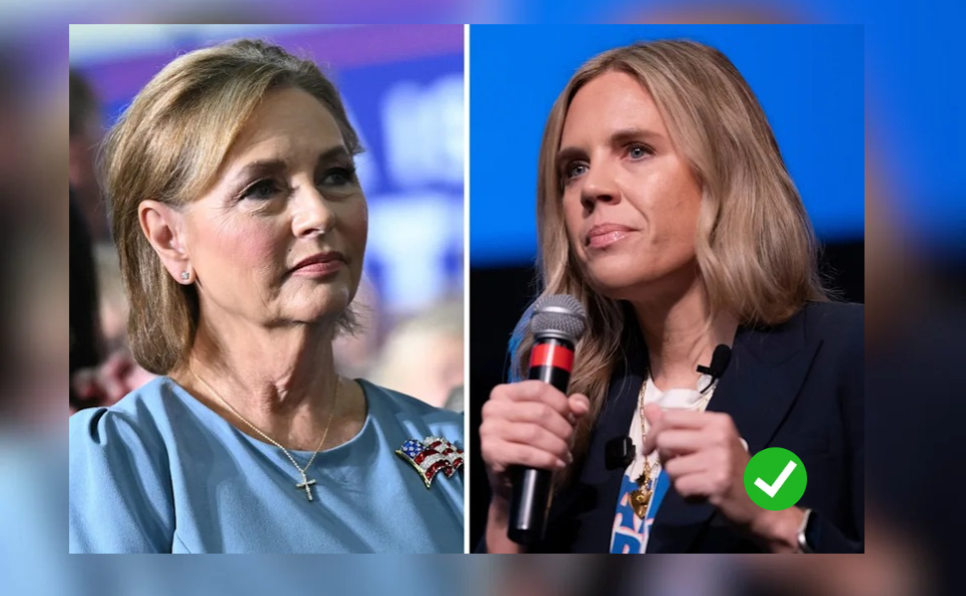
Dr. Annie Andrews has been declared South Carolina’s next U.S. senator, becoming the first Democrat in 28 years to win the statewide office.
When The Associated Press called the race at 10:40 p.m., the Lowcountry pediatrician had 50.6% of the votes over appointed Sen. Darline Graham.
Andrews accomplished what many thought impossible a few months ago, as she took the majority of votes even in counties normally deeply red.
She was slated to face 24-year incumbent Lindsey Graham until he died July 11 from a ruptured aorta at age 71, resulting in a GOP sprint to replace him on the ballot.
As Alan Wilson, the GOP nominee for governor, put it last Thursday, “No one had that on their bingo card when they began 2026.”
The late senator’s younger sister, Darline Graham, was appointed to the seat as an expected placeholder. She jumped into the special GOP primary to replace him on the ballot with the encouragement and endorsement of President Donald Trump.
That ultimately helped Andrews’ arguments that she alone was the candidate willing to buck Washington. It also ignited a GOP feud.
Graham emerged the winner in August of a 10-way contest, thanks partly to a Trump rally ahead of the runoff. But her nomination angered many Republicans — particularly supporters of U.S. Rep. Ralph Norman, who have long criticized Lindsey Graham as not conservative enough and saw this as their chance to elect a hardline Freedom Caucus Republican.
Andrews played into that frustration, likening Graham’s win to Trump handpicking a successor who will answer to him instead of South Carolinians. She invited Republicans to join her in a rejection of the Washington “swamp,” echoing Trump’s “drain the swamp” slogan.
“This Senate seat belongs to South Carolina. It does not belong to one family,” Andrews said at a rally in Columbia on Oct. 16.
And supporters of Norman, who tripled down on his refusal to campaign with Graham, encouraged upset conservatives to write his name on the ballot, indirectly helping Andrews. His son, Warren Norman, publicly endorsed her.
Andrews also focused on the pocketbook issues that are causing Trump’s support to sag even in South Carolina — where he won by 18 percentage points two years ago.
A pediatrician, she traveled the state talking about making healthcare more accessible and affordable, and ending the war in Iran to bring gas prices down.
Republicans painted her as a radical liberal, pointing to her previous advocacy at the Statehouse over transgender issues and her own social media posts as proof. They also pointed to her work over the last two years for the nation’s largest gun safety group to warn she wanted to ban guns and take them away.
But the allegations didn’t stick. She pledged to work for South Carolinians and stand up to her own party when she disagreed.
“I don’t know what’s so radical about thinking every county in South Carolina should have an OB-GYN or thinking that hardworking South Carolina families shouldn’t have to worry about putting food on the table, paying for their prescription drugs, and that if you’re sick in South Carolina, that you should be able to afford to see a doctor and be able to find a doctor in your community,” she told reporters last month when asked to respond to Trump’s accusations. “I don’t know what’s so radical about all that.”
With polls showing an increasingly tight contest, some as a statistical tie, Trump returned to South Carolina twice in the last two weeks to boost her support.
“I got you into this thing,” Trump said to her from the stage in Rock Hill last Thursday.
Before her brother’s death, Graham worked 30 years in state government. For the last seven, she led the state’s Commission for the Blind.
Both Andrews and Graham’s fellow Republicans criticized her throughout the campaign for her lack of political experience.
During the only runoff debate with Norman, she flubbed a foreign policy question. Asked whether Taiwan is a national security issue for the United States, Graham blanked, eventually acknowledging that “national security is not my thing, not my area of expertise.”
She said she’s not a polished politician and was just being honest. Critics on the left and right called it evidence that she’s woefully unprepared.
Andrews brought up the flub during their only debate last month.
Amid the infighting, other Republican nominees stepped up calls for unity in the last few weeks. Others joining Graham on the campaign trail recently to convince wary conservatives included former state Rep. Adam Morgan of Greenville. The founding chair of the uber-conservative Freedom Caucus in the Statehouse, which Norman helped launch in 2022, was also Norman’s running mate in his unsuccessful bid for governor earlier this year.
Graham also signaled to her brother’s critics on the right that she’s more conservative than him.
“On border security, I love my brother dearly. I love Lindsey,” she said on stage in Rock Hill. “But when it comes to illegal immigration. I take a tougher stance. If you come here illegally, you have to go.”
Many conservatives still faulted Lindsey Graham for his work in the bipartisan “Gang of Eight” and the failed effort in 2013 to overhaul America’s immigration laws, which gave him the nickname Grahamnesty.
Flipping that around, Darline Graham said Andrews supports amnesty.
Republicans painted Andrews as a radical liberal, while Graham would have Trump’s back.
For Democrats in South Carolina, the accusations coming from Republicans about Andrews only increased their enthusiasm.
Mari Shari of North Charleston said her response to the many ads calling Andrews “radically left” was “oh, that sounds good to me.”
“We need change,” said the 49-year-old accountant. “I just want a strong middle class and for everyone to be treated fairly.”
This is a developing story. Check back for updates.
Dr. Annie Andrews has been declared South Carolina’s next U.S. senator, becoming the first Democrat in 28 years to win the statewide office.
When The Associated Press called the race at 10:40 p.m., the Lowcountry pediatrician had 50.6% of the votes over appointed Sen. Darline Graham.
Andrews accomplished what many thought impossible a few months ago, as she took the majority of votes even in counties normally deeply red.
She was slated to face 24-year incumbent U.S. Lindsey Graham until he died July 11 from a ruptured aorta at age 71, resulting in a GOP sprint to replace him on the ballot.
As Alan Wilson, the GOP nominee for governor, put it last Thursday, “No one had that on their bingo card when they began 2026.”
The late senator’s younger sister, Darline Graham, was appointed to the seat as an expected placeholder. She jumped into the special GOP primary to replace him on the ballot with the encouragement and endorsement of President Donald Trump.
That ultimately helped Andrews’ arguments that she alone was the candidate willing to buck Washington. It also ignited a GOP feud.
Graham emerged the winner in August of a 10-way contest, thanks partly to a Trump rally ahead of the runoff. But her nomination angered many Republicans — particularly supporters of U.S. Rep. Ralph Norman, who have long criticized Lindsey Graham as not conservative enough and saw this as their chance to elect a hardline Freedom Caucus Republican.
Andrews played into that frustration, likening Graham’s win to Trump handpicking a successor who will answer to him instead of South Carolinians. She invited Republicans to join her in a rejection of the Washington “swamp,” echoing Trump’s “drain the swamp” slogan.
“This Senate seat belongs to South Carolina. It does not belong to one family,” Andrews said at a rally in Columbia on Oct. 16.
And supporters of Norman, who tripled down on his refusal to campaign with Graham, encouraged upset conservatives to write his name on the ballot, indirectly helping Andrews. His son, Warren Norman, publicly endorsed her.
Andrews also focused on the pocketbook issues that are causing Trump’s support to sag even in South Carolina — where he won by 18 percentage points two years ago.
A pediatrician, she traveled the state talking about making healthcare more accessible and affordable, and ending the war in Iran to bring gas prices down.
Republicans painted her as a radical liberal, pointing to her previous advocacy at the Statehouse over transgender issues and her own social media posts as proof. They also pointed to her work over the last two years for the nation’s largest gun safety group to warn she wanted to ban guns and take them away.
But the allegations didn’t stick. She pledged to work for South Carolinians and stand up to her own party when she disagreed.
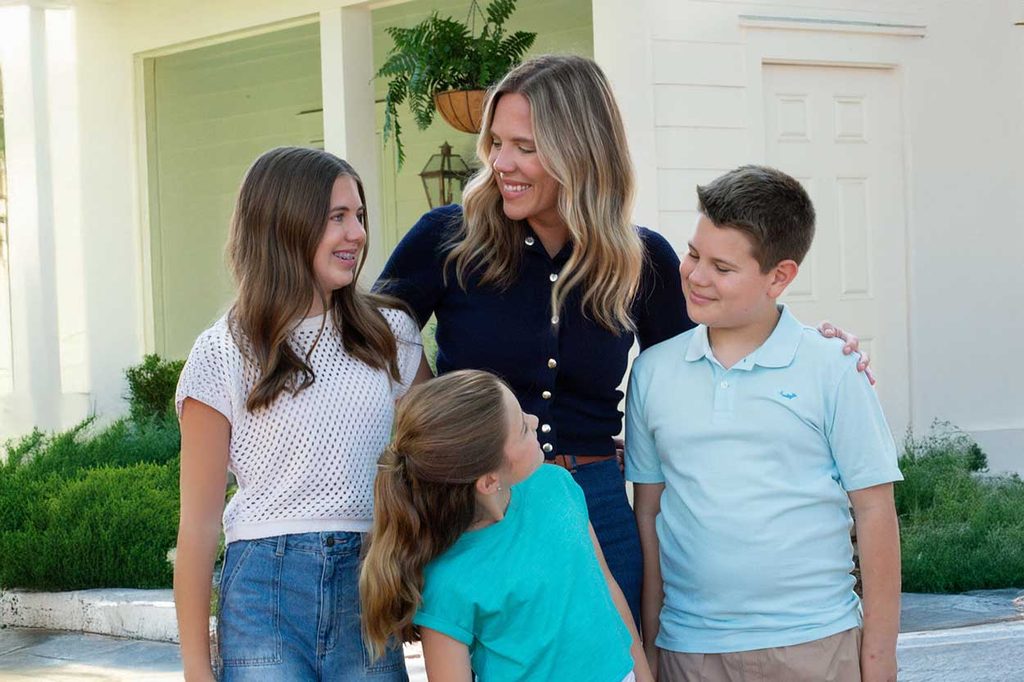
“I don’t know what’s so radical about thinking every county in South Carolina should have an OB-GYN or thinking that hardworking South Carolina families shouldn’t have to worry about putting food on the table, paying for their prescription drugs, and that if you’re sick in South Carolina, that you should be able to afford to see a doctor and be able to find a doctor in your community,” she told reporters last month when asked to respond to Trump’s accusations. “I don’t know what’s so radical about all that.”
With polls showing an increasingly tight contest, some as a statistical tie, Trump returned to South Carolina twice in the last two weeks to boost her support.
“I got you into this thing,” Trump said to her from the stage in Rock Hill last Thursday.
Before her brother’s death, Graham worked 30 years in state government. For the last seven, she led the state’s Commission for the Blind.
Both Andrews and Graham’s fellow Republicans criticized her throughout the campaign for her lack of political experience.
During the only runoff debate with Norman, she flubbed a foreign policy question. Asked whether Taiwan is a national security issue for the United States, Graham blanked, eventually acknowledging that “national security is not my thing, not my area of expertise.”
She said she’s not a polished politician and was just being honest. Critics on the left and right called it evidence that she’s woefully unprepared.
Andrews brought up the flub during their only debate last month.
Amid the infighting, other Republican nominees stepped up calls for unity in the last few weeks. Others joining Graham on the campaign trail recently to convince wary conservatives included former state Rep. Adam Morgan of Greenville. The founding chair of the uber-conservative Freedom Caucus in the Statehouse, which Norman helped launch in 2022, was also Norman’s running mate in his unsuccessful bid for governor earlier this year.
Graham also signaled to her brother’s critics on the right that she’s more conservative than him.
“On border security, I love my brother dearly. I love Lindsey,” she said on stage in Rock Hill. “But when it comes to illegal immigration. I take a tougher stance. If you come here illegally, you have to go.”
Many conservatives still faulted Lindsey Graham for his work in the bipartisan “Gang of Eight” and the failed effort in 2013 to overhaul America’s immigration laws, which gave him the nickname Grahamnesty.
Flipping that around, Darline Graham said Andrews supports amnesty.
Republicans painted Andrews as a radical liberal, while Graham would have Trump’s back.
For Democrats in South Carolina, the accusations coming from Republicans about Andrews only increased their enthusiasm.
Mari Shari of North Charleston said her response to the many ads calling Andrews “radically left” was “oh, that sounds good to me.”
“We need change,” said the 49-year-old accountant. “I just want a strong middle class and for everyone to be treated fairly.”
SC Daily Gazette is part of States Newsroom, a nonprofit news network supported by grants and a coalition of donors as a 501c(3) public charity. SC Daily Gazette maintains editorial independence. Contact Editor Seanna Adcox for questions: info@scdailygazette.com.
This is a developing story. Check back for updates.