
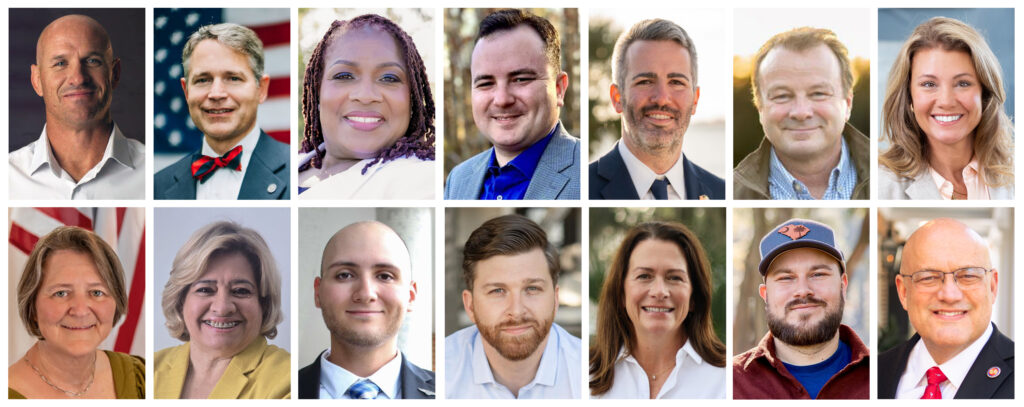
Candidates share concerns over affordability, growth; divided sharply on immigration, climate policy, insurance reform
By Delayna Earley
The Island News
As voters prepare for South Carolina’s June 9 primary election, candidates seeking to represent the state’s 1st Congressional District largely agree on the challenges facing the Lowcountry but differ sharply on how to address them.
The race has drawn a crowded field of Republican and Democratic candidates seeking to succeed U.S. Rep. Nancy Mace, who is running for governor rather than reelection to Congress.
The Island News distributed a questionnaire to candidates appearing on the Republican and Democratic primary ballots, asking them to address issues including affordability, growth, infrastructure, flooding, homeowners insurance, immigration, federal spending and congressional redistricting.
Affordability emerges as dominant concern
While candidates often disagreed on policy solutions, there was broad agreement that affordability has become one of the Lowcountry’s biggest challenges.
Candidates from both parties pointed to rising housing costs, insurance premiums, grocery prices, healthcare expenses and traffic-related impacts tied to rapid growth throughout the district.
Republican candidate Jay Byars, a member of Dorchester County Council, argued that affordability has become one of the defining issues facing residents.
“The American Dream needs to be affordable again,” Byars wrote while discussing housing costs and homeownership opportunities for younger generations.
Democratic candidate Matthew Fulmer took a different approach, arguing that broader economic and political systems are contributing to affordability challenges.
“America is designed to advance the people who are already furthest ahead at the expense of everyone behind them,” Fulmer wrote, identifying the influence of money in politics as a root cause of many economic concerns.
Beaufort County Councilman Logan Cunningham also pointed to affordability tied to growth, saying families are being squeezed by rising housing costs, insurance premiums, traffic, taxes and everyday expenses while infrastructure struggles to keep pace.
Alex Pelbath, a Mount Pleasant pilot and Air Force veteran, similarly identified infrastructure and cost of living as the district’s top concerns, arguing that growth, taxation and inadequate planning have contributed to affordability challenges.
Other candidates, including Cindy Wagers Riley, Mac Deford, Mayra Rivera-Vázquez, Mark Smith and Francina Dantzler, similarly identified affordability and cost-of-living concerns among the district’s most pressing issues.
Immigration remains a major dividing line
Immigration and border security produced some of the clearest differences among candidates.
Republican candidates generally called for stronger border security and increased immigration enforcement.
“We need to secure the border,” Cunningham wrote, advocating for stronger enforcement, additional border patrol resources and expanded use of technology.
Pelbath voiced support for President Donald Trump’s immigration policies and continued deportation efforts by Immigration and Customs Enforcement, arguing that “every state is now a border state.”
Daniel Brown called for Congress to codify the Remain in Mexico policy, while Wagers Riley advocated for increased border security staffing and enforcement efforts. Byars argued illegal immigration has contributed to affordability pressures by increasing demand for housing and services.
Democratic candidates generally paired support for border security with broader immigration reforms.
Deford called for a system that is “secure, humane, fair and efficient,” while Rivera-Vázquez advocated for comprehensive immigration reform alongside enforcement measures.
Max Diaz offered perhaps the most distinct position among respondents, arguing that Immigration and Customs Enforcement should be dismantled and certain responsibilities reassigned to other agencies.
“We can have both, and we should demand both,” Deford wrote of balancing border security with immigration reform.
Climate change and flooding draw contrasting responses
Candidates also differed significantly on the role climate change should play in addressing coastal flooding, resiliency and infrastructure challenges.
Several Democratic candidates explicitly connected Lowcountry flooding and rising insurance costs to climate change.
“We have to recognize man-made climate change is real,” Fulmer wrote while advocating for investments in renewable energy and climate-focused infrastructure projects.
Diaz similarly identified climate change as one of the district’s most significant long-term challenges and called for a rapid transition away from fossil fuels.
Republican candidates generally focused on infrastructure improvements, flood mitigation and resiliency projects without emphasizing climate policy.
Charleston County Council member Jenny Costa Honeycutt highlighted flood mitigation, stormwater infrastructure, drainage improvements and beach renourishment projects as priorities.
Cunningham, Mark Smith, Sam McCown and Wagers Riley also emphasized drainage improvements, flood-control projects, infrastructure investments and reducing federal permitting delays.
Despite differing approaches, candidates across the political spectrum generally agreed that coastal communities need additional resources to address flooding and infrastructure concerns associated with continued growth.
Insurance crisis prompts varied solutions
Rising homeowners insurance premiums, a growing concern throughout Beaufort County and the coastal region, generated a wide range of responses.
Several candidates called for reforms to federal insurance programs.
“The National Flood Insurance Program is broken,” Deford wrote while advocating reforms to FEMA’s Risk Rating 2.0 system and additional assistance for homeowners facing rising costs.
Rivera-Vázquez supported capping annual premium increases and expanding affordability assistance, while Fulmer argued for stronger state or federally backed insurance and reinsurance programs.
Republican candidates generally focused on reducing risk through mitigation projects and market-based reforms.
Honeycutt emphasized increasing competition among insurers and reducing risk through infrastructure improvements. Wagers Riley called for greater transparency and competition in insurance markets, while Cunningham advocated for additional flood mitigation projects and reforms to FEMA and federal flood insurance programs.
Byars suggested Congress should explore “creating a federal backstop to help with catastrophic losses” while also considering additional market reforms. Pelbath proposed allowing homeowners to deduct a portion of their insurance costs from their federal tax bills.
Spending and debt divide candidates
Federal spending, inflation and the national debt also emerged as recurring themes throughout the questionnaire.
Several Republican candidates, including Brown, McCown, Byars, Pelbath and Smith, linked rising costs to federal spending and mounting national debt, arguing that Congress must exercise greater fiscal restraint.
McCown described affordability as being worsened by what he called Washington’s “reckless spending,” while Brown identified the nation’s debt as one of the country’s most significant long-term challenges.
Democratic candidates were generally more likely to focus on housing affordability, healthcare costs, wages and economic inequality, while supporting targeted federal investments to address local challenges.
Infrastructure and economic growth remain shared priorities
One issue that generated significant agreement among candidates was infrastructure.
Candidates from both parties pointed to traffic congestion, flooding concerns and growth-related infrastructure challenges throughout the district.
Several specifically referenced the U.S. 278 corridor, Highway 170, evacuation routes, bridge improvements and drainage projects as priorities.
Cunningham highlighted improvements to U.S. 278, Highway 170, U.S. 21, Highway 46 and key evacuation routes. Deford pointed to the U.S. 278 and S.C. 170 corridors as critical transportation needs, while Pelbath argued the district’s military installations and port infrastructure justify additional federal investment in Lowcountry roads and bridges.
Candidates also frequently referenced the importance of protecting the district’s military installations, tourism industry and environmental resources. While they differed on the appropriate balance between economic growth and environmental protections, most agreed those sectors remain critical to the Lowcountry’s future.
“I do not care who gets credit if the people get results,” Cunningham wrote when discussing bipartisan cooperation and infrastructure priorities.
While candidates offered differing visions for the district’s future, most agreed the Lowcountry faces significant challenges tied to affordability, growth, infrastructure and quality of life.
Democratic candidates
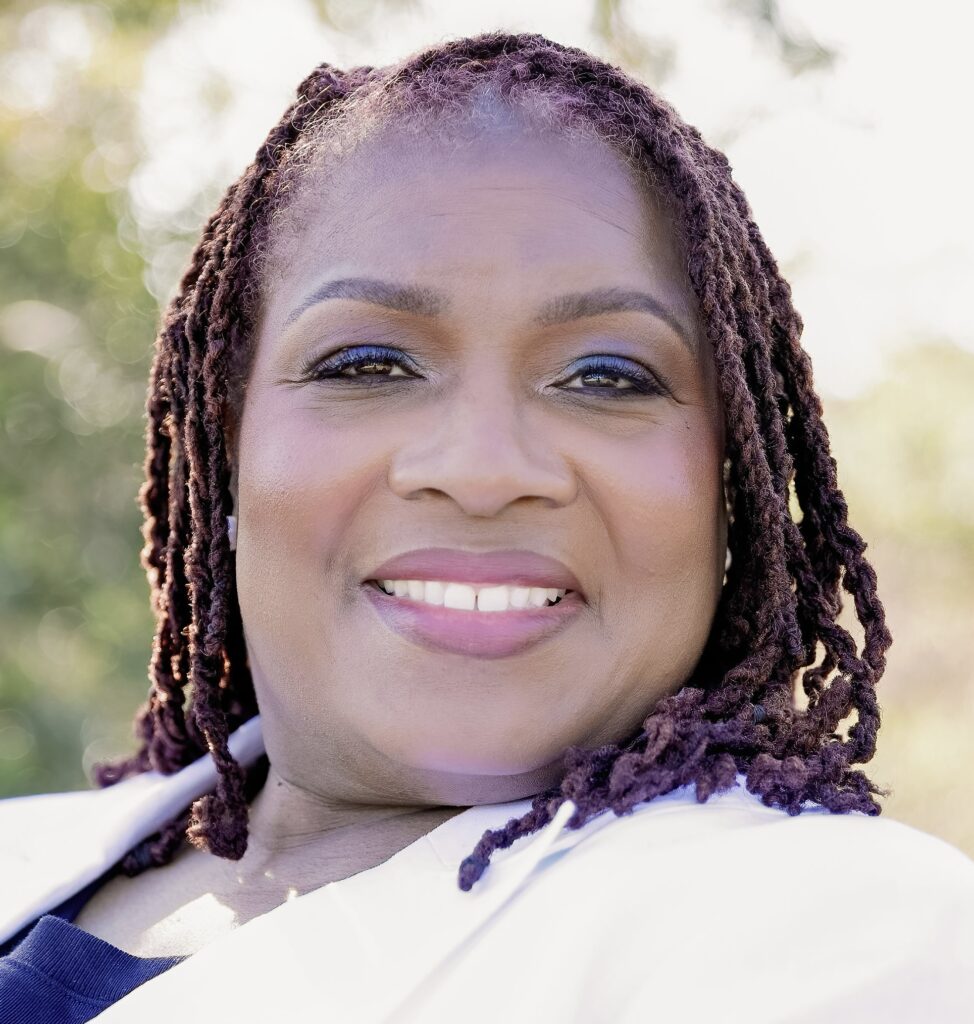
Francina Dantzler
Francina Dantzler is a Bluffton resident, retired educator and former school administrator. She holds degrees from South Carolina State University and the University of South Carolina and has worked as a school counselor, principal and superintendent. Dantzler says her campaign centers on affordability, education and putting people first.
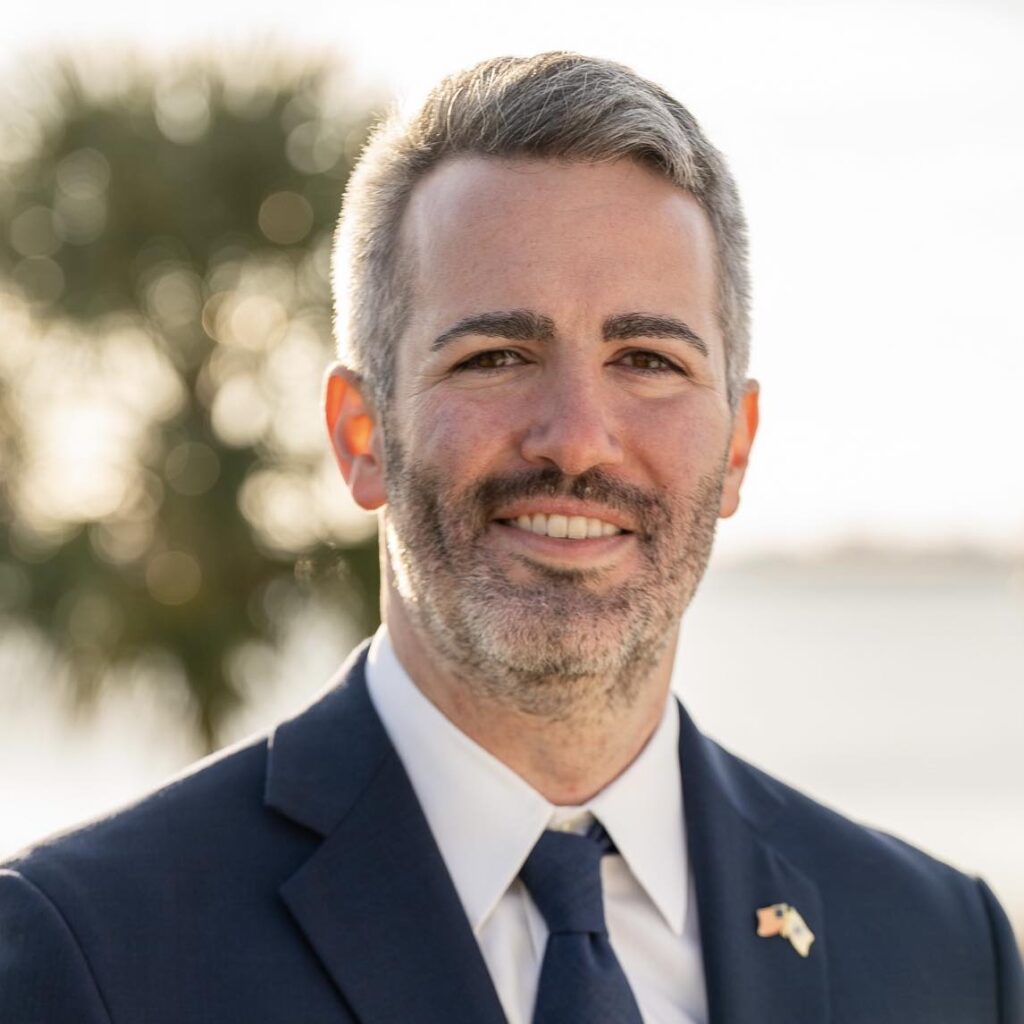
Mac Deford
Mac Deford is an attorney, veteran and former local government attorney from Mount Pleasant. A graduate of The Citadel, Charleston School of Law and the University of North Carolina at Chapel Hill, Deford previously served as general counsel for the Town of Hilton Head Island. He says his experience in local government, coastal resilience and public service has prepared him to represent the Lowcountry in Congress.
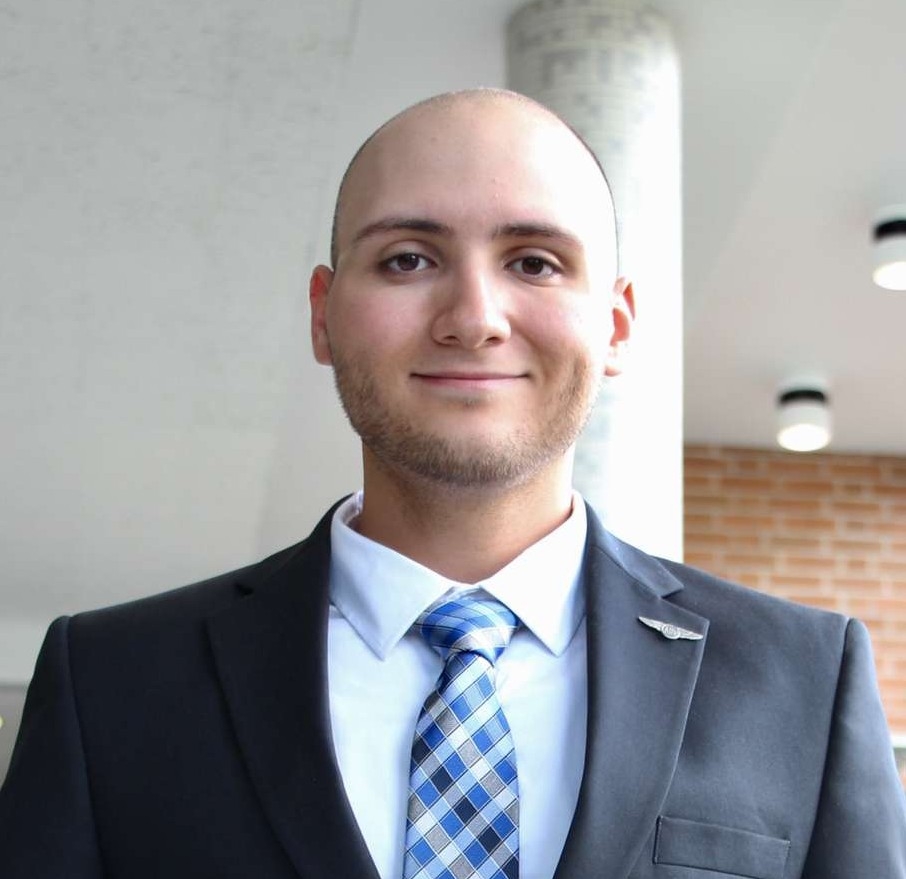
Max Diaz
Max Diaz is an aircraft mechanic from Hanahan employed by Allied Aviation. He holds an associate degree in aviation maintenance technology from Trident Technical College and a bachelor’s degree in aviation technologies from Southern Illinois University. Diaz says he is running to advocate for working people and address issues such as housing affordability and climate change.
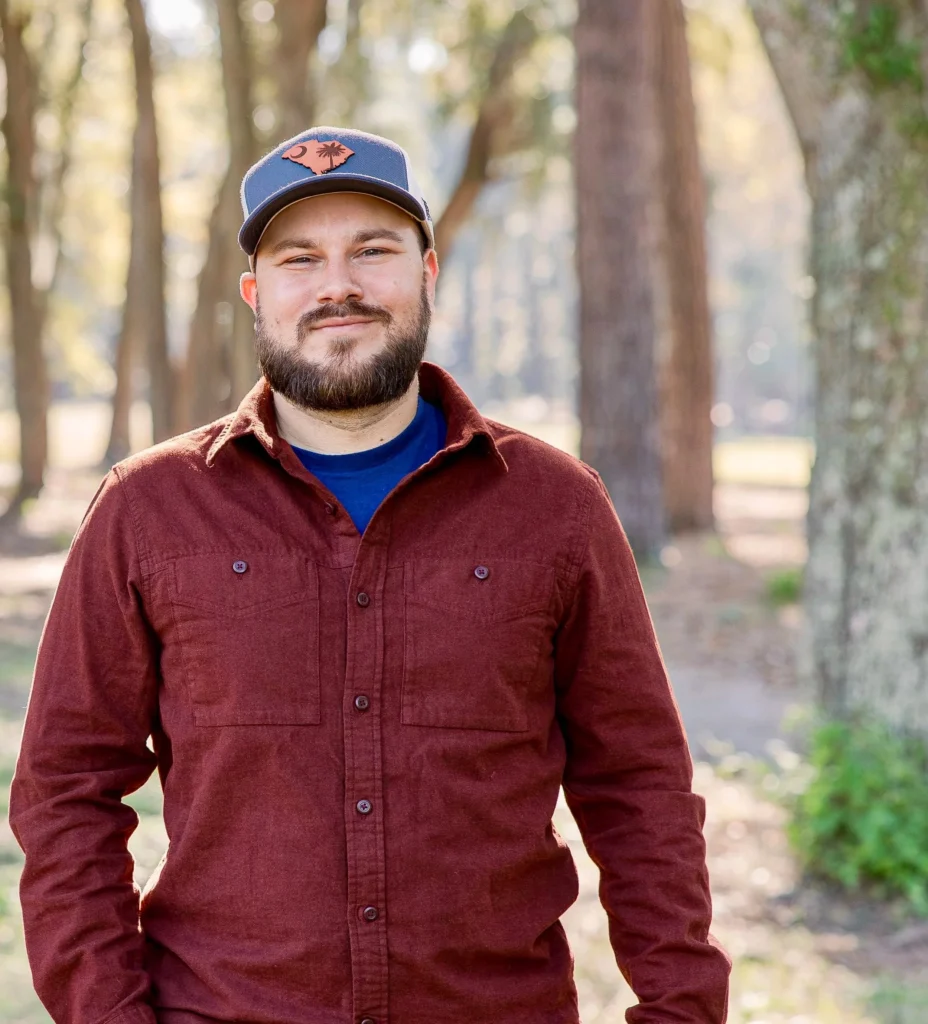
Matthew Fulmer
Matthew Fulmer is a Hilton Head Island resident who works in the hospitality industry as a bartender and waiter. He holds a degree in economics from the University of South Carolina and has been active in local political and community discussions. Fulmer says his campaign focuses on affordability, economic opportunity and reducing the influence of money in politics.
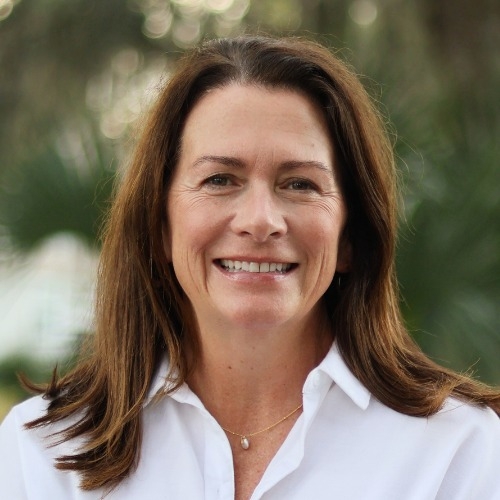
Nancy Lacore
Nancy Lacore is a retired military officer and public servant who has emphasized affordability, government accountability and support for working families throughout her campaign. Drawing on her military and public service experience, Lacore says she is focused on practical solutions to the challenges facing Lowcountry residents.
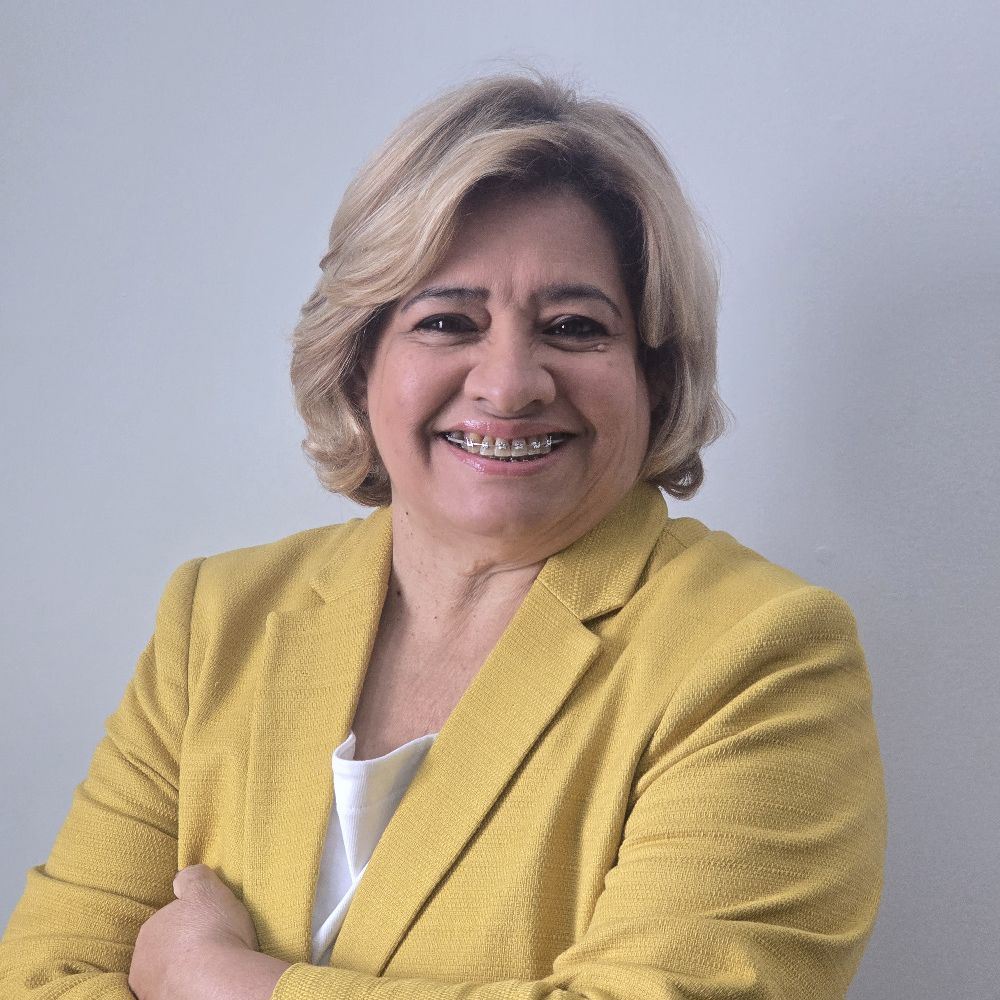
Mayra Rivera-Vázquez
Mayra Rivera-Vázquez is a retired attorney, community organizer and Democratic Party leader from Bluffton. Originally from Caguas, Puerto Rico, she has served in leadership positions with both the South Carolina Democratic Party and the Beaufort County Democratic Party. Rivera-Vázquez says her experiences as a mother, military spouse, attorney and advocate have shaped her commitment to healthcare, affordability, education and community service.
Democratic questionnaire responses
The following responses were submitted to The Island News by candidates seeking the Democratic nomination for South Carolina’s 1st Congressional District. Responses have been edited only for grammar, spelling and Associated Press style where necessary. The substance and intent of each candidate’s answers has been preserved.
Democrat Ben Frasier did not respond to the questionnaire.
1. What do you believe is the single biggest issue currently facing residents of South Carolina’s 1st Congressional District?
Dantzler: I believe the biggest issue for this area is the high cost of living. Salaries and wages are not aligned with the cost of living in the 1st Congressional District. According to Lowcountry Workforce Development, the median salary in the area is $74,871 to $90,000 annually. This must change if our communities are to remain the best place to live, work, retire and vacation, especially now that we are impacted by inflation. I believe the starting salary should be at least $125,000 per year due to soaring costs in our area. Salaries that are appropriate for the area will help with recruiting the best candidates for positions and help with investing in the community through home purchases and small-business development. I would advocate for additional monetary resources from Washington to support this initiative in our communities.
Deford: The cost of living. Homeowners insurance premiums have doubled or tripled for families across this district. Workforce housing is out of reach for teachers, nurses and the people who make this community run. Groceries, utilities and childcare all cost more, and wages have not kept up. Washington has been too focused on partisan warfare to actually help working families. I’ve spent 16 years here working on exactly these problems at the local level, and I’m running to bring that same problem-solving approach to Congress.
Diaz: In terms of residents’ immediate needs, it’s the cost of housing, but overall, it’s climate change, as is the case everywhere else.
Fulmer: The influence of money in politics. We can’t be a democracy when politicians care more about their donors than their voters.
America’s inadequate campaign finance restrictions, combined with snowballing wealth inequality, are creating a government by and for the richest people on Earth. Most of us couldn’t get a senator on the phone, but the world’s richest man spent more than $280 million electing candidates of his choice in the 2024 elections and still had hundreds of billions left over. This is how the wealthiest Americans, corporations and foreign lobbies build an America that works for them at our expense, from tax codes to regulations to government contracts and subsidies. This is why we’re living in an era of rampant market monopolization, environmental destruction and neglect of the most vulnerable Americans. This is why the political establishment focuses more on culture wars than building an economy that empowers every person.
We have to move to a public-financing model for elections, either with block grants for qualifying candidates or a matching-funds system for small donations. We should overturn Citizens United and create mechanisms to restrain independent expenditures in campaign financing, such as a graduated tax or outright limitations on contributions to Super PACs.
Lacore: The skyrocketing cost of living is the biggest issue facing SC-01 residents, and it’s something I hear about everywhere I go on the campaign trail. People do not feel financially stable right now, and the cost of groceries, housing and healthcare are only increasing. People are working hard, doing everything right, and still struggling to get ahead as the costs of groceries, housing, healthcare and everyday necessities continue to rise.
This issue impacts my own family. When my husband Pat and I bought our first home, we were 27 years old. Today, the average first-time homebuyer is over 40. That should concern all of us. Families should not have to choose between putting food on the table, paying their bills and getting the healthcare they need. In Congress, my top priority will be lowering costs, expanding housing access and affordability, and making sure hardworking families have a fair shot at building a stable future here in the Lowcountry.
Rivera-Vázquez: The biggest issue facing residents of South Carolina’s 1st Congressional District is the cost of living and the growing struggle simply to make ends meet. Across the Lowcountry, families are being squeezed by rising grocery prices, high gas prices, expensive housing and the increasing cost of healthcare, while wages are not keeping up. Too many people are working full time, especially in hospitality, tourism and service industries that are critical to our local economy, and still cannot afford basic rent, put food on the table or fill up their gas tank to get to work.
I hear from working families, seniors, veterans and young people every day who feel like they are doing everything right but still falling behind. In one of the fastest-growing regions in South Carolina, too many residents are being priced out of the communities they helped build. We need leadership focused on lowering costs for working families, raising wages, protecting Social Security and Medicare, expanding affordable healthcare, investing in affordable housing and creating an economy where people can not only survive, but thrive.
2. Coastal communities in the Lowcountry continue to face rapid growth, rising insurance costs, flooding and infrastructure strain. What federal policies or funding priorities would you advocate for to address those issues?
Dantzler: I would advocate for concurrency ordinances and impact fees. Developers in our communities should be required to follow concurrency ordinances. According to the Conservation Voters website, developers would prove that needed infrastructure such as schools, sewer systems and roads are already in place and will not be negatively impacted by new development. Charleston is the only location in the district that currently has developers paying fees to help offset the costs of expansion, sewer system upgrades and local traffic improvements. In my opinion, this should be a mandate for all communities in the 1st District. Impact fees are one-time fees developers pay to offset public development costs. These fees would ensure that district residents are not footing the bill for new developments.
Deford: Four things: smarter flood insurance, serious infrastructure investment, protection of our wetlands and local solutions funded at the federal level.
The National Flood Insurance Program is broken. Risk Rating 2.0 has pushed premiums beyond what families can absorb, and Congress must act. I’d push for means-tested assistance so working families aren’t priced out of their homes and communities.
On infrastructure, we need federal investment in stormwater systems, living shorelines and resilient road networks. The Hilton Head Beach Renourishment Project I worked on as town attorney showed me what federal-local partnerships can accomplish when done right. I want to bring more of that to this district.
Our wetlands are not just an environmental asset. They are our first line of defense against flooding, our nursery for the fisheries that drive our economy and the foundation of the Lowcountry’s identity. Congress needs to restore and strengthen wetland protections that have been eroded in recent years, including the rollbacks that followed Sackett v. EPA. Protecting wetlands is flood control. It is economic development. It is common sense.
Rapid growth also requires planning. Congress should fund regional infrastructure coordination, not just react after the damage is done.
Diaz: The single most important thing we must do is transition the national and global economy away from fossil fuels as soon as possible to stop global warming and sea level rise. It is also necessary to secure funding for infrastructure projects that provide flood mitigation and to establish protected areas for natural ecosystems like tidal marshes that provide vital natural flood mitigation.
Fulmer: Climate change is a reality, and our infrastructure needs to reflect that reality. Rising insurance costs, flooding and infrastructure strain are all connected to environmental challenges and rapid growth. We need major investments in renewable energy, modernized infrastructure and environmental protections that reduce long-term risks while supporting sustainable economic growth. We should also invest in restoring natural ecosystems that absorb carbon and help protect coastal communities from flooding and storm impacts.
Lacore: Coastal communities are on the front lines of climate change, and we need a proactive approach to protect our homes, businesses and environment. I support increasing federal investments in flood mitigation, drainage improvements, resilient infrastructure and coastal restoration projects. We must also protect and expand natural barriers such as wetlands and marshes that help reduce flooding and storm damage. These investments not only protect communities but also strengthen our economy and quality of life.
Rivera-Vázquez: Homeowners across coastal South Carolina are being squeezed by rising insurance costs, and Congress must address the factors driving those increases. We need greater federal investment through FEMA, HUD and the Army Corps of Engineers in stormwater infrastructure, drainage improvements, marsh restoration and resilient construction projects that reduce risk before disasters happen.
I also support expanding federal grants and tax credits for homeowners and local governments to harden homes, improve drainage systems and strengthen infrastructure against flooding and hurricanes. These investments save money in the long run, protect families and help stabilize insurance costs.
At the same time, we need greater transparency and accountability in insurance pricing to ensure consumers are treated fairly. We should also support affordable housing initiatives and smart-growth policies that allow communities to grow responsibly without increasing vulnerability to flooding and climate-related risks.
If we want the Lowcountry to remain a place where people can live, work and raise a family, we must invest now in resilience, affordability and infrastructure that can withstand the challenges ahead.
3. Homeowners insurance premiums continue to rise sharply across coastal South Carolina. What specific federal actions, if any, do you believe Congress should take to address the insurance crisis?
Dantzler: I believe that the federal government should collaborate with homeowners insurance companies to develop fair homeowners insurance premiums that help homeowners and are not focused solely on profit. The premium that the homeowner pays should be used to cover damage and upkeep to homes. Homeowners should not have to pay additional funds if they already have homeowners insurance. If elected to the 1st Congressional District seat, I would seek additional resources for disaster relief and explore reducing insurance costs for homeowners who have not filed claims through the National Flood Insurance Program within the last seven to 10 years.
Deford: Congress needs to reform NFIP from the ground up. That means restructuring Risk Rating 2.0 with income-based premium assistance so that long-term residents and working families aren’t forced out by rate spikes they had no hand in creating. It means reauthorizing the program with real stability so homeowners and lenders can plan.
Beyond flood insurance, Congress should push for a federal reinsurance backstop to stabilize the private homeowners insurance market in high-risk coastal states. South Carolina cannot become a place where insurers pull out and families are left holding the bag. I’ve seen what this does to real families and real communities.
Diaz: I am a proponent of public emergency relief funds over private insurance solutions. A private insurance company’s first priority is to make money. It is a system that will never put us or our needs first.
Fulmer: The most obvious cause of rising insurance costs is the increasing frequency and severity of natural disasters due to climate change. We need to address those root causes while ensuring that families are not priced out of their homes. Insurance should function as a public service rather than a mechanism for maximizing profits. I support exploring stronger public insurance and reinsurance programs that can provide stability and affordability for homeowners in coastal communities.
Lacore: Insurance costs are rising because the risks are rising. We need to invest in flood mitigation, resilient infrastructure and coastal protection projects that reduce those risks. Federal investments in these areas can help lower long-term costs for insurers and homeowners alike. We also need to ensure that homeowners have access to affordable coverage so they can continue living and working in the communities they call home.
Rivera-Vázquez: Congress should modernize and strengthen the National Flood Insurance Program while making coverage more affordable and accessible for homeowners. I support capping annual premium increases, expanding affordability assistance for low- and middle-income families, and addressing the program’s long-term debt so costs are not unfairly passed on to policyholders.
We also need greater transparency in how rates are calculated under FEMA’s Risk Rating 2.0 system to ensure homeowners are treated fairly. Beyond insurance reform, Congress should invest in resilient infrastructure, flood mitigation and affordable housing initiatives that reduce risk and help stabilize premiums over time.
No family should be forced out of their home because insurance costs have become unaffordable.
4. Beaufort County and other Lowcountry communities continue to struggle with traffic congestion and infrastructure needs tied to rapid population growth. What transportation or infrastructure projects would you prioritize for the district?
Dantzler: First, I would like to have a traffic congestion and infrastructure study done. Once this is done, share the information with the communities. A committee would develop to address these issues. Beaufort County currently has a transportation committee that is developing plans on how to decrease traffic congestion in certain areas of the county. The information gathered during their study was submitted to County Council about the next steps to take to reduce traffic. I would champion transportation projects that decrease the likelihood of accidents, such as having four-lane roads instead of two-lane roads.
Next, an infrastructure study in the 1st Congressional District would be done to determine if plumbing, sewers, roads and electrical systems are up to code and in place to handle additional projects. Quality and infrastructure factors should determine whether additional homes and buildings should be built or whether zoning restrictions should be implemented.
Deford: The SC-170 and U.S. 278 corridors need serious federal attention. The Hilton Head Island and Bluffton areas are choking on growth without adequate alternative routes or transit options. I’d prioritize federal Transportation Investment Generating Economic Recovery grants and INFRA funding targeted at multimodal solutions, not just more lanes.
I’d also fight to make sure the Lowcountry is not shortchanged in how South Carolina distributes federal infrastructure dollars. Too often, rural and coastal communities lose out to population centers in the Midlands and Upstate. This district generates enormous federal tax revenue through military installations, tourism and the Port of Charleston. We deserve a congressman who will make sure that investment flows back here.
Diaz: The most effective thing we could do is build commuter rail systems between major commuter areas to establish capacity and then pressure state and local legislators to implement zoning and development that will actually allow for the effective use of the new transit option.
Fulmer: Housing affordability is one of the district’s most pressing infrastructure challenges. One of the biggest contributors is the concentration of residential property ownership among large investors and private equity firms. I support a graduated tax structure on residential property ownership that increases as ownership concentration rises. This would discourage speculative investment, increase housing availability and help reduce both home prices and rents for working families.
Lacore: The U.S. 278 corridor is one of the most critical transportation issues facing our region. Traffic congestion continues to worsen, creating safety concerns and making hurricane evacuations more difficult. Any improvements must balance transportation needs with environmental protection and community concerns. I will work with local leaders to secure federal resources for infrastructure improvements that improve safety, mobility and quality of life while preserving what makes the Lowcountry special.
Rivera-Vázquez: I would prioritize federal investments in roads, bridges, drainage systems, stormwater infrastructure and flood mitigation projects throughout the Lowcountry. We need transportation improvements that reduce congestion while making communities safer and more resilient.
I also support expanding public transportation options, improving evacuation routes and strengthening regional planning efforts so infrastructure keeps pace with growth. Broadband expansion, port infrastructure improvements and investments that support affordable housing development should also be priorities.
Growth is coming whether we plan for it or not. The question is whether we build infrastructure that supports current residents while preparing for the future. I believe we must invest in projects that are sustainable, resilient and affordable while ensuring that longtime residents are not left behind.
5. Immigration and border security remain major national issues. What changes, if any, would you support regarding federal immigration policy and border enforcement?
Dantzler: I would advocate for ensuring that all immigrants are treated as human beings and not as labels. As a retired educator, I worked with students and families from various backgrounds, and I know they want a better life. I believe America has enough resources to help those who are less fortunate, no matter how they identify themselves.
I believe children who are born in America are citizens. I believe the Constitution, as it was written, was intended to ensure citizenship for formerly enslaved people and their descendants. While that is true, it is also true that people from other races and cultures can use that same Constitution to seek citizenship in America.
If people from other countries would like to move to America and become citizens, I believe that shows America is doing something right. People see that America is a great nation and want better living conditions, better education and better healthcare.
I would advocate that ICE treat immigrants with dignity and respect during arrests and while they are being housed. I would also like locations such as schools, churches and workplaces to remain off limits for immigration enforcement actions. Once visitors are arrested, they should continue to be treated as human beings.
I believe placing people in cages or warehouses is inhumane. Since the government knows people cross the border illegally, why not create shelters with quality restrooms and bedrooms where they can stay while their cases are being processed?
Deford: We need a border that is secure and a system that is humane, fair and efficient. Right now, we have neither, and Congress has failed to act for decades while both parties use the issue for fundraising.
I support robust border security, including technology-forward enforcement and sufficient staffing at ports of entry. A secure border and a humane immigration system are not in conflict. We can have both.
That means fixing the legal immigration backlog that leaves families separated for years through no fault of their own. It means keeping families together rather than using family separation as a deterrent. It means protecting people who have been here for decades, built lives, paid taxes and raised children who are American citizens.
The Lowcountry’s hospitality, agriculture and construction sectors depend on workers who show up every day and contribute to this community. A functional immigration system respects that contribution. It does not criminalize it.
I’ll work across the aisle to get real reform done because the status quo serves no one except politicians who prefer the issue to a solution.
Diaz: As a whole, our federal immigration enforcement apparatus has become deeply inhumane and requires a thorough overhaul.
ICE, in particular, is now a personal police force, with a budget equivalent to other first-world militaries, that has developed a culture of moral and institutional rot. It should be disbanded, and any essential duties delegated to other, more accountable law enforcement agencies.
Fulmer: Immigration is one of the most politically divisive issues in America, but much of the debate ignores the reality that our economy depends on immigrant labor. We need a secure border and an orderly immigration system, but we also need a realistic pathway for people who are already contributing to our communities and economy.
We should streamline legal immigration, reduce unnecessary barriers and ensure that enforcement efforts respect human dignity and constitutional rights. Our immigration system should reflect both our economic needs and our values as a nation.
Lacore: We need comprehensive immigration reform that secures our borders while treating people with dignity and respect. I support investments in modern border security technology, improved staffing and more efficient processing systems. We must also address the legal immigration backlog and create a system that is fair, orderly and reflective of America’s values.
Border security and immigration reform are not mutually exclusive. We can strengthen our borders while also ensuring that families, workers and asylum seekers are treated humanely throughout the process.
Rivera-Vázquez: We need an immigration system that is secure, orderly, humane and reflective of our values as a nation. Border security matters, and the federal government has a responsibility to maintain safe and effective borders. At the same time, we must recognize that immigration has always been a source of strength for our country.
I support investments in modern border technology, improved staffing and more efficient processing systems so we can manage migration effectively. We must also fix our broken immigration system by reducing backlogs, creating legal pathways for workers and families, and providing a fair process for those seeking asylum.
We can uphold the law while still treating people with dignity and respect. Those goals are not mutually exclusive. America is strongest when we combine security with compassion and common sense.
6. Congress remains deeply divided politically, and many voters say they are frustrated with gridlock in Washington. How would you approach bipartisan cooperation while still advancing your political priorities?
Dantzler: I would develop a good working rapport with other political parties and try to focus on what we have in common. We are Americans, and we both want what is best for America. I would compromise on topics that will not negatively impact our communities.
If there are policies that I know would benefit the 1st Congressional District that were initiated by Republicans, I would support them. In my opinion, it is not about who brought the policy forward but how it impacts the community. I believe actions like this would help decrease gridlock in Washington.
In addition, I would serve on committees that have bipartisan members. This should help decrease tensions between the two parties.
Lastly, I would refrain from publicly criticizing members of either party, the president or members of the cabinet. In my opinion, that encourages discord between the parties.
Deford: I’ve spent my entire career doing it. As a local government attorney, I worked for conservative-leaning councils and conservative-led towns. We didn’t ask people’s party registration before we fixed drainage or negotiated contracts. We solved problems.
On Hilton Head Island, I helped deliver the town’s first affordable housing project, 157 units for working families, working alongside a conservative-leaning town council that cared more about results than ideology. That is what real governing looks like. You find the shared interest, build the coalition and get it done.
I’ll bring that same approach to Congress. I’ll work with anyone who wants to lower insurance costs, invest in coastal infrastructure or protect our military installations. What I won’t do is compromise on the basic interests of this district for the sake of getting along. Bipartisanship means solving problems together. It doesn’t mean surrendering.
Voters are right to be frustrated with gridlock. The answer is electing people who have actually done the hard work of governing across differences, not people who are new to public life and learning on the job.
Diaz: I would work to find solutions on any given issue with someone who has the good of the people in mind and oppose anyone who doesn’t. That’s about the best any decent person in a highly corrupt institution can do, I suppose.
Fulmer: I think we often overstate the ideological differences between ordinary Americans. Most people want the same basic things: affordable healthcare, economic opportunity, safe communities and a government that works. The problem is that our political system rewards conflict more than cooperation.
I would approach bipartisan cooperation by focusing on shared goals and practical solutions. That doesn’t mean abandoning my principles, but it does mean recognizing that progress often requires building coalitions and finding common ground. The people who sent us to Washington expect results, not endless partisan fights.
Lacore: My career has taught me that the best solutions often come from bringing people together around common goals. I will always stand up for my values, but I also recognize that no party has a monopoly on good ideas.
I will work with anyone, regardless of party, who is willing to lower costs, improve infrastructure, support military families and strengthen our communities. Bipartisanship is not about compromising your values. It is about finding practical ways to solve problems and deliver results for the people you represent.
Rivera-Vázquez: I believe most Americans are tired of political theater and want leaders who focus on solving problems. My approach to bipartisan cooperation would start with listening, building relationships and focusing on issues that directly impact the people we serve.
I am willing to work with anyone, regardless of political party, if it means lowering costs, improving healthcare, supporting veterans, strengthening public education or creating economic opportunities for working families. At the same time, I will not compromise on core values such as protecting democracy, defending civil rights and ensuring fairness for all people.
Bipartisanship does not mean giving up your principles. It means finding common ground where it exists and putting people ahead of politics. That is the kind of leadership I would bring to Congress.
7. Federal spending, inflation and the national debt continue to be major concerns for many voters. What specific areas of federal spending would you support reducing, maintaining or increasing?
Dantzler: To reduce inflation, I would advocate for reducing government spending and ensuring taxes are paid fairly. In Forbes (2026), billionaire Amazon founder Jeff Bezos stated that lower-income earners should not pay federal taxes and that he would advocate for tax cuts. That was refreshing to read. I would increase taxes based on income level. I would maintain spending by staying within a budget for government expenditures.
Deford: Let’s start with tax reform. The wealthiest Americans and the largest corporations have benefited from decades of tax policy that shifted the burden onto working families. Restoring fair tax rates at the top and closing loopholes that allow profitable companies to pay nothing are not radical ideas. They are common sense, and they are how you put the federal budget on a more sustainable footing without cutting the programs people depend on.
On defense, I support strong funding for our military and our veterans. But I also support accountability. Congress has an obligation to ask hard questions about how defense dollars are spent and to demand that they are spent well. Strength and fiscal responsibility are not in conflict.
I’d maintain and, in some cases, increase investment in coastal resilience, NFIP reform, workforce housing and the infrastructure that drives economic growth in this district. These are not handouts. They are foundational investments that make private-sector growth possible.
On Social Security and Medicare, I will not cut benefits. Period. The answer to long-term solvency is lifting the payroll tax cap so the wealthy pay the same rate working families do, not gutting the programs millions of Americans have earned over a lifetime of work.
The debt is real and the concern is legitimate. But the way to address it is through accountability, fair taxation and smarter spending, not by taking away earned benefits from people who worked their whole lives for them.
Diaz: In addition to reducing the amount of money we spend on corporate subsidies and handouts, we need to reduce the practically unlimited amount of money we pour into the maw of the military-industrial complex every year. The Pentagon has never passed an audit or shown itself to be accountable for the amount of money it spends in my entire lifetime.
Fulmer: We spend too much money subsidizing corporations and not enough investing in people. I would support reducing corporate welfare, unnecessary subsidies and wasteful spending that benefits special interests rather than ordinary Americans.
At the same time, I would increase investments in healthcare, education, infrastructure and housing because those investments strengthen communities and create long-term economic growth. We should also ensure that the wealthiest Americans and largest corporations pay their fair share in taxes so that working families are not carrying a disproportionate burden.
Lacore: We need to be fiscally responsible while protecting the programs and services that Americans rely on. I would support reducing waste, fraud and abuse throughout the federal government while maintaining commitments to Social Security, Medicare, veterans services and national defense.
We should also invest in infrastructure, workforce development and economic opportunities that help families succeed and strengthen our long-term economy. Responsible budgeting requires both accountability and strategic investments in our future.
Rivera-Vázquez: We need a balanced approach that addresses the national debt responsibly without abandoning working families, seniors or veterans.
I would support reducing wasteful spending, closing tax loopholes that benefit large corporations and wealthy individuals, and improving government efficiency. At the same time, I believe we must protect and strengthen Social Security, Medicare and veterans benefits because these programs represent promises made to people who have earned them.
I would support increased investments in affordable housing, public education, healthcare access, infrastructure and workforce development because these investments create opportunity and strengthen our economy over the long term.
Fiscal responsibility is important, but it should not come at the expense of working families who are already struggling with rising costs. We need an economy that works for everyone, not just those at the top.
8. South Carolina lawmakers and voters continue to debate congressional redistricting and concerns about partisan gerrymandering. What is your position on how congressional districts should be drawn?
Dantzler: I believe that South Carolina should follow the laws of the U.S. Supreme Court. Given that South Carolina has already started elections, I would prefer that redistricting happen during a non-election cycle. If redistricting passes, it will require South Carolinians to vote three times during an election year. If redistricting passes, I will support it.
One of the legislators in South Carolina stated that “this state is the most gerrymandered,” and he did not want to redraw the maps. I want legislators to create fair maps that show balanced representation of South Carolinians, socioeconomic status and political views. The maps should reflect a balance of our communities throughout South Carolina.
Deford: Gerrymandering is corruption. It is politicians choosing their voters instead of voters choosing their politicians, and it is rotting the foundation of our democracy. I oppose it without qualification, and I will fight to ban it.
The attempt by South Carolina House and Senate Republicans to redraw congressional maps mid-cycle, after votes had already been cast, was an attack on the integrity of this very election. I said so plainly, and I will keep saying it.
But we cannot just play defense. Congress needs to act before the next redistricting cycle begins. The 2030 census will trigger a new round of map-drawing across the country, and without federal action we will see the same partisan manipulation we have seen for decades, just with better software and bigger budgets behind it. I will push for federal legislation banning partisan gerrymandering and establishing independent redistricting commissions with transparent, enforceable criteria in place before 2030. Contiguous, compact districts. Full Voting Rights Act compliance. Real community input. No back rooms.
The Supreme Court has largely walked away from this fight. Congress has to pick it up. The Gullah Geechee communities in this district, the coastal communities and military families deserve representation that reflects who they actually are. I will go to Washington and fight to make that the law of the land.
Diaz: Instituting ranked-choice voting would reduce the influence of gerrymandering and open the door for independent voices and third parties. Additionally, if we kept our current system, I would support requiring that redistricting occur only in the year following a census and be conducted by independent redistricting commissions. However, I am in favor of multi-member districts, which would practically eliminate the ability to gerrymander.
Fulmer: Congressional districts should be drawn by independent commissions using transparent criteria rather than by politicians with a vested interest in the outcome. Voters should choose their representatives, not the other way around. Fair maps strengthen public trust, improve accountability and encourage elected officials to be more responsive to the people they serve rather than partisan interests.
Lacore: Congressional districts should be drawn fairly, transparently and in a way that reflects the communities they represent. Voters should choose their elected officials, not elected officials choosing their voters through manipulated district boundaries.
I support independent redistricting processes that prioritize communities of interest, geographic continuity and fairness. Restoring trust in our democratic institutions requires ensuring that every voter has a meaningful voice in the electoral process.
Rivera-Vázquez: Congressional districts should be drawn fairly, transparently and with the goal of ensuring that every voter has an equal voice. I believe voters should choose their representatives, not the other way around.
I support independent redistricting commissions that use clear, nonpartisan criteria and meaningful public input to draw district lines. Communities should be kept together whenever possible, and maps should reflect real neighborhoods and shared interests rather than political advantage.
Partisan gerrymandering undermines public trust and weakens our democracy. Fair representation is essential to ensuring that elected officials remain accountable to the people they serve.
9. The Lowcountry economy depends heavily on tourism, military installations and environmental resources. How should Congress balance economic growth with environmental protection in coastal communities?
Dantzler: In the Lowcountry, we are fortunate to have Joint Base Charleston, which generates approximately $12.7 billion annually in state and local revenue, and the Beaufort-area military installations, which generate between $2.2 billion and $2.5 billion annually. Tourism also contributes significantly to our economy. Charleston’s tourism industry brings in an estimated $14.35 billion annually and nearly 8 million visitors, while Beaufort County tourism generates approximately $1.4 billion and attracts about 2 million visitors each year.
Balancing the economy and the environment is essential to maintaining the area’s natural beauty and reducing flooding. The Lowcountry relies on nonprofit organizations such as Lowcountry Land Trust, Coastal Conservation League, Port Royal Sound Foundation and the South Carolina Environmental Law Center to ensure conservation remains a priority. I would continue supporting the work these organizations do to protect natural resources, defend wetlands and preserve the health of local waterways while allowing the Lowcountry to continue generating revenue through tourism and economic development. If elected, I would continue working with these organizations to ensure the Lowcountry remains both economically successful and environmentally sustainable.
Deford: They are not in conflict. They are the same thing. The ACE Basin, the marshes, the beaches and the waterways are not obstacles to the Lowcountry economy. They are the Lowcountry economy. Destroying them destroys tourism, fisheries, real estate values and the quality of life that makes this place worth fighting for.
I’ve lived that truth for 16 years. I worked on coastal resilience and beach renourishment on Hilton Head Island. I’ve worked with Gullah Geechee communities whose heritage and livelihoods are tied directly to the land and water. When I talk about protecting this environment, I’m talking about protecting real people and real livelihoods, not an abstraction.
That’s why I’ve raised serious concerns about the proposed data center development near the ACE Basin in Colleton County. Any project of that scale near wetlands of national significance requires rigorous environmental review, full Army Corps of Engineers scrutiny and genuine community input. The people of this district deserve a congressman who will demand that process.
I know who I’ll be listening to when these decisions are made: the people who live here, work here and depend on these waters and wetlands to make their lives.
Diaz: It all comes down to the careful and responsible management of our land-use footprint. Pristine, protected coastal ecosystems are significant draws for both tourism and settlement, which creates as much economic opportunity as it does risk for those delicate ecosystems.
Fulmer: Economic growth and environmental protection are not mutually exclusive. In fact, the Lowcountry’s economy depends on healthy natural resources. Tourism, fishing, recreation and even property values are tied directly to the quality of our environment.
We need policies that encourage sustainable development, protect wetlands and waterways, and invest in renewable energy and climate resilience. Protecting the environment is not an obstacle to economic growth. It is one of the best investments we can make in the long-term prosperity of our communities.
Lacore: The Lowcountry’s environment is one of our greatest economic assets. Our waterways, beaches, marshes and natural beauty drive tourism, support military readiness and help attract businesses and families to the region.
We do not have to choose between economic growth and environmental protection. We can have both through smart planning, responsible development and investments in conservation and resilience. Protecting our natural resources is essential to maintaining the quality of life and economic strength that make this district unique.
Rivera-Vázquez: The Lowcountry’s economy and environment are deeply connected. Our beaches, marshes, waterways and natural landscapes are not only part of our identity, they are also major economic drivers that support tourism, military readiness, commercial fishing, small businesses and property values.
I reject the false choice between economic growth and environmental protection. We can and must do both. That means investing in resilient infrastructure, protecting wetlands and coastal ecosystems, supporting clean energy innovation and ensuring development is planned responsibly.
Protecting our environment is not just about conservation. It is about protecting jobs, strengthening local economies and preserving the quality of life that makes the Lowcountry such a special place to live, work and visit.
10. Why are you the best candidate to represent South Carolina’s 1st Congressional District in Congress?
Dantzler: I have lived in the Lowcountry for approximately 20 years, and I understand the importance of economic development and environmental protection in our communities. I will continue advocating for policies that improve the quality of life for residents while ensuring our communities remain strong places to live, work, retire and raise families.
As a retired educator, school counselor, principal and superintendent, I have spent my career helping people solve problems and improve their lives. I am running to put people first and ensure that the voices of everyday citizens are heard in Washington. I believe my experience in education, leadership and community service has prepared me to represent the people of South Carolina’s 1st Congressional District.
Deford: Because I have a proven track record of getting things done for real people in this community, and I can point to the results.
The 157-unit affordable housing development I fought for on Hilton Head Island will give our nurses, teachers and firefighters a real shot at living in the community they serve. That matters to me. Those are the people who make the Lowcountry work, and they deserve to be able to afford to stay here.
The flood mitigation and beach renourishment projects I worked on have had real impacts. They are protecting people’s homes, property values and the coastline that anchors this entire regional economy. When a family doesn’t have to gut their house after a storm, that’s a result. That’s what I’m here to deliver.
The work I’ve done with Gullah Geechee communities to protect heirs’ property means real families get to hold onto land that has been in their families for generations.
I am not running to be a talking head on cable news. I’m running to do the work. This district deserves someone who understands the challenges we face because they’ve spent years working on them, not someone looking for a political stepping stone.
Diaz: We need people who understand the struggles of the working class firsthand and will not betray their constituents’ trust. I am running not for any form of personal gain, but because I want to live in a world where I can walk out my door, look at my neighbors and reasonably assume they’re doing all right and are not being plagued by issues like climate change or an unaffordable cost of living.
Fulmer: I am not a career politician, wealthy donor or political insider. I am someone who has experienced many of the same challenges facing the people of this district. I understand what it is like to worry about housing costs, healthcare expenses and economic uncertainty because I have lived those realities.
I am running because I believe government should work for ordinary people, not just the wealthy and well-connected. My campaign is focused on affordability, economic opportunity, campaign finance reform and building a future where everyone has a fair chance to succeed. I believe that perspective is needed in Washington.
Lacore: I am the best candidate because I have spent my life serving others. My military service taught me leadership, accountability and the importance of putting mission before self. Those lessons continue to guide me today.
I understand the challenges facing Lowcountry families because I hear about them every day. I am committed to lowering costs, improving access to affordable housing, supporting military families and protecting the values that make our communities strong.
I will always put the people of this district first, and I will work every day to earn their trust through honesty, transparency and results.
Rivera-Vázquez: I believe I am the best candidate to represent South Carolina’s 1st Congressional District because my life experiences reflect the experiences of so many people in our communities. I am a mother, a grandmother, a retired attorney, a military spouse, a community advocate and someone who has spent decades fighting for working families.
I understand what it means to work hard, overcome challenges and serve others. Throughout my life, I have stood up for people who felt unheard or overlooked, and I will bring that same commitment to Congress.
I am not running to represent special interests or political insiders. I am running to represent the people of this district. My focus will always be on improving the lives of working families, protecting healthcare and retirement security, strengthening public education, supporting veterans and building a stronger economy for everyone.
The people of the Lowcountry deserve a representative who will listen, lead and fight for them every day. That is exactly what I intend to do.
Republican candidates
Daniel Brown
Daniel Brown is a Bluffton resident who works as a client financial services manager at Land Rover Hilton Head. A graduate of Bluffton High School and Furman University, Brown previously spent five years working on Capitol Hill and in policy research before returning to the Lowcountry. He is seeking his first elected office and says his campaign is focused on affordability, fiscal responsibility and conservative leadership.
Jay Byars
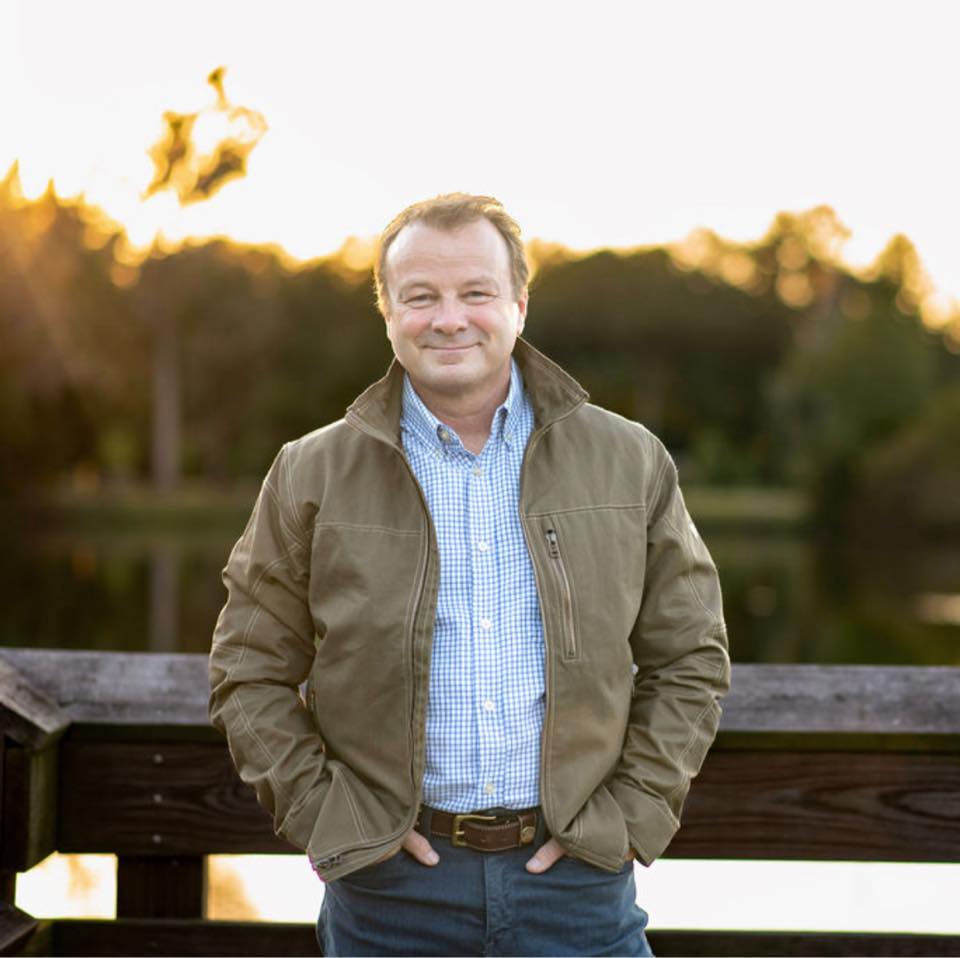
Jay Byars is a mortgage banker, small business owner and longtime member of Dorchester County Council. He has represented District 2 on county council since 2011 and holds degrees from Clemson University and the University of Georgia. Byars says his experience in local government has prepared him to advocate for Lowcountry communities facing rapid growth, infrastructure needs and rising costs.
Logan Cunningham
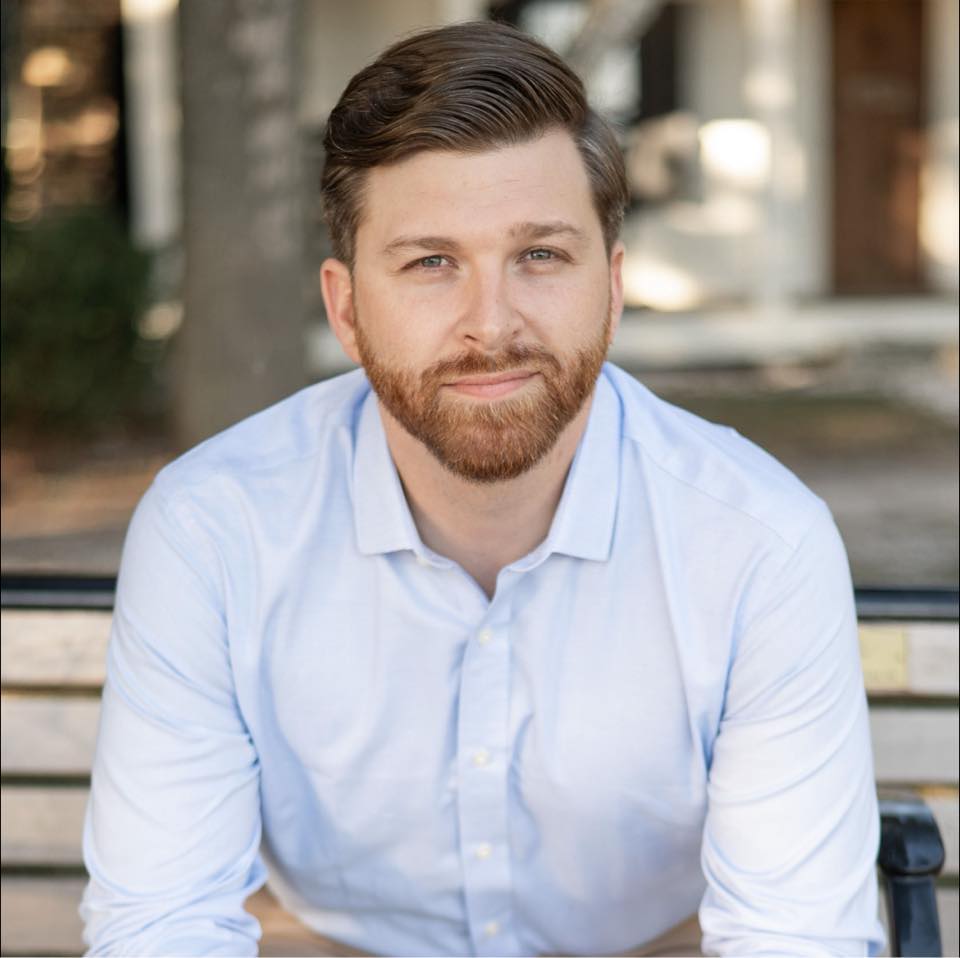
Logan Cunningham is a Bluffton resident, general manager of Station 300 and a member of Beaufort County Council. Originally from Fort Wayne, Indiana, he has lived in South Carolina for 28 years and holds a bachelor’s degree in elementary education. Cunningham’s campaign focuses on affordability, infrastructure, flooding and growth-related challenges facing the Lowcountry.

Jenny Costa Honeycutt
Jenny Costa Honeycutt is an attorney and member of Charleston County Council. A lifelong Lowcountry resident, she earned degrees from Meredith College and the University of South Carolina School of Law and has spent much of her public service career focused on transportation, infrastructure and growth issues. Honeycutt says she is running to provide conservative leadership focused on service and local priorities.
Sam McCown
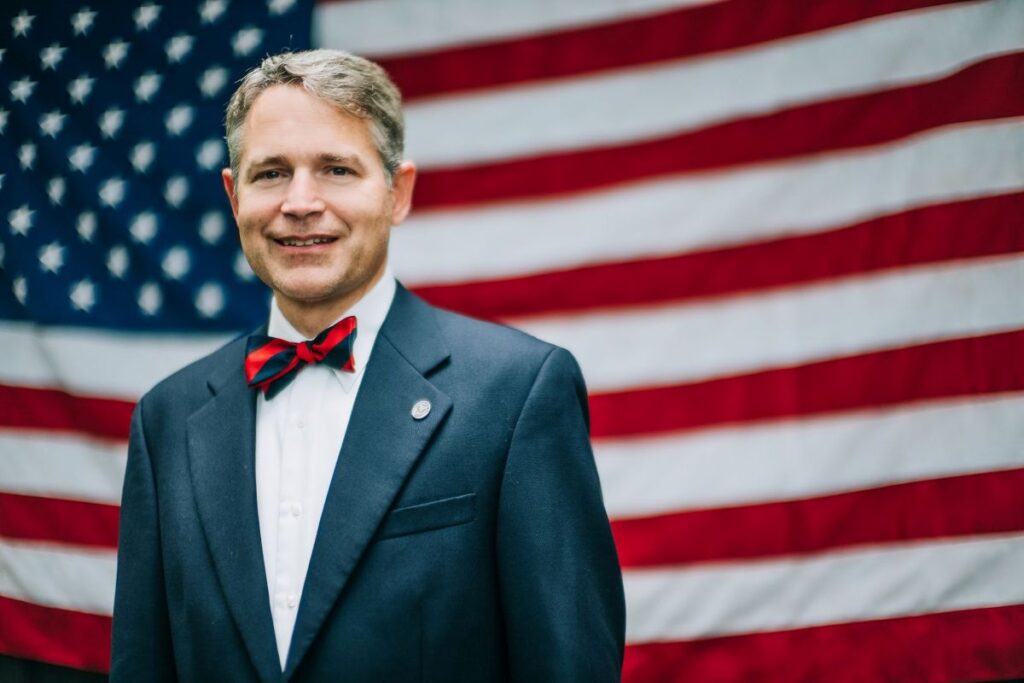
Dr. Sam McCown is a physician, businessman and entrepreneur who lives on Daniel Island. A graduate of Clemson University and the Medical University of South Carolina, McCown has worked in medicine, healthcare administration, construction, finance and real estate. He is making his first run for elected office and says he wants to bring private-sector experience and fiscal discipline to Congress.
Alex Pelbath
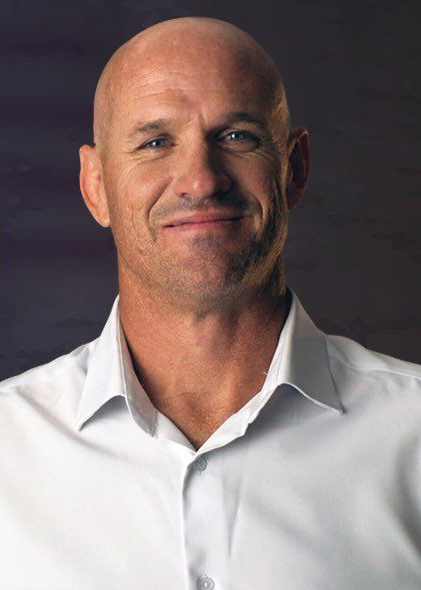
Alex Pelbath is a Mount Pleasant resident, airline pilot and Air Force veteran. A graduate of the United States Air Force Academy, Pelbath served in the military before transitioning to a career in aviation. He says his experience in national security, transportation and federal policy provides a practical perspective on issues facing the district.
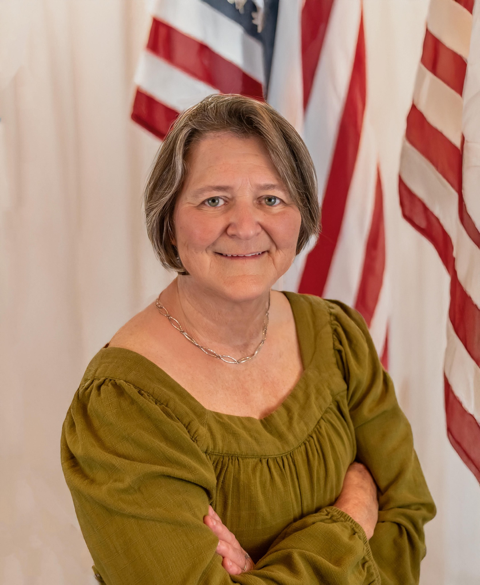
Cindy Wagers Riley
Cindy Wagers Riley is an advanced practice psychiatric nurse from Pinopolis with decades of experience in healthcare and mental health services. She earned degrees from the University of South Carolina and Vanderbilt University and has worked extensively with patients and families throughout South Carolina. Riley says she is focused on addressing affordability, healthcare access and infrastructure concerns facing district residents.
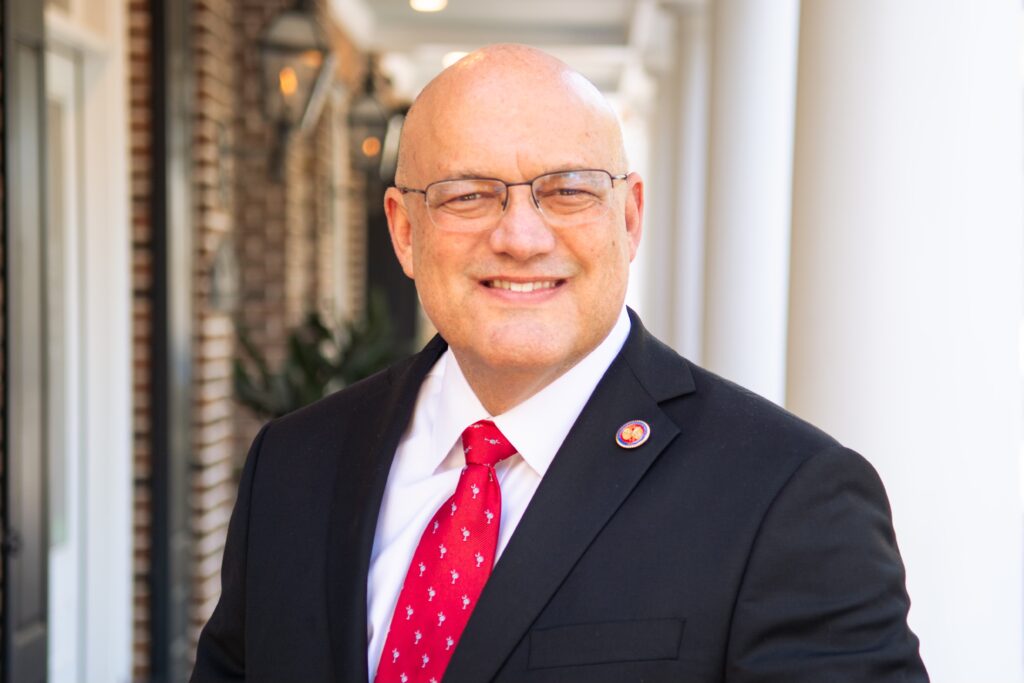
Mark Smith
Mark Smith is a funeral home owner, former Mount Pleasant Town Council member and former member of the South Carolina House of Representatives. A fourth-generation South Carolinian, Smith has spent much of his career as a small business owner and public servant. He says his campaign is focused on preserving the Lowcountry’s quality of life, strengthening the economy and protecting opportunities for future generations.
Republican questionnaire responses
The following responses were submitted to The Island News by candidates seeking the Republican nomination for South Carolina’s 1st Congressional District. Responses have been edited only for grammar, spelling and Associated Press style where necessary. The substance and intent of each candidate’s answers has been preserved.
Candidates Tyler Dykes and Kendal Ludden did not respond to the questionnaire.
1. What do you believe is the single biggest issue currently facing residents of South Carolina’s 1st Congressional District?
Brown: As I am writing this, the United States national debt sits just north of $39 trillion. To put that into perspective, if every American consumed nothing, ate nothing, purchased nothing and spent no money whatsoever while still producing as much as we currently are, and all of that money were directed at the national debt, we would still have debt after a year. It is the largest crisis of our time, and politicians on both sides of the aisle find it politically convenient to kick the can down the road for the next generation. The bill will eventually come due, and we need to elect a leader who will make the hard choices to reverse the follies of the past and tackle our debt crisis. We cannot allow our country to be forced into austerity measures like Argentina and Greece in recent years.
Byars: A combination of growth pressures, a lack of infrastructure funding from the state and federal government for four decades, and the American affordability crisis that must be tackled. As a mortgage banker, I have seen affordability challenges firsthand for families, especially young people, become increasingly difficult over the last decade. We have to get the debt paid down and pass national legislation that removes institutional investor ownership of single-family residences across America. The American Dream needs to be affordable again.
Cunningham: The biggest issue facing the 1st District is affordability tied directly to growth. Families are being squeezed by rising housing costs, insurance premiums, traffic, taxes and the everyday cost of living. The Lowcountry is growing fast, but infrastructure, workforce housing, drainage and public services have not kept pace.
We need a representative who understands this is not just a talking point. It is what people are living every day. My focus will be on lowering costs, protecting our communities and making sure federal dollars come back home to solve real problems here in the Lowcountry.
Costa Honeycutt: Affordability is the single biggest issue facing residents of South Carolina’s 1st Congressional District. Families are paying more for groceries, gas, housing, insurance and utilities while wages struggle to keep pace. Inflation, excessive federal spending and burdensome regulations have made it harder for families and small businesses to thrive. We need policies that lower costs, expand economic opportunity and allow South Carolinians to keep more of what they earn.
McCown: The biggest issue is affordability made worse by our debt crisis. Families are being squeezed by the rising cost of groceries, housing, healthcare, insurance, energy and everyday necessities. Career politicians and Washington’s reckless spending and regulatory overreach have helped fuel inflation and made it harder for working families, seniors and small businesses to get ahead. The federal government spends roughly $2 trillion more per year than it takes in. If we do not fix this soon, inflation and debt will continue threatening the financial security of American families.
Pelbath: Infrastructure and cost of living. We live in a state with higher taxes than any other state in the Southeast, yet we continue to struggle with fixing our roads, managing growth and keeping the Lowcountry lifestyle affordable. These issues are all connected. The cost of living continues to rise because of excessive taxation, poor planning and government policies that have failed to keep pace with growth.
Wagers Riley: I believe the single biggest issue facing residents of South Carolina’s 1st Congressional District is the rising cost of living driven by explosive population growth that infrastructure and housing have not kept pace with. Rapid growth has contributed to soaring home prices, higher rents, worsening traffic congestion, rising insurance costs and increasing strain on public services. Many residents feel the region is becoming harder to afford even as the economy continues to grow.
Smith: I believe the biggest issue facing the 1st District is preserving our quality of life while managing rapid growth responsibly. Families are feeling pressure from rising costs, overcrowded roads, higher insurance premiums and infrastructure that has not kept pace with the number of people moving to our area. At the same time, many residents are concerned about protecting the character of the Lowcountry, supporting local businesses and ensuring future generations can still afford to live and work here. Washington needs to be a partner in helping our communities grow responsibly, not burdening them with more regulations and inflationary spending that make these challenges worse.
2. Coastal communities in the Lowcountry continue to face rapid growth, rising insurance costs, flooding and infrastructure strain. What federal policies or funding priorities would you advocate for to address those issues?
Brown: Unfortunately, the federal government does not have more money to spend without furthering our national debt crisis, so we have to look at making every infrastructure dollar more efficient. The primary way to do that is by adding stipulations to transportation and infrastructure grants that incentivize state and local governments to work together instead of competing against one another for the same dollars. Growth is primarily a state and local issue, and as a firm believer in the 10th Amendment, I will not overstep my constitutional authority by imposing federal solutions on local problems.
Byars: This is the primary reason I decided to leave a job I love on county council. We need to focus on bringing resources home to build and maintain communities throughout the 1st District. We must redirect spending priorities and focus on infrastructure, flood mitigation and coastal protection instead of sending hundreds of billions of dollars overseas every year.
Cunningham: I would prioritize federal funding for drainage, stormwater improvements, roads, bridges, flood mitigation and resilience projects that protect homes and businesses before disasters occur. It is far cheaper to prevent flooding than it is to rebuild after it.
I also believe federal agencies need to work faster and with more flexibility for coastal communities like ours. Local governments know where the problems are. Washington should be a partner, not a roadblock. We need to make sure Beaufort, Charleston, Berkeley and the rest of the district receive their fair share of infrastructure and mitigation funding.
Costa Honeycutt: We need a federal government that partners with local communities instead of creating unnecessary obstacles. Infrastructure funding should prioritize roads, bridges, drainage systems, flood mitigation and resiliency projects that protect residents and businesses. We also need to streamline permitting processes so critical projects can move forward more quickly while ensuring taxpayer dollars are spent efficiently and responsibly.
McCown: The federal government should focus on core infrastructure, flood mitigation, storm resilience, port improvements, transportation projects and policies that help communities prepare for growth without burying local governments in red tape. I support responsible federal investments that protect lives, property and economic assets while giving state and local leaders flexibility to address their communities’ specific needs. Along with growth, we must balance protecting our beautiful land and waterways.
Pelbath: We need to invest in transportation infrastructure, improve drainage and flood-control systems, and ensure federal permitting processes do not delay projects that communities need. Federal resources should be directed toward projects that improve quality of life, support economic growth and strengthen the region’s resilience against flooding and severe weather.
Wagers Riley: The federal government should prioritize infrastructure investments that improve transportation, drainage and flood mitigation while helping communities adapt to rapid growth. We need stronger partnerships between federal, state and local governments to address resiliency challenges and ensure infrastructure keeps pace with population increases. Investments should focus on protecting homeowners, businesses and critical public assets.
Smith: I would prioritize infrastructure investments that directly improve the daily lives of Lowcountry residents, including road expansions, drainage improvements, flood mitigation projects and resiliency efforts that protect homes and businesses from storm damage. The federal government should work with local leaders to accelerate permitting for critical infrastructure projects instead of creating more bureaucratic delays.
I also believe Congress should support Army Corps of Engineers projects, improve stormwater infrastructure, strengthen evacuation routes and invest in responsible coastal resiliency efforts. At the same time, we must ensure taxpayer dollars are spent wisely and not diverted into unrelated political agendas. The people of the Lowcountry need practical solutions, not Washington mandates.
3. Homeowners insurance premiums continue to rise sharply across coastal South Carolina. What specific federal actions, if any, do you believe Congress should take to address the insurance crisis?
Brown: Property insurance in South Carolina is primarily regulated at the state level, and it is not the purview of Congress to act without expressly delegated constitutional authority to do so.
Byars: Congress should explore creating a federal backstop to help with catastrophic losses and allow tax deductions for large deductibles as a starting point. Opening the insurance market across state lines should also be explored.
Cunningham: Congress cannot solve every insurance issue, but it can help reduce risk, improve competition and lower pressure on homeowners. First, we need more federal investment in flood mitigation, drainage and storm-hardening projects so communities become less risky to insure.
Second, we need to make sure FEMA, flood maps and the National Flood Insurance Program are fair, accurate and do not punish homeowners with sudden, unaffordable increases. Third, Congress should push for more transparency in how rates are calculated so families understand why premiums are rising.
The goal should be simple: protect homeowners, reduce risk and keep coastal living affordable.
Costa Honeycutt: Homeowners insurance is becoming unaffordable for many Lowcountry families. Congress should focus on reducing risk through investments in flood mitigation, resiliency and infrastructure improvements that help protect homes and businesses. We should also examine ways to improve competition within insurance markets and ensure federal policies are not contributing to unnecessary cost increases.
McCown: Home, auto and health insurance costs are all rising and placing tremendous burdens on American families. The economic burden of excessive litigation is estimated at hundreds of billions of dollars annually, highlighting the need for legal reforms that reduce excessive “nuclear verdicts.”
Congress should focus on reducing risk, improving mitigation and ensuring federal programs do not distort markets in ways that make coverage less available or more expensive. That includes supporting accurate and transparent flood mapping, investing in resilience projects, improving the National Flood Insurance Program and encouraging private-sector competition so homeowners have more options.
Pelbath: Insurance costs are rising because risk is increasing and government policies often fail to address the root causes. Congress should focus on mitigation projects, resiliency improvements and reducing regulatory burdens that drive up construction and rebuilding costs. We also need to encourage competition and transparency within the insurance market.
Wagers Riley: Congress should support investments that reduce risk and make coastal communities more resilient. This includes flood mitigation projects, stronger infrastructure and improvements to the National Flood Insurance Program. Greater transparency and competition within insurance markets can also help consumers better understand and manage rising costs.
Smith: Congress should focus on addressing the underlying drivers of rising insurance costs rather than creating another federal bailout program. That starts with improving disaster mitigation and resiliency efforts that reduce risk before storms occur. Investing in stronger infrastructure, drainage systems and shoreline protections can help lower long-term losses and stabilize premiums.
We also need to examine federal regulations and policies that increase construction and rebuilding costs. Inflation driven by reckless federal spending has made everything more expensive, including insurance. I would support reforms that encourage competition in the insurance market and provide communities with the tools they need to become more resilient without forcing taxpayers nationwide to subsidize irresponsible policies.
4. Beaufort County and other Lowcountry communities continue to struggle with traffic congestion and infrastructure needs tied to rapid population growth. What transportation or infrastructure projects would you prioritize for the district?
Brown: The easiest answer tied to federal dollars is the expansion of Interstate 95 to three lanes through South Carolina instead of condensing to two lanes at the Georgia border.
Byars: My primary reason for running is to be a partner at the federal level in addressing these needs alongside local community leaders. I have more experience in public policy than anyone else in this race, with more than 16 years dealing with these issues as an elected member of Dorchester County Council.
I plan to meet at least annually with every county council and municipal leadership team in the district to identify their top infrastructure priorities and help move them forward. Whether it is securing funding for a needed bridge project or expediting delays caused by federal permitting requirements, I will focus on being a trusted partner for communities throughout the district.
Cunningham: I would prioritize projects that actually improve daily life for residents. That includes the Hilton Head bridge and U.S. 278 corridor, key evacuation routes, Highway 170, Highway 46, Highway 21, Interstate 526 and Interstate 26 improvements, and road projects that reduce congestion in rapidly growing areas.
I would also focus on drainage and stormwater infrastructure because in the Lowcountry, roads and flooding are connected. You cannot talk about transportation without talking about resilience.
My approach is simple: stop sending our tax dollars to Washington and watching them come back everywhere else. We need a representative who fights to bring infrastructure dollars home and makes sure they are spent on projects that matter.
Costa Honeycutt: Transportation infrastructure is one of the most important challenges facing the Lowcountry. I would prioritize investments in major transportation corridors, bridge improvements, evacuation routes and traffic relief projects that support both residents and economic growth.
We also need to improve coordination among federal, state and local governments to accelerate project delivery and reduce bureaucratic delays that slow progress on needed infrastructure improvements.
McCown: I would prioritize projects that improve daily mobility, support port and freight movement, and reduce congestion in rapidly growing communities. That includes road and bridge improvements, traffic-flow modernization, resilient infrastructure and projects that support the Lowcountry’s economy while improving quality of life for residents.
When trucks run late or vehicles are damaged by poor road conditions, it creates an economic drag. The only way out of our debt crisis is through economic growth, and smart infrastructure investment plays an important role in achieving that goal.
Pelbath: Transportation investments should focus on relieving congestion, improving evacuation routes and supporting economic growth. Major roadway improvements, bridge projects and traffic modernization efforts should be prioritized. Infrastructure investments must be strategic and designed to support both current residents and future growth.
Wagers Riley: I would prioritize transportation projects that reduce congestion in rapidly growing areas, improve evacuation routes and support economic development. Investments should also include drainage and resilience projects that help protect transportation networks from flooding and severe weather events.
Smith: I would prioritize projects that improve traffic flow and public safety while recognizing the unique needs of different parts of the district. That includes expanding and improving major transportation corridors, modernizing key intersections, improving bridge infrastructure and supporting long-overdue drainage improvements tied to road construction.
The federal government should also streamline the approval process for transportation projects so communities are not waiting years for action while congestion worsens. Infrastructure funding should focus on practical, high-impact projects that residents use every day instead of politically driven spending priorities.
5. Immigration and border security remain major national issues. What changes, if any, would you support regarding federal immigration policy and border enforcement?
Brown: We need to have a border to have a country. While I believe the Trump administration has corrected many of the mistakes of the Biden administration, one important action Congress can take is to codify the Remain in Mexico policy. Requiring asylum seekers from south of Mexico to remain there while their claims are processed would significantly reduce illegal migration in the long term. The policy is both logical and ethical because it removes individuals from the country they are fleeing while ensuring they go through the proper legal process.
Byars: We must secure the border and enforce immigration laws while maintaining an orderly legal immigration process. Border security is a fundamental responsibility of the federal government. We need stronger enforcement, better technology, additional personnel and policies that discourage illegal entry while allowing legal immigration to function efficiently.
Cunningham: We need to secure the border. That means stronger enforcement, more Border Patrol resources, better technology and ending policies that encourage illegal crossings. A country has to know who is coming in, why they are coming in and whether they are following the law.
At the same time, we need a legal immigration system that works. People who follow the rules should not be stuck in a broken process forever while those who break the law are rewarded. We can be a nation of compassion, but we must also be a nation of laws.
Costa Honeycutt: Border security is national security. We need stronger enforcement, additional resources for Border Patrol, completion of physical barriers where needed, and policies that discourage illegal immigration. At the same time, we should modernize legal immigration pathways to ensure the system works efficiently and serves America’s interests.
McCown: We must secure the border, enforce the law, stop fentanyl trafficking and end the chaos created by weak border policies. I support strong border enforcement, deporting criminals, providing additional resources for Border Patrol, completing physical and technological barriers where needed, ending catch-and-release policies and modernizing the legal immigration system so it is merit-based and serves America’s interests.
Pelbath: The federal government must secure the border and enforce existing immigration laws. We need stronger border security, increased resources for law enforcement and immigration officials, and policies that discourage illegal immigration while supporting legal immigration processes. National security begins with knowing who is entering our country and ensuring immigration laws are enforced.
Wagers Riley: I support stronger border security, improved enforcement and a legal immigration system that is efficient, fair and secure. We need to address illegal immigration while also ensuring that those who follow the legal process are treated fairly. Border security and immigration reform should work together rather than being treated as separate issues.
Smith: The federal government’s first responsibility is to maintain our nation’s security by securing the border and enforcing the law. I support completing physical barriers, increasing Border Patrol resources, ending catch-and-release policies and restoring strong enforcement measures that deter illegal immigration.
We also need to crack down on fentanyl trafficking and human smuggling, both of which have devastated communities across the country, including those in South Carolina’s 1st District. Legal immigration has always been part of America’s story, but it must happen through a lawful and orderly process. We cannot have a system where the rules are ignored and taxpayers are left to deal with the consequences.
6. Congress remains deeply divided politically, and many voters say they are frustrated with gridlock in Washington. How would you approach bipartisan cooperation while still advancing your political priorities?
Brown: We need to understand that just because someone disagrees with you does not mean they are a bad person. They may have bad ideas, but that does not mean they are acting with malice. Hanlon’s Razor states, “Never attribute to malice that which is adequately explained by incompetence.”
In addition, we need a representative who will not sacrifice the good in pursuit of the perfect. If legislation contains 95% of what I want but is missing the last 5%, I am very likely to support it. There are too many ideologues who prefer to tout their ideological purity on television rather than legislate. We need more people willing to listen to those they disagree with, not simply talk at them.
Byars: My experience on Dorchester County Council has taught me that successful governing requires relationships, communication and a willingness to work with people who do not always agree with you. I will stand firm on conservative principles while looking for opportunities to build consensus around issues that improve the lives of the people I represent. The goal should always be results, not political theater.
Cunningham: I have always believed you can stand firm on your values without refusing to work with people. That is how I have operated locally. I do not care who gets credit if the people get results.
In Congress, I will work with anyone on issues that help the Lowcountry, whether that is infrastructure, veterans, military families, flooding, insurance or economic development. But working together does not mean compromising your principles. It means staying focused on the people you represent instead of the political games in Washington.
Costa Honeycutt: Effective leadership requires both conviction and collaboration. I will always stand up for conservative principles, but I also recognize that meaningful progress often requires working with people who have different perspectives. My focus will be on finding common ground where possible while never losing sight of the values and priorities of the people I represent.
McCown: I will always stand firm on my conservative principles, but I also believe representatives have a responsibility to solve problems. I will work with anyone in good faith when it benefits the people of South Carolina’s 1st District, especially on issues like infrastructure, healthcare transparency, veterans’ care, disaster preparedness and reducing fraud and waste. Bipartisanship should never mean abandoning your values, but it should mean being serious about results.
Pelbath: The people of the 1st District are not sending someone to Washington to participate in partisan games. They want solutions. I believe representatives can maintain their principles while working across the aisle where common ground exists. My focus will always be on advancing policies that benefit the district while remaining true to conservative values.
Wagers Riley: Bipartisan cooperation should begin with recognizing that most Americans want practical solutions, not political fights. I would look for opportunities to work across party lines on issues where there is common ground while remaining committed to the principles and priorities that matter to the people of the 1st District. Results should come before politics.
Smith: I believe you can stand firmly on your principles while still working with others to get results. The people of the 1st District are not sending someone to Washington to become part of the dysfunction. They want a representative who will fight for conservative values but also knows how to build coalitions around common-sense solutions.
If there is an opportunity to work across the aisle on issues like infrastructure, veterans services, disaster recovery or government accountability, I will always put the interests of the Lowcountry first. But in doing so, I will never compromise core constitutional principles or the values my constituents elected me to defend.
7. Federal spending, inflation and the national debt continue to be major concerns for many voters. What specific areas of federal spending would you support reducing, maintaining or increasing?
Brown: Waste, fraud and abuse is an easy adage for cutting, but we need to break down what those categories actually mean.
Waste: Careless government expenditures hidden inside spending bills that are longer than most novels. We need to understand where every dollar is going because every dollar comes from American taxpayers. A practical solution would be requiring single-issue spending bills so every line item receives its own up-or-down vote.
Fraud: This is the criminal aspect that must be rooted out. Rather than focusing additional scrutiny on middle-class taxpayers, federal investigators should spend more time ensuring organizations receiving taxpayer dollars are using those funds appropriately and for their intended purposes.
Abuse: Abuse occurs when government programs incentivize poor behavior. We need to reduce dependency-creating aspects of government programs and reform entitlement spending if we are serious about addressing the debt crisis.
Byars: We must get serious about paying down the national debt while investing in priorities that strengthen communities. I would reduce unnecessary spending and redirect resources toward infrastructure, public safety and economic development. We also need to examine spending overseas and ensure taxpayer dollars are being spent in ways that directly benefit American communities and families.
Cunningham: We need to reduce wasteful spending, duplicative programs and money going overseas before we take care of problems here at home. Washington has a spending problem, and families are paying the price through inflation, higher interest rates and a weaker economy.
I would protect and maintain commitments to seniors, veterans, military families and essential infrastructure. I would support increasing investments that bring a real return to taxpayers, such as disaster prevention, roads, bridges, ports, military readiness and workforce development.
The standard should be simple: Does this spending help the American people, protect our country or solve a real problem? If not, it should be on the table.
Costa Honeycutt: Congress must return to fiscal discipline. I support reducing wasteful spending, eliminating duplicative federal programs and cutting unnecessary bureaucracy. We should prioritize spending on national defense, border security, infrastructure and programs that provide measurable benefits to taxpayers. Every federal dollar should be spent responsibly and with accountability.
McCown: No one cares more about the out-of-control national debt than I do. It is one of the greatest national security threats facing our country.
We must eliminate fraud, waste and abuse throughout government. Even small reductions in improper spending could save taxpayers hundreds of billions of dollars. Entitlement programs should be reformed in ways that encourage independence while protecting those who have earned benefits. We should stop funding unaccountable organizations and reduce foreign aid that does not directly benefit the United States.
I support maintaining strong funding for national defense, border security, veterans, critical infrastructure and essential public safety needs while demanding accountability for every taxpayer dollar.
Pelbath: The federal government must get spending under control. We should reduce unnecessary bureaucracy, eliminate wasteful programs and focus federal resources on core responsibilities such as national defense, infrastructure and public safety. Inflation is a direct result of excessive government spending, and fiscal responsibility must be restored.
Wagers Riley: We should reduce wasteful spending and improve accountability across federal programs while protecting commitments made to seniors, veterans and military families. Investments that strengthen infrastructure, workforce development and economic competitiveness should remain priorities. The goal should be ensuring taxpayer dollars are spent effectively and responsibly.
Smith: Washington has a spending problem, and hardworking Americans are paying the price through inflation and growing debt. I support reducing wasteful spending, unnecessary bureaucracy and programs that duplicate services already handled at the state or local level. Congress must return to responsible budgeting and fiscal discipline.
At the same time, I support maintaining strong funding for national defense, veterans services, border security and critical infrastructure. I also believe we should protect programs that seniors have paid into while pursuing long-term reforms that strengthen their future solvency. Taxpayer dollars should be spent carefully, transparently and with measurable results.
8. South Carolina lawmakers and voters continue to debate congressional redistricting and concerns about partisan gerrymandering. What is your position on how congressional districts should be drawn?
Brown: Districts should be drawn at the state level. No federal standard will ever be equally and fairly applied to every state, and the Constitution leaves elections in the hands of the states. As a member of Congress, I would not have a role in drawing congressional districts, and I do not believe the federal government should impose a national redistricting standard.
Byars: Congressional districts should be drawn fairly and transparently, while respecting communities of interest and ensuring residents have effective representation. The process should comply with the law and the Constitution, while preserving the ability of communities with shared interests to remain together within a district.
Cunningham: Districts should be drawn in a way that keeps communities of interest together and gives voters fair representation. The Lowcountry has a unique identity, economy, culture and set of challenges. Those communities should not be split apart simply for political advantage.
People should choose their representatives. Representatives should not be choosing their voters. My focus will always be making sure the Lowcountry has a strong voice and that voters have confidence in the process.
Costa Honeycutt: Congressional districts should be drawn in accordance with the Constitution and the law while respecting communities of interest and ensuring fair representation. Transparency and public confidence in the process are important, and district lines should reflect the people and communities they are intended to serve.
McCown: The reality is that many states controlled by Democrats are gerrymandering districts to eliminate as many Republican seats as possible. I support South Carolina’s current congressional map because I believe it better reflects the conservative values of South Carolinians. Congressional districts should be drawn by the states, consistent with the Constitution and the law, and should not be drawn based on race.
Pelbath: Congressional districts should be drawn fairly and transparently, with an emphasis on keeping communities of interest together and ensuring effective representation. The process should comply with the Constitution while reflecting population changes and preserving the integrity of local communities.
Wagers Riley: Districts should be drawn in a way that promotes fair representation and maintains public confidence in the electoral process. Communities with shared interests should remain connected whenever possible, and the process should be transparent and consistent with constitutional and legal requirements.
Smith: Congressional districts should be drawn fairly and in accordance with the Constitution and the law. Communities with shared economic and regional interests should remain connected whenever possible so residents have effective representation.
At the end of the day, voters should choose their representatives, and the process should be transparent and legally sound. I believe South Carolina should continue working to ensure districts reflect both population changes and the unique communities they represent.
9. The Lowcountry economy depends heavily on tourism, military installations and environmental resources. How should Congress balance economic growth with environmental protection in coastal communities?
Brown: Our shoreline is part of our local identity. Congress should always incentivize economic growth, but it cannot come at the total expense of the land and waterways we are entrusted to steward. Responsible development and environmental protection are not mutually exclusive, and we must ensure future generations inherit the same natural resources that make the Lowcountry unique.
Byars: Economic growth and environmental stewardship must work hand in hand. The Lowcountry’s natural resources are among our greatest assets, supporting tourism, recreation and quality of life. We should pursue infrastructure and economic development projects that strengthen our communities while protecting the coast, waterways and natural environment that make this region special.
Cunningham: In the Lowcountry, the economy and the environment are not separate. Our waterways, beaches, marshes and natural beauty are part of our economy and our way of life. If we destroy what makes this place special, we hurt tourism, property values, quality of life and future generations.
I support responsible growth that protects our waterways, strengthens military installations, supports small businesses and keeps tourism strong. We can grow, but we have to grow the right way. That means infrastructure first, protecting natural resources and making sure Washington understands that the Lowcountry is not just another dot on the map.
Costa Honeycutt: The Lowcountry’s economy depends on both economic opportunity and environmental stewardship. Tourism, military installations and our natural resources all play critical roles in the region’s success. Congress should support responsible development, invest in infrastructure and resiliency projects, and ensure environmental regulations are balanced and practical so they protect natural resources without unnecessarily hindering economic growth.
McCown: We do not have to choose between a strong economy and responsible stewardship. As an Eagle Scout with three sons who are Eagle Scouts, I believe in taking care of the natural resources that have been entrusted to us.
The Lowcountry’s natural beauty, military presence, ports, tourism industry and small businesses are all connected. Congress should support policies that protect coastal resources, strengthen military and port infrastructure, reduce unnecessary regulatory delays and allow local communities to grow responsibly.
If data centers are approved, they should be required to operate with closed-loop systems that do not require ongoing water consumption after initial filling, generate their own energy and mitigate noise impacts.
Pelbath: Environmental protection and economic growth are not competing priorities. The Lowcountry’s environment is one of the primary reasons people choose to live, work and visit here. Congress should support policies that protect natural resources while allowing responsible economic development, infrastructure improvements and continued support for military installations that play a vital role in the regional economy.
Wagers Riley: The Lowcountry’s economy depends on the health of its natural environment. Protecting waterways, marshes and coastal ecosystems is essential not only for environmental reasons but also for tourism, property values and economic development. Congress should encourage responsible growth strategies that protect natural resources while supporting military installations, small businesses and job creation.
Smith: Economic growth and environmental stewardship do not have to be opposing goals. The natural beauty and waterways of the Lowcountry are part of what makes this region special, and protecting those resources is essential to our economy, tourism industry and quality of life.
I support commonsense conservation efforts, responsible development and infrastructure improvements that reduce flooding and protect critical ecosystems. At the same time, we cannot allow excessive federal regulations to cripple small businesses, property owners or economic opportunity. We need balanced policies that protect our environment while allowing families, tourism, ports and military communities to continue thriving.
10. Why are you the best candidate to represent South Carolina’s 1st Congressional District in Congress?
Brown: There are a lot of great candidates in this race. In fact, if you want to elect a Republican who will continue the trend of increasing the power of the federal government, increasing spending levels and prioritizing politics over policy, you have a lot of great options.
However, if you want a candidate who will reduce spending at the federal level, return power to the states as mandated in the Constitution and work with people he disagrees with to get things done to make life better for families in the Lowcountry, then I am the best choice.
Furthermore, I believe in representatives who are responsive to their constituents. If you feel strongly about an issue or have questions about a decision I made, I want to hear from you.
Byars: I believe I am the best candidate because I have spent more than 16 years working directly with local governments to solve real-world problems. I understand the challenges facing the Lowcountry because I have worked on them firsthand as a county councilman and small business owner.
My focus will be on bringing resources home, helping communities address growth and infrastructure challenges, and being a trusted partner for local leaders throughout the district. I have the experience, relationships and record of service necessary to be effective on day one.
Cunningham: I am the best candidate because I have a record of delivering real results, not just talking about them. I have helped protect land, support infrastructure, improve public safety and fight for the people I represent. I know the Lowcountry because I live it every day.
This campaign is not about climbing a political ladder. It is about giving our district a representative who actually understands our communities, listens to people and puts results over politics.
I am not running to be part of Washington. I am running to make sure Washington finally works for us.
Costa Honeycutt: I believe I am the best candidate because I have a proven record of public service, conservative leadership and delivering results. My experience in local government has given me firsthand knowledge of the challenges facing Lowcountry communities, from infrastructure and growth to public safety and affordability.
I will bring that experience to Washington and work every day to defend conservative principles, protect taxpayers and fight for the people of South Carolina’s 1st Congressional District.
McCown: I am the only conservative political outsider in this race who brings together the experience of a physician, engineer and successful businessman. I am not a career politician. I have spent my life solving real problems, caring for patients and balancing budgets.
I am not running to join the Washington establishment. I am running to clean up Washington by addressing our debt and affordability problems, fighting for stronger ethics laws, ensuring election integrity, securing the border, lowering healthcare costs, protecting our freedoms and making sure the Lowcountry has a conservative voice that puts people first.
Pelbath: My background in military service, aviation and public policy gives me a unique perspective on the challenges facing our district and our country. I understand the importance of leadership, accountability and making difficult decisions.
I am running to provide principled conservative leadership focused on infrastructure, affordability, public safety and protecting the quality of life that makes the Lowcountry such a special place to live and work.
Wagers Riley: I believe I am the best candidate because I bring decades of real-world experience in healthcare, leadership and service. Throughout my career, I have worked directly with families facing challenges that many politicians only talk about.
I understand the concerns of everyday residents and will focus on practical solutions that address affordability, healthcare access, infrastructure and economic opportunity while preserving the values and quality of life that make the Lowcountry unique.
Smith: I am not running to become a career politician. I am running because I love the Lowcountry and want to preserve the values and opportunities that made this community such a special place to live and raise a family. As a fourth-generation Lowcountry native and first-generation small business owner, I understand the challenges families and business owners face because I have lived them myself.
I have a proven record of standing up for conservative principles, supporting law enforcement, defending constitutional freedoms, protecting taxpayers and fighting for South Carolina values. I will bring that same commitment to Washington. The people of this district deserve a representative who will work hard, stay accessible and always put the Lowcountry first, not political ambition or special interests.
Delayna Earley, who joined The Island News in 2022, formerly worked as a photojournalist for The Island Packet/The Beaufort Gazette, as well as newspapers in Indiana and Virginia. She can be reached at delayna.theislandnews@gmail.com.