

Candidates outline priorities for Beaufort County’s next four years
By Delayna Earley
The Island News
Beaufort County Council candidates are putting growth, infrastructure and government accountability near the top of their priorities as voters prepare to fill council seats in the Nov. 3 general election.
The Island News sent questionnaires to candidates seeking County Council seats in Districts 2, 4 and 5, asking about development, the proposed transportation sales tax, workforce housing, county spending, public trust, transparency, public safety and the relationship between County Council and the county administrator.
District 2 incumbent David Bartholomew and District 4 candidate Michael Andersen are running unopposed in the general election, while District 5 voters will choose between Lynn Gerson and Joshua Hower.
Growth should come with infrastructure
All four candidates said development should be more closely tied to the county’s ability to provide the infrastructure and services needed to support it.
Bartholomew said the order needs to be flipped so roads, drainage and public safety capacity come before new demand rather than following development years later.
He supports considering approved but not yet constructed development when evaluating traffic and stormwater impacts and tying phases of larger developments to completion of infrastructure improvements. He also said impact fees should remain current and reflect development’s share of infrastructure costs.
Andersen similarly called for considering the cumulative effects of development rather than evaluating projects in isolation. He supports more extensive infrastructure analysis for major projects, including existing capacity, projected demand, necessary improvements, who will pay for them and when they will be completed.
He also supports exploring a concurrency or adequate-public-facilities approach that could tie development approvals, phasing or occupancy to infrastructure capacity. Andersen proposed creating a centralized public development portal where residents could track major projects from application through construction.
Gerson said the county should more consistently follow its 2040 Comprehensive Plan when considering land-use and rezoning decisions. She supports requiring a plain-language analysis of the effects major rezonings and development agreements could have on roads, stormwater, emergency services and schools.
She also called for regularly reviewing impact fees, strengthening stormwater standards and avoiding intense development in flood-prone and low-lying areas.
Hower proposed a “concurrency framework” that would tie development approvals to verified infrastructure capacity. Under his proposal, roads, schools, water systems and emergency services needed to support a project would either have to exist or be funded and scheduled for construction before development moves forward.
He also expressed concern about rezoning rural land for higher-density development outside the framework of the Comprehensive Plan.
Different approaches to transportation tax
The proposed 1% transportation sales tax voters will consider Nov. 3 produced some of the clearest differences among the candidates.
The ballot proposal could collect up to $780 million over nine years for intersection and safety improvements, road widening, resurfacing and dirt-road paving.
Bartholomew declined to take a position for or against the referendum, saying that as a sitting council member, he did not believe it was appropriate to use his office to campaign on a question that voters will decide.
Regardless of the outcome, Bartholomew said the county needs to complete transportation projects on time and within budget. He suggested bringing more engineers in-house for simpler projects and reviews of consultant plans, as well as considering incentives for early project completion.
Andersen said the referendum addresses real transportation needs but expressed “serious concerns” about whether the current proposal is sufficiently focused. He said he would prefer a more targeted program emphasizing projects that most directly affect safety, congestion, emergency response and evacuation.
He also questioned creating additional long-term maintenance obligations through dirt-road paving when heavily traveled roads and intersections have unmet needs. Regardless of the referendum’s outcome, Andersen called for a prioritized capital plan, more aggressive pursuit of state and federal funding and a centralized system allowing residents to track transportation project budgets, schedules and progress.
Gerson said she could not support the referendum without a clearer commitment to project management, public reporting, intergovernmental coordination and oversight. She also said residents deserve a full accounting of projects promised under the 2018 transportation sales tax before being asked to approve another.
Regardless of the outcome, Gerson said the county should prioritize safety and intersection improvements, seek state and federal matching funds and grants, require development to contribute toward the road improvements it necessitates and coordinate with municipalities and the S.C. Department of Transportation.
Hower did not give a direct yes-or-no position on the referendum but expressed reservations about placing a heavy emphasis on road widening. He said targeted intersection improvements and other capacity enhancements can provide greater benefits at lower costs and in shorter timeframes.
Hower also called for dedicated county grant-writing staff to pursue additional state and federal transportation money.
Housing approaches differ
The candidates agreed housing affordability affects Beaufort County’s ability to retain teachers, first responders, health care workers and other members of the local workforce, but differed in how county government should respond.
Bartholomew said zoning, permitting delays and design standards can add to the cost of housing. He supports streamlining permitting and reducing the time and cost associated with by-right development while continuing the county’s focus on home ownership.
Andersen advocated a more limited, market-oriented role for county government. He supports reviewing regulations that may unnecessarily increase housing costs, including permitting delays, parking requirements, minimum lot sizes and restrictions on accessory dwelling units, duplexes, townhomes and smaller homes.
He opposes using taxpayer money to subsidize private housing development and said the county should focus more on housing diversity rather than simply increasing the number of units.
Gerson favors a more active county role, including zoning that allows workforce housing near jobs, schools and existing infrastructure. She supports incentives including density bonuses, reduced or deferred fees and faster review for projects containing housing affordable to working households, along with deed restrictions intended to preserve affordability.
She also supports evaluating county-owned property for workforce housing and continuing the county’s participation in the regional housing trust.
Hower said workforce housing should be considered in areas where existing infrastructure can accommodate additional density. He supports zoning and density incentives, partnerships with developers and greater use of state and federal housing programs, but said he does not support broadly rezoning rural property for high-density residential development as a housing solution.
Where the money should go
Public safety and infrastructure emerged as common spending priorities, while several candidates also called for greater scrutiny of outside consultants and capital projects.
Bartholomew said the county should prioritize completing projects that have been underway for years and addressing deferred maintenance at county facilities. He also said he has scrutinized consultant contracts and believes county employees may be capable of performing some work currently outsourced.
Andersen identified public safety, infrastructure and maintenance of existing county facilities as his top spending priorities. He also said employee retention should receive attention where turnover is costing the county experienced workers.
He called for closer scrutiny of discretionary spending, outside contracts and the long-term operating and maintenance costs associated with major capital projects.
“If a program or expenditure cannot show a clear public benefit, it deserves a harder look,” Andersen wrote.
Gerson listed roads, drainage and stormwater infrastructure, public safety staffing and facilities, workforce housing and competitive employee compensation among her priorities. She said major capital projects, cost overruns and delays, consultant contracts and projects promised through the 2018 transportation sales tax deserve closer scrutiny.
Hower identified public safety, infrastructure and the staffing necessary to manage growth as priorities. He proposed hiring dedicated grant writers, evaluating infrastructure spending based on return on investment and expanding auditing across county departments.
Common ground on independent oversight
The candidates found considerable common ground when asked how Beaufort County could strengthen its whistleblower program and rebuild public trust.
Bartholomew favors using an outside company to receive and triage complaints, followed by a separate county office or department responsible for investigations when necessary. He said that office could conduct internal audits when it is not investigating complaints and should report to County Council to maintain independence from the administration.
Andersen supports an integrity function with enough independence to receive and track complaints without becoming involved in day-to-day management. He said employees should have confidential and anonymous reporting options and that serious allegations involving senior management, elected officials, public money or retaliation should have a defined path to an outside investigator.
He also supports regular anonymized reports showing how many complaints were received, how they were categorized and how long they took to resolve.
Gerson supports an independent integrity function reporting to County Council rather than the county administrator. She said it should have a defined budget, access to records and investigative authority, along with protections against retaliation and annual public reporting.
Hower also supports an independent integrity officer with authority to receive complaints, conduct investigations and publish findings. He called for stronger whistleblower protections and expanded operational audits of county departments and major contracts.
Transparency and the role of council
All four candidates said public business should generally be conducted in public and executive sessions limited to purposes permitted under state law.
Bartholomew called for consistent compliance with Freedom of Information Act deadlines, proactive posting of frequently requested documents and earlier publication of meeting materials.
Andersen said the county should operate with a “presumption of openness” and go beyond simply meeting the requirements of the Freedom of Information Act. Among his proposals is creating a searchable public archive of elected officials’ official communications after they leave office, subject to legal exemptions.
He also said residents should be able to easily see what major proposals will cost, what alternatives were considered, committee recommendations and how council members voted.
Gerson said meeting packets should be posted well in advance, public records requests should be answered promptly and commonly requested records should be available online. She also pledged to hold community meetings in District 5 and explain major votes to residents.
Hower called for proactive publication of contracts, budget amendments, major development agreements and audit findings. He also said residents should have opportunities to participate earlier in the decision-making process.
The candidates also agreed individual council members should not manage county employees or day-to-day operations.
Andersen said council should set policy, control the budget and hold the county administrator accountable while avoiding direct management of departments or employees.
“Council should not micromanage the organization, but it also should not be afraid to exercise the authority voters gave it when something is not working,” he wrote.
Looking ahead
Bartholomew said his legal background helps him closely examine matters before council and ask questions before voting. His District 2 priorities include more parks and amenities on Lady’s Island, road and drainage improvements that keep pace with growth and completing projects the county has already promised.
Andersen said his priorities for District 4 include traffic, drainage, public safety and preserving the area’s character. Countywide, he said he wants greater discipline surrounding growth, stronger financial oversight and easier public access to information about government decisions.
“I am not coming to Council because I think government needs more slogans,” Andersen wrote. “It needs better questions, clearer priorities, more accountability for the decisions it makes, and someone who won’t fold in the face of special-interest pressure.”
Gerson described her priorities as “smart growth, sound governance and strong communities.” For District 5, she highlighted progress on U.S. 278, S.C. 170 and S.C. 46, protecting neighborhoods from flooding and overdevelopment and remaining accessible to residents.
Hower listed tying development approvals to infrastructure capacity, pursuing additional state and federal funding, changing transportation investment strategies, strengthening county auditing and protecting rural and environmentally sensitive areas among his priorities.
Complete questionnaire responses from all four candidates can be found below.
Beaufort County Council candidates
District 2
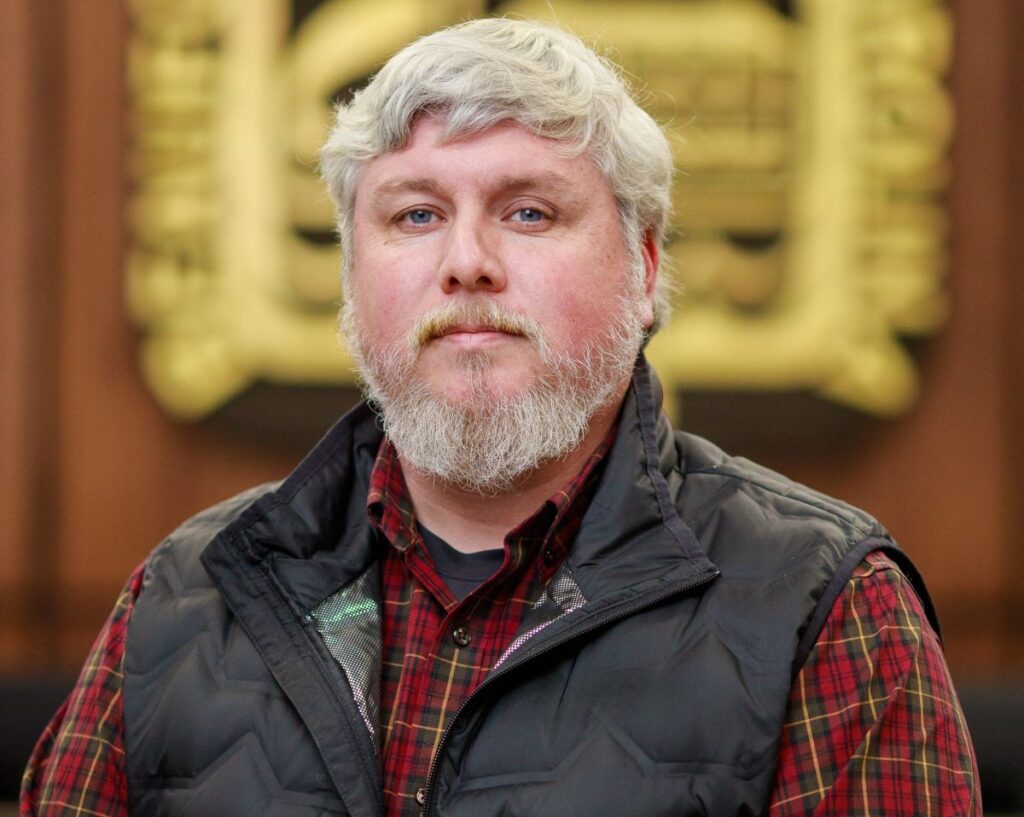
David Bartholomew, Republican, 39, is an attorney and the incumbent District 2 representative on Beaufort County Council. He has lived on Lady’s Island for five years and in the Beaufort area since 2017. He earned a bachelor’s degree in psychology from Greensboro College and a law degree from the Charleston School of Law. His professional experience includes work with the Beaufort County Public Defender’s Office, Lowcountry Legal Volunteers and private law firms. He is serving his first term on County Council and serves on the board of the Lady’s Island Business and Professional Association and as vice chair of the Pritchards Island Research and Living Shores Coalition.
District 4
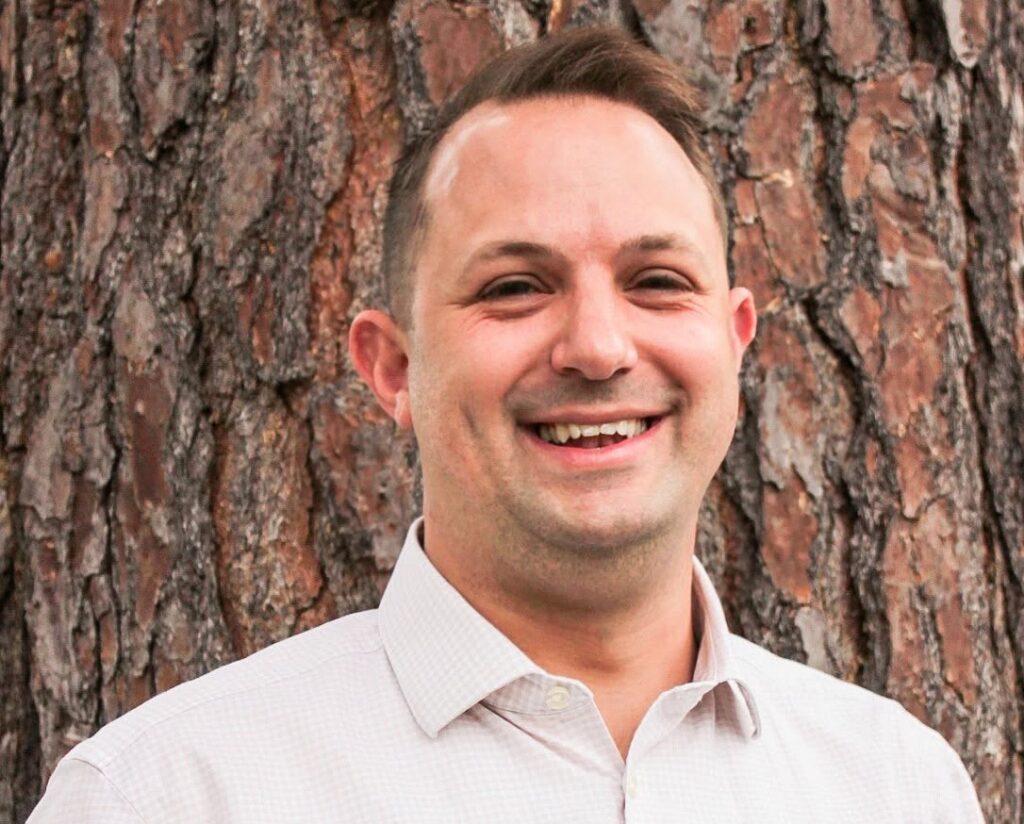
Michael Andersen, Republican, is seeking the District 4 seat on Beaufort County Council. His professional background includes work in the federal government and the Beaufort County Auditor’s Office, and he currently works in accounting. Andersen said those experiences have taught him to look closely at government finances, understand how decisions affect taxpayers and consider their long-term consequences.
District 5
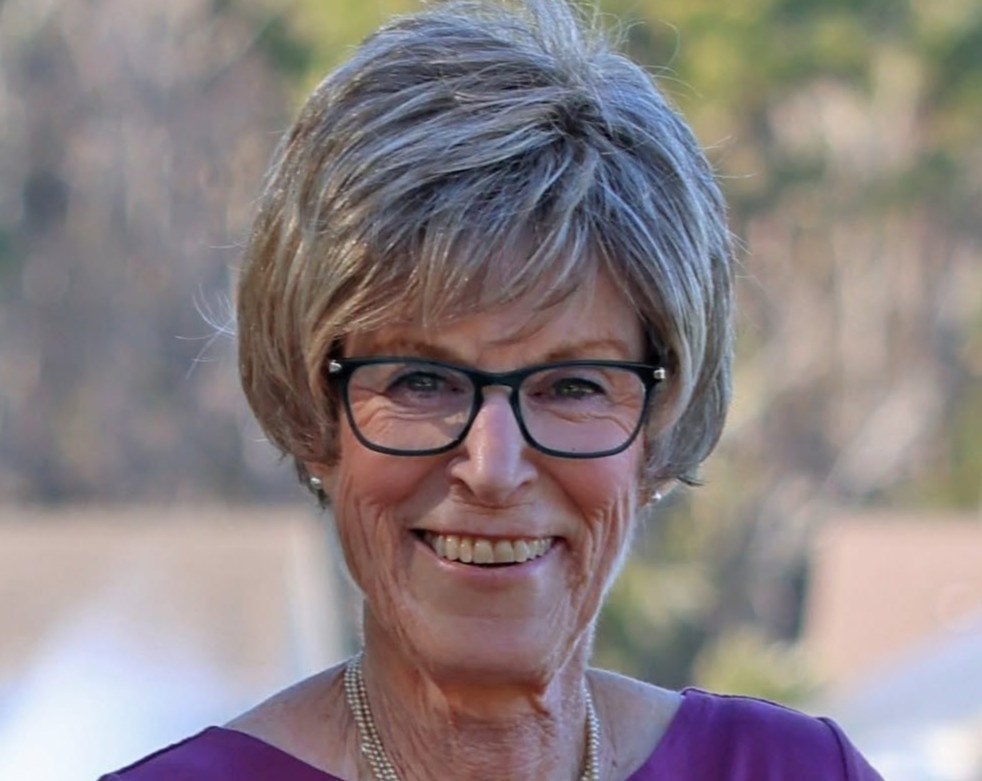
Lynn Gerson, Democrat, 74, is a retired attorney who lives in Sun City Hilton Head in Bluffton, where she has lived since 2022. She earned an associate degree in legal assisting, a Bachelor of Science in law and a Juris Doctor from the American College of Law. Gerson spent 35 years working in workers’ compensation law in California, including 14 years as a litigation manager overseeing cases and a statewide panel of 176 attorneys. She has not previously held elected or appointed public office and currently serves as president of Democrats of Sun City.
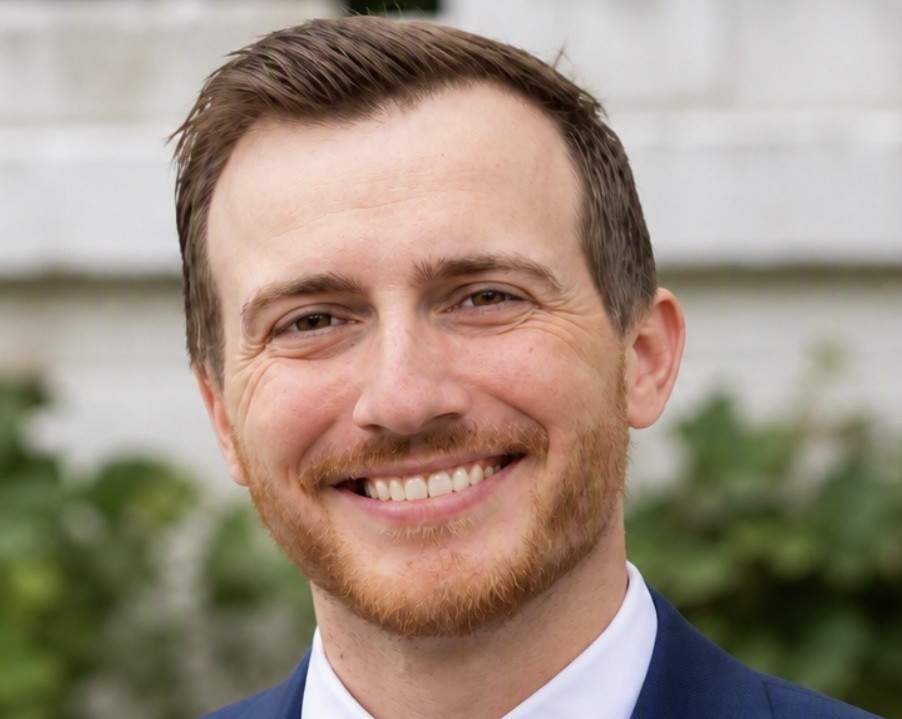
Joshua Hower, Republican, 36, lives in Okatie and works as a product owner for RT Specialty. He earned a bachelor’s degree in organizational management from Wilmington University and served eight years in the Army National Guard, including service in Afghanistan. Hower has approximately 10 years of experience in information technology project and resource management and has also worked in hospitality, heavy industry, government contracting and defense. He serves as president of the Malind Bluff HOA Board and is seeking elected office for the first time.
Beaufort County Council candidate Q&A
The Island News asked candidates seeking Beaufort County Council seats in Districts 2, 4 and 5 the same 10 questions ahead of the Nov. 3 general election. Their answers appear below, organized by district and alphabetically by candidate within each district.
The following responses were submitted to The Island News by candidates seeking seats on Beaufort County Council. Responses have been edited only for grammar, spelling and Associated Press style where necessary. The substance and intent of each candidate’s answers have been preserved.
1. Growth and development remain major concerns throughout Beaufort County, particularly as roads, drainage, public safety and other infrastructure struggle to keep pace in some areas. What should County Council do to better align new development with the infrastructure and services needed to support it? Are there changes to the county’s development rules or approval process you would support?
District 2
Bartholomew: In Beaufort County, the order has to flip: Roads, drainage and public safety capacity should come before new demand, not years after it. On Lady’s Island and St. Helena, Sea Island Parkway carries residents and everyone heading to the beaches, and it already backs up at the intersections and bridges. Every new approval adds to that load, and it adds to what we’d face in an evacuation.
I’d support four changes:
First, review growth cumulatively. Traffic and stormwater studies should count every approved-but-unbuilt unit in Beaufort County, not just the project in front of us.
Second, tie approvals to capacity. Larger rezonings and development agreements should phase occupancy to completed road, drainage and fire/EMS improvements. Those phases should have enforceable triggers.
Third, make growth pay its fair share. Impact fees need to be current, study-backed and coordinated with our municipalities because traffic doesn’t stop at a town line.
Fourth, clean up the pipeline. Old approvals should meet today’s stormwater standards where the law allows. The public should be able to see what’s been approved, what’s been built and what infrastructure serves it.
None of this is anti-growth. It’s about protecting Beaufort County’s marshes, environment, character and quality of life while being fair to the people already here paying the bills.
District 4
Andersen: Beaufort County needs to stop treating development approvals as isolated decisions and start looking at their cumulative impact on the infrastructure and services people rely on.
The question should not simply be whether a project meets the zoning code on paper. We should be asking what that project, combined with everything already approved around it, means for roads, drainage, EMS, fire protection, law enforcement, schools, utilities, emergency evacuation and quality of life.
I support strengthening the development review process so that major projects receive a more meaningful infrastructure impact analysis before approval. That should include clear information on existing capacity, projected demand, what improvements are needed, who is responsible for paying for them and when those improvements will be completed.
I also support reviewing our development standards and impact-fee structure to make sure new growth is paying its lawful proportionate share of the capital improvements it creates.
Impact fees are one tool, but they are not the same thing as a concurrency requirement. Impact fees help fund eligible growth-related capital improvements. A concurrency or adequate-public-facilities approach goes further by asking whether the roads, stormwater systems, water and sewer capacity, public safety services and other infrastructure needed to serve a development will be available when the impacts of that development occur.
A development can pay an impact fee and still come online before the infrastructure needed to support it is in place. We have seen this for years across the county. A properly structured concurrency system can tie development approvals, phasing or occupancy to documented infrastructure capacity and proportionate mitigation while still crediting developers for impact fees or improvements they have already provided so they are not charged twice for the same impact. South Carolina legislation considered this year specifically contemplated that type of framework.
Another change I support is making the development approval process much easier for the public to follow. Residents should not have to search through multiple agendas, departments and meeting packets to figure out what has been proposed, what has already been approved, what conditions were placed on a project or what stage of the process it is in.
I would like to see a centralized public development portal that tracks major projects from application through final approval and construction.
I also believe the Planning Commission and county staff need the tools and policy backing to require mitigation, phase development appropriately or slow a project when the surrounding infrastructure cannot reasonably support its impacts.
We already have a significant amount of development in the pipeline. The county should understand the cumulative effect of what has already been approved before continuing to add major new projects to areas where infrastructure is already under strain.
The goal should not be growth for growth’s sake. The goal should be protecting quality of life and making sure the infrastructure and services Beaufort County residents depend on are not continually playing catch-up.
District 5
Gerson: Growth should never outpace the resources needed to support it. Too often in Beaufort County, the homes and shopping centers arrive first and the roads, drainage, fire stations and schools are left to catch up years later. Residents are the ones who pay for that gap in traffic, flooding and longer emergency response times.
We do not need to start over with a brand-new plan. Beaufort County adopted the 2040 Comprehensive Plan in 2021 after an extensive community-based process, and it is being updated now. It already addresses growth, infrastructure, the environment and transportation. The problem is that council has not consistently followed it. I will use the plan as the reference point for every land-use and rezoning decision, and I will expect staff reports to show clearly how a proposal lines up with it.
I would also support several specific changes. First, before council votes on a major rezoning or development agreement, residents and council should see a plain-language analysis of its impact on roads, stormwater, emergency services and schools. Second, developers must pay their fair share, which means regularly reviewing and updating impact fees so they reflect today’s real costs. Third, we should stop approving intense development in flood-prone and low-lying areas, and we should strengthen stormwater standards so new projects do not push water onto existing neighborhoods.
Finally, because growth does not stop at county or town lines, council must work closely with Bluffton, Hilton Head, Port Royal, the City of Beaufort and our neighbors in Jasper County so that annexations and approvals do not undercut county planning.
Hower: Beaufort County’s growth is outpacing its infrastructure, and the current approval process allows development to proceed without adequate assurance that roads, drainage and public safety services can keep pace.
I support implementing a concurrency framework, a requirement that development approval be tied to verified infrastructure capacity. Before a project is permitted, we should confirm that the roads, schools, water systems and emergency services needed to support it either already exist or are funded and scheduled for construction. Growth should pay for itself, not burden the taxpayers who are already here.
I also believe the 2040 Comprehensive Plan must be respected as the community’s expressed vision for Beaufort County’s future. I have serious concerns about ad hoc amendments that rezone rural land to higher-density uses outside of that plan’s framework. Any such change should require rigorous infrastructure analysis, transparent community engagement and a clear demonstration that the supporting systems can handle the added load, not a quiet council vote that bypasses the intent of a plan built with extensive public input.
2. Beaufort County voters will consider a proposed 1% transportation sales tax on the Nov. 3 ballot that could collect up to $780 million over nine years for intersection improvements, road widening, resurfacing and dirt-road paving. Do you support or oppose the referendum, and why? Regardless of the outcome, how should the county address its most pressing transportation needs?
District 2
Bartholomew: As a sitting council member, I do not think it is appropriate to use my office to campaign for or against a question on the ballot. That decision belongs to the voters.
Regardless of the outcome, the county has to deliver finished projects on time and on budget. Much of the public’s distrust and overall negative attitude regarding transportation projects stems from projects that were delayed or ended up costing more money than originally anticipated.
Furthermore, I believe that bringing more engineers in-house for simpler projects and for reviewing plans from consultants will help speed up the process. I also think that building in early-completion incentives to our transportation projects will aid in getting projects over the finish line.
District 4
Andersen: The transportation referendum addresses real needs, but I have serious concerns about whether the current proposal is as focused and disciplined as it should be.
Beaufort County unquestionably has major transportation problems. We have dangerous intersections, overloaded corridors, aging pavement, drainage problems and limited evacuation routes. Those needs require substantial investment.
My concern is that a $780 million, nine-year program combines too many disparate projects into one package. The current proposal includes approximately $326 million for safety and intersection improvements, $205 million for widening projects, and $249 million for resurfacing and dirt-road paving.
I would prefer a more targeted transportation program centered first on the projects that most directly affect safety, congestion, emergency response and evacuation.
One example is dirt-road paving. The referendum allocates about $12.4 million to paving 18 county dirt roads. Paving a road does not end the cost. Once paved, the county assumes an ongoing obligation for resurfacing, drainage, repairs, striping and eventual reconstruction.
Before creating additional permanent maintenance liabilities, I think we need to be very clear that there are improvements to the roads and intersections carrying thousands of residents every day that should take priority.
Regardless of what voters decide in November, the county cannot treat the referendum as its entire transportation strategy.
We need a prioritized capital plan based on safety, traffic volume, congestion, evacuation importance, pavement condition and economic impact. That means identifying the highest-priority intersections and corridors and pursuing every reasonable funding source instead of relying primarily on a local sales tax.
The county should be much more aggressive in pursuing state and federal transportation and resiliency funding, particularly for evacuation routes and major state highways. We should also coordinate more closely with SCDOT, municipalities, Jasper County and our federal delegation so local dollars can be used as leverage for outside funding rather than carrying the entire burden ourselves.
We also need stronger accountability for projects that have already been funded. Residents should be able to see, in one place, the budget, schedule, design status, right-of-way status and construction progress for every major transportation project. Furthermore, management of the money and projects needs to have continual oversight instead of a proposed board that dissolves at the end of the collection period.
Finally, transportation planning must be connected to development policy. It makes little sense to spend hundreds of millions of dollars trying to catch up with congestion while continuing to approve development without adequately accounting for its cumulative transportation impact. I would like to see the municipalities work with the county to achieve these goals because the traffic and strain do not stop at the city limits.
Whether this referendum passes or fails, the underlying problem remains the same: Beaufort County needs to identify its most critical transportation needs, rank them transparently and pursue them with much greater urgency and fiscal discipline.
District 5
Gerson: Our transportation needs are real. In District 5, the widening of U.S. 278, S.C. 170 and S.C. 46 is long overdue, and every commuter and emergency vehicle on those roads feels it. This tax could become a critical funding source, and the Transportation Advisory Committee did careful work identifying projects in three areas: safety and intersection improvements, road widening, and resurfacing and dirt-road paving.
The committee also recommended implementation principles, including an oversight committee to ensure transparency, pursuing matching funds when available and coordinating with municipal and state partners. County Council held several meetings to educate the public and acknowledged the need for oversight but has yet to provide details in that regard.
Without a clear plan for disciplined project management, timely and transparent reporting, intergovernmental coordination and straightforward public communication, I cannot support this referendum. Asking taxpayers for $780 million without that commitment would be a dereliction of duty.
Residents also deserve a full accounting of the projects promised under the 2018 sales tax before being asked for more. With this penny tax referendum, the 2018 projects will be completed by the end of 2028, with the exception of the U.S. 278 Corridor Project, which will not be completed until 2031. Why are we paying now for commitments made eight years ago? Full disclosure should be a priority before asking the people to pay more.
Regardless of the outcome, the county should prioritize safety and intersection improvements on its most congested and dangerous corridors, aggressively pursue state and federal matching funds and grants, require new development to pay its share of the road improvements it creates the need for, explore public-private partnerships where they make sense, and coordinate with the S.C. Department of Transportation and our municipalities so that projects are built once and built right.
Hower: Voters deserve complete, clear information before they cast their ballot on the penny tax in November. As a candidate who will not take office until January, I won’t have a formal role in shaping how these funds are deployed, but I can speak to the principles that must guide any major transportation investment.
I have reservations about a program that places heavy emphasis on lane widening. Research consistently shows that lane widening produces diminishing returns in congestion relief while generating significant community disruption and cost. Before committing hundreds of millions of dollars to road widening, the county should rigorously pursue every available option in coordination with LATS and SCDOT to maximize the return on each dollar invested. Targeted intersection improvements and capacity enhancements frequently deliver greater benefit at lower cost and in a shorter timeframe.
Regardless of the referendum outcome, Beaufort County must also aggressively pursue state and federal transportation funding, which requires dedicated grant-writing capacity on county staff. We are currently leaving substantial outside dollars on the table because we lack the expertise to pursue them. That gap must be closed.
3. The county continues to face concerns about the availability and cost of housing for teachers, first responders, hospitality workers, health care employees and other members of the local workforce. What role should County Council play in addressing workforce and affordable housing, and what specific policies or investments would you support?
District 2
Bartholomew: Government is a big part of the problem. Zoning, permitting delays and design standards add real cost to every home built here. I’m not suggesting a free-for-all, but the county can streamline permitting and reduce the time and cost of by-right development.
I support the focus this council and the last one have placed on homeownership, which builds long-term stability for working families. The county also participates in a regional housing trust fund, but state law only lets us exempt affordable projects from impact fees if we replace that money from other public funds, so trust dollars end up covering fees instead of building homes. I’ll keep pushing our state delegation for more flexibility there.
District 4
Andersen: The county has a role to play in workforce housing, but I do not believe that role should be to subsidize more development with taxpayer dollars or to use the housing issue as justification for approving more growth than our infrastructure and communities can absorb.
Beaufort County already faces significant pressure from development. I do not believe the answer to housing affordability is simply to build more large apartment complexes, increase density everywhere or provide public subsidies to developers.
My approach is more limited and market-oriented.
First, review the regulations county government itself controls and identify rules that unnecessarily increase the cost of producing modest housing. That could include permitting delays, excessive parking requirements, minimum lot sizes and restrictions on housing types such as accessory dwelling units, duplexes, townhomes, cottage developments and smaller single-family homes. Beaufort County’s existing development framework already recognizes several of these housing types in different contexts.
But regulatory reform should not become an excuse for unlimited density or development. Any changes should still respect infrastructure capacity, existing community character, environmental constraints and the county’s broader land-use goals.
Second, I oppose using taxpayer dollars to subsidize private housing development. I do not believe existing homeowners and businesses should be asked to shoulder more of the tax burden so that selected projects or developers can receive special financial treatment. If county-owned land is no longer needed for a legitimate public purpose, my preference would generally be to dispose of it through an open and competitive process rather than use it as a vehicle for subsidized development. I believe that it would be hypocritical to oppose the rampant development we have seen across the county but turn around and declare it acceptable if the county has its hands in the project.
Third, I believe we should focus more on housing diversity rather than simply housing quantity. Smaller homes, accessory units, townhomes and other forms of “missing middle” housing can provide more attainable options without requiring the scale and intensity of large apartment developments. That is particularly important in Beaufort County, where growth decisions have long-term consequences for traffic, drainage, natural resources and community character.
Ultimately, County Council cannot promise to make housing inexpensive, and I do not believe government should try to manipulate the housing market through large subsidies or constant expansion of development.
What county government can do is make sure its own rules are not unnecessarily driving costs higher, allow reasonable housing choices where the infrastructure can support them, protect property rights and resist the idea that every affordability problem must be solved by approving more development.
My position is that housing policy and growth policy must be considered together. We should not solve one problem by making our infrastructure problems worse.
District 5
Gerson: Workforce housing goes hand in hand with access to health care, public safety and a strong economy. When health care professionals, teachers, first responders and our hospitality workers cannot afford to live here, they move. When they leave, our access to health care diminishes, our education system is crippled, emergency response time suffers and the businesses that drive our economy cannot stay staffed. This is not only a housing issue. It is a quality-of-life issue for every resident.
County Council should play an active role. I support zoning that not only protects our environment but also allows attainable and workforce housing near jobs, schools and existing infrastructure, rather than pushing working families farther out, adding costs to our essential workers and adding to traffic.
I support incentives such as density bonuses, reduced or deferred fees and faster review for projects that include housing affordable to working households, with deed restrictions so those homes stay affordable. The county should also evaluate county-owned land for workforce housing and continue its partnership with the regional housing trust to leverage private and philanthropic dollars. Hilton Head Island’s workforce housing efforts show this approach can work, and it can be expanded throughout the county.
We must also protect the people already here. That means giving legal and equitable priority to families with heirs’ property rights and making sure programs that help people at risk of homelessness, addiction and mental health crises, such as REACH and CONNECT, are strengthened rather than reduced to referral services.
Hower: Workforce housing is directly connected to the broader growth management challenge facing Beaufort County. As our population grows, we must ensure the teachers, first responders, health care workers and hospitality employees who keep this community functioning can afford to live here. When the people who serve our community cannot afford to be part of it, we all pay in longer emergency response times, in teacher shortages and in a diminished quality of life.
County Council’s primary tools are zoning, density incentives and partnership with developers and state and federal housing programs. I support a thoughtful review of where mixed-income or workforce-targeted development makes sense within our existing infrastructure footprint, prioritizing areas with verified capacity to absorb new density without degrading service levels. I do not support blanket rezoning of rural land to high-density residential as a housing solution; that approach trades one set of problems for another.
The county should also be actively pursuing every available state and federal affordable and workforce housing grant, another area where dedicated grant-writing staff would pay significant dividends. We should not be leaving federal housing dollars unclaimed while our workforce struggles to find housing they can afford.
4. County Council controls a substantial annual budget and must balance public safety, infrastructure, employee compensation, parks, libraries and other services with the burden placed on taxpayers. What should the county’s top spending priorities be over the next four years, and where, if anywhere, do you believe spending should be reduced or scrutinized more closely?
District 2
Bartholomew: I believe the priority should be completing projects that have been in the works for years and also focusing on deferred maintenance of our current county facilities.
I have been scrutinizing and will continue to scrutinize our contracts with consultants across the board since many of them appear to be overpriced. I understand that outside consultants have a purpose, but I believe that we do have talented staff members who are fully capable of accomplishing in-house what we ultimately contract out to these consultants.
District 4
Andersen: My top spending priorities would be straightforward: public safety, infrastructure and taking care of the people and facilities we already have.
I want to make sure the county is adequately funding the services residents depend on every day. That means making sure our public safety agencies have the staffing, equipment and facilities they need while also putting more emphasis on roads, drainage, stormwater and deferred maintenance.
I also think we need to pay close attention to employee retention. If the county is constantly losing good people in critical or highly skilled positions, that creates its own cost through turnover, training and loss of institutional knowledge. Compensation should be competitive where it needs to be, but it should also be tied to actual market conditions and staffing needs, in addition to improving the overall work culture of the county.
Where council needs to be much more skeptical is discretionary spending and outside contracting. Consultants have a place, especially for specialized work, but they should not become the default answer for functions the county needs on a regular basis. If we are repeatedly paying outside firms to do the same kind of work, we should be asking whether it makes more sense to build that capacity in-house.
I would also scrutinize major capital projects more closely. It is easy to focus on the price of building something and ignore what it will cost to operate, maintain and eventually replace it. Those long-term costs should be part of the decision before a project is approved, not discovered afterward.
More broadly, I want council to take the budget line by line and ask a simple question: What are taxpayers getting for this money? If a program or expenditure cannot show a clear public benefit, it deserves a harder look.
My approach would be to fund the county’s core responsibilities well, maintain what we already own and be much more disciplined about everything beyond that.
District 5
Gerson: I am a fiscal conservative who believes taxpayer dollars can be better spent. Sound governance means investing in the things that deliver the greatest return for the community, not simply cutting taxes at the expense of the services residents depend on and not spending without accountability.
My top priorities are infrastructure, including roads, drainage and stormwater; public safety staffing and facilities that keep pace with growth; workforce housing; and competitive pay so the county can recruit and keep the employees who deliver services every day. Constant turnover is expensive. It shows up in lost community rapport, and the standard of service suffers. Parks and libraries matter, too. They are part of the quality of life that brought many of us here.
Where I would look most closely: major capital projects and their cost overruns and delays, consultant and outside contracts, and why commitments made to voters in 2018 are still in the process of being delivered. We cannot repeat the mistakes of the past. Every major expenditure should come with clear goals, a timeline and a public report on results.
As a litigation manager, I oversaw budgets and outside professionals for 14 years, and I held them accountable for outcomes. The county should be held to the same standard.
Hower: The county’s top priorities over the next four years must be public safety, infrastructure and the staff capacity to manage growth responsibly while ensuring every taxpayer dollar works as hard as possible.
I am committed to three specific fiscal improvements that I believe will make the county both more effective and more efficient:
Dedicated grant writers: Beaufort County must invest in dedicated grant writers on county staff. We are leaving significant state and federal funding unclaimed every year. This investment pays for itself many times over by bringing outside dollars in to fund priorities that would otherwise fall on local taxpayers.
Infrastructure ROI: We must rigorously evaluate infrastructure spending for return on investment. Not all capital projects deliver equal value. I support working closely with LATS and SCDOT to identify transportation and infrastructure solutions that deliver the greatest impact rather than defaulting to large, expensive, high-disruption projects that often return minimal measurable improvement.
Strengthened auditing: County auditing practices must be strengthened across all departments. Additional oversight steps, applied consistently, will surface inefficiencies, reduce waste and give taxpayers greater confidence that their money is being managed with integrity. I have already built consensus among fellow council members that this is necessary and have concrete action items ready to pursue from day one.
5. Beaufort County has experienced significant turnover and controversy in county leadership in recent years. Council has also been considering changes to its whistleblower policy and the creation of an integrity officer or similar function. What changes, if any, do you believe are necessary to strengthen accountability and public trust in county government? What should an integrity or whistleblower program look like?
District 2
Bartholomew: We implemented the whistleblower policy to provide protection to employees who do ultimately come forward with concerns. We stated that we would analyze the structure after implementation, which is exactly what we are doing now.
I believe the reporting structure needs to change, and it appears that an outside company designed to triage complaints is the most viable path forward. Other counties in the state have utilized similar platforms.
There is discussion right now on whether the person responsible for investigating these complaints would be in a separate office or department or have those responsibilities added to an existing staff member’s duties. I would personally like to see a separate office established that could receive the complaints from the outside platform and conduct an internal investigation when necessary.
Having one person or department handling these investigations would create consistency while providing protection from any retaliation. When not investigating complaints, the department could work on internal auditing. I believe the ability to have more thorough internal audits over specific departments and programs throughout the year will ultimately offset the cost of creating this office.
I would like to see this person or department report to council in order to maintain independence and separation from the administration.
District 4
Andersen: I believe the county needs a whistleblower and integrity process that employees can trust.
The current policy already allows employees to report suspected legal violations, policy violations or misuse of county resources, and it prohibits retaliation. But the recent turnover and controversies in county leadership show why the process needs to be clearer, more independent and easier to use.
I would support an integrity function that is independent enough to receive and track complaints without becoming another layer of day-to-day management. Employees should have a confidential way to report concerns, including an anonymous option, and they should be able to know that a complaint was received and routed appropriately.
The policy also needs to clearly distinguish between a true whistleblower or integrity matter and a normal personnel or HR issue. Not every workplace complaint is misconduct, but no complaint should simply disappear because someone sent it to the wrong place. Council has already been discussing that distinction, and I think that is important.
Where allegations involve senior management, elected officials, major misuse of public funds, retaliation or other serious integrity concerns, there should be a defined process for bringing in an independent outside investigator. The person accused should not control the investigation, and the employee making the complaint should not have to worry that reporting misconduct will damage his or her career.
At the same time, council needs to respect the council-administrator form of government. Council sets policy and establishes the oversight framework, but the administrator manages county employees and day-to-day operations. An integrity program should strengthen accountability without turning individual council members into investigators or personnel managers.
I would also want regular, anonymized reporting to council and the public showing how many complaints were received, how they were categorized, how long they took to resolve and whether corrective action was taken. That gives us a way to judge whether the system is working without exposing employees or compromising legitimate investigations.
Ultimately, the goal should be simple: Employees need a safe way to raise legitimate concerns, allegations need to be reviewed by the right people, retaliation cannot be tolerated, and serious matters need an independent path when the normal chain of command is part of the problem.
Public trust depends on people believing that problems will be investigated rather than buried.
District 5
Gerson: Public trust has to be earned back, and it will not be restored with a policy on paper alone. Residents need to see that concerns are taken seriously, investigated fairly and resolved in the open.
I support creating an independent integrity function. To be effective, it must report to council rather than to the county administrator so employees can raise concerns about any level of county government without fear. It needs a defined budget, access to records and the authority to investigate.
Employees and residents should be able to report concerns confidentially, including anonymously, and the county must adopt strong, enforceable protections against retaliation. The office should publish an annual public report summarizing the number and types of complaints and how they were resolved while protecting the identities of those involved.
Beyond that, council should adopt clear conflict-of-interest disclosure rules for its own members and senior staff, conduct regular independent audits and hold the administrator to clear, written performance goals that are reviewed on schedule.
I spent 14 years managing litigation, where the facts decide the outcome. I would bring that same discipline to county oversight.
Hower: Beaufort County government has sustained real damage to public trust, and restoring that trust requires structural changes, not reassurances. Words are not enough. The institution must demonstrate through its design that accountability is built in, not bolted on.
I strongly support the creation of an integrity officer function that is genuinely independent from the county administrator, from the council majority and from political pressure. This officer should have a direct and transparent reporting line to the full council and the public, with clearly defined authority to receive complaints, conduct investigations and publish findings without political interference or editorial filtering.
The county’s whistleblower policy must be strengthened with explicit, enforceable protections against retaliation, a clear and confidential reporting process and meaningful accountability if retaliation does occur. Employees who witness wrongdoing must know with certainty that they can report it safely. A policy that exists on paper but carries no real protection is worse than no policy; it creates a false sense of security.
I also believe expanded operational auditing, not just financial audits but performance reviews across county departments and major contracts, is essential to identifying inefficiencies and ensuring accountability at every level of county operations.
6. Residents regularly raise concerns about transparency, including executive sessions, access to public records and how major decisions are made. What standards should County Council follow when conducting public business, and what would you do to make county government more transparent and accessible to residents?
District 2
Bartholomew: Public business should happen in public. Executive sessions should be limited to what state law actually allows, such as legal advice, personnel matters, contracts and property negotiations. The motion to go into executive session should state the specific reason in plain terms, and no decisions or consensus-building should happen behind closed doors.
On public records, the county should meet FOIA deadlines consistently and post commonly requested records, including contracts, consultant reports and project status updates, online before anyone has to ask.
Agenda packets should be published early enough for residents to read them before the meeting, and major decisions like rezonings, large contracts and budget changes deserve real public input, not a late add to the agenda.
Transparency isn’t a courtesy to the public. It’s how residents hold us accountable.
District 4
Andersen: County Council should conduct public business with a presumption of openness.
Executive session has a legitimate purpose for things like personnel matters, certain legal advice, contract negotiations and other subjects specifically allowed by state law. But it should be used narrowly, not as a convenience. If an issue can reasonably be discussed in public, I believe it should be discussed in public. And when council does enter executive session, the reason should be stated as clearly as the law allows so residents understand why the discussion is being closed.
I also believe transparency must go beyond simply complying with FOIA.
The county already makes a significant amount of information available online, but residents should not have to file a public-records request every time they want to understand how a decision was made. South Carolina law treats records relating to the conduct of government business as public records, including emails and other communications, subject to applicable exemptions. Beaufort County’s own FOIA policy reflects that.
One policy I would like to pursue is creating a public archive for the official communications of elected officials after they leave office. Subject to legal exemptions, those records should be preserved and made searchable without requiring residents to submit individual FOIA requests and pay fees just to understand the historical record of county government.
I would also like to see major decisions presented more clearly before council votes. Residents should be able to see what is being proposed, what it will cost, what alternatives were considered, what committee recommended it and how each council member ultimately voted. That information should be easy to find in one place instead of scattered across agendas, attachments, meeting videos and different county departments.
Accessibility matters too. The county should continue making meetings available online, but transparency also means creating more opportunities for residents to interact directly with council outside of formal three-minute public comment periods. Informal forums such as the county’s “Chat with Council” meetings are useful because residents can ask questions and have an actual conversation with council members.
For me, the standard is simple: If government is making a decision with public money or exercising public authority, residents should be able to understand what was decided, why it was decided and who was responsible for the decision.
There will always be information that legally has to remain confidential. But confidentiality should be the exception, not the culture.
District 5
Gerson: Transparency is the foundation of trust. Residents should never learn about a major decision after it has already been made.
Executive sessions should be limited to the narrow purposes allowed under the S.C. Freedom of Information Act, such as personnel matters, legal advice and contract negotiations. Council should state the specific reason on the record before going into executive session, and all votes and decisions should happen in public.
Agendas and full meeting packets should be posted well in advance, and major items should not be added at the last minute. Public records requests should be answered promptly and completely, and the county should proactively post frequently requested documents online.
Personally, I am running to be accessible. I will hold regular community meetings in District 5, share plain-language summaries of major agenda items before votes, explain how and why I voted afterward and respond to residents directly.
I also support meeting times and public comment options, including remote comment, that make it easier for working people and older residents to take part.
Hower: Transparency is not a courtesy extended to residents when convenient; it is a fundamental requirement of democratic government. The people of Beaufort County have the right to know how decisions that affect their lives are made, how their money is spent and what is being discussed in their name.
I believe County Council should operate with a strong and genuine presumption of openness. Executive sessions must be reserved for the narrow, legally prescribed purposes they were designed for, personnel matters, pending litigation and real property negotiations, not used as a tool to avoid public scrutiny of difficult or controversial decisions. When council emerges from executive session, it should provide a meaningful public explanation of the subject matter without compromising information that is legally protected.
On public records, I support proactive disclosure. Contracts, budget amendments, major development agreements and audit findings should be readily available on the county website as a matter of course, not locked behind a formal records request process that places the burden on residents to chase information that should already be public.
Most importantly, I believe genuine community engagement must happen early in the decision-making process, not after staff and council have effectively reached conclusions behind closed doors. Residents deserve a real seat at the table, not a comment period that is little more than a formality.
7. Beaufort County’s rapid growth places increasing demands on law enforcement, fire and emergency medical services. What should County Council do to ensure public safety agencies have the staffing, equipment and resources they need while maintaining responsible oversight of taxpayer spending?
District 2
Bartholomew: This council has focused on increasing starting salaries and helping to create better benefits for first responders. We have also been proactive in upgrading our equipment for first responders so that they can have access to the best tools possible.
We still have work to do on that front, but we are actively pursuing every opportunity. We have also attempted modifying the shifts for EMS to hopefully allow for a better work-life balance and improve recruitment.
We are working with the set millage rate to provide equipment and vehicle updates and expanded benefits and increased pay without having to raise millage.
District 4
Andersen: Public safety is one of the clearest core responsibilities of county government, and I think council must fund it accordingly.
The first priority is making sure our agencies can recruit and retain qualified people. Beaufort County has already seen that compensation matters. The Sheriff’s Office reported this year that a prior budget increase that raised starting salaries helped it grow from 305 to 315 personnel, and the county also added a fourth EMS shift in the FY2026 budget to reduce burnout and improve competitiveness.
That tells me we should be using actual staffing data, vacancy rates, response times, turnover and workload to decide where additional resources are justified. I support competitive compensation and adequate staffing where the numbers show a real need, but I also want council to understand what each increase is accomplishing before simply adding recurring costs.
Facilities and equipment matter too. The county is already planning a long-term public safety campus that would include EMS headquarters, E-911, the Sheriff’s Office and related functions because demand is growing. Those kinds of investments can be necessary, but they should be phased carefully and evaluated against other capital needs so we are not overbuilding or creating obligations we cannot sustain.
I also believe growth policy must be part of the public-safety conversation. If we continue adding population and development in areas where emergency response capacity is already strained, we are creating a cost that eventually lands on existing taxpayers. Development decisions should account for the additional demand they place on EMS, law enforcement and other public-safety services.
Council’s job is to set the budget, establish priorities and hold departments accountable for results. Under the council-administrator form of government, council should not be trying to manage employees or direct day-to-day operations.
My approach would be to fund public safety based on demonstrated need, make sure employees have the tools and facilities to do their jobs well and require clear performance and financial reporting so taxpayers can see what additional spending is producing.
District 5
Gerson: Public safety must keep pace with growth, and that starts with people. The county needs competitive pay and benefits to recruit and retain deputies, EMS personnel and dispatchers, and it needs workforce housing so first responders can afford to live in the communities they serve. When first responders live 45 minutes away, response times and retention both suffer.
Council should plan public safety facilities, vehicles and equipment in step with growth, using the Comprehensive Plan to anticipate where new stations and staffing will be needed rather than reacting after the fact. New development should pay its fair share of the public safety costs it creates. The county should also coordinate closely with the fire districts and municipal police departments so resources are not duplicated.
Responsible oversight means setting clear performance measures, such as response times, staffing levels and overtime costs, and reporting them publicly. When council knows what is working, it can invest with confidence and taxpayers can see what they are getting for their money.
Hower: Public safety is the most fundamental service county government provides, and staffing and equipping our law enforcement, fire and EMS agencies must be treated as a non-negotiable baseline, not a line item to be trimmed when budget pressures arise.
At the same time, responsible stewardship of taxpayer dollars requires that council provide meaningful oversight, not just rubber-stamp annual budget requests. I support a regular, structured review of staffing models, response-time data, equipment lifecycles and service-level benchmarks that produces transparent, data-driven recommendations, giving council and the public a clear picture of where our public safety agencies stand and what they need to meet the demands of a growing county.
I also believe we are underutilizing available state and federal funding for public safety capacity. Grants exist specifically to support law enforcement, fire and EMS agencies in high-growth communities, and Beaufort County needs the dedicated grant-writing expertise to pursue them systematically. Every outside dollar we bring in for public safety is a dollar that does not have to come from local property taxpayers.
8. Protecting Beaufort County’s natural resources and cultural character can sometimes conflict with development pressure and private property interests. How should the county balance those competing concerns, particularly in rural and environmentally sensitive areas such as St. Helena Island and other parts of northern and southern Beaufort County?
District 2
Bartholomew: I believe the form-based zoning code has done a decent job of protecting the rural nature of Beaufort County where such zoning has been established. T2R, for instance, is a rural designation that allows for limited rooftops, which helps to maintain the rural nature of a community and lessen the environmental impact of large-scale development.
I also believe that continued conservation efforts play a role in maintaining the rural nature of communities, whether it be through a fee-simple acquisition or conservation easement on private property.
The current council has been strong on not allowing upzoning of rural property that would allow for higher development density and place a strain on the environment and already stressed infrastructure.
There is some reluctance to utilize development agreements due to past experiences with them, but I believe development agreements, properly executed, are a useful and underutilized tool for controlling development via contract while balancing the needs and desires of the surrounding community.
District 4
Andersen: I believe the county must be clear about two things at the same time: Private property rights matter, and so does the right of a community to establish reasonable land-use rules that protect what makes that place unique.
St. Helena is a good example. The Cultural Protection Overlay was created specifically to preserve the island’s rural character and protect its cultural, natural and historic resources. Those protections were not adopted by accident. They reflect a longstanding concern that certain forms of development could permanently change the character of the island and way of life and put further pressure on the Gullah community that has deep roots there.
My approach would be to keep those rules clear, predictable and consistently applied. If a property owner buys land in an area with established protections, the county should not move the goalposts after the fact. But by the same token, development interests should not expect those protections to be weakened simply because a particular project does not fit within them.
That same principle applies throughout Beaufort County. Northern Beaufort County, St. Helena, Bluffton and other parts of the county have different infrastructure, environmental constraints and community character. I do not believe every area should be treated as if it is destined for the same level of development.
In environmentally sensitive and rural areas, I would rather see the county err on the side of preserving what cannot easily be replaced. Once marshland, rural landscapes, tree canopy or historic community character are lost, it is very difficult, if not impossible, to restore them.
At the same time, any restriction on private property should have a clear public purpose and a sound legal basis. The answer is not arbitrary regulation. The answer is good zoning, clear expectations and consistent enforcement.
For me, the balance is not about choosing between property rights and preservation. It is about protecting both by having clear rules in place and standing by them.
District 5
Gerson: Our marshes, rivers and rural landscapes are not just scenery. They support our economy, our seafood industry, our tourism and our quality of life, and once they are lost, they cannot be replaced. The same is true of the Gullah Geechee communities whose history and culture are woven into this county.
I support upholding the Cultural Protection Overlay on St. Helena Island. It was written with the community to protect a way of life and a landscape that exists nowhere else, and it should not be weakened one exception at a time.
Across the county, including the May River and Okatie watersheds in southern Beaufort County, growth should be directed to areas that already have the roads, water, sewer and emergency services to support it and kept out of flood-prone and environmentally sensitive land.
Property rights matter, and the best way to respect them is to be consistent and fair. The county should continue to fund the Rural and Critical Lands Preservation Program, use conservation easements and purchase of development rights so landowners are compensated for protecting land, and give legal and equitable priority to families holding heirs’ property so they are not forced to sell land that has been in their families for generations.
Hower: Beaufort County’s natural environment and rural character are not simply aesthetic assets; they are the foundation of our quality of life, our economy, our cultural identity and, in many cases, the reason people choose to live here or visit. Once that character is lost to development pressure, it cannot be recovered.
I believe the county’s planning process must give genuine and equal weight to environmental sensitivity, cultural heritage and community character alongside development economics. The 2040 Comprehensive Plan was developed through extensive community engagement and reflects residents’ expressed vision for the county’s future, including the rural and environmentally sensitive character of places like St. Helena Island.
I am deeply concerned about amendments to that plan that would convert rural land to higher-density development without the same level of community engagement and infrastructure scrutiny that informed the plan itself.
Private property rights are real and deserve respect. But they do not exist in isolation from the community’s legitimate interest in managing growth in ways that protect sensitive ecosystems, rural landscapes and the cultural traditions of long-established communities. Development that generates profits for a few while degrading the quality of life and character of the broader community is not a trade I am willing to make.
I will not support rezonings that circumvent the Comprehensive Plan’s framework to achieve density that the community did not intend.
9. County Council sets policy and controls the budget, while the county administrator is responsible for day-to-day operations. Where should council members draw the line between appropriate oversight and involvement in county operations? How would you handle a serious disagreement with the county administrator or another elected official?
District 2
Bartholomew: County Council members need to follow the law regarding involvement in day-to-day county operations and not direct staff to perform tasks. The law allows council members to interact directly with staff for the purposes of inquiries and official investigations.
I have had serious disagreements with the county administrator and other elected officials, and the best method is to simply talk through the issues in a professional and civil manner. We are not always going to agree on a path forward on certain items, but we can remain civil toward each other in the process.
I am direct in my approach in dealing with disagreements since it is a disservice to the public, staff and other elected officials to not address issues as soon as possible.
District 4
Andersen: The line should be clear: Council sets policy, controls the budget, asks questions and holds the county administrator accountable for results. The administrator is responsible for running the organization.
I believe council members should be engaged enough to understand what is happening inside county government but not so involved that they begin directing employees or managing departments themselves. If I have a concern about a department, I should be able to ask for information, request a briefing, question whether a policy is being followed or raise the issue with the administrator. What I should not be doing is calling a department head or employee and telling them how to do their job.
That separation matters because it preserves accountability. If council is constantly reaching around the administrator and giving instructions directly to staff, it becomes very difficult to know who is responsible when something goes wrong.
At the same time, council cannot use that structure as an excuse to become passive. The administrator works for council. If there are serious concerns about finances, personnel practices, project management, legal compliance or whether council policy is being carried out, council has an obligation to ask hard questions and expect clear answers.
If I had a serious disagreement with the administrator, my first step would be to deal with it directly and professionally. I would want to understand the facts, explain my concern and see whether the disagreement is about policy, implementation or simply a difference in judgment. If it were a policy issue, council ultimately sets the policy. If it were an operational matter within the administrator’s authority, I would respect that distinction unless there were broader concerns about performance or compliance.
With another elected official, I would take the same approach. Disagreement is part of government, and I do not think every dispute needs to become personal or public immediately. I would rather have a direct conversation, understand where the disagreement is and see whether there is a workable path forward.
But there are also times when disagreement cannot simply be papered over. If the issue involves misuse of public funds, legal compliance, ethics or a serious failure to carry out council policy, then it becomes an accountability issue and should be handled through the appropriate public, legal or oversight process.
My view is that good government requires both restraint and accountability. Council should not micromanage the organization, but it also should not be afraid to exercise the authority voters gave it when something is not working.
District 5
Gerson: Council’s job is to set policy, adopt the budget, and hire and hold the administrator accountable. The administrator’s job is to run the county day-to-day. Individual council members should not direct staff, intervene in personnel decisions or try to manage departments. Requests should go through the administrator, and oversight should happen through clear performance goals, regular reports, audits and questions asked in public meetings. That structure protects employees, and it protects taxpayers.
Stability also matters. Frequent turnover in leadership is costly and erodes public confidence. Council should set clear written expectations for the administrator, evaluate performance on schedule and address problems early rather than letting them become crises.
When I have a serious disagreement, I will raise it directly and professionally, first in a one-on-one conversation, grounded in facts and focused on the issue rather than the person. If it cannot be resolved, I will take it through the proper process and discuss it openly in a public meeting.
During my 14 years as a litigation manager, I worked through difficult disagreements with attorneys, clients and opposing parties. I learned that you can disagree firmly while still working together, and negotiate and compromise with the best interests of the people always in the forefront. The public deserves nothing less.
Hower: The line is clear in principle, even if it sometimes blurs in practice: County Council sets policy, establishes priorities and holds the administration accountable for results. The county administrator manages operations. Council members who bypass the administrator to direct county employees, or who substitute their individual judgment for the administrator’s on operational matters, undermine the organization’s ability to function and ultimately produce worse outcomes for residents.
That said, appropriate oversight is vigorous and demanding. I believe council members should ask hard questions about performance data, hold the administration accountable to the policies council has established and insist on transparency when results fall short. That is not micromanagement; it is the job.
If I had a serious disagreement with the county administrator, I would address it directly and professionally, first in private conversation and, if unresolved, through the formal evaluation and accountability processes the council has available to it.
I would not conduct that disagreement in the press, on social media or in ways that damage the county’s ability to operate effectively. If an administrator’s decisions were creating genuine public harm or violating established policy, council has both the authority and the responsibility to act, and I would not allow political considerations or personal relationships to prevent me from exercising that responsibility.
10. What do you believe you bring to Beaufort County Council, and what should voters know about your priorities for your district and Beaufort County over the next four years?
District 2
Bartholomew: My legal background helps me read what comes before council closely and ask the hard questions before we vote, and I bring a common-sense approach to every decision.
As a father raising two young boys on Lady’s Island, I’m focused on the county we’re leaving to the next generation. My priorities for District 2 are more parks and amenities on Lady’s Island, road and drainage improvements that keep pace with growth, and making sure the county finishes the projects it has already promised.
District 4
Andersen: What I bring to County Council is a combination of financial discipline, government experience and a willingness to ask questions before simply going along with the way things have always been done.
My professional background has put me on both sides of government accountability. I have worked in federal government, in the Beaufort County Auditor’s Office and now in accounting. That experience has taught me to look closely at the numbers, understand how decisions affect taxpayers and pay attention to the long-term consequences of choices that can look small when they are first made.
Over the next four years, my priorities are simple.
I want Beaufort County to get more disciplined about growth and development. We have already approved a significant amount of growth, and I do not think the county should continue treating development as an end while infrastructure is struggling to keep up.
I also want much stronger financial oversight. That means scrutinizing budgets line by line, taking a harder look at outside contracts and major capital projects, and making sure taxpayers can see what they are getting for the money being spent.
And I want county government to be more transparent. Residents should not have to fight to understand how major decisions were made, what was discussed or how their representatives voted. I want public records to be easier to access, major decisions to be easier to follow and council members to be willing to explain their votes.
For District 4 specifically, I want to stay focused on the practical issues people deal with every day: traffic, drainage, public safety and preserving character.
I am not coming to council because I think government needs more slogans. It needs better questions, clearer priorities, more accountability for the decisions it makes and someone who won’t fold in the face of special-interest pressure.
District 5
Gerson: I bring 35 years of legal experience, 14 of them as a litigation manager responsible for budgets, complex cases and a statewide panel of 176 attorneys I built from the ground up. I bring the leadership experience of serving as president of Democrats of Sun City, an organization of more than 550 members. And I bring a lifetime of service, from knocking on doors at the age of 17 to help the grassroots movement lower the voting age to 18, raising funds for first responders and their families who need assistance in times of crisis, to volunteering with food banks here in the Lowcountry.
I know how to listen, weigh the facts, build consensus, ask the uncomfortable questions and make hard decisions.
My priorities come down to three things:
Smart growth: Following the 2040 Comprehensive Plan, making sure infrastructure comes before development, protecting our waterways and making developers pay their fair share.
Sound governance: Spending taxpayer dollars wisely, investing where the return to the community is greatest and running a government that is open, accountable and accessible.
Strong communities: Workforce and attainable housing so the people who care for us, teach our children, sustain our economy and keep us safe can afford to live here, along with better access to health care and human services.
For District 5, that means pushing for real progress on U.S. 278, S.C. 170 and S.C. 46, protecting neighborhoods from flooding and overdevelopment and being a council member residents can actually reach.
District 5 is linked to its neighbors, and I will work across county and municipal lines to make sure growth does not outpace our resources or undermine the quality of life we all deserve, which is why my platform is centered on smart growth, sound governance and strong communities.
Hower: I bring a commitment to doing the work before the title. Over the past several months, I have engaged directly with fellow council members, studied the county’s most pressing challenges and built genuine consensus on specific, actionable plans, not because a campaign required it, but because I believe that is what effective representation actually looks like.
Beaufort County is at a crossroads. The decisions made over the next four years will shape this community for decades. The pace of growth is real. The pressure on our roads, our public safety agencies, our natural environment and our rural character is real. The gap between what residents expect from their county government and what they have been getting is real.
I am running because I believe the people of this district deserve a council member who asks hard questions, demands data-driven answers, builds coalitions rather than conflicts and fights to ensure that growth works for the people who already live here.
My priorities for the next four years:
- Implement a concurrency framework that ties development approvals to verified infrastructure capacity.
- Hire dedicated grant writers to capture state and federal funding the county is currently leaving unclaimed.
- Pursue smarter transportation investments in partnership with LATS and SCDOT that deliver measurable return.
- Strengthen county auditing and accountability practices to rebuild public trust and eliminate waste.
- Protect the rural character and environmental integrity of Beaufort County’s most sensitive areas from rezoning pressure that bypasses the 2040 Comprehensive Plan.
I will work collaboratively with fellow council members, the county administrator and, most importantly, the residents of this county. My door and my phone will always be open.
Delayna Earley, who joined The Island News in 2022, formerly worked as a photojournalist for The Island Packet/The Beaufort Gazette, as well as newspapers in Indiana and Virginia. She can be reached at delayna.theislandnews@gmail.com.