
By Shauna Bishop
In House District 124, parents send their children to schools where teachers work every day to help students succeed. Those families deserve to know that when we send their tax dollars to Columbia, those dollars are being spent wisely and producing results.
I oppose expanding taxpayer-funded private-school vouchers in South Carolina.
My position is not about attacking private schools or the families who choose them. Parents should have choices. My concern is that public education dollars should come with public accountability, measurable results, and strong oversight.
A recent New York Times examination, “30 Ideas for Fixing U.S. Schools, Ranked by Experts,” looked at potential solutions to America’s decade-long decline in math and reading performance. The article does not claim that private-school vouchers are the answer. Instead, it raises a question we should be asking here in South Carolina: Are we investing public education dollars in programs that produce measurable results?
South Carolina’s Education Scholarship Trust Fund (ESTF) began distributing scholarships in 2024 and has since expanded significantly, with scholarships reaching $7,634 and eligibility expanding to at least 15,000 students for 2026-27.
That is a substantial and growing commitment of public money.
Before we spend even more, South Carolinians deserve clear answers: Are students receiving scholarships demonstrating measurable improvements in reading and mathematics? How do their outcomes compare with similar students who remain in public schools? What is the impact on the public schools educating the overwhelming majority of South Carolina children?
And why should we expand vouchers before answering those questions?
There is also a constitutional issue worth noting. In 2024, the South Carolina Supreme Court ruled that using ESTF funds for tuition and fees at certain non-public online education providers violated the state Constitution. The Department of Education subsequently halted that use of the funds. The Court did not declare the entire ESTF program unconstitutional, but the decision reinforces why careful oversight matters when public money is involved.
The state does have reporting requirements. But parental satisfaction is not the same thing as measuring academic outcomes.
This is where my legislative priorities differ.
I would oppose expanding taxpayer-funded vouchers without clear evidence that they improve student achievement. I would fight for stronger transparency and measurable academic accountability for every program receiving public education dollars.
And I would fight to make sure the public schools serving District 124 have the teachers, counselors, classroom resources, and academic support they need.
When hundreds of millions of taxpayer dollars are committed to education, South Carolinians deserve evidence, transparency, and measurable results — not simply political arguments about “school choice.”
My priority is straightforward: put public education dollars toward proven student needs, demand accountability for every taxpayer dollar, and strengthen the public schools that educate the vast majority of South Carolina children.
One representative cannot change the direction of the House alone. Voters in District 124 will help decide whether Columbia continues expanding taxpayer-funded vouchers or takes a different approach focused on accountability and public education.
If you believe public dollars should come with public accountability, make your voice heard at the ballot box.
Until we have a balanced House of Representatives, meaningful changes to South Carolina’s education priorities will be difficult to achieve.
District 124 can help change that direction. Your vote matters.
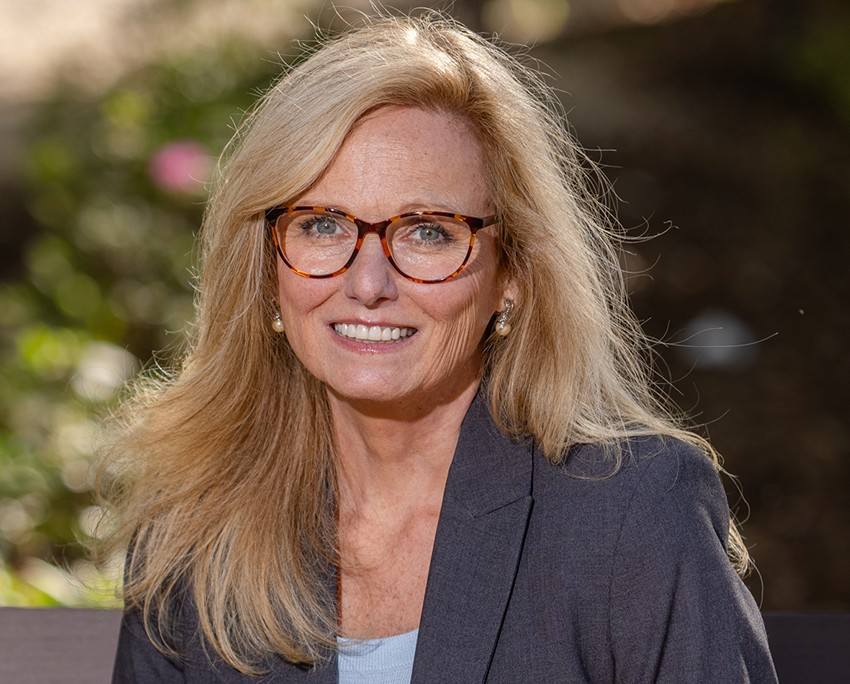
Shauna Bishop is the Democratic nominee for S.C. State House District 124.