

By Ashlee Houck
To everyone who makes a living here, eats here, visits here, and cares about what makes the Lowcountry worth protecting, …
There are some issues you can talk about from the sidelines. This isn’t one of them for me.
Over the past year, I have spent hundreds of hours trying to understand what is happening to the American shrimping industry and, more importantly, what we can actually do about it here in the Lowcountry.
I have sat down with shrimpers, restaurant owners, chefs, seafood suppliers, commercial food distributors, scientists, community leaders and people who have spent their entire lives on the water. I’ve had conversations stretching from Texas and Louisiana, across the Gulf and up the coast to North Carolina.
I didn’t do that because I wanted BAHA to jump on a cause.
I did it because before I put my name or this organization’s name behind something, I wanted to understand it.
And the more I learned, the harder it became to look away.
This is bigger than shrimp.
For generations, commercial fishing and shrimping have been part of the identity of coastal communities like ours. These aren’t just boats we like seeing in photographs. These are American businesses. American jobs. Families. Working waterfronts. Knowledge and traditions passed from one generation to the next.
And they are disappearing.
For years, our market has been flooded with inexpensive, farm-raised imported shrimp. Government policy, global economics and our own purchasing decisions as consumers have all played a role in creating a system where American shrimpers are being asked to compete in a marketplace that increasingly doesn’t work for them.
At some point, we have to ask ourselves, “What happens when they’re gone?”
Because once we lose the boats, the docks, the packing houses, the infrastructure and the next generation willing to do this work, we don’t simply decide 10 years later that we’d like our shrimping industry back.
It’s gone.
And I believe that should matter to every one of us. I know there are people who disagree.
I’ve heard the concerns from some restaurants and others in the industry. There’s not enough domestic shrimp. It costs more. Restaurants are already operating on incredibly thin margins. Why should menus have to disclose where shrimp comes from?
Those are fair questions. And I have spent a tremendous amount of time digging into them rather than dismissing them.
BAHA is not asking every restaurant to serve local shrimp. We understand supply chains. We understand seasonality. We understand food costs. And after working beside this industry for years, I certainly understand how difficult it is to operate a restaurant right now.
What I cannot support is pretending imported shrimp is something it isn’t. If a restaurant wants to serve imported shrimp, it should be able to serve imported shrimp. But consumers deserve to know what they’re buying.
If something is marketed as local, Lowcountry, Carolina or American, it should actually be what it claims to be.
That’s not punishment. That’s honesty.
And the new labeling requirements create accountability for the businesses that would otherwise benefit from the story and reputation of our local seafood without actually supporting the people who produce it.
Only From Our Waters is about something different.
This initiative isn’t about shaming restaurants that choose not to participate. It’s about celebrating the ones that can and choose to.
It’s about connecting restaurants with suppliers and shrimpers. It’s about working through the difficult questions surrounding availability, price, consistency and distribution instead of throwing our hands up and saying it can’t be done.
And ultimately, it’s about creating something special here.
I want someone to come to the Beaufort region and know they can taste Beaufort.
Not something harvested or farmed thousands of miles away, shipped across an ocean and served underneath a Lowcountry story.
I want visitors to meet our watermen. See our shrimp boats. Understand our working waterfront. Eat something pulled from American waters and prepared by a local chef. Then understand that the dollars they just spent helped keep another boat on the water and another family in business.
That is tourism with a purpose. That is an experience we cannot manufacture once the real thing disappears. We have a choice.
We talk constantly about preserving the Lowcountry. We fight to preserve our architecture. Our marshes. Our waterways. Our historic buildings. Our viewsheds. Our culture.
Our working waterfront deserves that same fight.
Preservation isn’t just protecting something once it’s endangered enough to make us nostalgic. Sometimes preservation means changing the way we do things before it’s too late.
It means asking where our food comes from. It means accepting that the cheapest option isn’t always the best option for our community. It means supporting American producers when we have the ability to do so. It means businesses being truthful with consumers.
And it means consumers understanding that every dollar they spend is, in some small way, a vote for what they want their community to look like tomorrow.
I don’t expect every restaurant to change overnight. I don’t expect every person to agree with me. And BAHA isn’t interested in forcing a badge, program or purchasing decision on anyone.
But I am asking our industry and our community to care.
Care enough to ask the questions. Care enough to read the label. Care enough to understand the difference. Care enough to support the restaurants doing the hard work. Care enough to choose American when you can.
Because somewhere behind that plate of shrimp is a decision about whose livelihood we are supporting.
I choose the American shrimper. I choose our working waterfront. I choose the families who have built their lives around these waters.
And I believe Beaufort, Port Royal and the Sea Islands have an opportunity to show that hospitality, tourism, restaurants, watermen and our community don’t have to exist in separate worlds. We can build something together that supports all of us while protecting one of the things that makes this place unlike anywhere else.
We can preserve this piece of who we are. But first, we have to decide that it’s worth preserving.
And I believe with everything in me that it is. Do you?
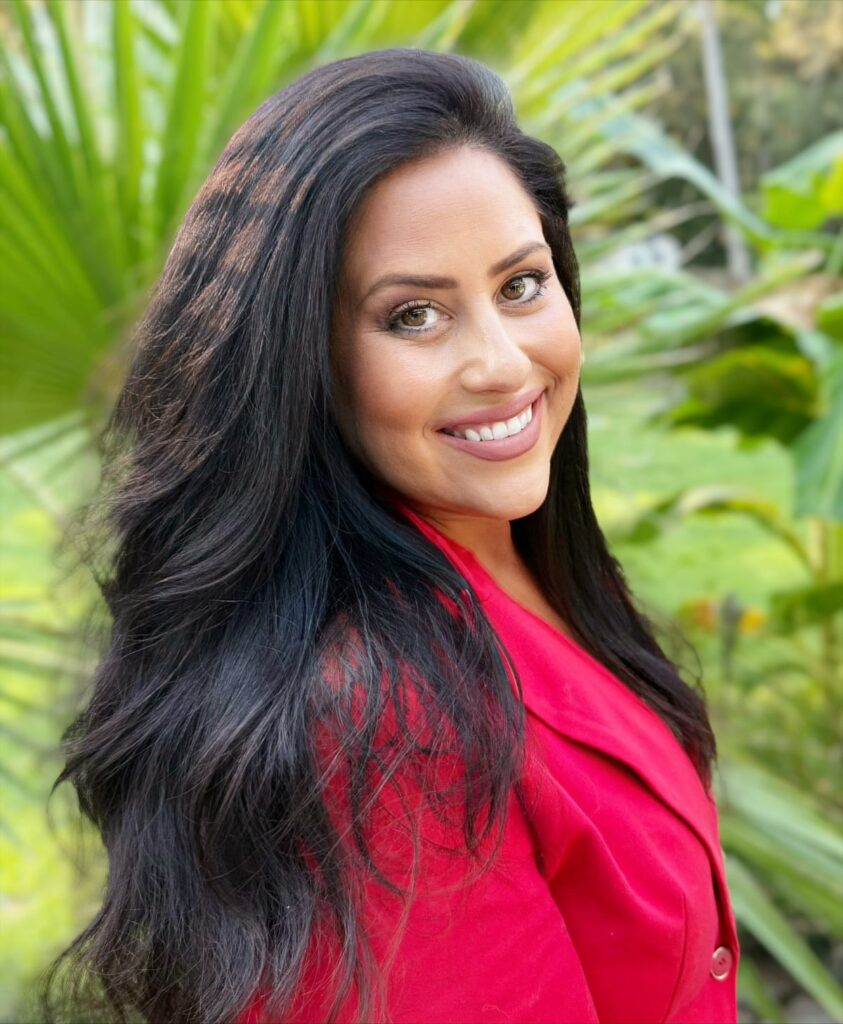
Ashlee Houck is the President and CEO of the Beaufort Area Hospitality Association (BAHA).