
Candidates weigh in on issues ahead of June 9 primary election
By Delayna Earley
The Island News
Ahead of the June 9 primary election, The Island News sent detailed candidate questionnaires to those running in several contested local and state races impacting Beaufort County voters.
Questionnaires were sent to candidates in the Beaufort County Sheriff Republican primary, Beaufort County Council District 4 and District 5 Republican primaries, and the South Carolina House District 121 Democratic primary. Each questionnaire included a general candidate information section, along with 10 issue-focused questions tailored specifically to the office being sought.
Questions focused on topics currently impacting Beaufort County and the Lowcountry, including public safety, gang activity, growth and infrastructure, affordable housing, transparency in government, Pine Island and the Cultural Protection Overlay, property insurance costs, education, environmental concerns and the relationship between local and state government.
Candidates were also invited to submit guest opinion columns as part of the publication’s election coverage.
All candidates contacted by The Island News participated in the questionnaire process and submitted responses.
Due to print space limitations, only portions of candidate responses appeared in print. Each candidate’s questionnaire responses appear in their entirety at the end of this story.
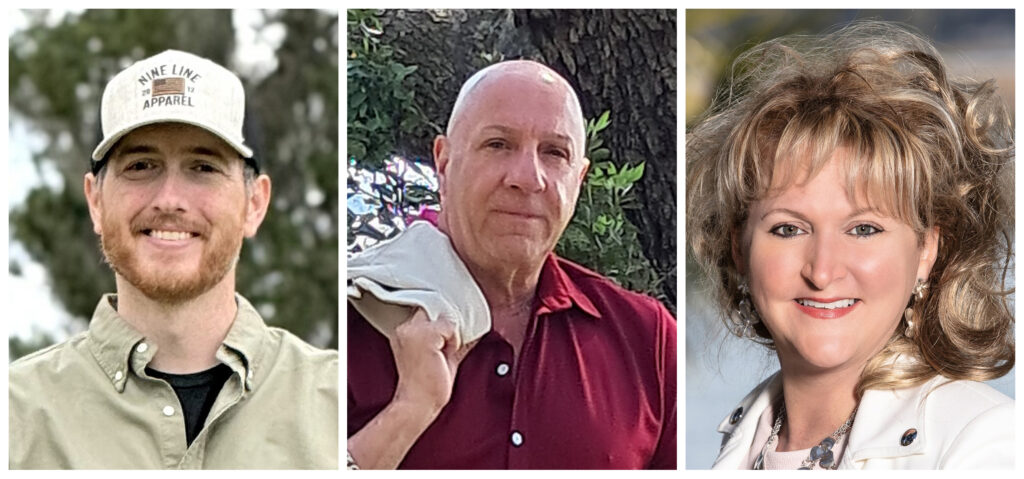
Beaufort County Council District 5
Republican candidates Joshua Hower, Mary Jeans Otto and Joe Maiorano all centered their campaigns on concerns about rapid growth and preserving the Lowcountry’s character, though each candidate offered different ideas for managing development, infrastructure and government oversight.
Maiorano, originally from New York, has lived in Beaufort County for 22 years and is currently building what he described as a “mini farm” in Okatie. A retired NYPD officer and former owner of a commercial environmental cleaning company, Maiorano said he is running because he does not want the Lowcountry to become “just another built up town.”
“I came here because I loved the Lowcountry aesthetics and the feeling that you get here and don’t want it to change,” Maiorano wrote.
Otto, a real estate agent and 16-year District 5 resident, said she has spent years advocating against high-density developments and protecting rural areas within the district. She pointed to her involvement opposing projects including a proposed garbage dump, campground development and increased density proposals along Callawassie Drive.
Hower, a veteran and digital product owner who lives in Oldfield, moved to Beaufort County four years ago after growing up in Delaware. Hower said watching unchecked development negatively impact his hometown shaped his concerns about growth in Beaufort County.
“The Lowcountry is not a placeholder. It is worth protecting,” Hower wrote.
When asked about the biggest issue facing Beaufort County residents, all three candidates focused heavily on growth and infrastructure pressures.
Maiorano identified traffic and road safety as the district’s biggest concern.
Otto described “rapid, uncontrolled growth” as the county’s top issue, arguing roads, water, sewer systems and natural resources are already under strain while high-density developments continue changing the character of local communities.
Hower similarly described growth as Beaufort County’s most pressing challenge, warning that already-approved developments will continue shaping roads, infrastructure and quality of life for decades if growth is not managed more effectively.
All three candidates also criticized current development regulations, though with varying levels of detail.
Maiorano questioned whether additional development is worth the environmental impact on the Lowcountry and said he personally does not want to see additional building continue at its current pace.
Otto argued the county’s Planning and Zoning Department has become too influenced by developers and said wetlands protections and public notification requirements need stronger oversight.
Hower focused on what he described as weaknesses in the county’s master planning process, particularly involving rezoning requests and environmental protections. He advocated for stronger canopy buffers, additional green space protections and reduced impervious surfaces in rural areas.
Infrastructure and growth management also emerged as major themes throughout the candidates’ responses.
Otto said she supports a temporary pause or moratorium on new development until infrastructure catches up with current demand. She also proposed limiting new water and sewer hookups and restricting Planned Unit Developments, or PUDs, that allow large-scale clear-cutting and high-density neighborhoods.
Hower emphasized updating traffic impact studies, modernizing stormwater systems and improving coordination with SCDOT. He also highlighted the need for a funding strategy for the county’s proposed consolidated law enforcement center.
Maiorano did not provide a detailed response regarding specific infrastructure priorities.
All three candidates also supported changes to state law tied to affordable housing tax exemptions, an issue county leaders have warned could significantly reduce local government revenues.
Maiorano argued tax exemptions granted in one area ultimately shift costs onto taxpayers elsewhere in Beaufort County.
Otto sharply criticized what she described as abuse of nonprofit affordable housing partnerships and argued current exemptions divert tax revenue away from schools and public services while benefiting developers.
Hower supported closing the loophole while also calling for broader reviews of tax exemption laws to ensure incentives are producing their intended results and not shifting additional burdens onto residents.
The Pine Island controversy and Cultural Protection Overlay were also major points of discussion among the candidates.
Maiorano said Pine Island should “be left alone and kept the way it is.”
Otto strongly defended both the Cultural Protection Overlay and the county’s legal defense of it, arguing the overlay protections were already in place when Pine Island was purchased and warning weakening the ordinance could threaten preservation efforts countywide.
Hower also supported defending the CPO while acknowledging the emotional and legal complexity surrounding the issue. He argued the ordinance should continue being applied consistently unless St. Helena residents themselves seek changes through a public process.
The candidates also addressed transparency and public trust following the Eric Greenway administration controversy.
Maiorano said County Council has already made progress improving transparency and accountability following the controversy.
Otto proposed stronger hiring standards, expanded open bidding practices and additional safeguards against nepotism and conflicts of interest.
Hower emphasized improving public access to county information, stronger audits and more consistent communication with residents regarding projects and county operations.
When asked why voters should choose them, Maiorano pointed to his life experience, law enforcement background and decades running a business.
Otto emphasized her long-term involvement in district issues and her professional background in real estate, accounting and tax analysis.
Hower highlighted his background in regulatory compliance, technology and government systems while emphasizing what he described as a practical and solutions-focused approach to county government.
The winner of the Republican primary will advance to face Democrat Lynn Gerson in the November general election.
1. What do you believe is the most pressing issue currently facing Beaufort County residents?
Maiorano: As of now, from what I see, I think it is definitely traffic and road safety, especially in the district I am running in.
Otto: Rapid, uncontrolled growth is the most pressing issue facing Beaufort County residents. Our roads, natural resources, water, and sewer infrastructure are already under pressure, and it seems there are accidents every day from increased traffic and congestion. We are seeing clear-cutting of lots and high-density development with tiny lot sizes that are changing the character of our communities.
I admire the work of Charles Frazier and his appreciation for the natural beauty and heritage of the South Carolina Lowcountry. I am afraid Beaufort County will become another Myrtle Beach.
Hower: Growth is the most pressing issue facing Beaufort County, both the development already approved and the projects still coming forward. Our infrastructure is under real pressure, and addressing it requires more than isolated efforts. Municipalities, county staff, County Council, the state, and neighboring counties all need to be working from the same page.
Utilities and stormwater have to be part of that conversation too. What concerns me most is that the projects already on the books will shape our roads, services, and quality of life for decades, and they are often not being evaluated as part of a larger system.
2. Beaufort County continues to experience rapid growth and development pressure. Do you believe current development regulations are adequate? Why or why not?
Maiorano: I think we should look at why growth is happening and at what cost it brings to the Lowcountry. As of now, I personally do not want any more building going on. We need to protect our environment as we know it.
Otto: No, I do not think Beaufort County’s current development rules are adequate. Rapid, uncontrolled growth is lowering our quality of life.
Even though millions of taxpayer dollars have been spent on planning over the years, I do not think the Planning and Zoning Department is following those plans closely enough. The Planning and Zoning Department seems too influenced by developers. In fact, part of the public notice process has been shifted to builders. This means residents are sometimes not properly informed and left in the dark when increases in density and commercialization occur that may not otherwise be allowed under current ordinances.
Wetlands are also being lost at a rapid pace. Wetland designations are often made by consultants hired by developers without independent checks from federal, state, or county agencies. I support stronger third-party oversight to protect wetlands, ensure the rules are followed, and prevent building in protected areas.
Hower: No. My experience fighting the upzoning attempts on Highway 170 made that clear. The master plan has real gaps, and the tools we have for evaluating rezoning requests are not strong enough to prevent one-off approvals that create poor planning outcomes down the road.
We need regulations that require stronger canopy buffers, more meaningful green space, and fewer impervious surfaces in rural parts of the county. Whenever rezoning is on the table, each proposal should be evaluated on how it affects the land, the surrounding community, and the natural resources that define the Lowcountry. Our regulations need to reflect that these areas are not just open space, but part of what makes this county worth protecting.
3. Many residents believe infrastructure improvements are not keeping pace with growth. What specific infrastructure priorities would you pursue if elected?
Maiorano: No response provided.
Otto: This is not just an infrastructure issue but a growth management issue. I do not think we can build enough roads fast enough to solve congestion. I support a temporary pause, or moratorium, on new building so growth can be better managed and infrastructure can catch up to the needs of current residents. I am not pro- or anti-development. I am pro-lifestyle, and I believe our quality of life is under increasing pressure.
If possible, I would slow growth by limiting new water and sewer hookups until roads and infrastructure can handle the demand. I would also restrict or eliminate PUDs that allow large areas to be clear-cut and turned into high-density neighborhoods.
Hower: The biggest priority is making sure improvements keep pace with the growth that is already approved, not just what has already been built. County planning staff has identified roughly 53,000 approved but unbuilt housing units across southern Beaufort County and neighboring jurisdictions, units that can be constructed without any further rezonings or annexations. Our impact studies are often outdated before they are even finished, which means we are making decisions based on numbers that do not reflect current conditions.
My top priorities are targeted intersection upgrades, modernizing stormwater and drainage systems, and tightening coordination with SCDOT so projects move faster. Utilities and public safety infrastructure need to be planned alongside development, not added as an afterthought.
That includes getting a real funding strategy in place for the consolidated Law Enforcement Center. This facility has been in the works for years and needs a path to completion. I also want to make sure we are finishing what is already on the books and using existing revenue more effectively before asking residents for more. Growth should contribute its fair share, and our funding tools should reflect that.
4. Beaufort County officials recently warned that a loophole in state law tied to affordable housing tax exemptions could significantly impact county revenues. Do you believe state law needs to be changed? Why or why not?
Maiorano: From what I know about that, every exemption from revenue in one place has to be made up somewhere else, and that means higher taxes for us in Beaufort County.
Otto: Yes, I believe state laws need to change. Right now, private developers can partner with nonprofits for so-called affordable housing projects where only a small number of units are designated as affordable while the rest are luxury apartments. Yet the entire complex can receive major tax exemptions.
In my opinion, this goes against the intent of the law and shifts millions of dollars away from schools and local services. Even if these projects technically follow the letter of the law, I believe some of these arrangements may conflict with nonprofit laws and deserve far greater oversight and accountability.
This is a state law, so the county cannot change it directly. However, local officials can advocate for stronger enforcement and greater transparency regarding nonprofit partnerships and tax exemptions.
As a council member and tax accountant, I would take a very active role in auditing and reviewing nonprofit financial relationships with developers and builders to ensure accountability and proper application of the law.
This state law has financially harmed Beaufort County. I would work to ensure the state reimburses the county for the resulting loss in tax revenue and financial impacts.
Hower: Yes. If a loophole in state law is allowing tax exemptions to be used in ways that were never intended, the law needs to be fixed. My understanding is that a correction is already being discussed at the state level, which is encouraging.
But closing this specific loophole is not enough on its own. We should be auditing and reviewing tax exemption laws on a regular basis to make sure the incentives on the books are actually producing the outcomes they were designed for. When exemptions are misapplied, the burden shifts to residents, and that erodes trust. Oversight and accountability have to be built into how we manage public revenue.
5. How should Beaufort County balance the need for affordable and workforce housing while also protecting the county’s tax base and infrastructure capacity?
Maiorano: No response provided.
Otto: Beaufort County must balance housing needs while protecting our infrastructure, environment, and tax base. I do not support increasing density to address housing issues. Our roads, water, sewer systems, and schools are already under pressure from rapid growth.
Any housing development should fit within existing or amended zoning and infrastructure limits, and developers should pay their fair share for the impact their projects have on the community. I also believe affordable housing programs should be transparent, accountable, and should not shift the tax burden or administrative duties onto Beaufort County.
The state and Beaufort County should focus on alternatives such as direct housing assistance programs instead of giving large tax exemptions to high-density luxury apartment developments. If taxpayers are helping fund affordable housing, the assistance should directly benefit the people who truly need it, not provide major tax breaks to developers.
Hower: Growth has to be aligned with capacity. That is the starting point. We cannot keep approving housing without knowing whether the roads, utilities, stormwater systems, and public safety infrastructure can actually support it.
Workforce housing matters. Teachers, first responders, service workers, and young families need options they can afford. But those projects have to be planned in the right locations, at the right density, with clear expectations for what developers contribute to the infrastructure their projects depend on.
That means stronger coordination between municipalities and the county, updated impact studies that reflect real conditions, and development agreements with teeth. It also means prioritizing housing near existing infrastructure rather than pushing into rural areas where the cost to serve is much higher and the environmental impact is significant. That is how you support affordability without weakening the tax base or overwhelming infrastructure that is already under strain.
6. The ongoing Pine Island and Cultural Protection Overlay debate has become one of the county’s most divisive land-use issues. What is your position on the county’s handling of the matter so far?
Maiorano: I think Pine Island should be left alone and kept the way it is. From what I have read, I understand the builder only has permits for 20 lots instead of the original proposal involving the golf course.
Otto: I oppose the Pine Island development, and I think the county is handling this matter properly. Pine Island was already within the Cultural Protection Overlay when the current developer purchased the property in 2023. The overlay has been in place since 1999 and specifically applies to St. Helena Island, including Pine Island.
The purchasers paid fair market value for property that already had these restrictions in place, not for unrestricted residential development. Reports also state the developer purchased the property knowing the overlay prohibited developments such as golf courses, gated communities, and resorts, and later sought to have Pine Island removed from those protections.
If the county does not defend this ordinance, it could set a dangerous precedent and weaken the protection of overlays and conservation ordinances throughout Beaufort County.
Hower: The county’s handling of this issue has exposed real process problems. When decisions are made without a shared understanding of the rules or without early engagement from all sides, you end up with confusion and division. Property owners deserve fair treatment, protections deserve to be respected, and decisions should be grounded in the long-term health of the land and the community.
The county needs to apply the Cultural Protection Overlay consistently and transparently, with clearer guidance and earlier collaboration when these issues arise. Getting stakeholders to the table before positions harden is almost always better than trying to rebuild trust after a dispute has gone public.
7. A recent lawsuit challenging the Cultural Protection Overlay alleges the ordinance is discriminatory and improperly restricts development rights. Do you support the county continuing to defend the ordinance in court? Why or why not?
Maiorano: No response provided.
Otto: My answer is the same as Question 6. I support the county continuing to defend the ordinance in court. Pine Island was already within the Cultural Protection Overlay when the current developer purchased the property in 2023. The overlay has been in place since 1999 and specifically applies to St. Helena Island, including Pine Island.
The purchasers paid fair market value for property that already had these restrictions in place, not for unrestricted residential development. Reports also state the developer purchased the property knowing the overlay prohibited developments such as golf courses, gated communities, and resorts, and later sought to have Pine Island removed from those protections.
If the county does not defend this ordinance, it could set a dangerous precedent and weaken the protection of overlays and conservation ordinances throughout Beaufort County.
Hower: Yes. The Cultural Protection Overlay was created to protect historic communities, cultural heritage, and the character of the Lowcountry. Those protections deserve a full and fair legal defense.
That said, any claim that a law is discriminatory should be taken seriously and evaluated through the judicial process. If the courts identify areas that need clarification or correction, the county should address those through proper legislative channels. But walking away from the ordinance entirely would leave culturally significant areas unprotected and undermine years of community-driven planning.
Defending it while remaining open to refinement, if the courts or community input support changes, is the right path forward.
8. Supporters of the CPO say it is necessary to protect historic Gullah-Geechee communities and environmentally sensitive land, while opponents argue it unfairly targets property owners. How should the county balance those competing concerns?
Maiorano: I wish I had more information about the Gullah-Geechee communities, but regarding environmentally sensitive land, I cannot see how opponents argue it unfairly targets property owners unless it is the builders who own the land and want to build on it.
Otto: I do not believe property owners were unfairly targeted. The Cultural Protection Overlay was already in place when this property was purchased, and the purchase price reflected those existing restrictions. Buyers knew, or should have known, what the rules were before purchasing the property.
Protecting historic Gullah-Geechee communities and environmentally sensitive land is one of the reasons the overlay exists. Property rights are important, but so is preserving the culture, history, and natural resources that make Beaufort County unique.
To me, this is similar to someone buying a home next to a golf course and later demanding the tee box be moved because golf balls land in their yard. The golf course was there first, and the buyer understood the conditions when the property was purchased.
Hower: The Cultural Protection Overlay has been in place for decades with clear, established parameters. It restricts a narrow set of development types on St. Helena Island, and anyone purchasing land there does so with full knowledge of those rules. That context matters when evaluating the argument that it unfairly targets property owners.
At the same time, this debate has shown how deeply felt the issues are on both sides. Supporters see the CPO as essential to preserving Gullah-Geechee heritage and the rural character of St. Helena Island. Opponents feel the restrictions limit their options as property owners. Both perspectives are real and deserve to be part of any county-level conversation.
The path forward is consistency. The CPO should be applied as written unless the people of St. Helena themselves decide to revisit, clarify, or amend it through a proper public process. That approach respects the ordinance, honors the community it was designed to protect, and is fair to property owners who made decisions based on the rules in place when they purchased the property.
9. Beaufort County government faced significant public controversy and loss of trust following the Eric Greenway administration and the investigations that followed. What specific steps should County Council take to rebuild public confidence and improve transparency and accountability in county government?
Maiorano: I think the council has come a long way in trying to do what is right moving forward from that issue. Transparency and accountability are what they are all about now. With new council members, I think we should all learn how to handle issues, understand what to look for, and remain transparent about everything going on in the county.
Otto: Even in the most carefully vetted organizations, there will always be bad actors. The key is to identify problems quickly and remove them. I would ensure county contracts and policies allow for the swift removal of employees when misconduct is identified without unnecessary barriers.
I would also prioritize hiring qualified local residents whenever possible, particularly individuals without current or prior employment or financial relationships with the county. In addition, I would support stronger rules regarding nepotism and the hiring of close family members and friends to reduce conflicts of interest and improve public trust in government hiring practices.
I support open bidding because it improves transparency by showing how public money is spent and ensuring contracts are awarded based on merit, cost, and qualifications rather than favoritism. It also increases accountability by allowing the public to review the process, criteria, and final decisions after awards are made, helping prevent inflated costs or unfair practices.
Bidder identities would remain protected during the evaluation process to keep the process fair, but the overall system should remain open so taxpayers can clearly see how and why decisions were made.
Hower: County Council should start by making information more accessible through clearer reporting on spending, project timelines, and performance metrics, along with more consistent updates on major initiatives and a practice of sharing documents and decisions proactively rather than only when residents push for them.
Accountability has to be built into the structure, not added after problems surface. That requires regular audits, stronger internal controls, and clear processes for how concerns are reported and resolved. When issues arise, residents should be able to see how they were handled and what changed as a result.
Communication also needs improvement. Earlier engagement on major decisions, more meaningful opportunities for public input, and a consistent process that helps people understand how decisions are made will go a long way.
The underlying issue, however, is stability and professionalism in county leadership. Supporting staff, setting clear expectations, and applying policies consistently across departments are not headline priorities, but they are what actually restore confidence in day-to-day county operations.
10. Why should voters choose you over your opponent(s)?
Maiorano: We all want pretty much the same thing for the district we live in, so we all bring something to the table. For me, I bring life experience. From being an NYPD officer to being a successful business owner for more than 32 years, I know how to handle situations, solve problems, and listen to the wants and needs of people in the community while approaching issues with an open mind.
I am also retired and have the time to fully dedicate to this position without work-related distractions. That alone makes me a strong candidate for this role.
Otto: I am a 16-year resident of District 5, while the combined residency of my two opponents totals only four years.
For the past 16 years, I have fought for our district and stood alongside District 5 residents on the issues that matter most to our community. I opposed the proposed garbage dump and fought against a large-scale campground development that was, based on my understanding, intended to house a developer’s workers.
Over the past year, I have also worked against the commercialization and increased density proposed on Callawassie Drive. That effort required me to develop a strong working knowledge of Beaufort County standards, ordinances, and the planning and zoning process. I have met with neighbors, Keep Chelsea Rural, and local conservation groups, and attended numerous planning and zoning meetings to advocate for responsible growth and preservation of the community.
In addition, my professional background provides valuable experience for public service. As a former tax researcher with Ernst & Young, I developed extensive accounting and financial analysis skills that will help me review budgets, audit spending, and better understand county finances on behalf of District 5 residents.
Hower: I bring a combination of experience and approach that I believe is genuinely different. My background spans regulatory compliance, state and federal work, military service, and highly regulated industries like oil refining. That experience gives me a working understanding of how complex systems operate, how oversight and accountability function in practice, and how to navigate institutional processes without getting stuck in them.
I also bring a technical skill set that helps me find practical, modern solutions, especially where technology can improve transparency, efficiency, and service delivery. I tend to dig into problems rather than accept surface-level answers, and that is exactly how I plan to approach this role.
Ultimately, I am running because I care about protecting the Lowcountry. I have a clear plan for managing growth responsibly, safeguarding natural resources, and strengthening the systems that support this community. My commitment is to serve Beaufort County with integrity and a focus on decisions that will hold up over time.
Delayna Earley, who joined The Island News in 2022, formerly worked as a photojournalist for The Island Packet/The Beaufort Gazette, as well as newspapers in Indiana and Virginia. She can be reached at delayna.theislandnews@gmail.com.