
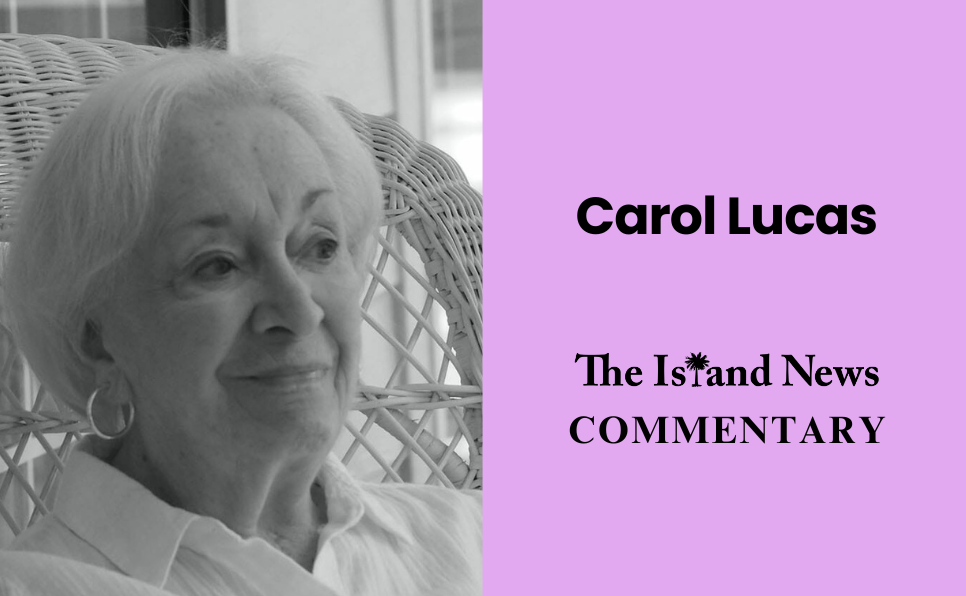
By Carol Lucas
I wish I could say that I had put together the title of this piece, but I didn’t. I was reading a short summary of a meeting between President Obama and Japanese Prime Minister Abe, and these were the words used to describe a private moment as the two leaders stood before the marble columns of the Lincoln Memorial in April of 2015.
The era of Lincoln was certainly a time in our nation’s history that was fractured; the Confederates vs. the Union, sadly, American against American. And the two men standing there in the shadow of Lincoln were experiencing their own sense of burden, knowing the adversarial history of the two countries they represented.
What does it mean to feel remorse for history? Think about World War II and all that time period produced. Japanese interment of Americans with unspeakable torture; the conclusion of the war with the bombing of Nagasaki and Hiroshima, unleashing a genie that could never be put back into the bottle.
I want to share a portion of the article because it struck me as being so poignant as to admittedly bring about tears, not so much for what happened 11 years ago at that quiet moment shared by two world leaders, but for looking ahead to America’s future.
“This was a quiet pause above the Reflecting Pool that carried the full emotional weight of seventy years of transformed friendship between two nations once locked in devastating war. What made this exchange so extraordinary wasn’t the official itinerary or the choreographed press opportunities; it was the deliberate, deeply personal choice Obama made to bring Abe to the very steps where Martin Luther King Jr. had declared his dream to a quarter-million people in August 1963 — grounding a conversation about geopolitical futures in the soil of America’s own unfinished reckoning with itself.
“That silhouette captured above the still water wasn’t just diplomacy; it was two men choosing, quietly and without cameras demanding it, to stand together in humility before the long, complicated, ultimately hopeful story of what nations can become when they refuse to let the past be the final word.”
Please, dear reader, reread this passage. I did, and I can tell you that it has been a while since I was so impacted by so few words. Note in those words that I chose to italicize America’s own unfinished reckoning with itself.
Try to apply this to our present country’s situation. We are engaged in a war, … a skirmish, not a war, an illegal war. Yours to choose. We have lost American lives, and we have lost much of our so-called prestige on the world stage. Face it, we are not the country we were 18 months ago.
We have been reduced in stature at the whim of one person who gathered about him a cadre of individuals with the same non-existent moral core as he. I choose not to elaborate upon that, but I will say that between Project 2025 and those choices, our country has become a place where history is repeating itself, and we seem unable to deter this.
To give you just one example of this, I will reference an article dealing with our economy and something called The Arctic Corridor. This is no longer just an idea but a reality that is reshaping global trade through Canada’s Arctic. It is said that $740 billion in trade is being redirected from traditional routes controlled by the U.S.
You remember Canada, dear reader, that territory that was going to humbly succumb to becoming the 51st state of the United States? Ah, finally a digression.
I admit to being surprised that the U.S. heavily influences what are called “choke points” like the Suez Canal, the Panama Canal, and the Strait of Malacca. Apparently this new route bypasses those, cutting distances by 40%, thus reducing shipping time.
I am quoting the article now. “This isn’t just a new trade route — it’s a shift in global power. For the first time in modern history, a major corridor exists that doesn’t rely on American oversight. And that raises one big question: if global trade no longer needs U.S.-controlled routes, what happens to America’s economic influence?
Returning to the image of Obama and Abe, I don’t believe we will ever see any display of a sense of burden from the present administration. They have no sense of guilt, responsibility or morality that burdens them.
And so it comes down to this: can those concerned Americans come together with the mission of rescue, and start us back on a path of self-reckoning? November elections will tell the tale, unless, of course, unlimited gerrymandering wins over what should have been voting procedure all along — one vote per person and popular vote takes all.
Carol Lucas is a retired high school teacher and a Lady’s Island resident. She is the author of the recently published “A Breath Away: One Woman’s Journey Through Widowhood.”