
Special to The Island News
Modern medicines are scientific marvels, but they can’t do the job alone. You can only gain the most benefit from them by following the medication regimen — the instructions for taking each medicine.
A medication regimen — sometimes called a drug regimen — is the plan you need to follow when taking medicine, including how much of the medicine to take at one time (the dosage), when and how often to take it (schedule) and how long the course of medication should last (duration).
“When your health care provider prescribes medication, it’s up to you to take it as directed, which maximizes its effectiveness,” said Dr. J. Russell Williams, a board-certified internist at Beaufort Memorial Primary Care. “Using some simple medication management techniques can reduce confusion and help your health.”
Medication regimens may be part of treatment regimens or the overall plans for managing an illness.
Manage medications like a boss
Medications often play a central role in treating common chronic conditions, including high blood pressure, high cholesterol, Type 2 diabetes and arthritis. Regardless of diagnosis, many of the rules of managing medications for these conditions apply across the board.
That includes the No. 1 rule: working closely with your healthcare providers to help ensure your treatment is safe and successful.
“Tell your primary care provider, specialist or pharmacist about the medications and supplements you’re already taking so they can ensure a new prescription won’t interact with them and cause adverse effects,” Dr. Williams said. “In addition, if you need to take medications in dosage forms you’re not familiar with, such as injectables, your healthcare provider can explain or demonstrate how to do it.”
Use these tips to help adhere to your medication regimen and stay safe:
- Follow instructions to the letter. Take your medications exactly as your prescribing health care provider directs.
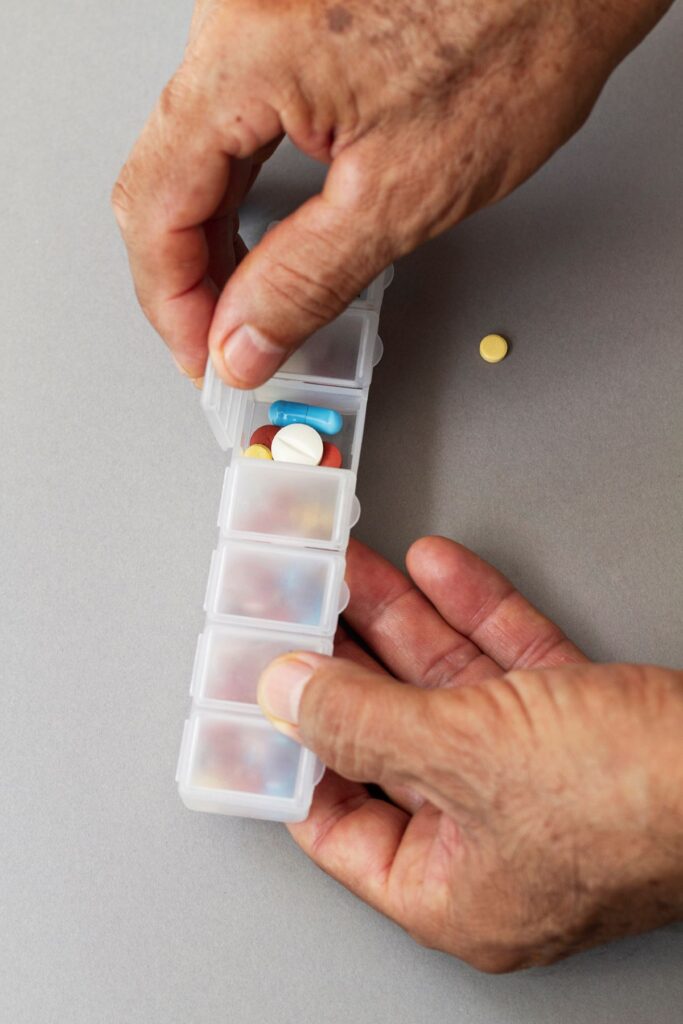
- Get organized. Fill a pill organizer each week and use it daily to help ensure you take your medications on schedule.
- Know the symptoms of a potential medication-related allergic reaction. If you develop an itch, skin rash or swelling, or have trouble breathing, seek medical care right away.
- Reach out for help. Ask a close friend or family member to call or text you daily to remind you to take your medications.
- Set alarms or write yourself reminders. Set alarms on your smartphone or use a medication management app to help you remember when it’s time to take your medicines. Want to skip the electronics? Write reminders on sticky notes and place them in strategic spots around your home, such as on your nightstand or next to your coffee maker.
- Stay the course. Managing a number of medications can be frustrating, but you shouldn’t stop taking them because management is challenging or you feel better and think you no longer need them. Take the entire course of medication unless your prescribing health care provider instructs otherwise. Talk to him or her if you’re concerned about side effects or how a medication is making you feel.
Support your medication regimen with safe storage
“In medication storage, as in real estate, location matters,” Dr. Williams said. “Where you store your medications can influence their effectiveness. If you choose the wrong location, such as a hot or damp environment, your medicines may degrade and go bad.”
Take the following steps to protect your medicines (and the people around you):
- Store medicines in a locked cabinet or box to keep them out of children’s hands.
- Leave medicines in their original containers with the labels intact.
- Pick a cool, dry place for storing your medicines, such as the drawer of your nightstand. Don’t keep them in the bathroom, under sinks or near heat sources.
When it’s time for medications to go
Dispose of medications safely by dropping them in a medication disposal box in your community.
Alternatively, check the Food and Drug Administration’s flush list to see if it’s safe to flush your medication.
If it’s not flushable, mix the medication with dirt or coffee grounds, seal it in a container or bag with a zipper, and throw it away.