
Special to The Island News
It might surprise you to learn that everyone has hemorrhoids.
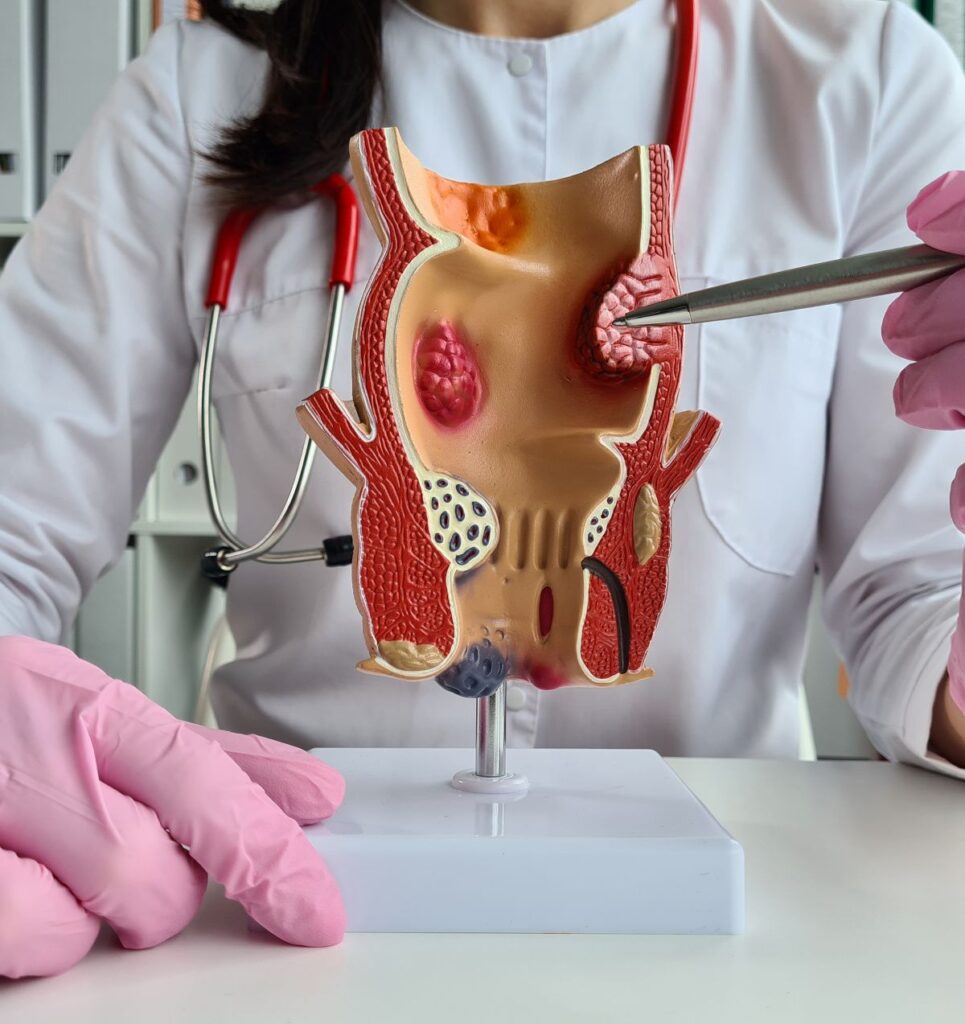
Technically, hemorrhoids are small clusters of veins lining the anus and the lower part of the rectum. While we all have them, they sometimes become swollen and painful — that’s the condition we know as hemorrhoids.
These swollen veins are quite common. According to the National Institute of Diabetes and Digestive and Kidney Diseases, approximately half of people in the United States who are 50 and older have hemorrhoids.
“Hemorrhoids are a problem that many people encounter throughout their life,” says Dr. Taylor Turnbull, general surgeon with Beaufort Memorial Surgical Specialists. “While they can be quite painful and troublesome, there are many good options available for treatment. Many patients will find that their symptoms improve tremendously with the use of simple over-the-counter remedies.”
If we all have hemorrhoids, what causes these veins to sometimes swell and become uncomfortable? The short answer is pressure.
Any time you have a bowel movement, you’re putting a small amount of pressure on the anus and rectum. That normally isn’t a problem, but extra or prolonged pressure placed on these veins can cause them to swell.
What causes that extra pressure? Any number of factors, including:
- Having chronic constipation
- Having chronic diarrhea
- Lifting heavy objects frequently
- Sitting on the toilet for long periods of time
- Straining during bowel movements
Pregnancy and aging can also increase the risk of developing hemorrhoids — for different reasons.
The symptoms of hemorrhoids vary depending on which type of hemorrhoid you have. Internal hemorrhoids develop on the lining of the lower rectum and anus, inside the body. External hemorrhoids, on the other hand, develop on the skin under the anus, outside the body.
If you’re experiencing discomfort, you probably have external hemorrhoids. Unless they prolapse, internal hemorrhoids are often painless.
Your provider will perform a physical exam, often accompanied by a digital rectal exam, to determine whether hemorrhoids are causing your symptoms and how best to treat them. You may be able to find relief from hemorrhoids by adjusting your habits and trying some basic at-home care.
- Bathe in warm water several times a day, either in a bathtub or using a sitz bath to immerse your buttocks and hips in several inches of water. After bathing, gently pat the anus dry or use a hair dryer to blow it dry.
- Get moving. Being physically active, even in small bursts, can help regulate the digestive system and stimulate bowel movements.
- Increase your fiber intake by eating plenty of fruits, vegetables and whole grains or taking fiber supplements. Fiber can regulate your digestive system and allow bowel movements to pass more smoothly.
- Use over-the-counter products, such as hemorrhoid creams or suppositories, to reveal pain and itching related to external hemorrhoids. Anti-inflammatory medications or pain relievers taken by mouth may also be helpful.
While home treatments often provide relief from hemorrhoids, check in with your primary care provider or another medical provider if you’ve tried at-home treatments for one week or longer without relief.
You should also see a medical provider if you have rectal bleeding. This can include bright red blood in your stool, or traces of blood in the toilet or on toilet paper after a bowel movement. Rectal bleeding is also a symptom of more serious conditions, such as colorectal cancer, anal cancer and ulcerative colitis.
Because of that, it’s always best to have this symptom checked out by a medical provider.
Rubber band ligation for hemorrhoids
If home treatments don’t provide relief from hemorrhoids or you’re experiencing severe symptoms, you may be a candidate for a minimally invasive procedure called rubber band ligation. During this procedure, a small band is placed at the base of a hemorrhoid. This band cuts off blood supply to the hemorrhoid, causing it to shrink and fall off, relieving symptoms.
“While it is not right for everyone, rubber band ligation is a great option for many patients who struggle with symptomatic internal hemorrhoids,” says Dr. Turnbull. “It is a quick, safe, and painless procedure that can be performed in our general surgery office.”
If you’ve had hemorrhoids once, the last thing you want is to have them again. Making changes to your habits and routines can help you prevent hemorrhoids.