
Special to The Island News
Cancer can affect anyone and everyone. Fathers, mothers, grandparents, aunts and uncles get diagnosed every day.
Breaking the news of this diagnosis can be complicated.
“A parent’s initial reaction is often to protect their child and hide a cancer diagnosis,” says Kim Wade, RN, BSN, OCN, an oncology nurse navigator at the Beaufort Memorial Keyserling Cancer Center. “While this response is understandable, it can add additional stress to the situation. Besides, kids know when something is off. Not telling them the truth can make them fear the worst.”
When you break the news of a cancer diagnosis, start the conversation with any facts you know. A few to start with include:
- Cancer name — Some types of cancer, such as breast cancer, clearly state where the cancer began. With a less common cancer, you may need to tell your child which body part the cancer affects.
- Diagnosis and treatment — Tell your child about the tools used in diagnosing cancer, including imaging tests, such as computed tomography (CT) scans, and biopsies. Then explain treatment options that will help remove cancer cells.
- What to expect — Cancer treatment often takes a long time. It can take months or longer, possibly with weekly radiation therapy or other treatment. Side effects of treatment may include hair loss, weakness and more. Additionally, a cancer diagnosis may affect your child’s daily routine. The loved one may be unable to attend sporting events or give rides to school.
“While symptoms of cancer aren’t always obvious, treating cancer often has a very visible effect,” Wade says. “Discussing these with a child helps them prepare themselves mentally.”
As you give details of the loved one’s cancer care journey, use age-appropriate language. While a teenager may be able to understand cancer risk factors and how a positron emission tomography (PET) scan works, toddlers will need more basic information. Adjust accordingly to make sure your child feels informed.
Let your child ask questions
Children are curious, so let them ask questions. If your child asks how bad the cancer is, give an honest answer that is understandable to them. Explain what the stage of the cancer means and what kind of specialists make up the loved one’s cancer care team.
Also, remember that being honest and transparent doesn’t always mean clear, complete answers. Sometimes, it means admitting you don’t have all the answers.
“There is no one-size-fits-all cancer journey. Every one of them is unique and comes with its own set of challenges,” Wade says. “So, it’s OK to admit when you don’t know something or when you feel afraid. Your child will appreciate your candor. When you get answers to your child’s questions, share them. Doing this helps your child feel less alone and more like part of the team, that you’re in this together.”
Address cancer diagnosis myths, misunderstandings
The internet and other media sources can overwhelm your child with information about cancer. Some of it isn’t accurate. This means you may have additional responsibilities as a parent.
“As our understanding and treatment of cancer improves, misinformation is keeping pace,” Wade says. “To correct myths, give your child an opportunity to voice those beliefs, then explain the truth without making your child feel foolish or suspicious that you’re holding back information.”
Time your cancer diagnosis discussion
Before rushing off to tell your child about a loved one’s cancer diagnosis, consider the timing.
“While there’s never a good time for a cancer diagnosis, certain times are better to share the diagnosis with children,” Wade advises. “Timing your discussion can help your child process the information in a helpful manner.”
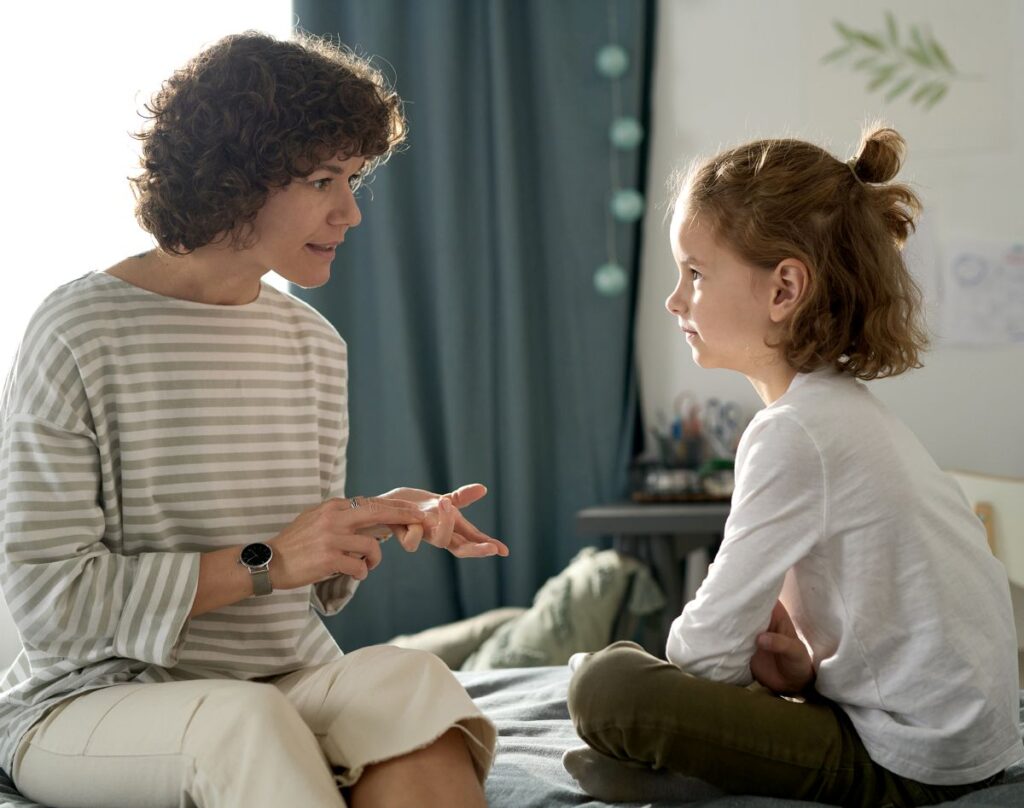
When planning these difficult discussions, aim to hold them in a private setting. If you have more than one child, tell each child of the diagnosis separately. This way, you can use age-appropriate language. You can also better recognize each child’s reaction to the news, which allows you to provide additional information to ensure the child has as complete an understanding as possible.
Hearing a loved one’s cancer diagnosis is difficult for anyone. Relaying the diagnosis to a child can be uncomfortable, but doing so can help reduce fears and provide your child with comfort.