
Legislators call for donations to actually build statue expected to cost between $1 million and $2 million
By Skylar Laird
SCDailyGazette.com
COLUMBIA — In the early hours of May 13, 1862, an enslaved man delivered himself, his fellow crew members and their families past a Confederate barricade to freedom.
Exactly 164 years later, on the state-designated day commemorating the escape, state lawmakers celebrated Robert Smalls and the legacy they hope more people learn about through a monument to the Civil War hero on Statehouse grounds.
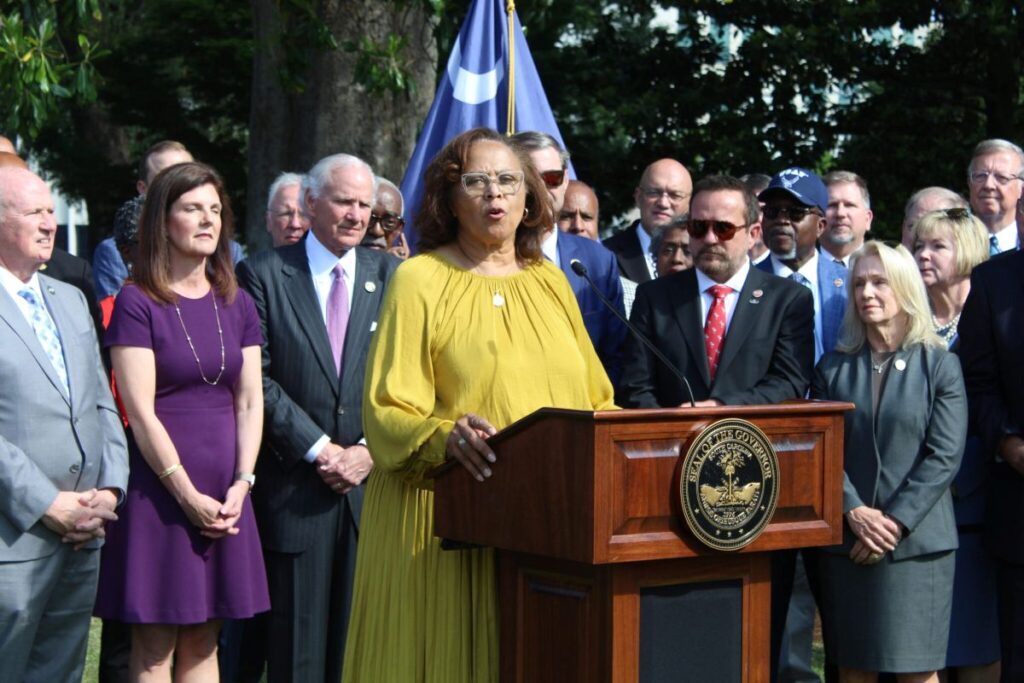
Standing on the empty patch of land just outside the Statehouse’s visitors’ entrance where Smalls will stand, the governor, Department of Administration officials and legislators related the late congressman’s story and asked for money to commemorate him.
“Long after we’re all gone, children will walk these Statehouse grounds and see his statue standing there,” said Sen. Margie Bright Matthews, who represents part of Beaufort County and sits on the commission overseeing the work. “They will ask who Robert Smalls was. And because of what we’ve done today, South Carolina will finally answer the question the right way.”
The monument, which will depict Smalls in the sort of three-piece suit he would have worn in Congress, is expected to cost between $1 million and $2 million. Under the 2024 law that authorized the building of a monument to Smalls, all of the funding must come from donations instead of state revenue.
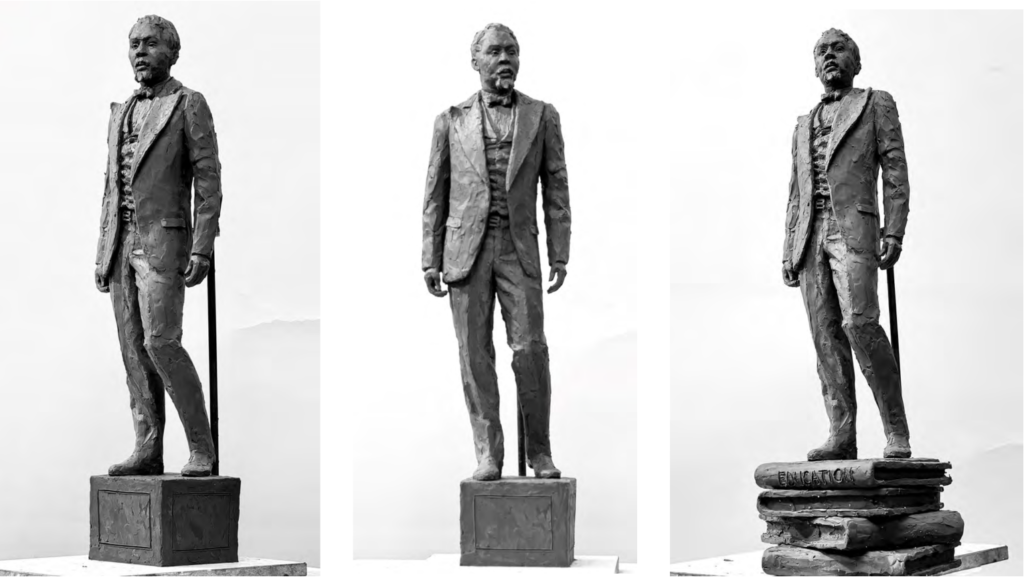
The primary goal of Wednesday’s groundbreaking ceremony, which did not literally break any ground, was to ask for donations to fund that work. Basil Watson, an Atlanta-based artist who has created other sculptures commemorating South Carolina history, will create the monument.
“Monuments matter,” said Matthews, a Walterboro Democrat. “Your donations will matter. They tell us whose story deserves to be remembered, and they tell future generations what kind of courage and leadership we choose to honor.”
Smalls will be the first individual Black person honored on the Statehouse grounds. Several sculptures on the nearby African American History Monument clearly depict famous Black South Carolinians, including the Rev. Jesse Jackson and Ronald McNair. But no one is named.
“For far too long, the contributions of Black South Carolinians were overlooked, minimized or left out entirely from the public places of power in the state,” Matthews said. “But not today.”
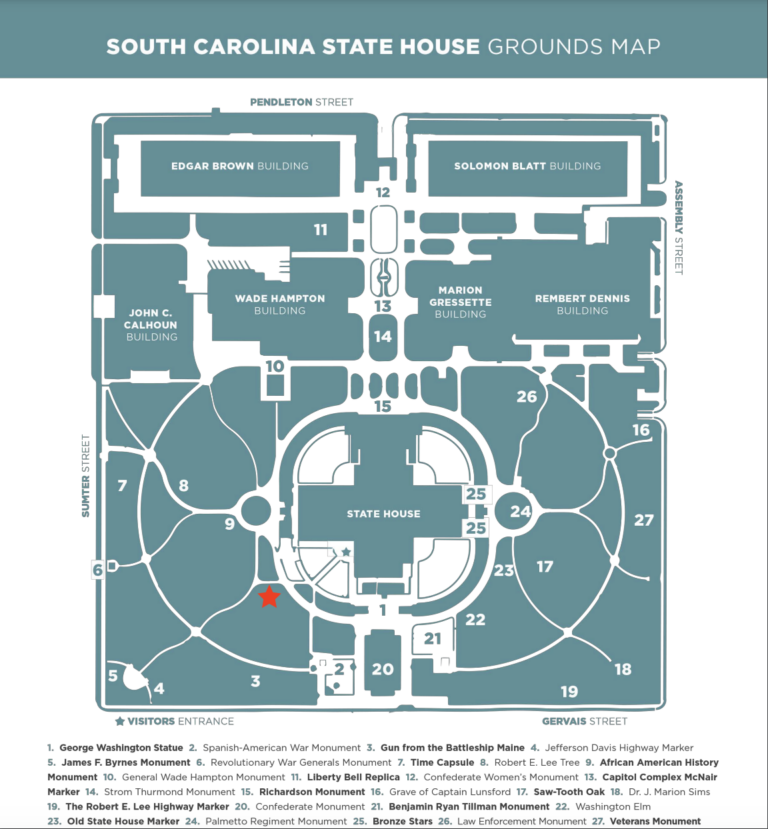
The monument of Smalls will stand on the opposite end of the Statehouse’s north side from a statue of former governor and U.S. Sen. Ben “Pitchfork” Tillman.
Smalls frequently fought with the avowed white supremacist, who advocated killing Black people who tried to vote and convened the 1895 convention that that rewrote the state constitution to disenfranchise Black voters, despite Smalls’ pleas to the contrary.
Both played a role in the state’s history, said former Sen. Gerald Malloy, who is overseeing the monument’s fundraising efforts.
“Our history is complex. It’s honest, it’s painful, it’s triumphant, and it’s incomplete unless all the voices are represented,” Malloy said. “So, Robert Smalls belongs here, not as a footnote, not as an afterthought, but as a giant of South Carolina history.”
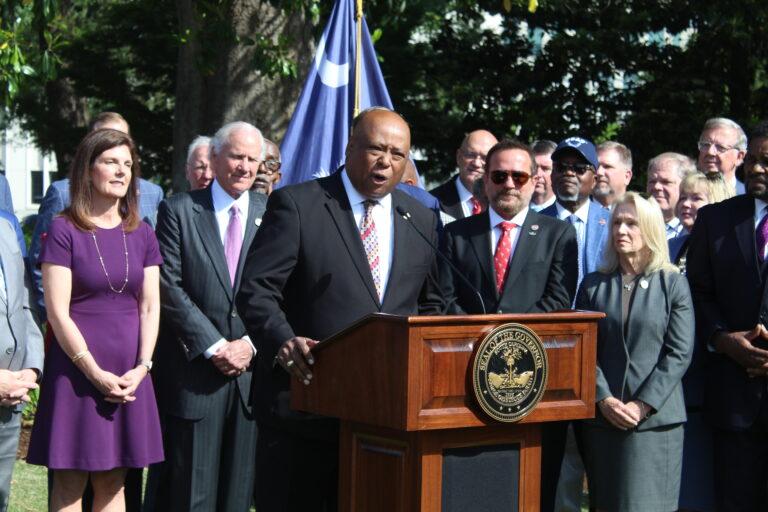
For two years, a portrait of Smalls and a description of his history have sat on a table outside the governor’s office. Gov. Henry McMaster would hang a more official picture on the wall, but state law prohibits it, he said Wednesday.
A 2007 law put a moratorium on adding any new statues, busts or portraits to the Statehouse and its grounds, with the exception of the House and Senate chambers, out of concerns the capitol complex might become overcrowded with memorials.
The proposal for Smalls’ memorial needed supermajority support from a dedicated committee as well as approval from both chambers.
People often stop to read and marvel at Smalls’ story, McMaster said.
Putting up Smalls is a way of remembering the state’s past while looking toward its future, he said.
“The reason our state is so strong is because we remember where we’ve been,” McMaster said. “And the reason we remember where we’ve been is because we’re strong.”
Skylar Laird covers the South Carolina Legislature and criminal justice issues. Originally from Missouri, she previously worked for The Post and Courier’s Columbia bureau. S.C. Daily Gazette is part of States Newsroom, the nation’s largest state-focused nonprofit news organization.