By Luke Frazier
The Island News
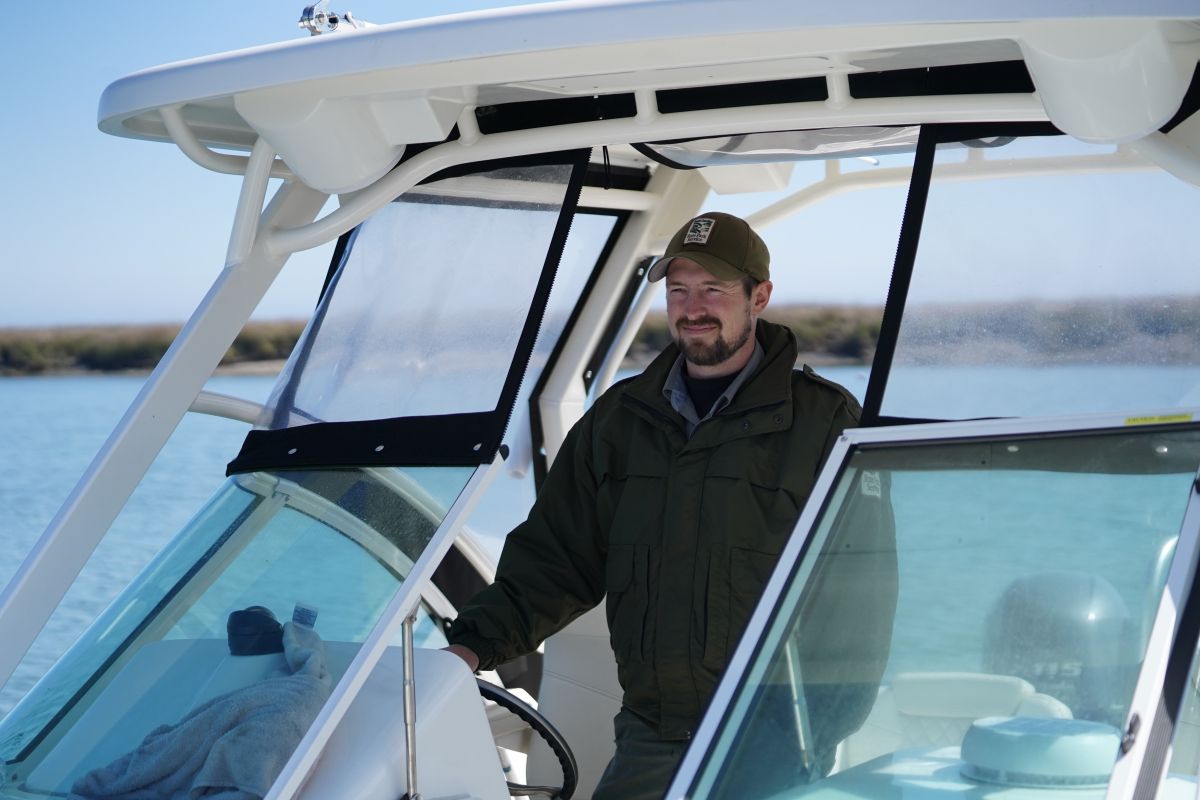
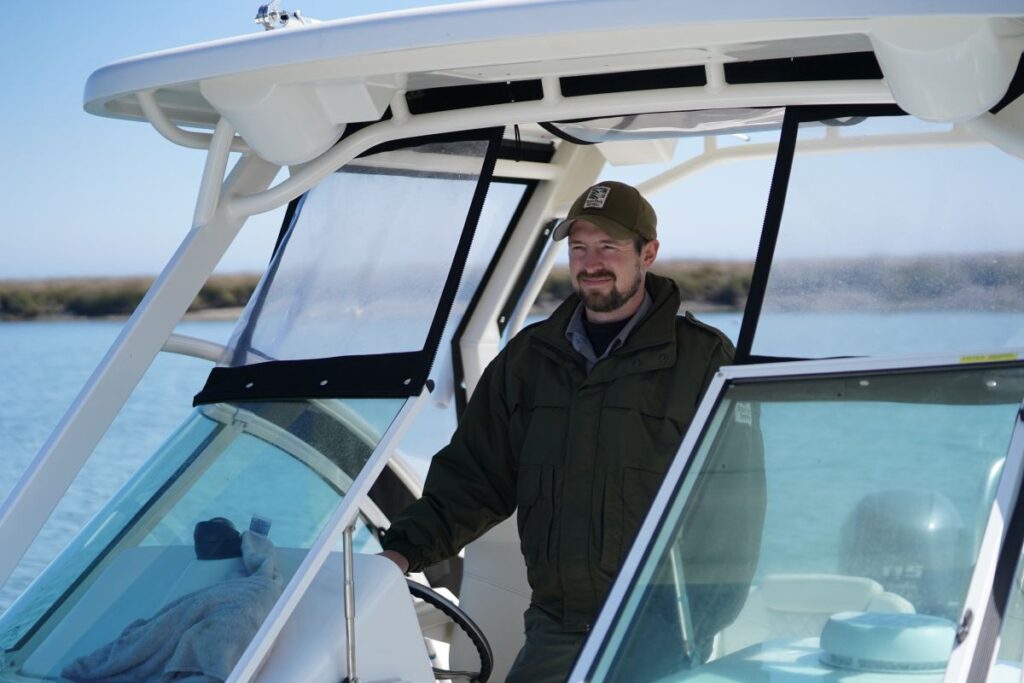
One way to journey out to the natural wonder known as St. Phillip’s Island is to take a boat from Russ Point, just west of the bridge to Fripp Island. And if you’re fortunate enough to be transported there by S.C. Park Ranger John Alexander, you’ll get a nice dose of narration along the way.
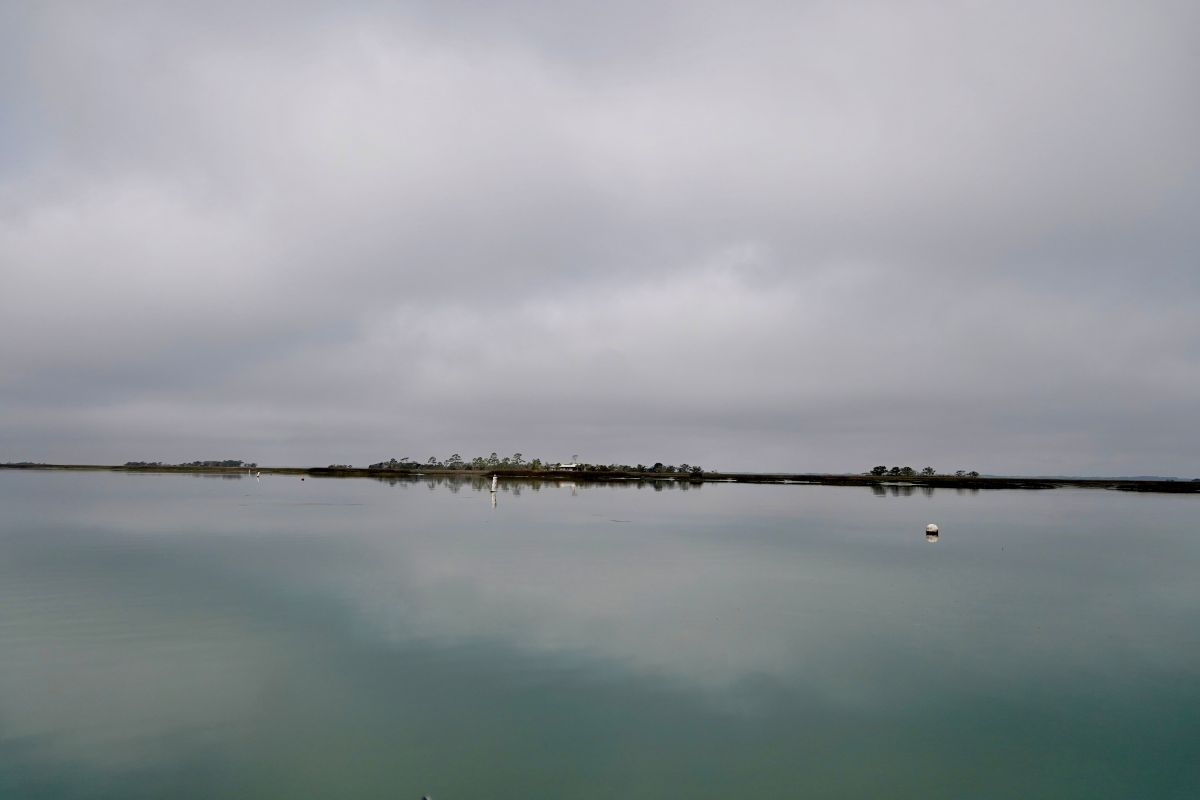
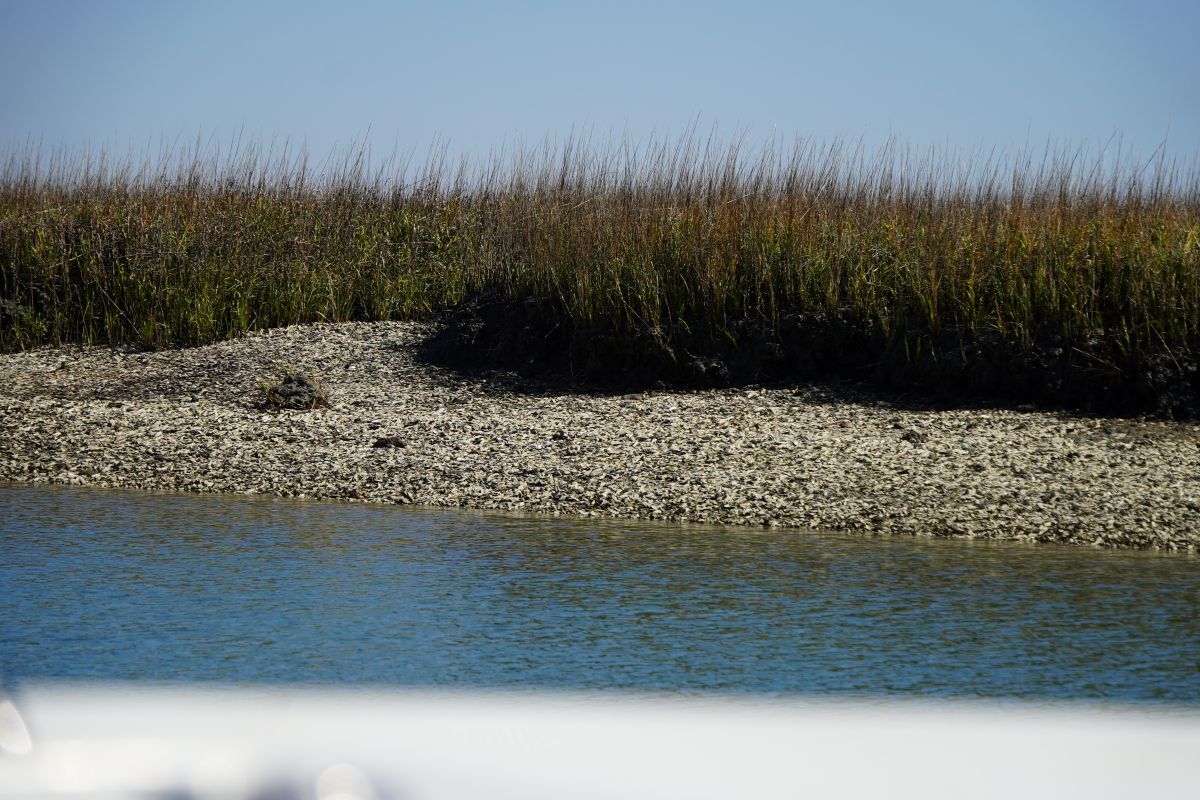
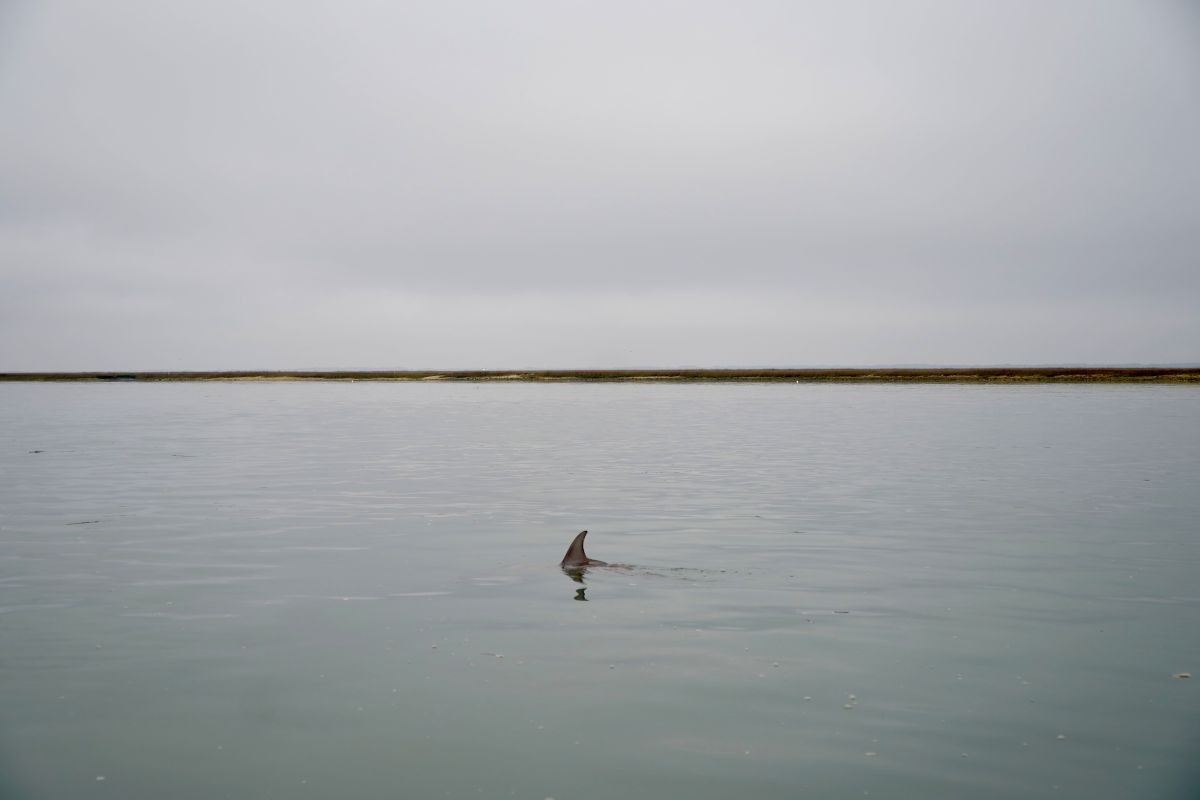
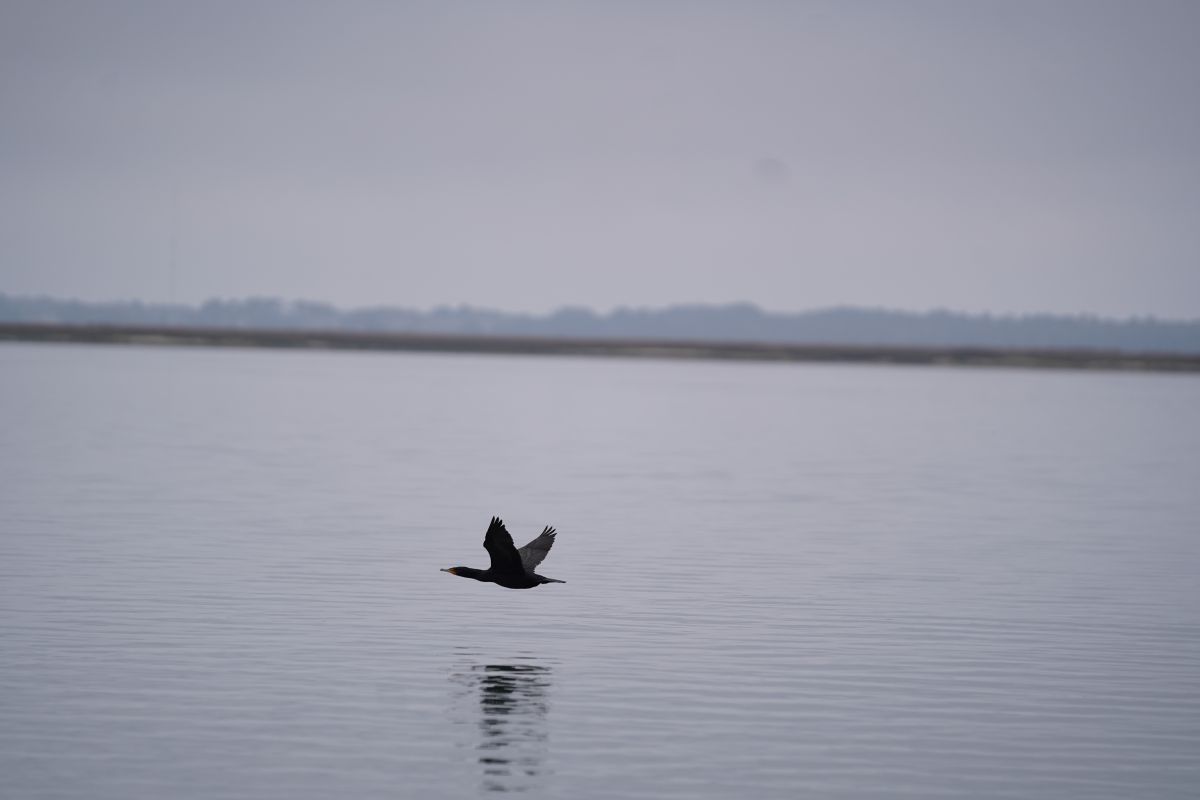
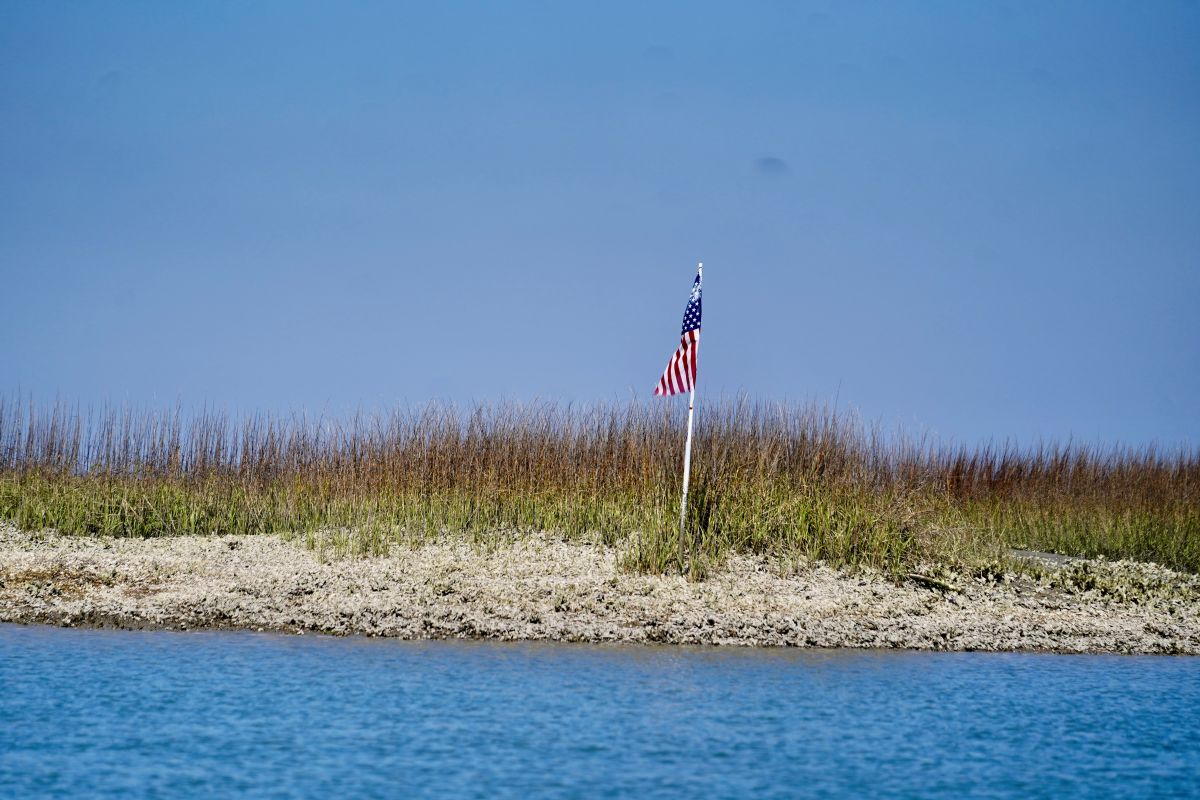
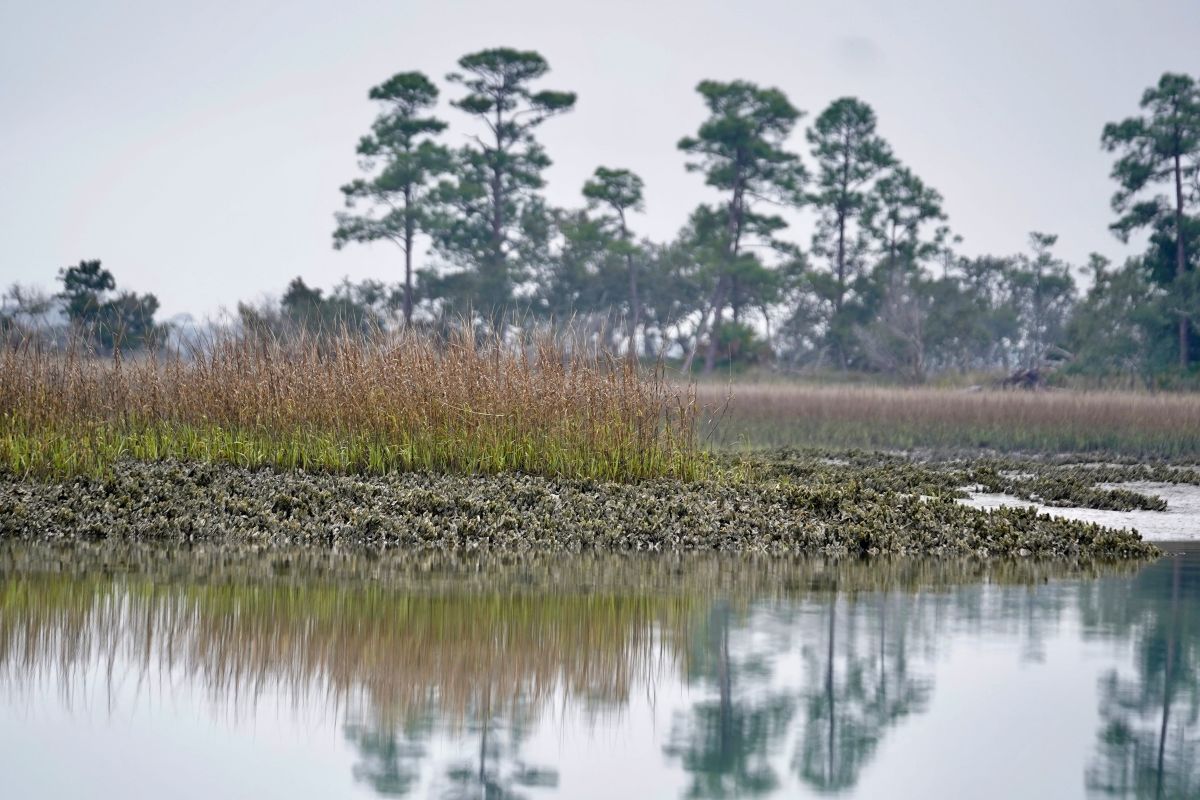
You will hear about dolphins playing, sharks feeding, birds returning, tides chiseling channels over one hundred feet deep, and learn that when each of the hundreds of thousands of oysters living in the beds that stretch to the horizon were tiny, they were called spats.
Then you’ll hear that after a bit these spats seek out the comfort of clusters and proceed to live a life of tremendous ecological service by filtering up to 50 gallons of water a day. Alexander says with no small amount of oyster admiration that this is a big reason waterways here are so clean and healthy.
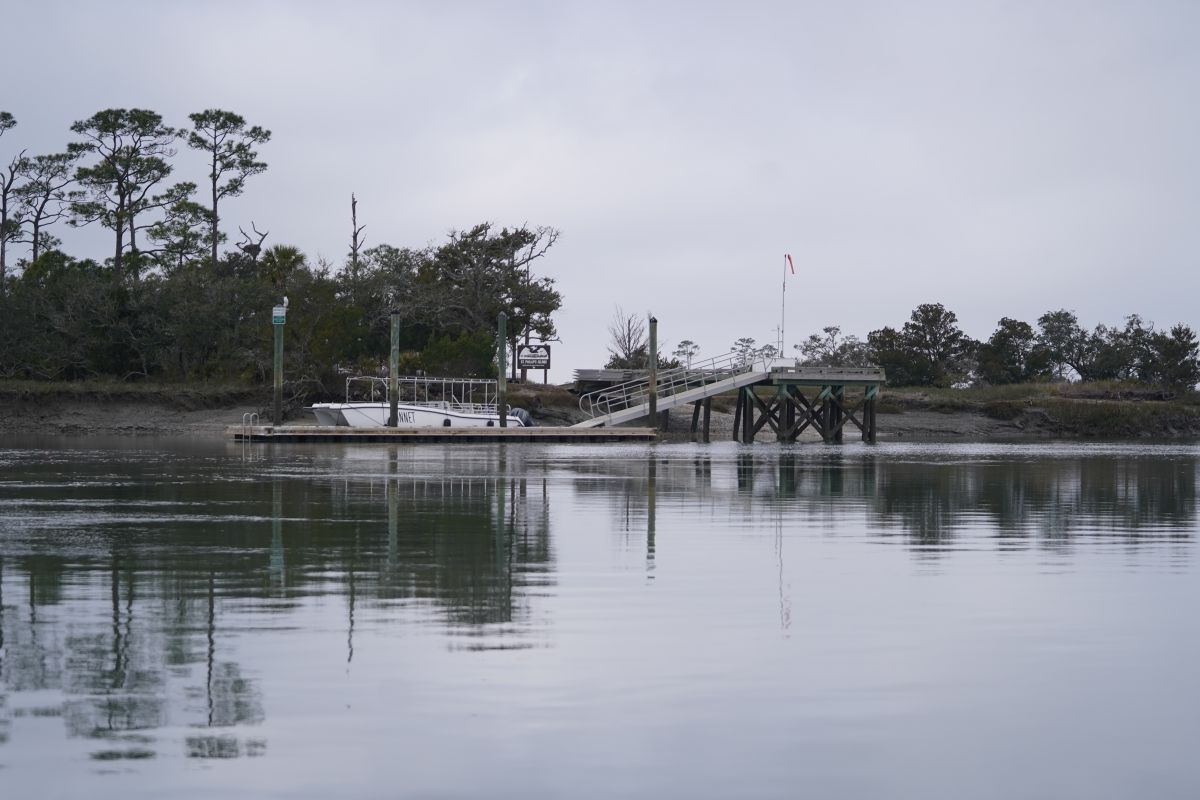
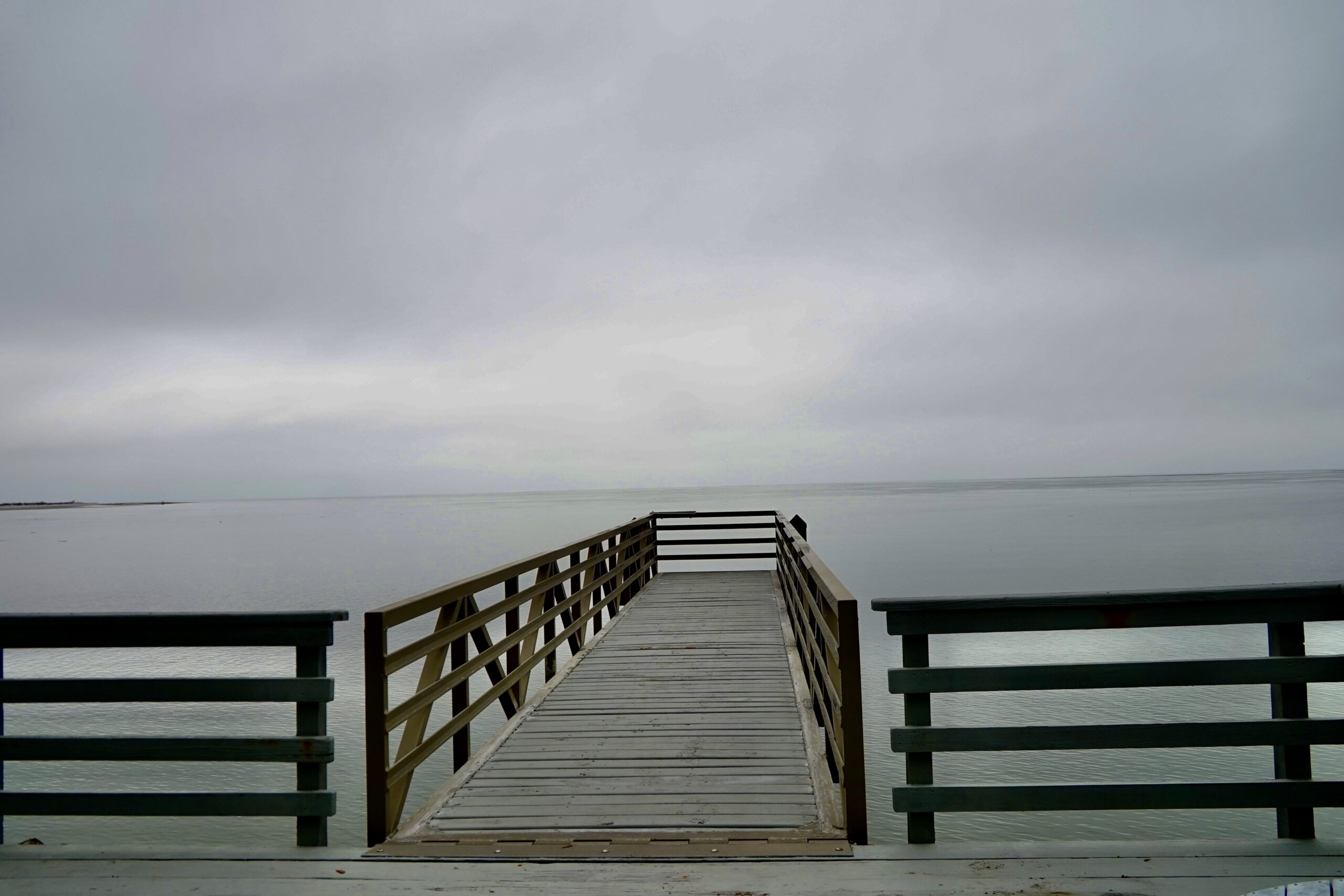
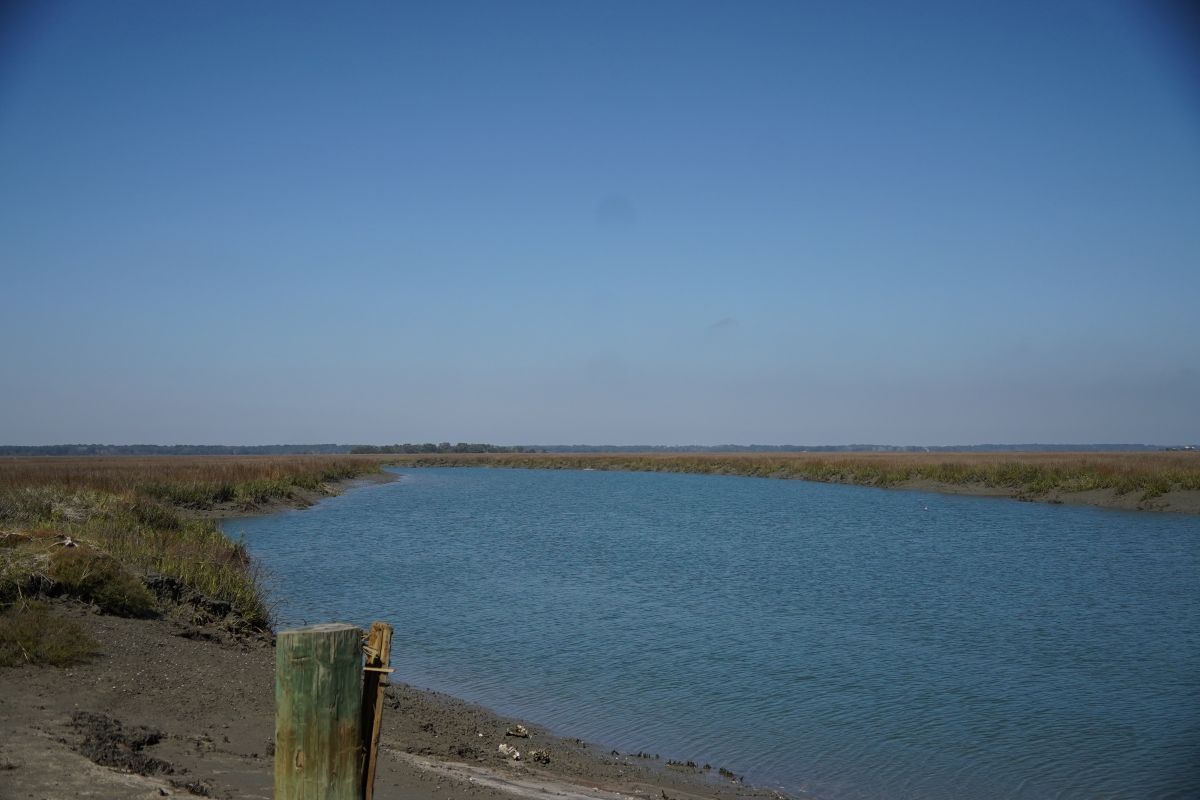
This beautiful 8-mile route to St. Phillip’s takes you down the Story River, meets the Harbor River, traverses Trenchards Inlet, and then veers into a winding creek that leads to the Island’s only dock.
When you step onto that dock after the ride, you might feel primed and ready to learn more, but first you have to deal with the reality that hits you right there at the water’s edge: the realization that that you are somewhere that is, by far, not like anywhere else you’ve ever been.
You might know that there are various degrees of silence in the world, and many different qualities of light as well. But when you first arrive at these 4,680 acres of barrier island, you step into a space that combines the two in a way that only the word enchanted even has a chance of capturing.
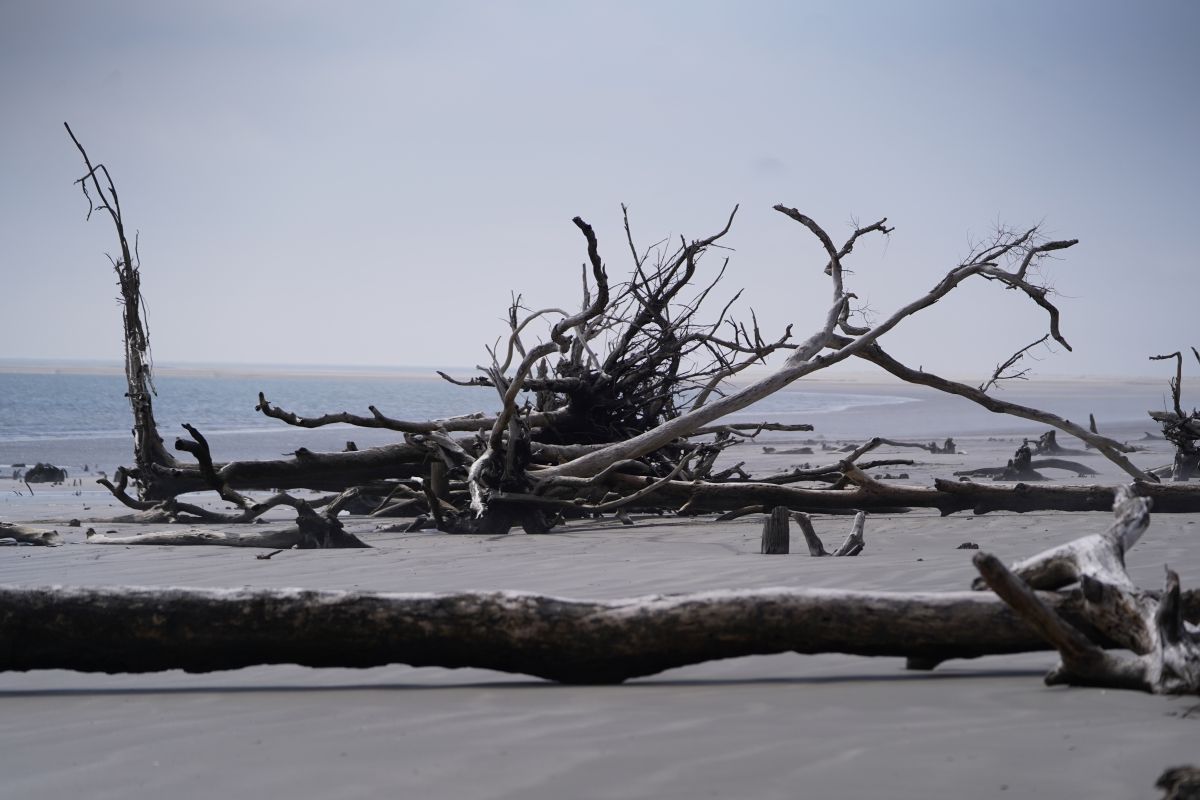
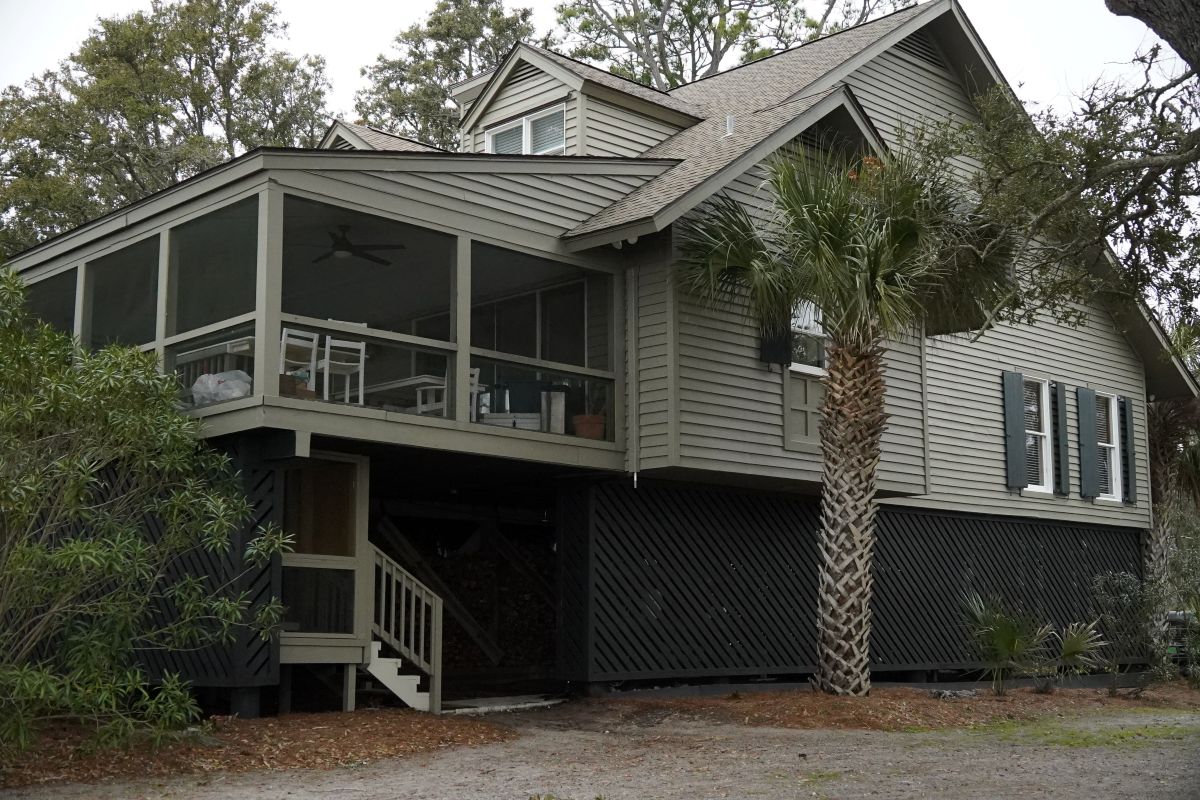
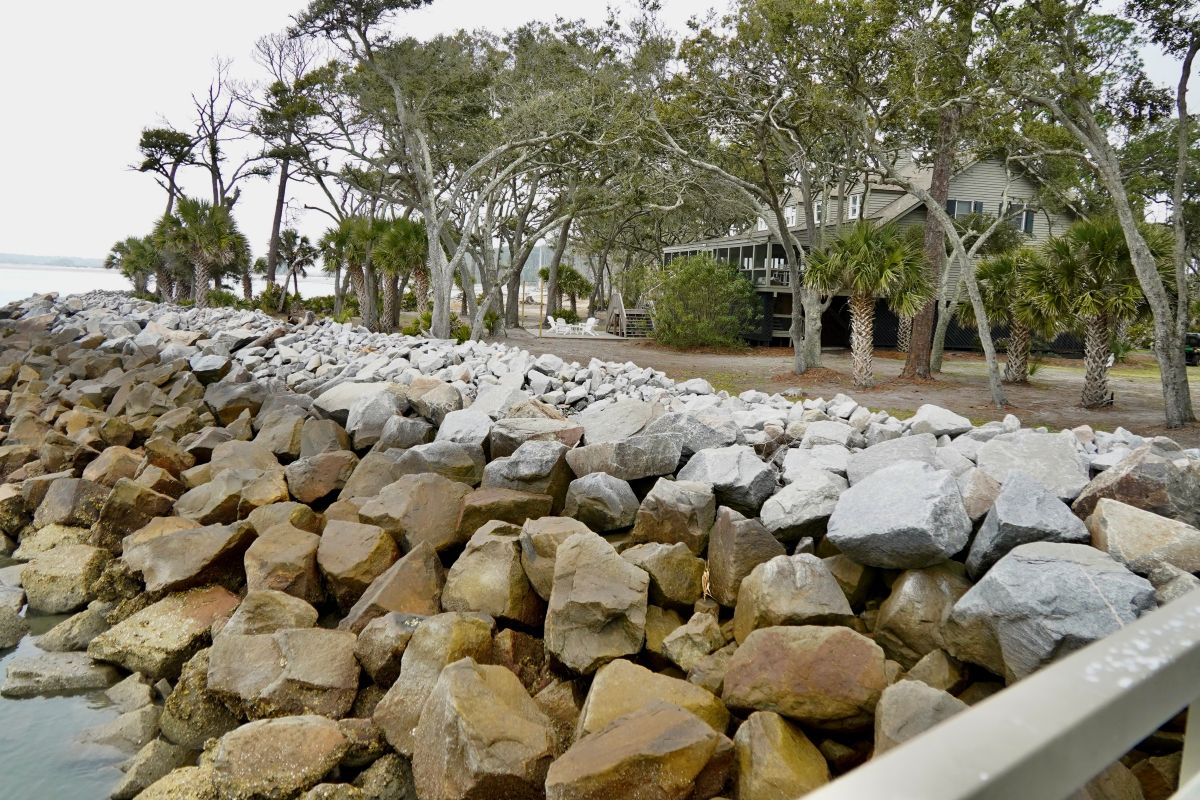
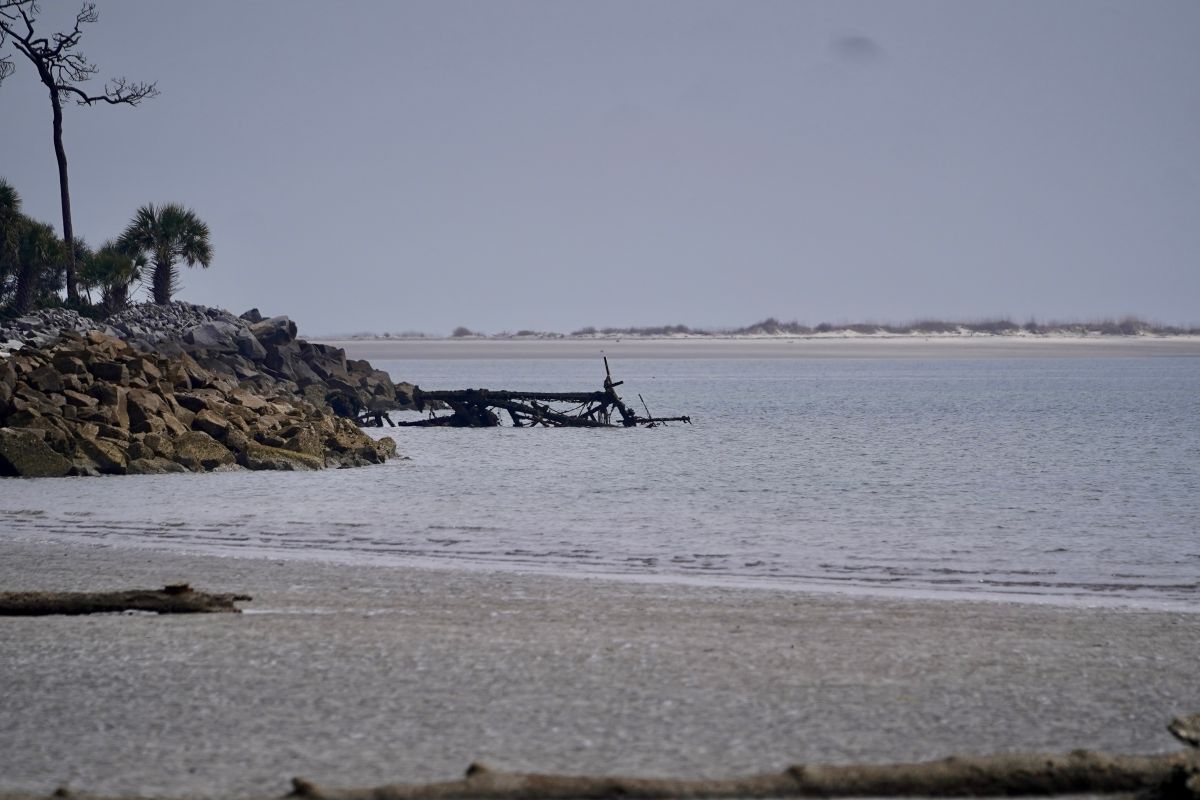
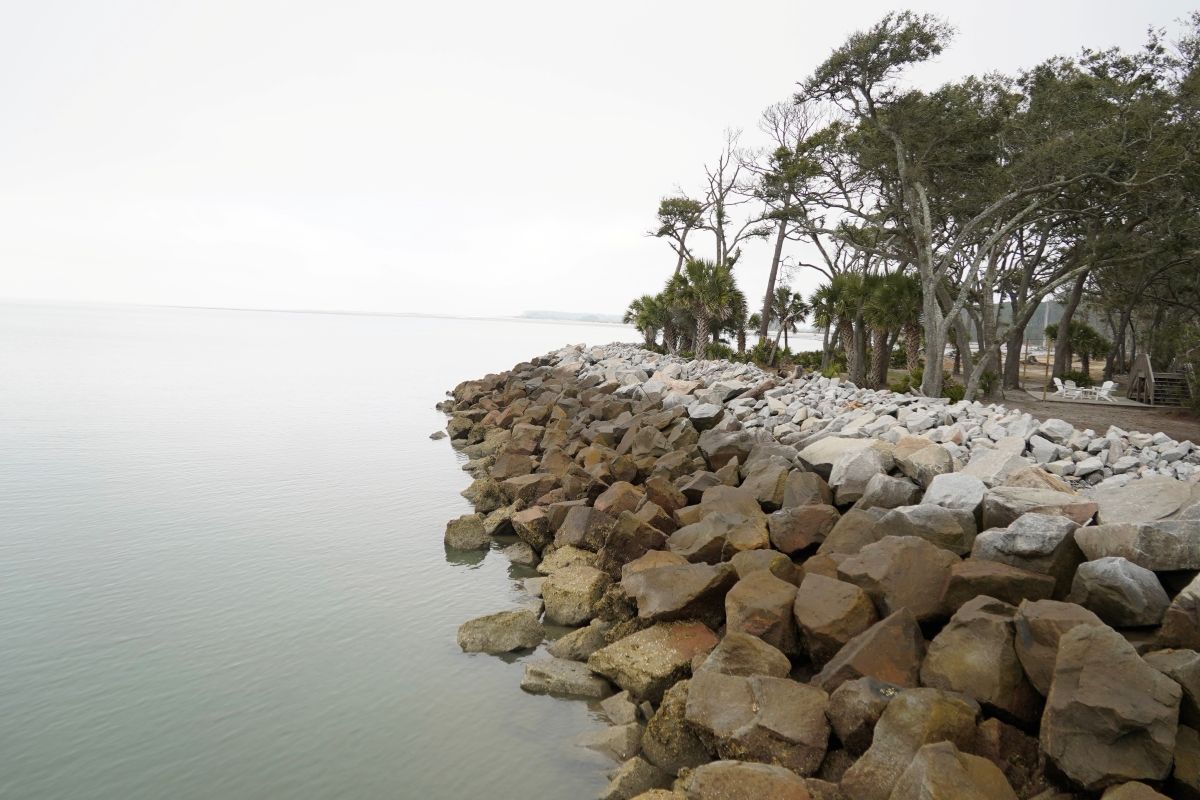
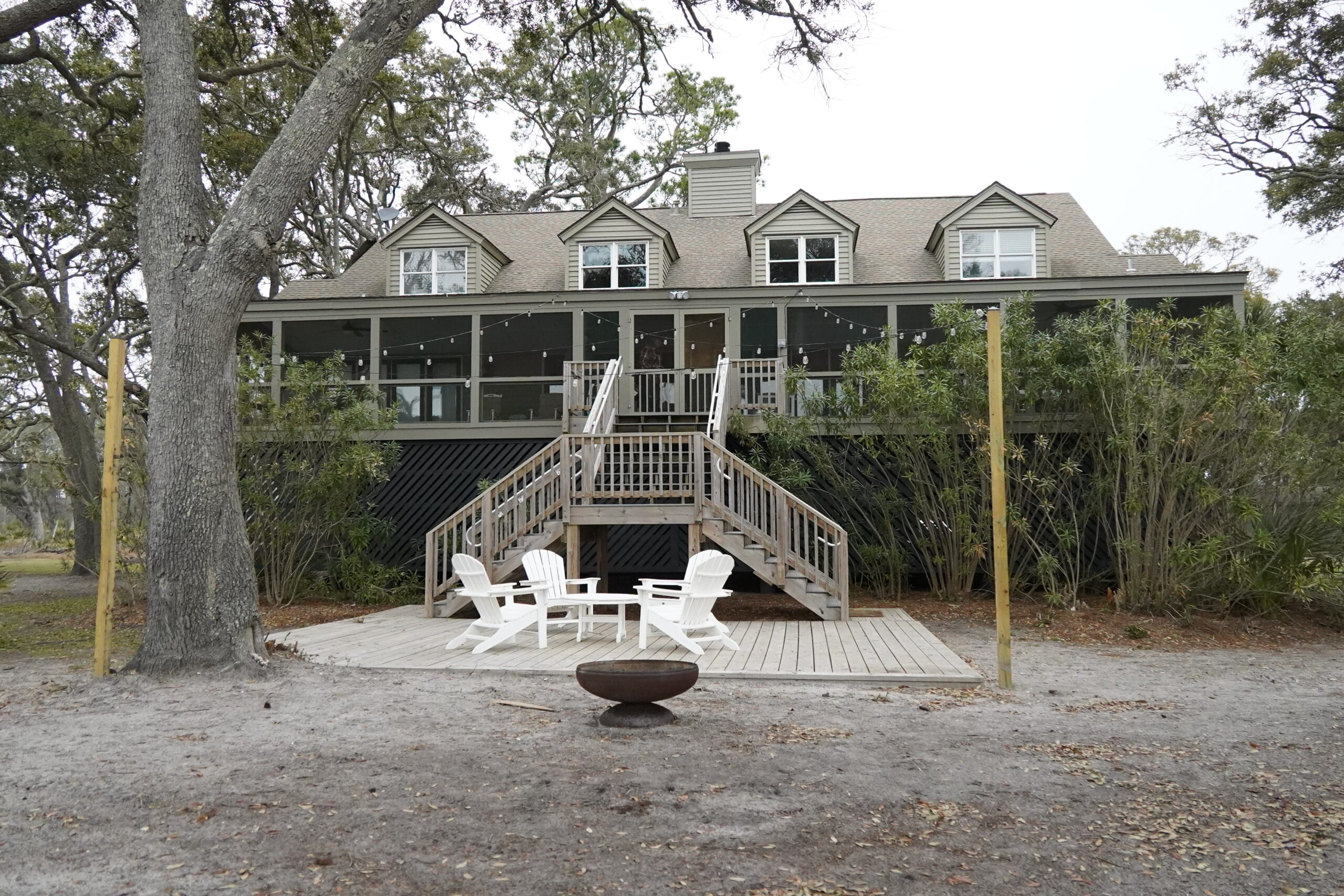
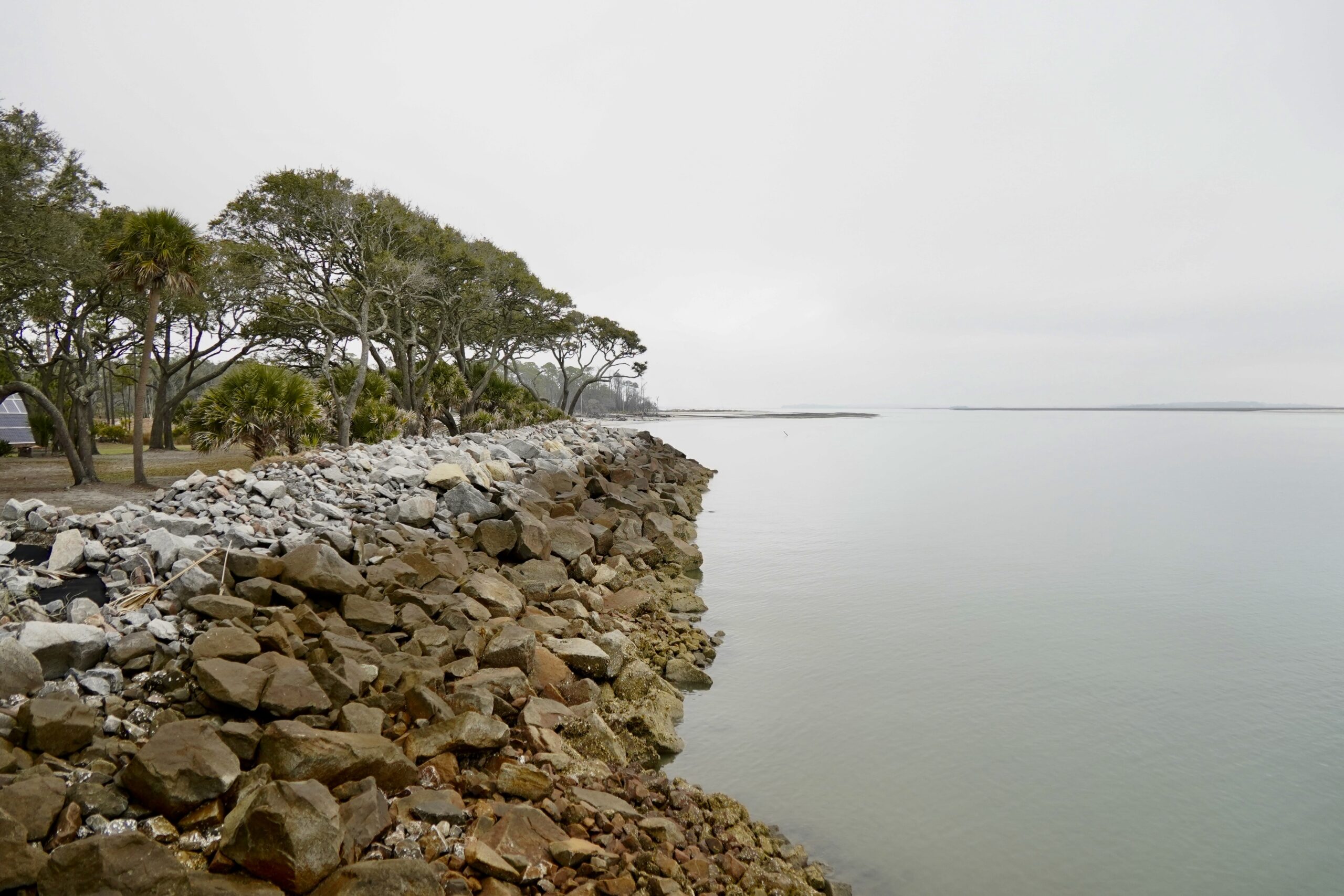
Ray “Boogie” Tudor was the Island’s caretaker from 1979 to 2017, the entire time that Ted Turner owned it before selling it to the State of South Carolina. When he first set foot on St. Phillip’s, there wasn’t much of anything that wasn’t already naturally there. Boogie oversaw cutting roads and trails, building the two houses and related maintenance buildings, shoring up the beach with rocks, and making it all work for the Turner family and friends.
Boogie puts it simply when reflecting on his first trip to island, “I thought I’d died and gone to heaven.”
He also mentions how the silence seems to hug you and says that when he was asked to be caretaker, “It was like God passed that on to me.”
Such is the nature of the enchantment that continues to affect visitors today.
After you catch your breath and start to take in sound again Alexander, whose title is Operations Manager, invites you to climb into an ATV for the more-than-3-mile trip to the house. Along the way there is more narration as you ingest all the sights, sounds, and smells amid the bumps and curves. Alexander tells you the entire island is made up of ancient dune structures that account for the rolls and sways.
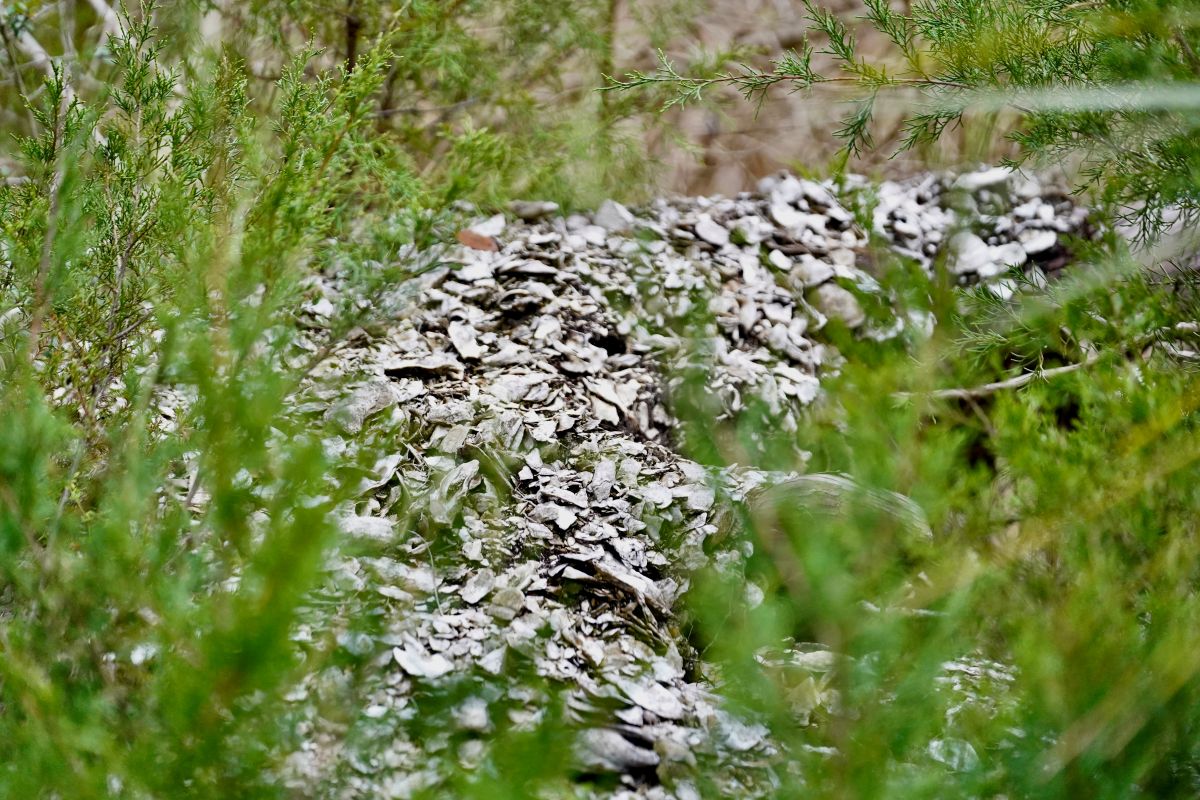
He stops and points out a Native American shell midden, a kind of ancient refuse dump that might include mollusk shells, bones, and cultural artifacts. Because St. Phillip’s is covered by a conservation easement, these mounds haven’t been dug into. Alexander says that different tribes inhabited the island during the Woodland Period of 2,000 to 3,000 years ago. A St. Phillip’s fact sheet names the Escamacu tribe as a likely one, part of the larger unified coastal tribe of Cusabo.
Recently, St. Phillip’s has been designated as an official member of the Old-Growth Forest Network, with a celebration coming in May.
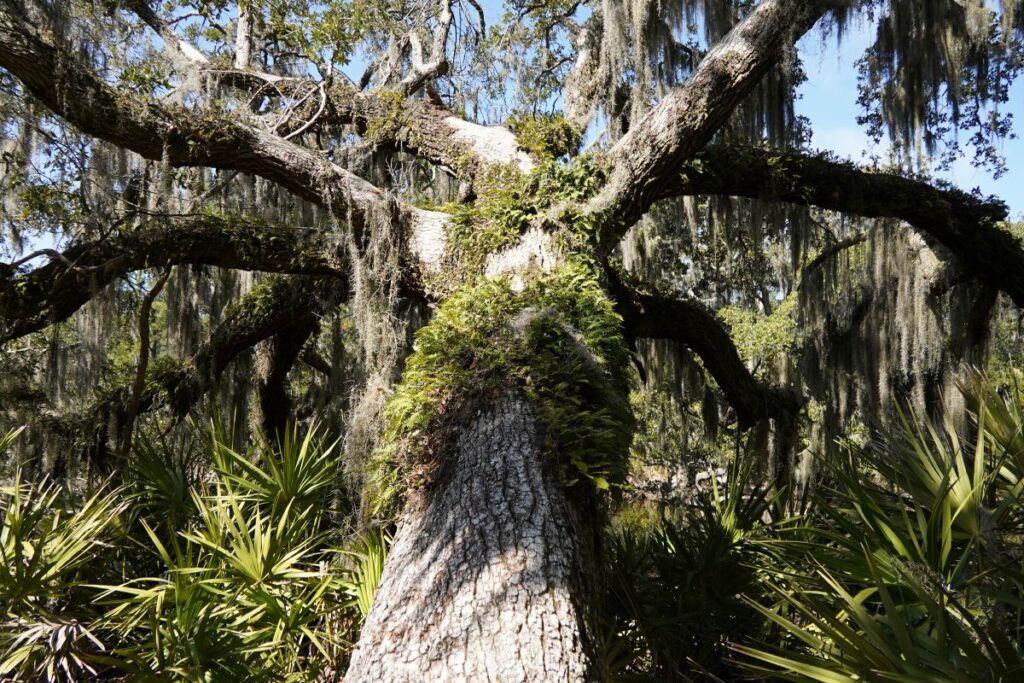
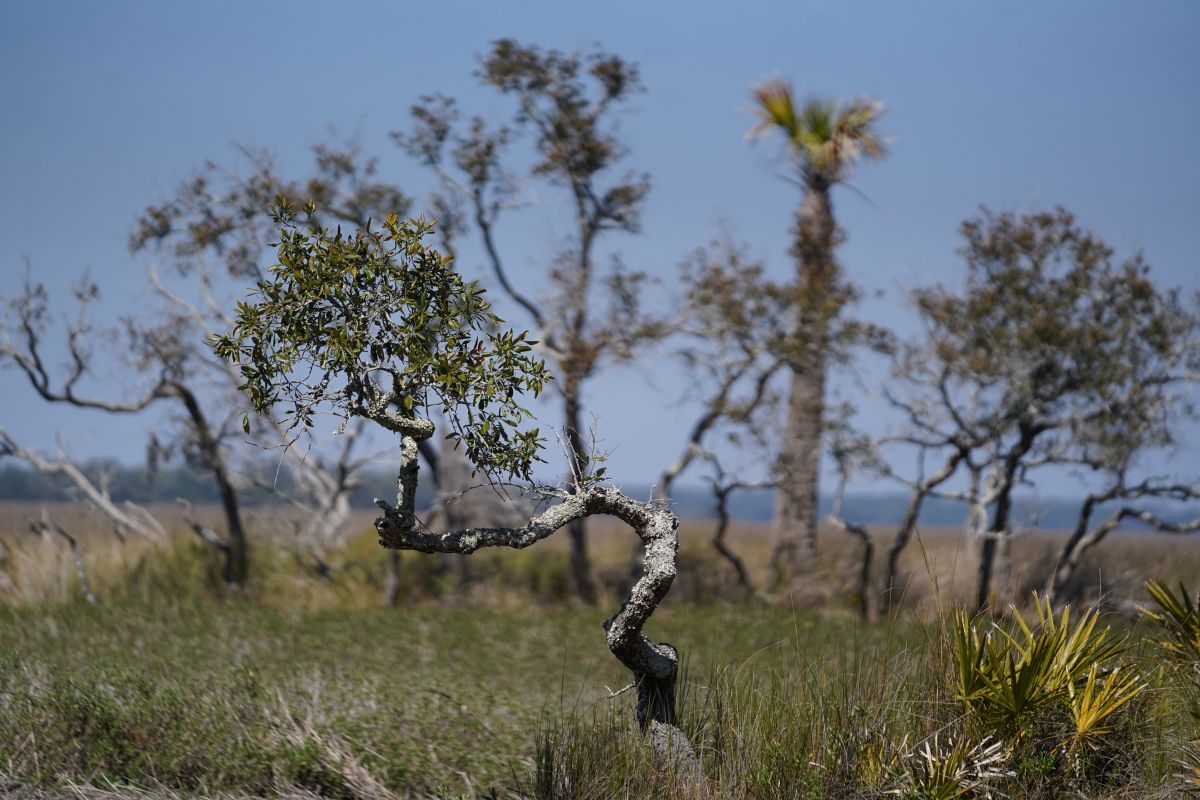
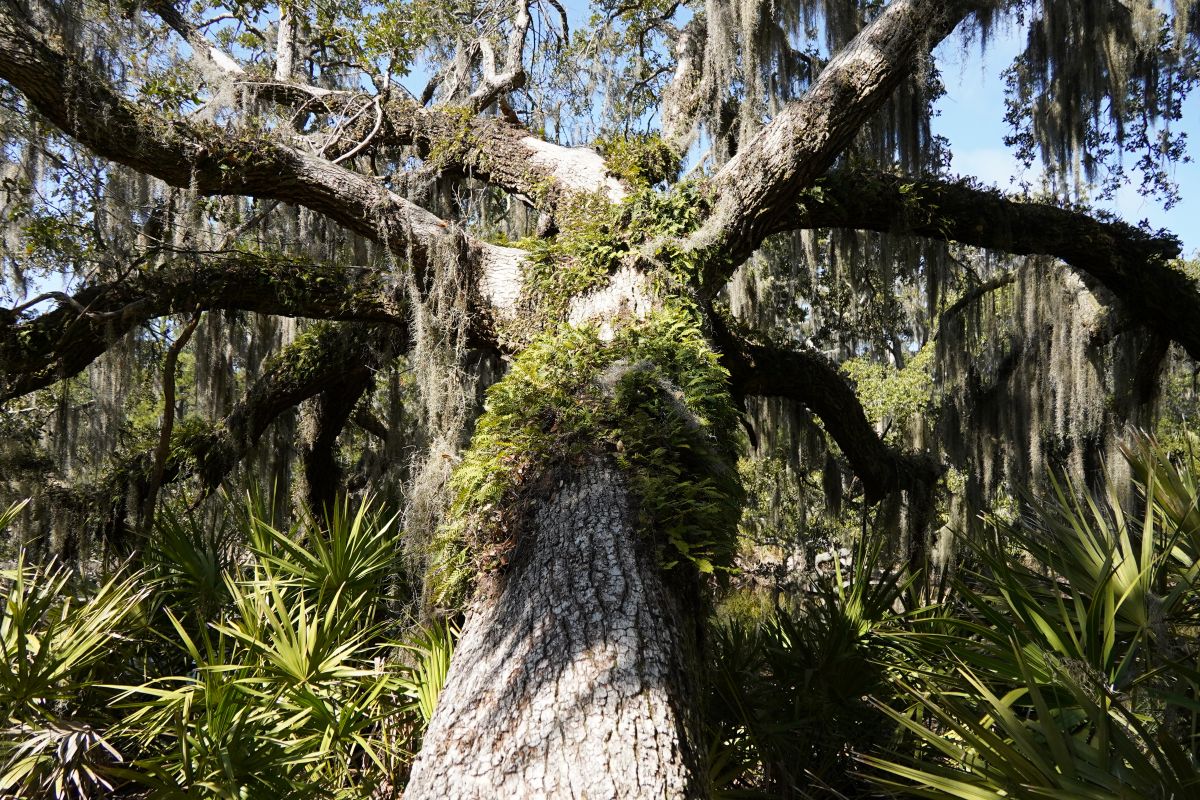
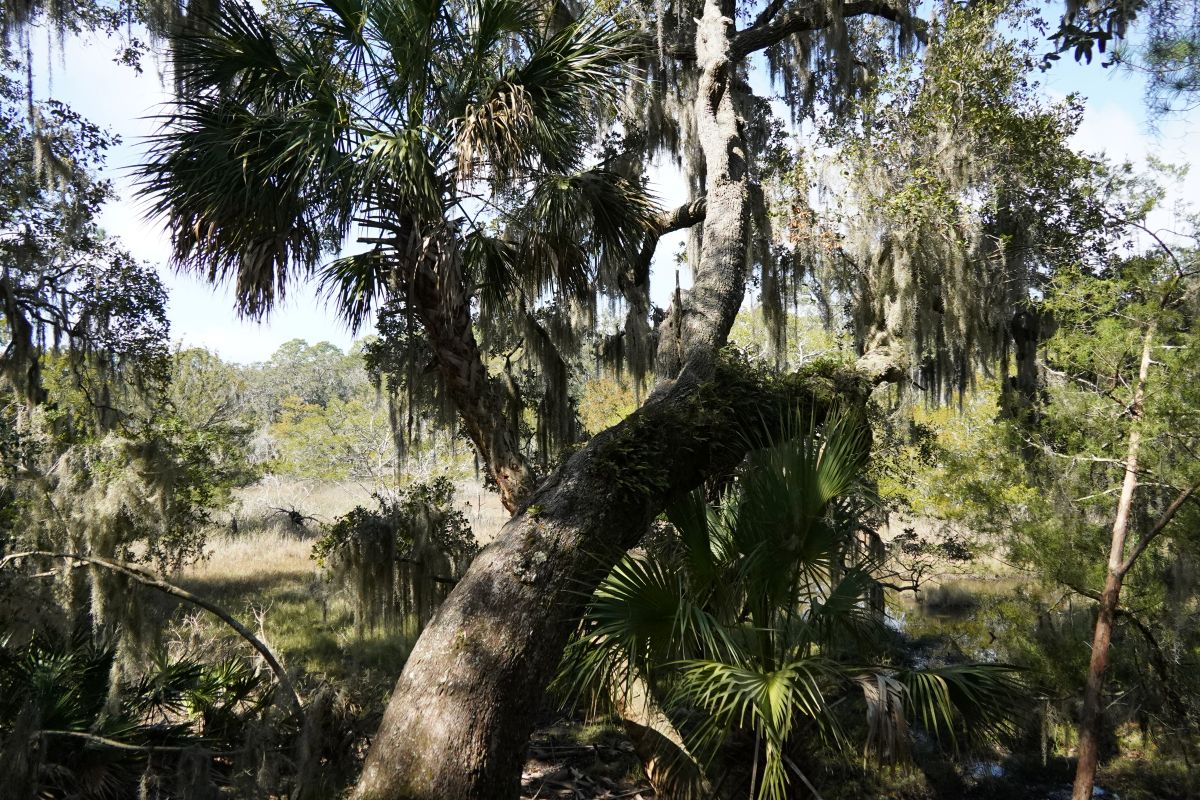
Alexander says it is the combination of the oldness of the Island, the fact that the trees have never been timbered here, and the presence of freshwater ponds in the middle that produce the special alchemy of biodiversity and ravishing beauty that stir the senses.
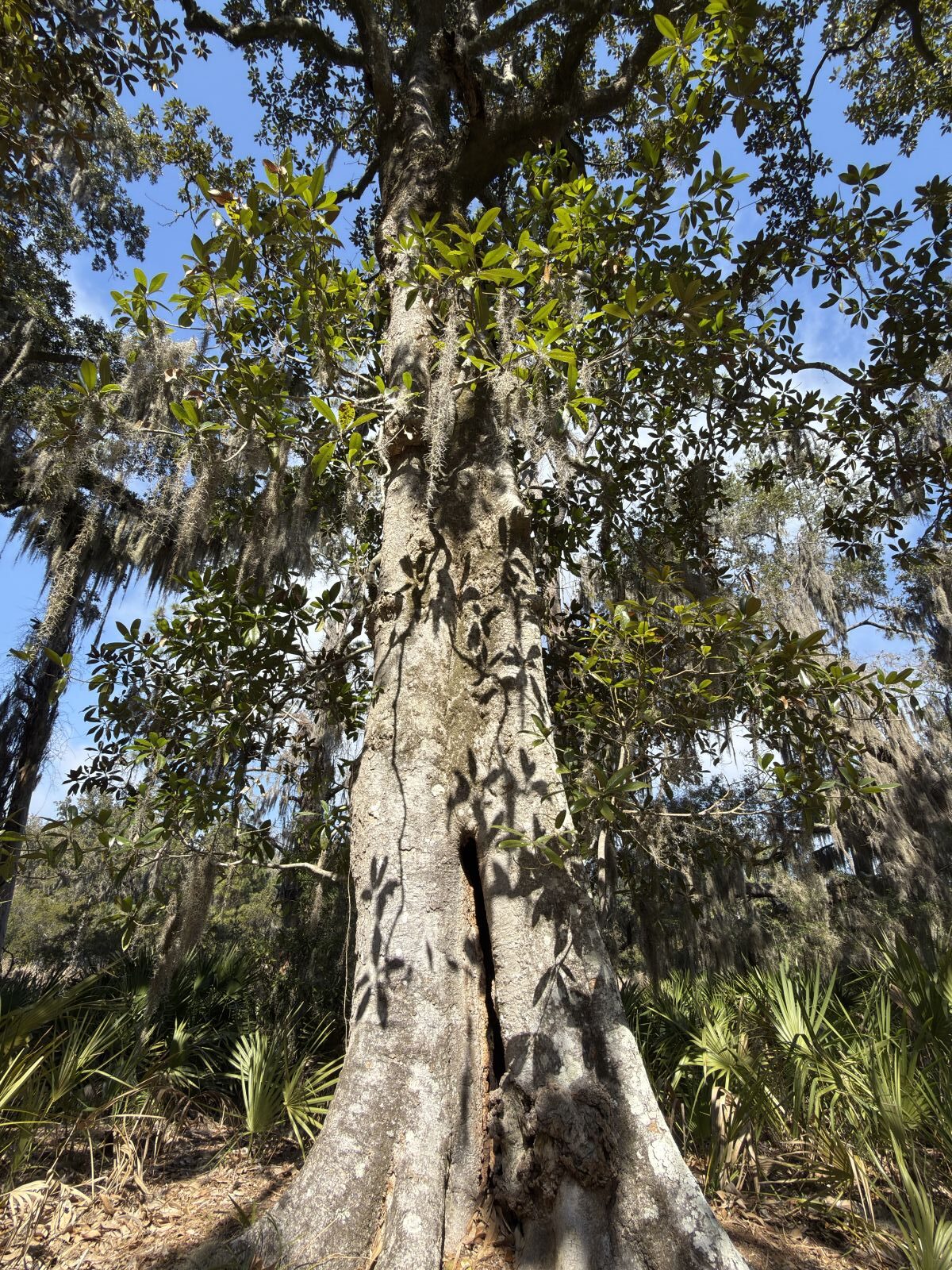
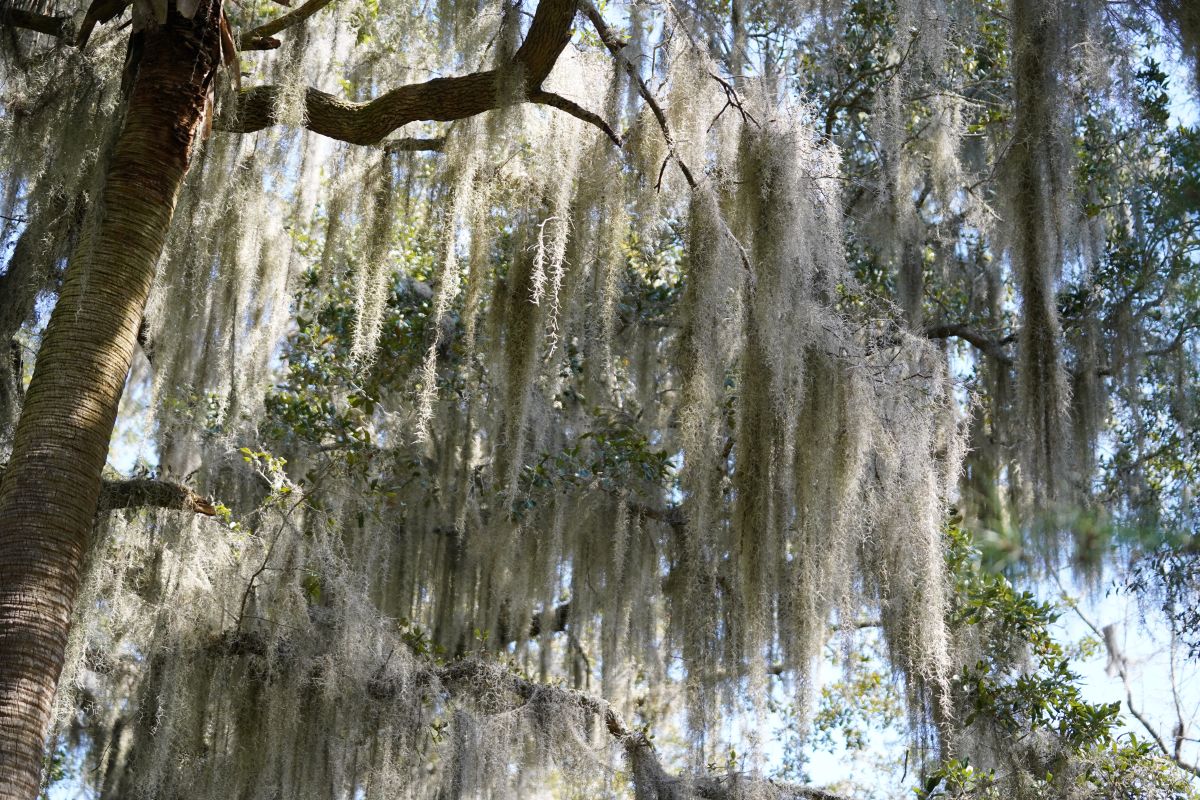
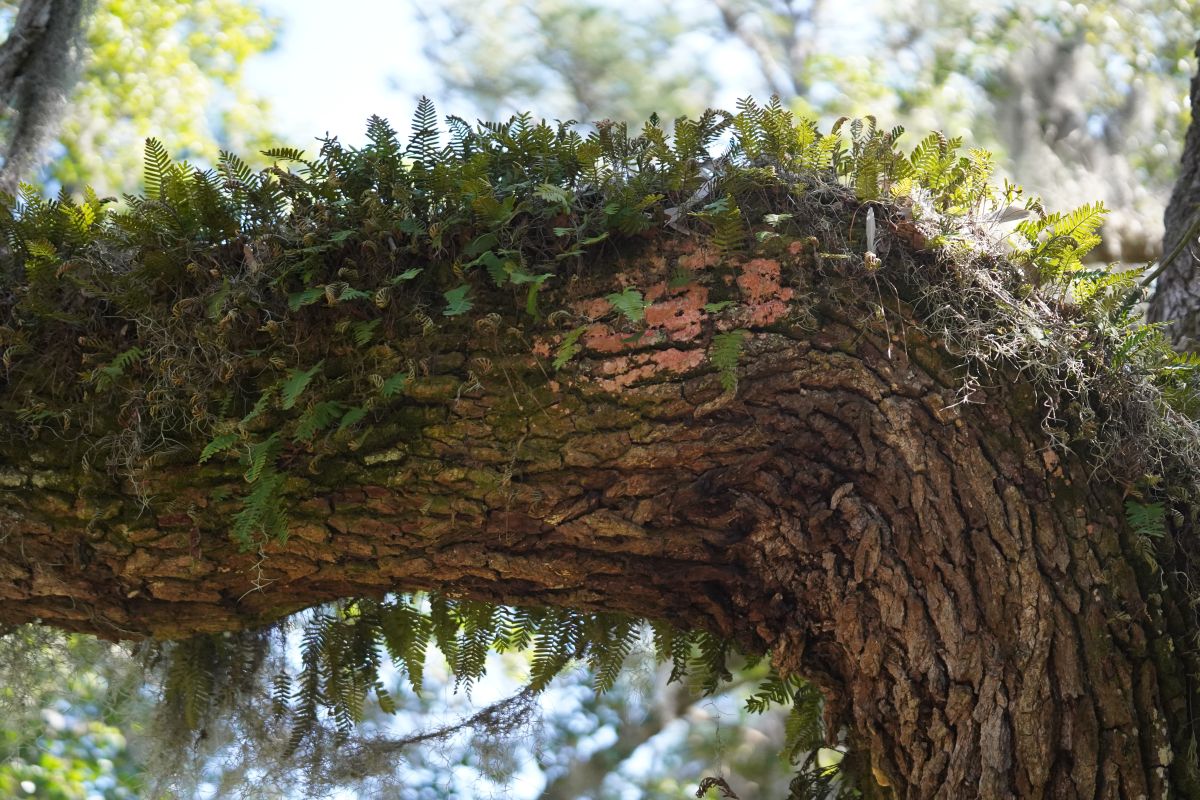
“Just the visuals of it” he reflects, when asked to explain. “The big Magnolias and Oaks, the Spanish moss and Resurrection Fern moving in the breeze, the light at sunrise or sunset with pinks and oranges all over it, it feels like a fairy tale sometimes, a whole other world.”
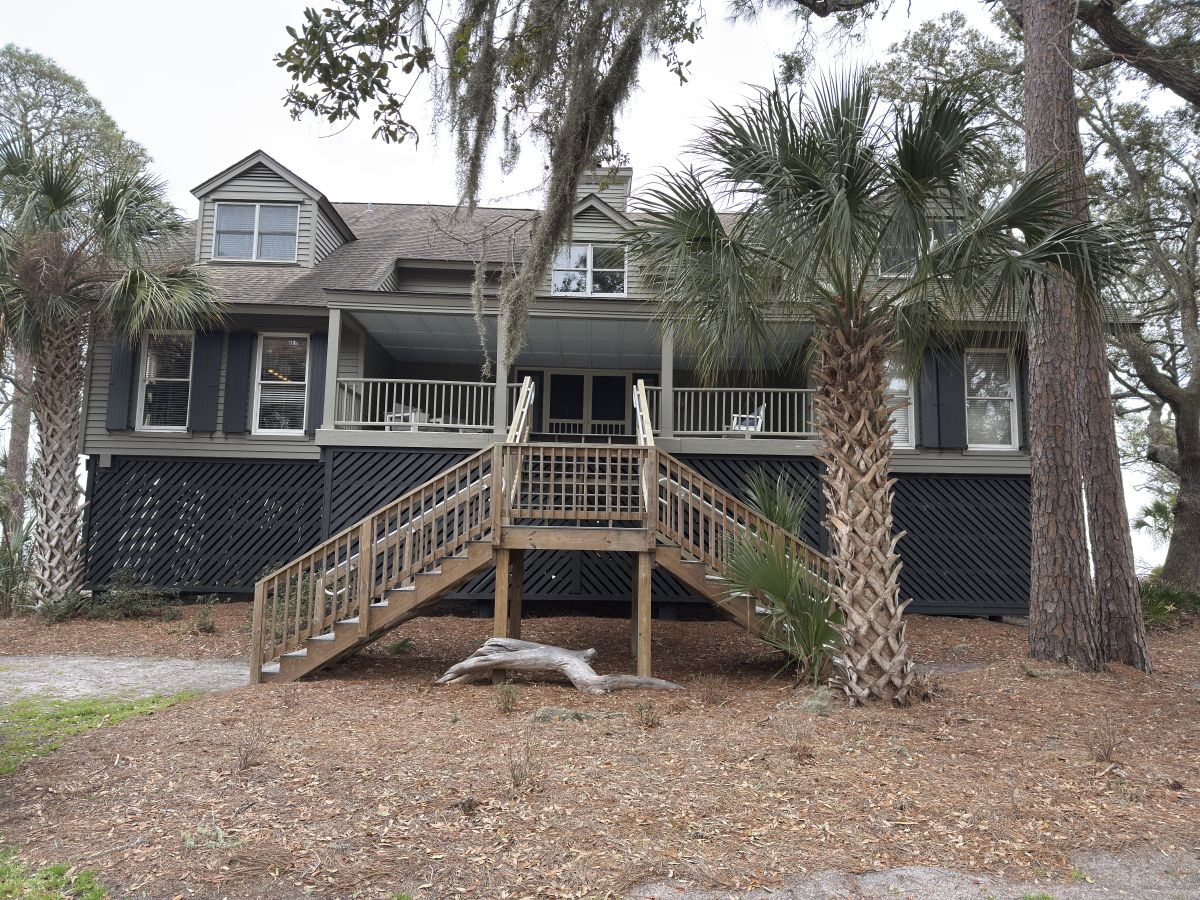
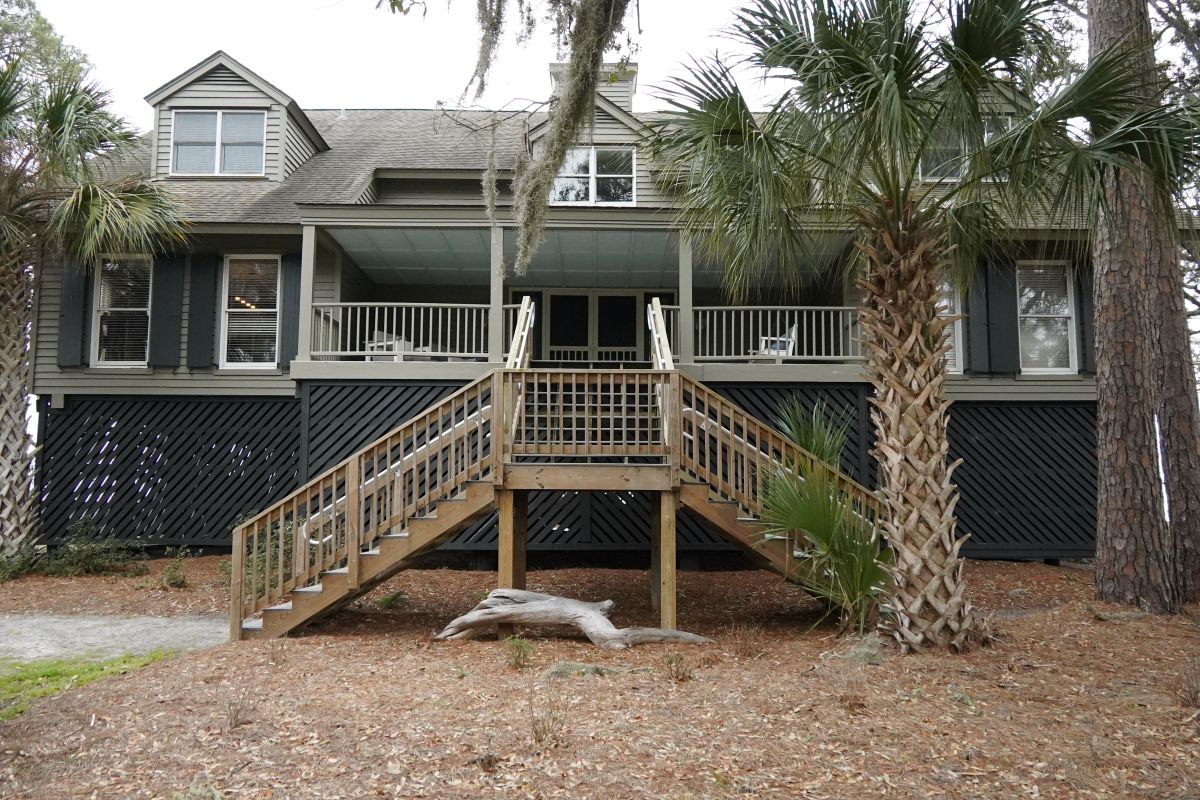
Our occurring world reappears as we reach the 3,350-square-foot main house with its five bedrooms and baths, an 820-square-foot screened porch, a large deck, a well-appointed kitchen, and charming common spaces. The effect is class without sacrificing comfort, rugged and luxurious together.
Inside the house is Thorton Lacy, General Manager of a company called Coastal Expeditions. They bring day trippers and overnighters for curated vacation experiences on the Island that might include hiking, kayaking, birding, fishing, and good eating.
Lacy gets a kick out of people’s reactions when they get to St. Phillip’s.
“What I often get is shock, people don’t know what to expect,” he says, “First a unique boat ride, then they get here and come off the dynamic edge of the forest away from the marsh and get into the interior of the island [and] the old growth forest just captivates [them], it’s kind of mystical.”
From the smiles on the faces of the small group returning from a hike one can assume the shock has turned into something more like awe.
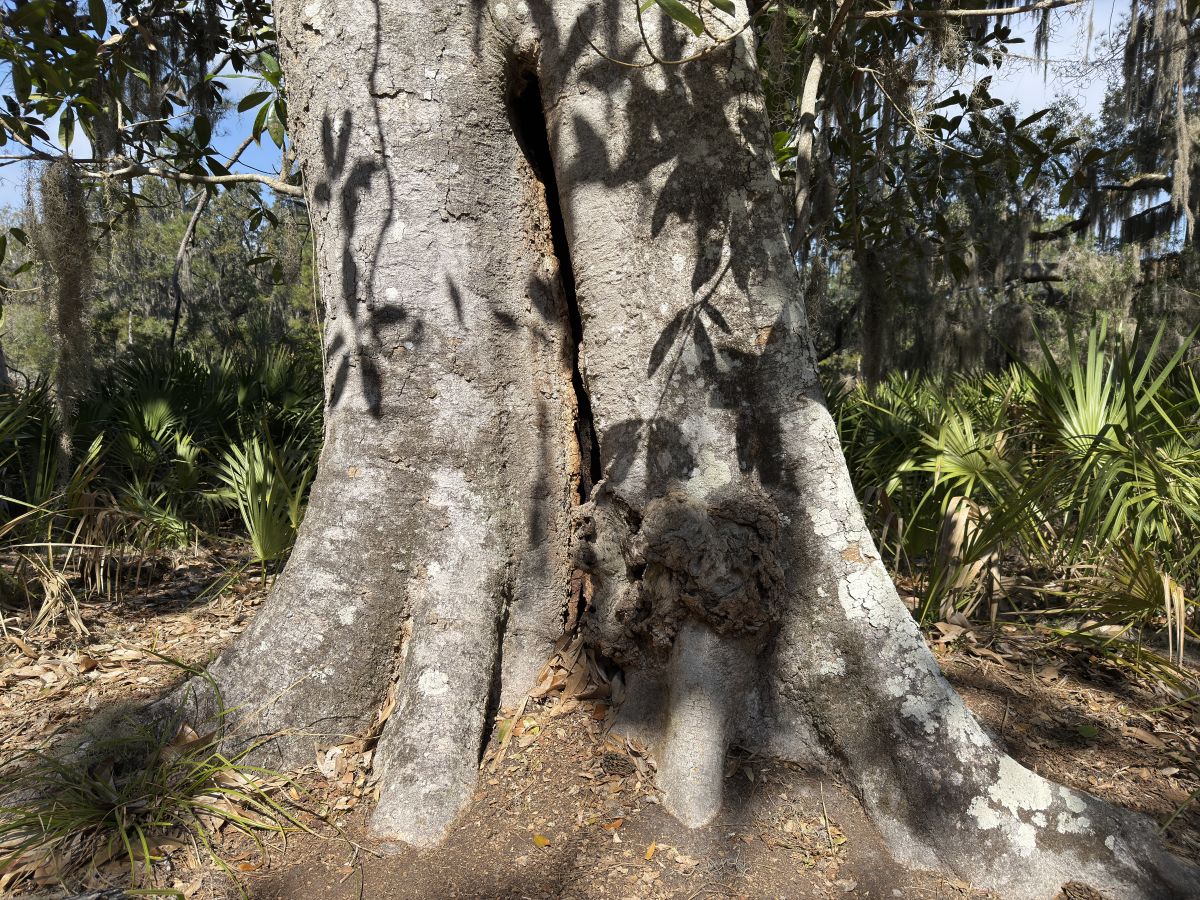
Lacy says what he observes people experiencing here is a kind of reconnection with self and nature, a recentering. He mentions a Magnolia tree on the Long Pond Trail that’s big enough, “to take you, me, and a friend to wrap our arms around it,” as a connecting touchstone for people.
When asked about what he wants visitors to take away Lacy says it comes down to appreciation of how critical barrier islands are and how they are endangered by the pressure of coastal development.
“Our goal is always to have a focus on conservation, we want people to have fun but we also want to educate them while they are here,” he states, “My hope is that [visitors] find a new appreciation of the environment we are in and the next step would be to find a way to get involved in preserving and protecting it for the future.”
Protecting St. Phillip’s in the present is the job of a small crew consisting of Operations Manager Alexander, trusted maintenance supervisor Denny Coyne, and assistant ranger Steve Rhodes.
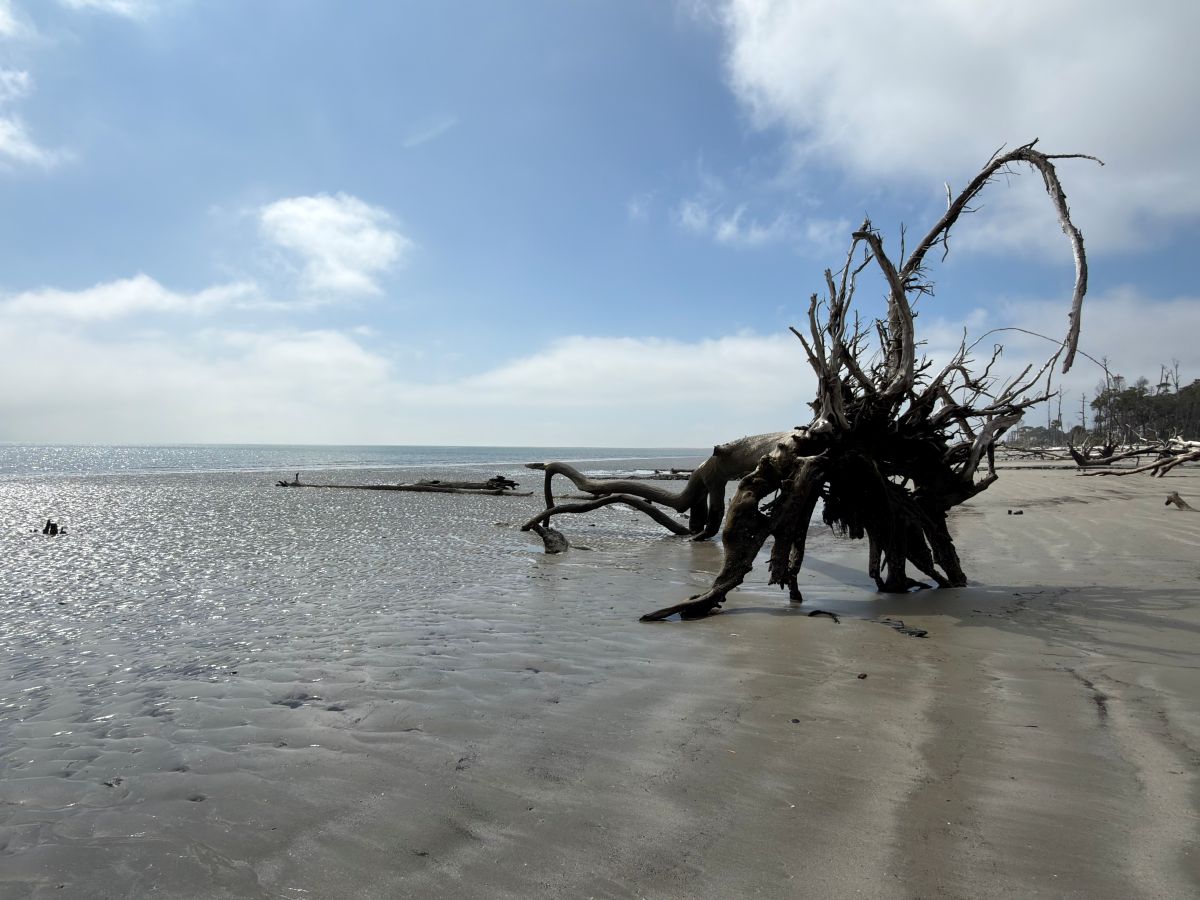
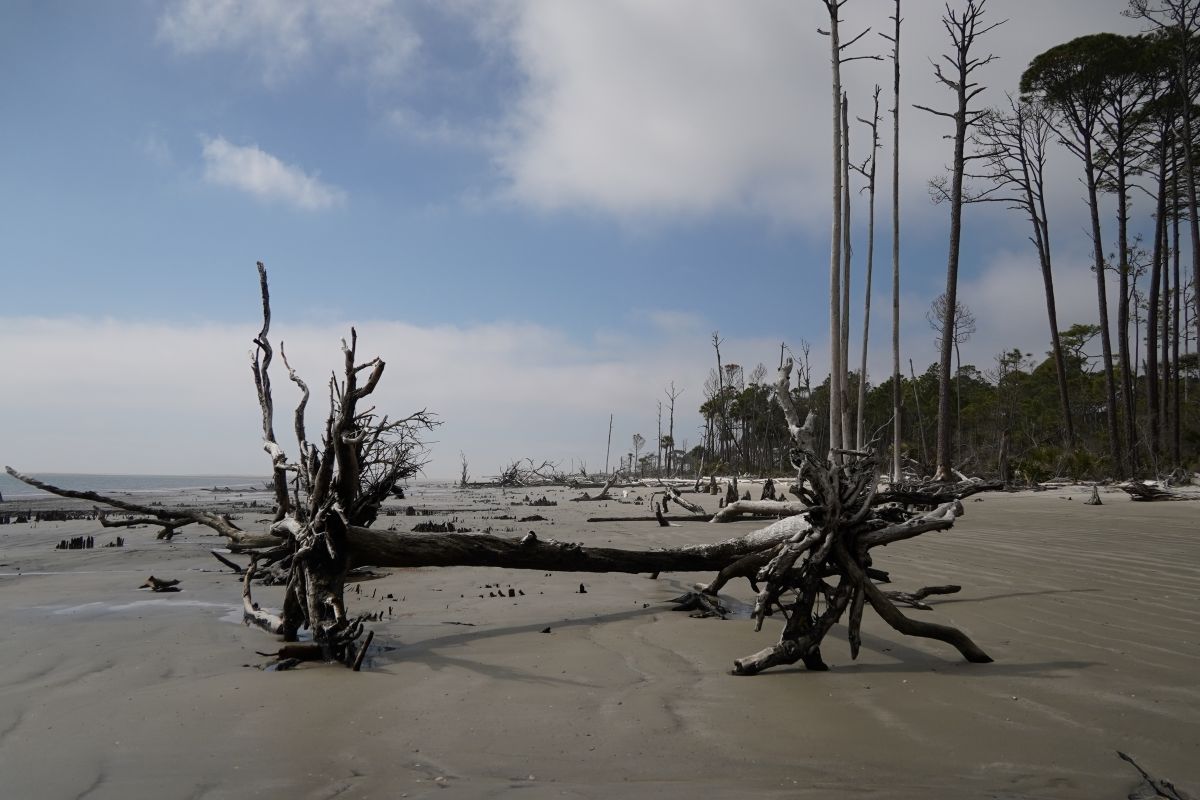
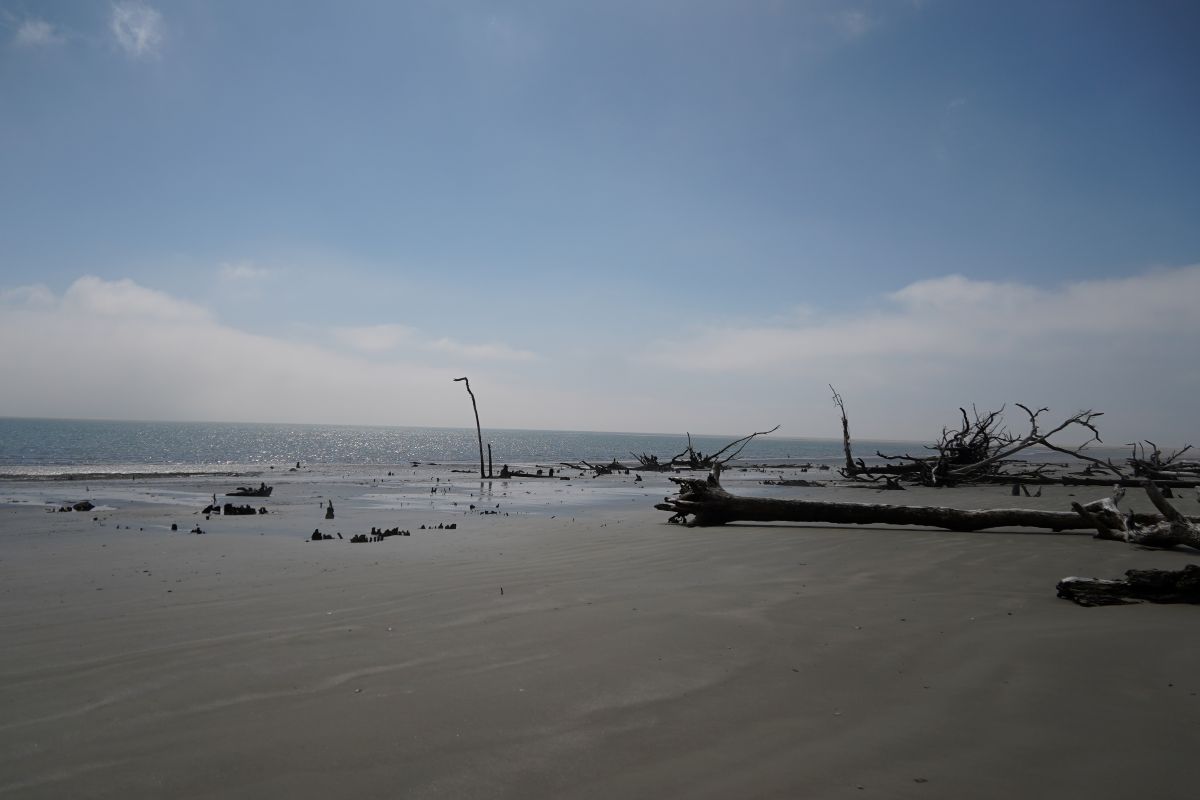
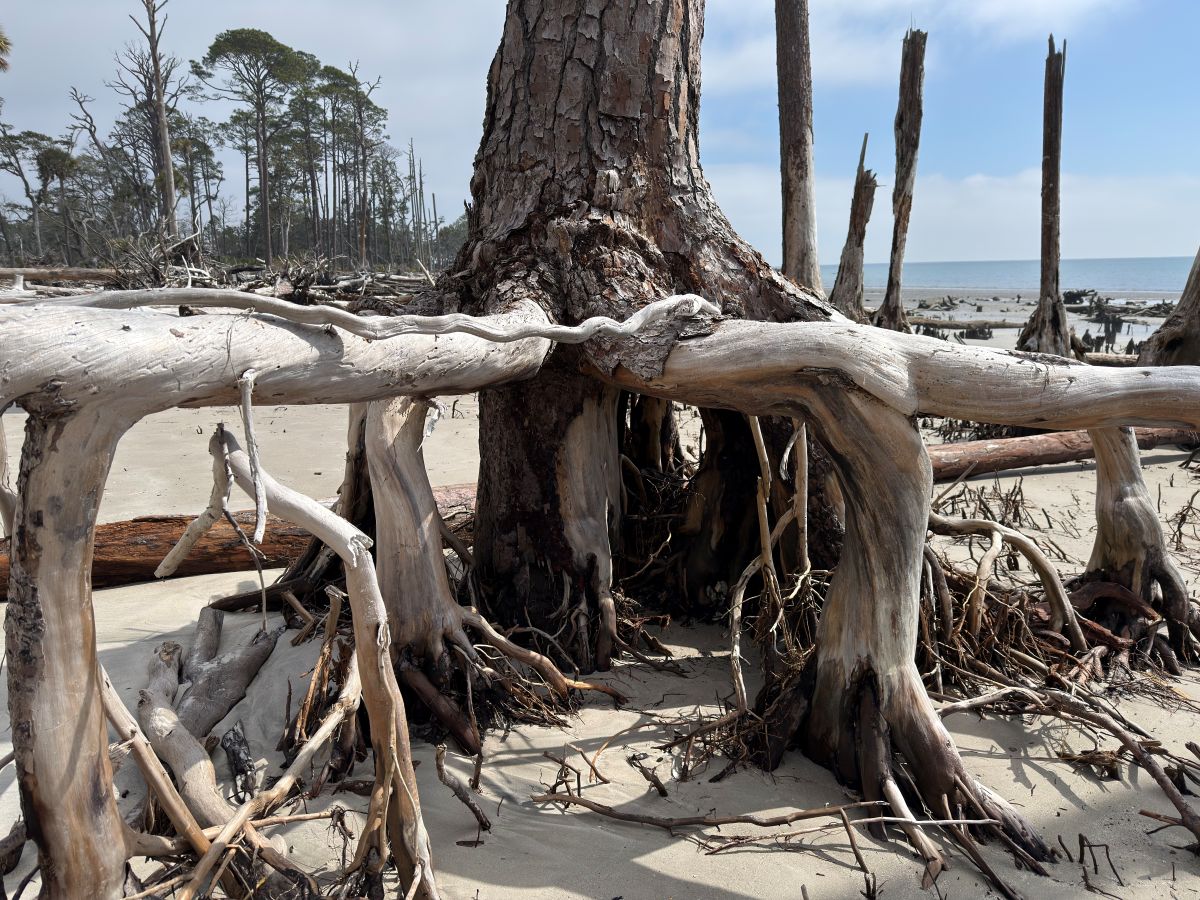
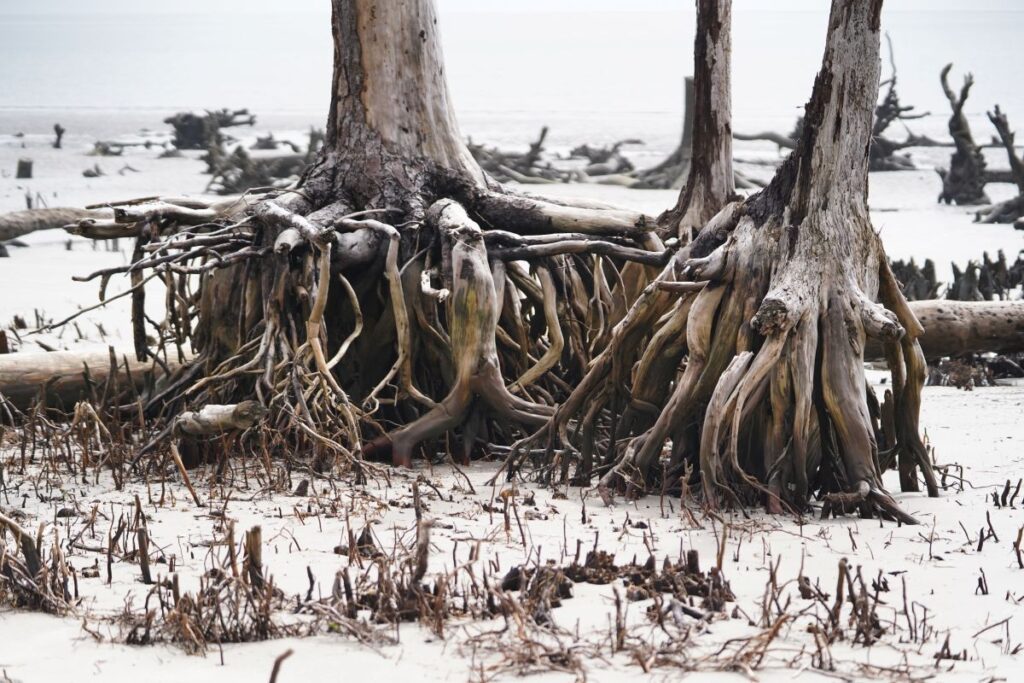
Issues are caused by salt spray, storm surges, and high winds. There are occasional lightning strikes leading to fire, and several blackened tree stumps are still visible from a strike a few years ago.
“Our biggest challenge is constantly staying up on preventative maintenance,” Alexander says, “So that’s a big key for us … and then the logistics of getting stuff out here.”
That “stuff” includes food for the visitors who rent the main house for a five-night week. All the groceries are picked up and brought out ahead of time. There is no mini mart to run to when you forget the lemon. Alexander says they work hard to prepare.
“We really get to know the people before they come out here and we really plan the whole trip around that,” Alexander says, “We try to make it a unique experience for each group depending on what they like and what they want to experience.”
The charge for the week is $11,000 and Alexander says in the context of coastal beach rentals the value is significant, “How many times can you say you had 5,000 acres to yourself with your own private beach, your own private kayak tours, guided hikes, just the overall sense of adventure makes it incredible.”
Alexander says St. Phillip’s amazes him every day, and that he feels so lucky to be involved in caring for it.
“This island has had a special place in my heart from the first day I came here,” he says thoughtfully, “I didn’t know places like this existed when I came out here and I still see something new every day that reignites my excitement … for us to see this in our lives is pretty special.”
For Boogie, the former Turner caretaker and de-facto developer, it amounts to understanding the nature of St. Phillip’s Island.
“It’s not a resort island, it’s special for what it is,” he declares, “You got to appreciate walking in the woods and being out on the beach at nighttime with no lights around you and looking up at the stars and shooting stars … it’s just peace.”
And with the entire St. Phillip’s Island unfolding like a chapel before you, all you can say is, “Amen.”
Luke Frazier is a writer and award winning media producer who moved to the Lowcountry in 2024. He runs NOW Communications and can be reached at nowandfuturecomms@gmail.com.