

Democratic candidate calls for universal pre-K, increased school funding and changes to student testing
By Delayna Earley
The Island News
South Carolina voters will choose a state superintendent of education Nov. 3, with candidates seeking to lead the agency responsible for overseeing public education across the state.
Democrat Sylvia Wright, an educator from Summerville, responded to a questionnaire from The Island News addressing student achievement, teacher recruitment, school funding, accountability, school choice, student safety and the use of artificial intelligence in classrooms.
Baba Amin Ojuok, the United Citizens Party candidate, and Republican Ellen Weaver did not submit responses.
Wright’s answers emphasize expanding early childhood education, increasing support for public schools, strengthening the teacher pipeline and reducing the state’s reliance on standardized testing to measure student achievement.
Background and qualifications
Wright, 46, lives in Summerville, where she returned in 2019 after her husband retired from the U.S. Air Force.
She has worked as a classroom teacher, department leader, school coordinator, instructional coach and district coordinator. This is her first campaign for elected office.
Wright earned a bachelor’s degree in middle grades education from Fayetteville State University, a master’s degree in divergent learning from Columbia College and a master’s degree in history from Texas Tech University.
She also earned graduate credentials in educational leadership from The Citadel, including preparation in school administration and superintendency, and is pursuing a doctorate in education at the University of South Carolina.
Her community involvement includes serving as youth director at Greater St. James AME Church in Summerville, volunteering with the Fellowship of Christian Athletes and participating in the Goose Creek NAACP, Women’s Missionary Society and Tri County Exchange Club.
Wright said her experience at multiple levels of public education has shaped her understanding of the challenges facing South Carolina schools.
Student achievement and early education
Expanding access to early childhood education is one of Wright’s central priorities.
She said results from South Carolina’s Kindergarten Readiness Assessment indicate that many children enter school without the skills needed for kindergarten, creating achievement gaps that can widen over time.
Wright supports universal access to 4-year-old kindergarten, regardless of a family’s income or ZIP code. She also opposes eligibility testing that she says can exclude children from early education programs.
“We have to meet every student at their level and grow them,” Wright wrote.
She proposes working with the General Assembly and governor to establish universal pre-K while shifting the state’s approach to measuring student achievement.
Rather than emphasizing SC READY standardized test results, Wright favors a progress-monitoring model that measures academic growth at the beginning, middle and end of each school year while meeting federal testing requirements.
She would also reestablish a partnership between the South Carolina Department of Education and the South Carolina Association of School Librarians to promote reading.
Wright said a statewide literacy initiative would complement early education programs and summer reading efforts.
Recruiting and retaining teachers
Wright said increasing educator salaries is important but insufficient to address staffing shortages.
She supports continued salary increases for teachers and support employees, along with improvements to school leadership and working conditions.
Her proposal includes strengthening the leadership pipeline from classroom teacher to administrator to superintendent.
Wright also wants the state Department of Education to partner with historically Black colleges and universities and other higher education institutions to restore teacher preparation programs that have been eliminated or reduced.
She proposes covering student loans for individuals who commit to teaching in South Carolina for five years.
Wright said the program would remove financial barriers that prevent prospective educators from completing their training.
She also supports reevaluating Praxis certification requirements for graduates entering teaching through traditional education programs.
School funding and rural districts
Wright said disparities in local tax bases and economic development contribute to unequal educational opportunities across South Carolina.
She pointed to differences between rural school districts and districts benefiting from expanding industries.
To address those disparities, Wright proposes working with lawmakers to increase the funding weight assigned to rural schools under the state’s education funding system.
She said additional funding could help rural districts provide classroom resources, improve facilities and offer incentives to recruit and retain teachers, particularly educators from their own communities.
Wright also supports expanding an existing pilot grant program for rural school construction and infrastructure improvements.
She said rural districts should receive priority as the program expands.
School accountability and testing
Wright wants South Carolina to place less emphasis on standardized test results when evaluating schools.
She said SC READY results currently account for 70% of elementary and middle school report card ratings and argued that school climate, leadership and preparation for success deserve greater consideration.
Wright said effective schools should foster critical thinking, creativity and leadership skills in addition to academic achievement.
When a school consistently underperforms, she favors first identifying the underlying causes through discussions with teachers, families and local school boards.
The state should then provide resources and support while monitoring the school’s progress, she said.
Her approach emphasizes addressing the conditions contributing to poor performance rather than relying solely on test scores.
School choice and public funding
Wright opposes using public education funding for private-school voucher programs.
She said parents should be able to choose where their children attend school but argued that South Carolina’s Constitution places a responsibility on the state to support public education.
Wright contends that voucher programs divert resources from public schools, potentially affecting teacher allocations, class sizes and programs such as art, band and STEM education.
“My priority is to fully fund our public schools, making them a viable option,” she wrote.
She said any educational program receiving public money should meet consistent expectations for testing, enrollment and financial oversight.
Services for students with disabilities
Wright said South Carolina needs to improve services and support for students with disabilities.
She proposes creating a statewide special education council to examine and restructure the delivery of special education services.
Her plan includes establishing parent liaison programs to improve communication between families and school districts.
She also wants to reduce the workload of special education teachers and expand training opportunities for educators, students and parents.
Wright described students with disabilities as a population that has been neglected and said the state needs a more coordinated approach to meeting their needs.
College and career readiness
Wright wants students to begin exploring possible career paths before high school.
She proposes expanding a pilot program that connects career fields with core academic subjects, including mathematics, English, science and social studies.
Under her proposal, career exploration would begin in elementary school and continue as students progress through their education.
Wright envisions three broad pathways for students: college, career and military service.
The college pathway would include dual enrollment and Advanced Placement courses. The career pathway would offer technical education, industry certifications, apprenticeships and internships developed with employers.
The military pathway would include ROTC opportunities and instruction designed to help students prepare for the Armed Services Vocational Aptitude Battery.
Wright said students should have meaningful opportunities to explore their interests and prepare for life after graduation.
School safety and student well-being
Wright proposes establishing a statewide school safety advisory council to review safety conditions and recommend policies.
She also supports creating a uniform statewide system for reporting bullying and providing assistance to students involved in bullying incidents.
Wright would establish regional student advisory councils to help develop initiatives promoting kindness and positive school environments.
To address mental health needs, she supports increasing the number of mental health counselors available to students and reducing waiting times for services.
She also wants schools to treat chronic absenteeism as a potential indication that students and families need additional assistance.
Wright supports partnerships with community organizations to connect families with resources.
On student discipline, she favors a prevention-focused, progressive model that includes reflection, mentorship and meaningful consequences.
She said schools should maintain safe classrooms while recognizing that removing disruptive students does not necessarily address the causes of their behavior.
Artificial intelligence and technology
Wright said South Carolina schools must prepare students for a future in which artificial intelligence and other emerging technologies play an increasingly significant role.
“AI is more than just ChatGPT,” she wrote. “We are experiencing the next technological revolution.”
She supports developing statewide policies and regulations to protect students, teachers and staff as schools adopt AI tools.
Wright also advocates training educators, students and families to use the technology appropriately.
To prevent technology from widening existing educational disparities, she said state officials must understand the needs of individual schools and communities.
Wright pointed to town halls and listening sessions she has conducted around South Carolina and said she would continue that approach as superintendent.
She said community engagement would help identify gaps in resources and guide decisions about technology access and support.
Looking ahead
Wright said her priorities for the next four years would begin with early childhood education, public school funding and rebuilding South Carolina’s educator preparation and leadership pipelines.
“As an educator who has worked on every single level, I understand what is needed to begin to elevate South Carolina education from the bottom ranking,” she wrote.
Her proposals would require cooperation with lawmakers, the governor, higher education institutions and local school districts.
With Ojuok and Weaver declining to participate in the questionnaire before the deadline, Wright’s responses provide the only candidate-submitted answers to The Island News‘ questions for this race.
South Carolina Superintendent of Education candidates
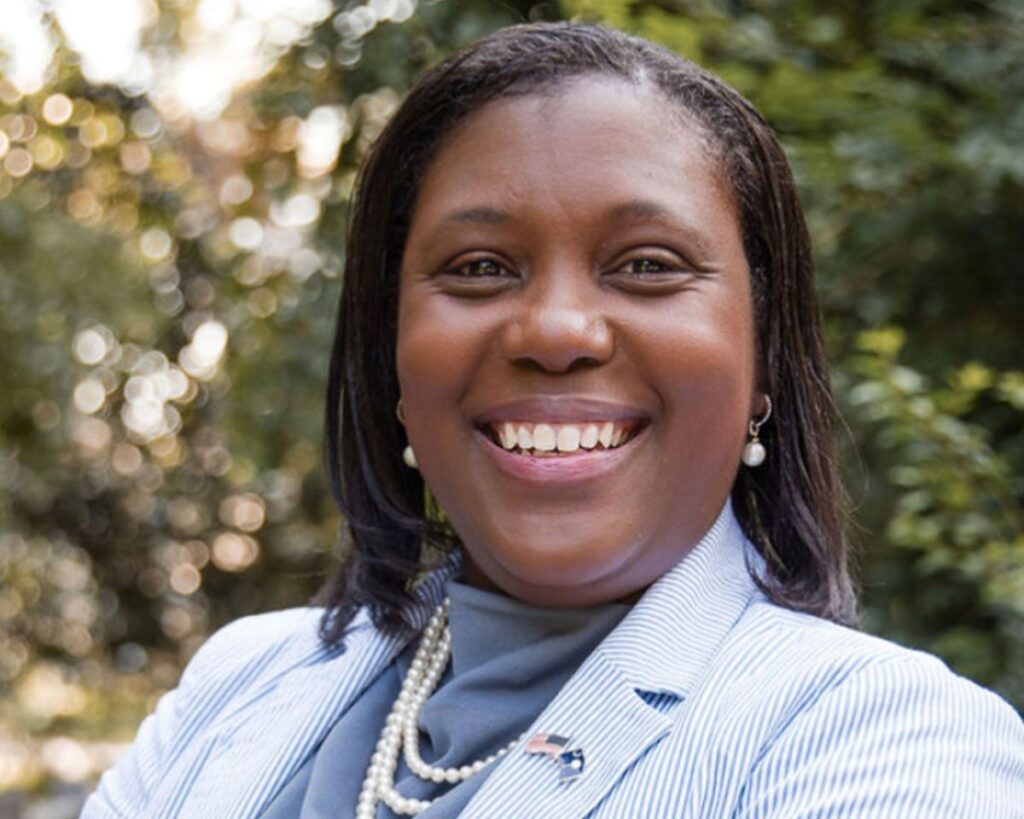
Sylvia Wright, 46, is the Democratic candidate for superintendent of education. Born in North Charleston, she lives in Summerville, where she returned in 2019 following her husband’s retirement from the U.S. Air Force. She has two adult children and a grandson.
Wright is an educator whose professional experience includes working as a classroom teacher, department leader, school coordinator, instructional coach and district coordinator.
She earned a bachelor’s degree in middle grades education from Fayetteville State University, a master’s degree in divergent learning from Columbia College and a master’s degree in history from Texas Tech University. She also earned graduate credentials in educational leadership from The Citadel, including school administration and superintendent preparation. She is pursuing a doctorate in education at the University of South Carolina.
Her community involvement includes serving as a former youth director at Greater St. James AME Church in Summerville, volunteering with the Fellowship of Christian Athletes, membership in the Goose Creek NAACP and Women’s Missionary Society, and serving as a former education committee chair for the Tri County Exchange Club.
This is Wright’s first campaign for elected office.

Baba Amin Ojuok, United Citizens Party candidate — Did not respond to questionnaire before the deadline.
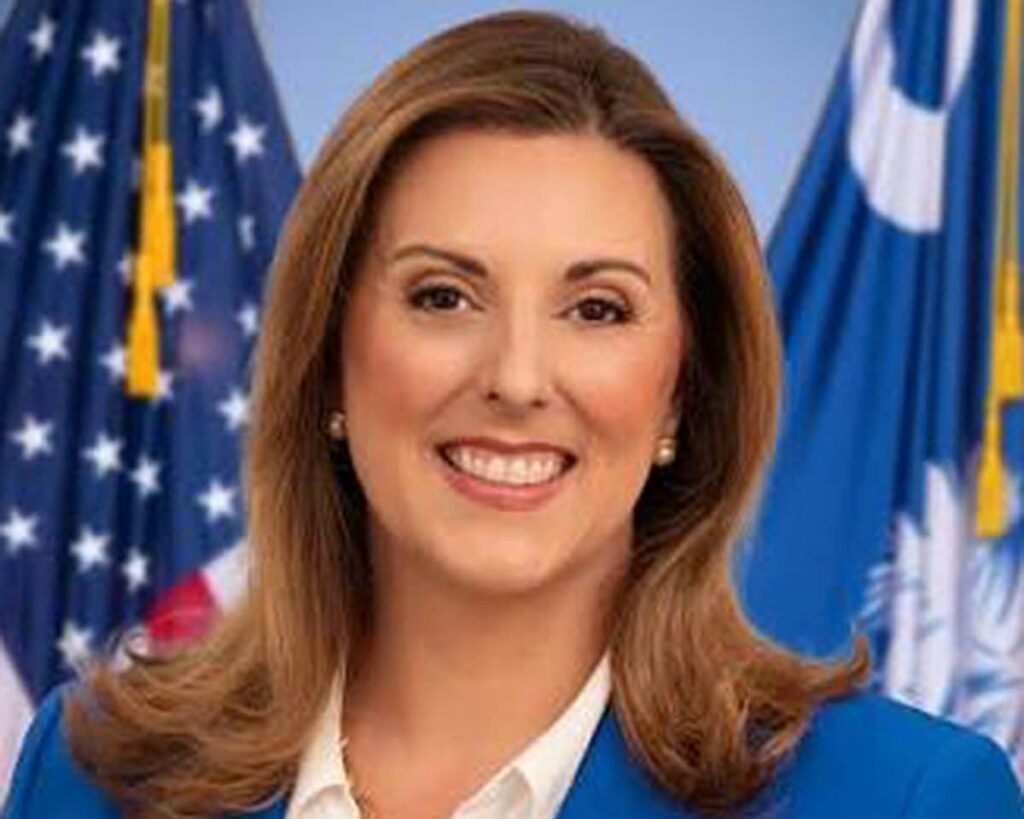
Ellen Weaver, Republican candidate — Did not respond to questionnaire before the deadline.
Candidate questionnaire responses
The following responses were submitted to The Island News by Sylvia Wright, Democratic candidate for South Carolina superintendent of education. Responses have been edited only for grammar, spelling, punctuation and Associated Press style where necessary. The substance and intent of the candidate’s answers have been preserved. Statements and opinions expressed in the responses are those of the candidate.
1. What specific steps would you take to improve literacy, mathematics and overall student achievement? Which measures would you use to determine whether state programs and interventions are working?
Wright: Improving student achievement starts with investing in early childhood education. The data from the Kindergarten Readiness Assessment (KRA) is clear: The majority of the children in South Carolina are not prepared for kindergarten. That means the achievement gap starts before students even enter school and continues to widen unless we take proactive measures that make sure every student has access to 4K regardless of ZIP code, income and exclusionary testing that denies children access because they are too smart.
We have to meet every student at their level and grow them. I not only plan to work with the General Assembly and the governor to implement universal pre-K, I will also shift our focus away from SC READY and focus on a progress-monitoring model that meets federal testing regulations and uses real-time data and resources to close the achievement gap.
Measures of success will be the KRA and growth that is measured at the beginning, middle and end of the school year.
To specifically address literacy, I will reestablish the partnership between the state Department of Education and the South Carolina Association of School Librarians and create a statewide initiative that restores the joy of reading. This will complement the early childhood education initiative, growth model for student achievement and the summer reading program.
2. How would you recruit and retain qualified teachers, bus drivers, counselors and other school employees? Please address compensation, working conditions, preparation, certification and support for educators in high-need schools and subjects.
Wright: Recruiting educators and support staff goes beyond raising the pay. I am committed to continuing the fight to raise salaries for educators and support staff, steps included.
Leadership, school and district leaders play a major role in working conditions for teachers and support staff. I plan to strengthen our leadership pipeline from classroom teacher to administrator to superintendent.
Under my leadership, the S.C. Department of Education (SCDE) will partner with HBCUs and other colleges and universities to restore education programs that have been eliminated or dismantled.
In exchange for five years of teaching in South Carolina, SCDE will cover student loans, removing financial barriers that prevent the completion of education programs.
I will also reevaluate Praxis certification requirements for educators who enter the profession through traditional education programs.
3. Is South Carolina’s current school-funding system adequate and equitable? What changes would you support to address differences in student needs, local tax bases, facilities and access to experienced educators?
Wright: School funding varies depending on the county and the district. For example, inequity can be found between rural school districts and school districts with booming industries.
To address inequity and fully resource all of our schools, I plan to work with the General Assembly to increase the funding weight for our rural schools to help provide resources for students and teachers and incentives to recruit and retain teachers, especially teachers from the community.
There is currently a pilot program that provides grants to rural areas for improving infrastructure and building new schools. I will expand this program with priority in our rural districts.
4. How should the state evaluate schools and districts beyond test scores? When a school persistently underperforms, what authority should the Department of Education exercise, and how should educators, families and local boards be involved?
Wright: Currently, 70% of the school report card in elementary and middle school is based on SC READY data. Leadership evaluations, school climate and preparing for success should weigh more than testing data.
Great leadership, an inclusive climate and a collective commitment to student success beyond 12th grade create a learning environment that not only promotes student achievement but develops leadership skills and encourages critical thinking and creativity.
If a school underperforms, the first step is to determine the root cause(s) for underperformance through conversations with educators, families and local boards, then provide the necessary resources and supports with progress monitoring.
5. What is your position on public funding for private-school choice, charter schools, virtual programs and open enrollment? What academic, financial and admissions accountability should apply to programs receiving public money?
Wright: Parents have a right to send their children wherever they choose, but our state Constitution outlines public education as the priority when funding education in our state (Article XI, Section 4).
The voucher program siphons money away from our public schools, causing them to lose teacher allocations that increase class sizes and cut programs like art, band and STEM.
My priority is to fully fund our public schools, making them a viable option.
Any program that receives public money should be required to follow uniform expectations of testing, enrollment requirements and financial oversight.
6. What would you do to improve services for students with disabilities and ensure compliance with individualized education programs? How should the state address staffing shortages, disputes with families and differences among districts?
Wright: Students with disabilities have been a neglected student population for years.
As state superintendent of education, I plan to establish a special education council to begin restructuring special education services in our state.
This includes, but is not limited to, establishing parent liaison programs between parents and districts to improve communication and support for parents and students, reducing the workload of special education teachers, and training not only for teachers but for students and parents as well.
7. How should schools prepare students for college, skilled trades, military service and the workforce? What changes would you make to career and technical education, apprenticeships, dual enrollment and partnerships with employers?
Wright: If a student is unclear about what he/she might want to do by ninth grade, the system has failed him/her.
There is currently a pilot program that merges a career field with basic core subjects (math, English, social studies and science). I plan to expand this program and establish a curriculum that starts in elementary school.
Students will have an opportunity to explore different career fields while learning their core subjects. This will provide a hands-on learning experience for students that is relevant and fosters critical thinking and creativity.
The goal is to provide three different tracks for students based on their interests.
College: Providing dual enrollment and Advanced Placement courses based on the selected pathway.
Career: Providing career and technical training (trade) courses, certifications, apprenticeships and internships through partnerships with employers that provide immediate employment or next steps for career development.
Military: Providing ROTC and curriculum designed to help students prepare for the ASVAB so they can enroll in their preferred branch of service and career field.
8. What state policies or investments would you support for school security, bullying prevention, mental health, attendance and student discipline? How should schools balance safety with students’ rights and a positive learning environment?
Wright: The first step is convening a school safety advisory council to conduct an audit of school safety all over the state. Based on the results, we will create state policies that keep our students and everyone in the building safe.
The investments I would support are:
Bullying prevention: Currently, there is no statewide, uniform reporting system to provide support and evaluation of students who are bullying other students and being bullied. I also plan to establish a student advisory council in each region to help with initiatives like “Make Kindness Go Viral.”
Mental health: Providing more mental health counselors to assist school counselors and reduce waiting lists for students to receive services.
Attendance: When students are chronically absent, this should be seen as a signal that might require community connections and resources. I would support partnerships between our school districts and organizations like Communities in Schools to help our students and their families.
Student discipline: There are several factors that contribute to student misbehavior. I support a comprehensive, prevention-focused progressive discipline model that implements student reflections and mentorship.
Student discipline should not be viewed as a way to get rid of a disruptive or disrespectful student. We need to strengthen the existing student discipline framework for schools to provide clearer guidance on preventing repeated misconduct while maintaining safe classrooms and meaningful consequences.
Policies and clearly defined procedures will help to balance student rights and a positive learning environment.
9. How should South Carolina schools govern the use of generative artificial intelligence by students, educators and vendors? Please address instruction, teacher training, academic integrity, bias, deepfakes, accessibility, student-data privacy, cybersecurity and procurement of AI products. What statewide guidance or accountability should apply, and what should the state do to prevent differences in broadband, devices and digital skills from widening educational inequality?
Wright: AI is more than just ChatGPT. We are experiencing the next technological revolution. Our children and grandchildren will have to navigate a world where they coexist with robots and machines.
That is why it is imperative that we develop policies and regulations that protect our students, faculty and staff. Then provide training for our educators, students and families to help them properly utilize AI tools.
In order to prevent widening educational inequity, you have to know the needs of the schools and community. I have held town halls and listening sessions in communities all over South Carolina.
This is the type of community engagement that I will continue as state superintendent. This level of engagement provides educators, families and communities opportunities to discuss their needs and work together to provide the supports and resources.
10. What do you believe you would bring to the State Superintendent’s Office, and what should students, families and educators know about your priorities for the next four years?
Wright: As an educator who has worked on every single level, I understand what is needed to begin to elevate South Carolina education from the bottom ranking.
This includes investing in early childhood education, fully funding our public schools and strengthening our homegrown teacher education programs and leadership pipelines.
This is only the beginning.
Delayna Earley, who joined The Island News in 2022, formerly worked as a photojournalist for The Island Packet/The Beaufort Gazette, as well as newspapers in Indiana and Virginia. She can be reached at delayna.theislandnews@gmail.com.