
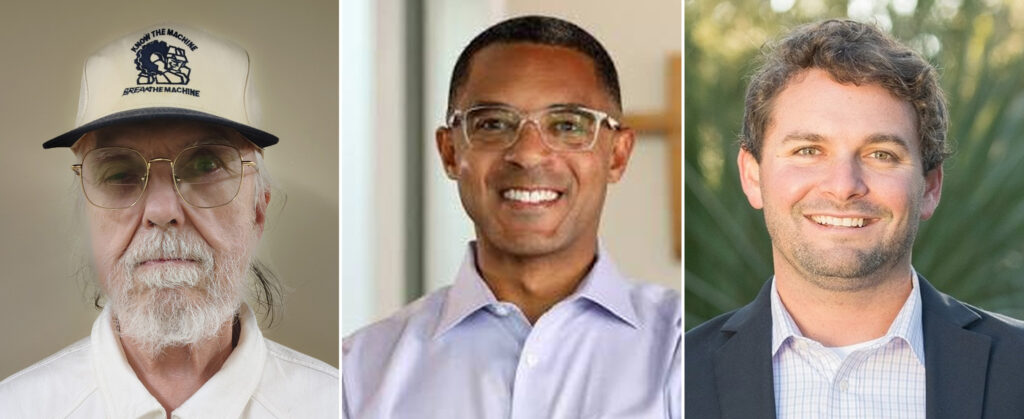
Reichenbach emphasizes government efficiency, Skardon focuses on economic opportunity and education, while Karr advocates for workers’ rights and criminal justice reform
By Delayna Earley
The Island News
Three candidates for South Carolina Lt. Governor have outlined different visions for the office, with priorities ranging from government accountability and workforce development to public education, health care access and criminal justice reform.
Republican state Sen. J. Michael “Mike” Reichenbach, Democrat Sam Skardon and Green Party candidate Arnold E. Karr responded to questionnaires from The Island News ahead of the Nov. 3 general election.
Reichenbach is running alongside Republican gubernatorial candidate Alan Wilson, Skardon is running with Democrat Jermaine Johnson, and Karr is running with Green Party candidate Walid Hakim.
Dr. Candace Brewer, the United Citizens Party candidate for lieutenant governor running alongside Dr. Michael Addison, did not respond to the questionnaire.
The candidates were asked the same 10 questions about the responsibilities of the lieutenant governor, their relationships with their running mates, economic development, rural and coastal communities, emergency preparedness, transparency and ethics.
Their responses reveal differences not only in their priorities but also in how they believe the lieutenant governor should contribute to the administration.
Defining the office
Reichenbach said the lieutenant governor should be more than a ceremonial position and should have specific responsibilities with measurable results.
His primary proposal is the Families First Audit Initiative, which he said he would oversee as lieutenant governor in a Wilson administration.
The initiative would use performance audits, technology and data analysis to identify inefficient spending and improve accountability in state agencies, local governments and school districts, subject to appropriate legal authority.
“The lieutenant governor should be a working partner to the governor, not simply someone waiting in the wings,” Reichenbach said.
Karr identified criminal justice reform as his primary area of interest.
He supports abolishing the death penalty, ending solitary confinement as a disciplinary measure, eliminating life sentences without the possibility of parole and allowing incarcerated individuals to vote.
Karr also advocates fair compensation for prison work and restrictions on discrimination against people with criminal records in employment, education and housing.
Skardon said Johnson has asked him to lead on economic issues, particularly small-business support, access to capital and equitable economic development.
He also identified public education as a personal priority, advocating for children to begin school at younger ages, additional school days and smaller student-teacher ratios.
“We need to reinvent public education in South Carolina so we’re setting up every child to succeed in the 21st century,” Skardon said.
Working with the governor
Skardon said he would serve in whatever capacity Johnson requested, particularly on small-business and community economic issues.
He pointed to his experience managing community loan funds and providing constituent services while working for Lewis as preparation for navigating state government.
Skardon said he views his role as providing advice and perspective while recognizing that the governor ultimately makes the administration’s decisions.
Reichenbach said he and Wilson would maintain regular communication, coordinate on major decisions and divide responsibilities according to their experience.
Wilson would establish the administration’s overall direction, he said, while Reichenbach would oversee the audit initiative and contribute to economic development, workforce policies and other priorities.
Karr said he would advise and support Hakim on policy matters, drawing on his experience serving in leadership positions with education and labor organizations.
Asked how they would prepare to assume the governor’s duties if necessary, Karr acknowledged that no one could be completely prepared for the responsibilities of the office.
He said he would rely on his education, public engagement and knowledgeable advisers.
Reichenbach cited his experience managing businesses, serving in the Senate and working in law enforcement and military-related roles. He said he would remain informed through regular briefings on public safety, emergency management, fiscal policy and other state responsibilities.
Skardon emphasized remaining connected to South Carolina families and their concerns, including education, health care and wages.
Economic development and workforce issues
Economic development emerged as a significant priority for both Skardon and Reichenbach, although their approaches differ.
Skardon emphasized expanding access to financing for small businesses, affordable housing and clean energy projects.
He said his experience with community lending programs and economic development work in the Lowcountry demonstrated how state policy could support economic growth while protecting local communities.
Skardon called for broader wealth-building opportunities, ensuring economic growth benefits more South Carolinians and reducing incentives for large corporations.
He also identified improvements to public education as necessary to prepare students for the workforce.
Karr approached the issue primarily from the perspective of workers’ rights.
Rather than focusing on recruiting employers, he said he would emphasize workers’ ability to organize, bargain collectively and take action in their shared interests.
He also supports small and worker-owned businesses and policies intended to prevent large corporations from driving smaller competitors out of the marketplace.
Reichenbach focused on connecting employers with workers who have the skills needed for available jobs.
He advocated expanding apprenticeships, career and technical education and industry-driven training programs while reducing regulations that he said discourage entrepreneurship.
Reichenbach pointed to Helping Florence Work, an initiative he founded in 2019 to connect students and educators with career opportunities that do not necessarily require a four-year college degree.
He also supports Wilson’s proposal to eliminate South Carolina’s individual income tax responsibly.
Rural and coastal communities
The candidates also identified different priorities for rural and coastal South Carolina, including access to health care, infrastructure improvements and environmental protection.
Karr emphasized his belief that health care is a human right and should not be restricted by a person’s financial circumstances.
He referred to Hakim’s long-term plan for addressing statewide challenges, including those affecting rural and underserved communities.
Skardon focused on Medicaid expansion and environmental protection.
Having grown up in the Lowcountry, he said sea level rise and environmental damage were personal concerns.
He argued that expanding Medicaid would help rural hospitals and health care providers by increasing the number of insured patients.
Skardon also called for holding corporations accountable for environmental damage and protecting coastal communities.
Reichenbach said his experience representing the Pee Dee had given him an understanding of the challenges facing communities outside the state’s largest metropolitan areas.
He proposed regular visits to rural and coastal communities, meetings with local officials and improvements to roads, bridges, broadband access, health care and housing.
Reichenbach also said coastal communities face challenges involving flooding, hurricanes and development pressures that require cooperation between state and local governments.
Emergency preparedness
Reichenbach emphasized coordination with the South Carolina Emergency Management Division, local governments, law enforcement and first responders during hurricanes, flooding and other emergencies.
He said the lieutenant governor should help communicate evacuation information, coordinate recovery efforts and ensure disaster relief money is spent appropriately.
Skardon pointed to the response of former U.S. Sen. Fritz Hollings following Hurricane Hugo as an example of the leadership he would seek to provide.
He advocated mobilizing available resources and directing assistance to affected communities.
Karr said he would make himself available to the governor and emergency management experts and follow their advice rather than seek a prominent public role during a crisis.
Transparency and accountability
All three candidates expressed support for government accountability, although their responses emphasized different approaches.
Skardon said public officials need to rebuild confidence in government through accessibility, honesty and engagement with their communities.
He said he and Johnson would bring energy to the administration through statewide travel and the use of technology to communicate with constituents.
Skardon also called for stronger state ethics laws and said he would hold himself to standards exceeding existing legal requirements.
Throughout his questionnaire, Skardon criticized Wilson’s record as attorney general, including making allegations about his handling of corruption investigations and state legal expenditures.
Reichenbach emphasized transparency through public reporting and measurable results.
He said he would establish a regular schedule of travel throughout South Carolina, meeting with local officials, business owners, educators, law enforcement officers and residents.
He also proposed publishing updates on the Families First Audit Initiative, including audit findings, identified savings and recommendations for improving government operations.
Reichenbach said he supports additional disclosure requirements intended to improve transparency and prevent conflicts of interest.
Karr said he would support reasonable measures to increase government transparency and accountability.
He said he had little interest in campaign donations or relationships with professional lobbyists and would seek to represent working-class South Carolinians.
Independent judgment
The candidates were also asked how they would handle a serious disagreement with the governor, particularly on an ethical or legal matter.
Karr said disagreements should generally be addressed privately but that he would speak publicly if the governor willfully violated constitutional or ethical responsibilities.
Reichenbach also said he would generally address policy disagreements privately but would pursue appropriate legal or oversight channels if he believed an action violated the law or public trust.
“No public official should place personal loyalty above the law or the people we serve,” Reichenbach said.
Skardon said he views the lieutenant governor’s role as providing advice and perspective while recognizing that the governor has final decision-making authority.
He expressed confidence in Johnson’s judgment and said he did not anticipate significant ethical disagreements.
Looking toward November
The candidates’ responses reflect different approaches to the office and the responsibilities they hope to assume if elected.
Reichenbach has made government efficiency, fiscal oversight and workforce development central to his proposed role in a Wilson administration.
Skardon has emphasized small-business financing, economic opportunity, public education, Medicaid expansion and environmental protection as priorities for a Johnson administration.
Karr has focused on criminal justice reform, workers’ rights, health care access and representing working-class residents alongside Hakim.
South Carolina Lieutenant Governor candidates
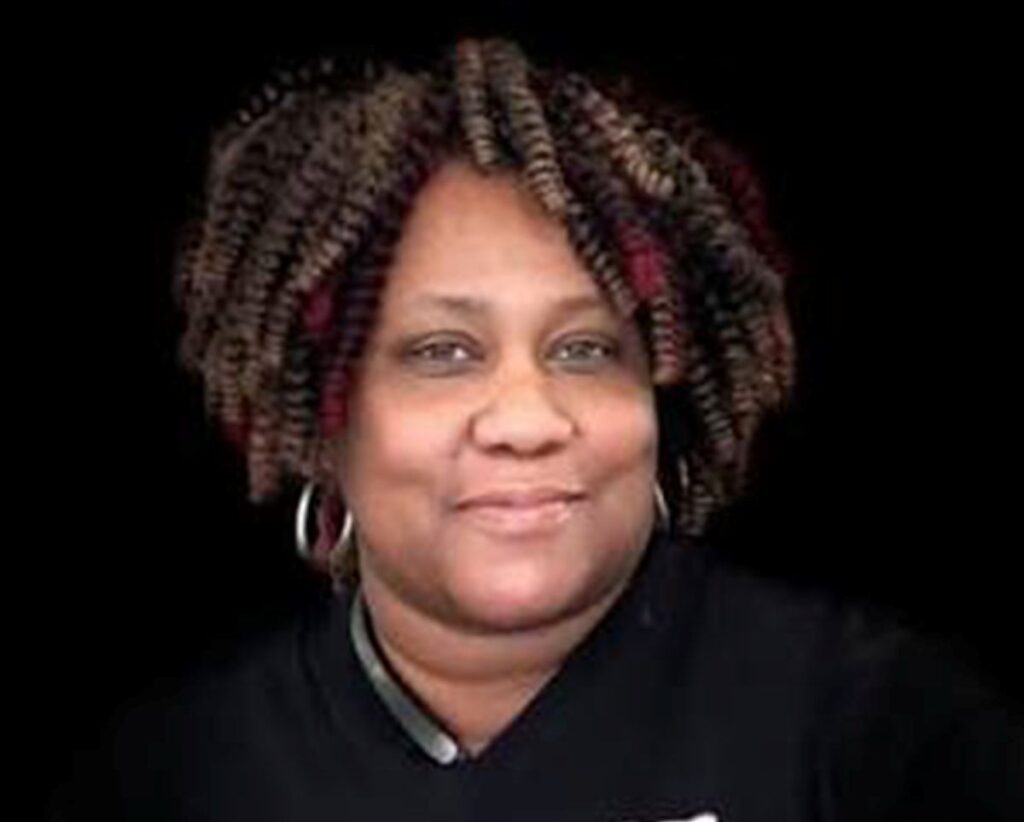
Candace Brewer, the United Citizens Party candidate for lieutenant governor, running with Michael Addison, did not respond to the questionnaire.
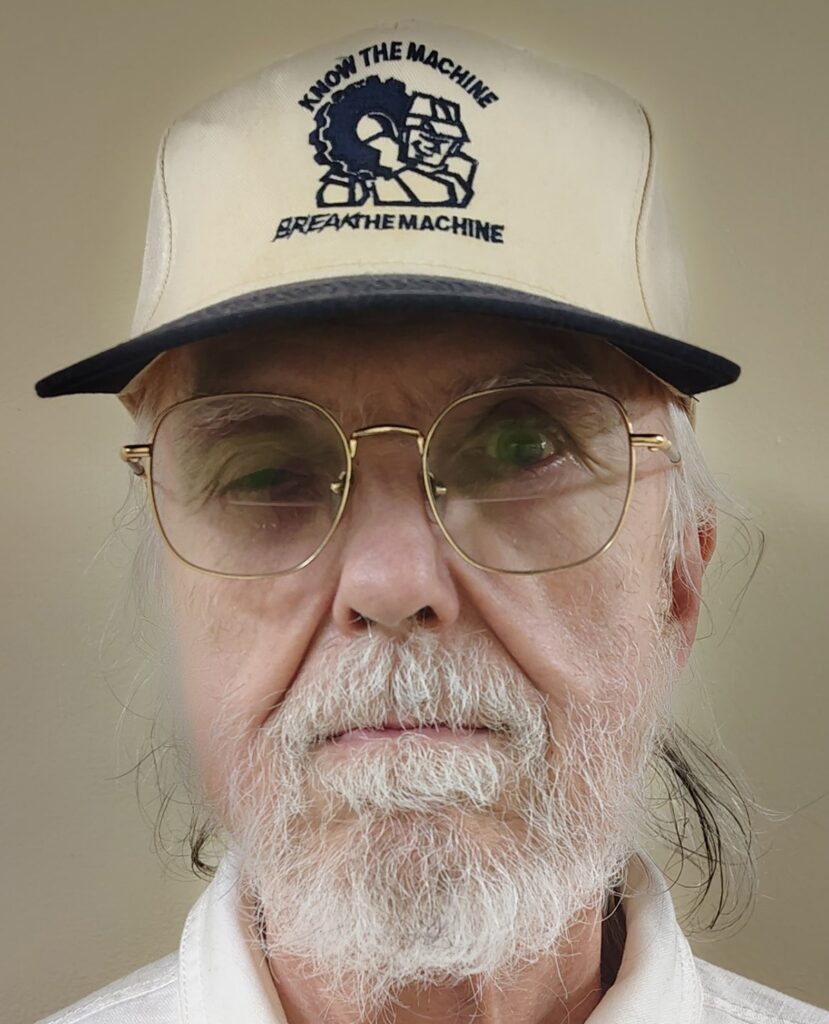
Arnold E. Karr, 73, is the Green Party candidate for lieutenant governor, running with Walid Hakim. A retired educator, he lives in West Columbia, where he reported living for approximately three years. He taught in Greenville County schools from 1986 to 1988 and worked in special and adult education with the South Carolina Department of Corrections from 1988 to 2008. He earned a bachelor’s degree in philosophy and a master’s degree in learning disabilities education from Furman University. He is a founding member of the South Carolina Workers Party and a certified facilitator with the Alternatives to Violence Project. He has five adult children and four grandchildren.
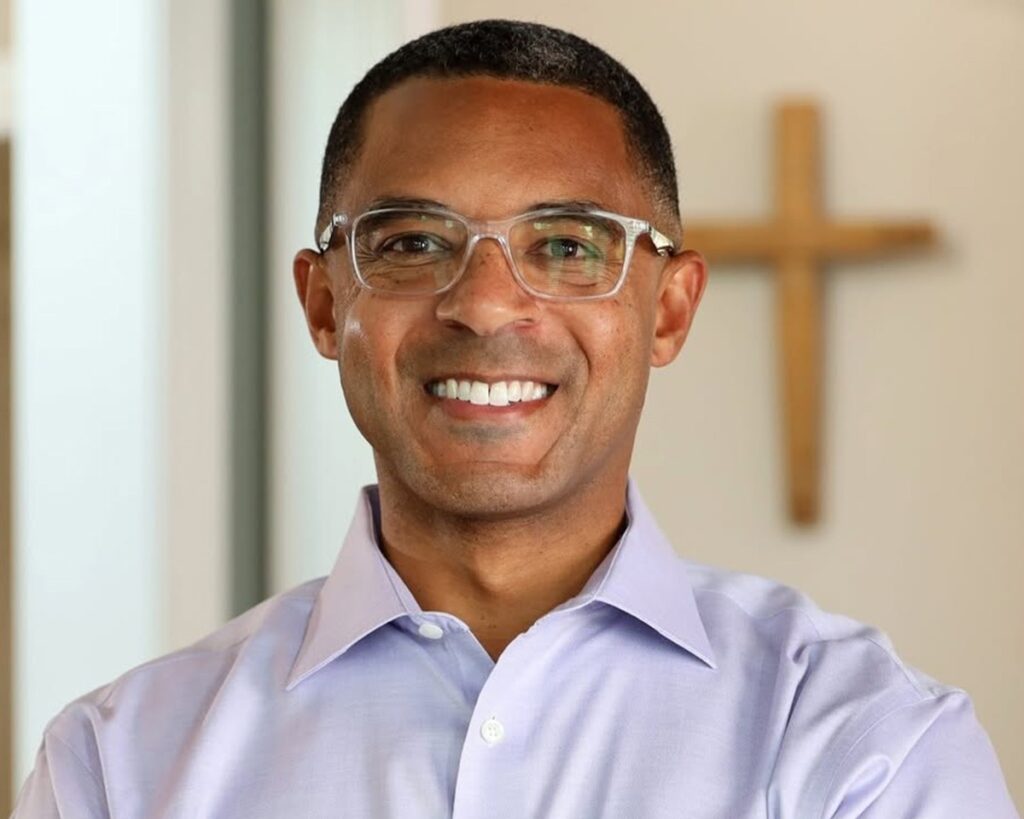
J. Michael “Mike” Reichenbach, 54, is the Republican candidate for lieutenant governor, running with Alan Wilson. He is a state senator representing District 31 and president and owner of Mike Reichenbach Automotive. He has served in the Senate since April 2022 and was reelected in November 2024. He and his wife, Charisse, moved to Florence in 2008 and have two children. He earned a bachelor’s degree in business administration from Bowling Green State University and an MBA from the University of Michigan. His background includes corporate work, automotive dealerships, law enforcement and service in the South Carolina Military Department’s Joint Services Detachment.
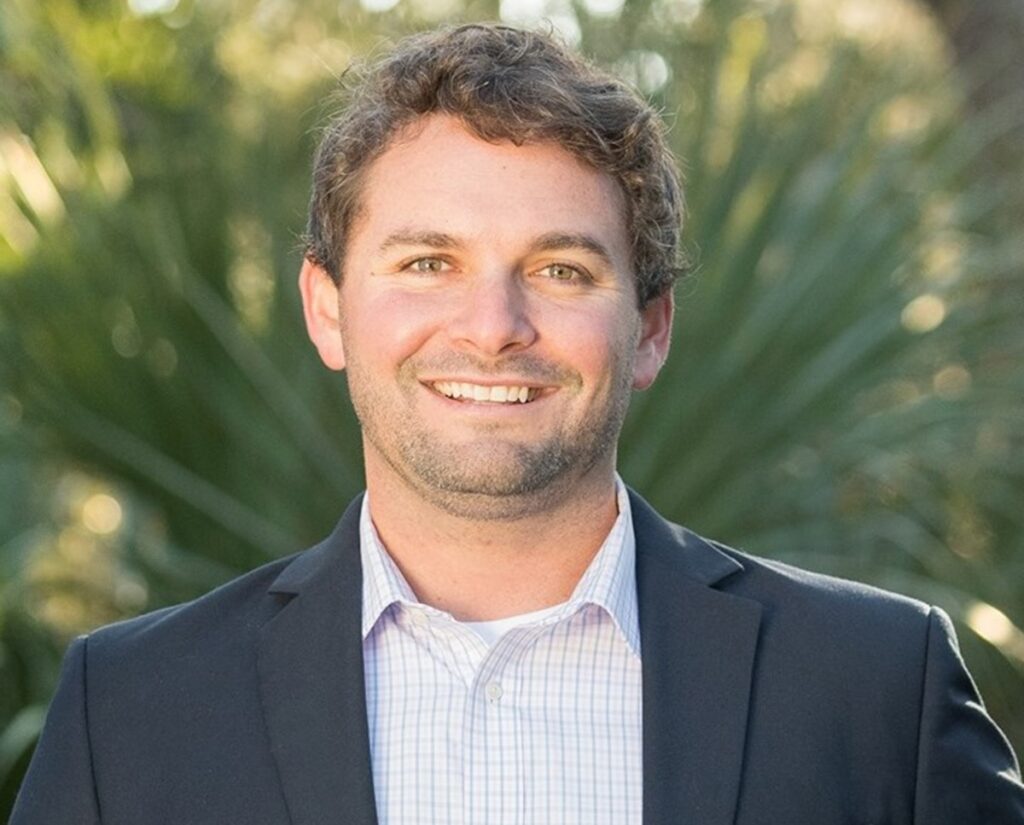
Sam Skardon, 38, is the Democratic candidate for lieutenant governor, running with Jermaine Johnson. He lives on James Island in Charleston with his wife, Leslie, and their twin sons. He is director of business development for the Clean Energy Fund of the Carolinas and has worked in community lending, small business financing, affordable housing and clean energy. He earned a bachelor’s degree in history from Emory University and an MBA from Georgetown University. He previously worked on the staff of U.S. Rep. John Lewis, served as chairman of the Charleston County Democratic Party from 2023 to 2025 and was a commissioner of the Charleston Housing Authority.
Candidate questionnaire responses
The Island News asked candidates for South Carolina lieutenant governor the same 10 questions ahead of the Nov. 3 General Election. Their answers appear below, organized alphabetically by last name.
South Carolina lieutenant governor candidates
Responses have been edited only for grammar, spelling and Associated Press style where necessary. The substance and intent of each candidate’s answers have been preserved. Statements, opinions and allegations in the responses are those of the candidates.
1. The lieutenant governor is elected jointly with the governor and may be assigned responsibilities by the governor. How do you define the office’s proper role, and which issues or responsibilities would you expect to lead?
Karr: In addition to my constitutionally mandated duties, I would seek to lead in the area of criminal justice reform, with a particular emphasis on abolition of the death penalty and solitary confinement as a disciplinary measure; ending life sentences with no possibility of parole; guaranteeing the right of incarcerated citizens to vote while incarcerated; and fair pay for work assignments while incarcerated.
Also, I would lead the effort to prohibit employers from asking about criminal history and incarceration on job applications and discrimination against ex-offenders in employment, education and housing, except where mandated by federal law.
Reichenbach: I believe the lieutenant governor should be more than a ceremonial position. South Carolina taxpayers deserve a lieutenant governor who goes to work every day, takes on meaningful responsibilities and delivers measurable results alongside the governor.
Attorney General Alan Wilson and I have already outlined our vision through the Families First Audit Initiative, which I will oversee as lieutenant governor. This initiative will bring greater accountability to state government through independent performance audits of state agencies, local governments and school districts, with appropriate legal authority and coordination.
We will use modern technology, data analytics and independent oversight to identify wasteful spending, eliminate inefficiencies and ensure taxpayer dollars are being spent responsibly. Our goal is to find savings that can be returned to taxpayers and redirected toward essential priorities. I successfully performed these proactive audits as a corporate auditor, and we will do the same in state government.
I also intend to focus on workforce development, supporting small businesses and improving foster care and adoption reform alongside Gov. Wilson.
The lieutenant governor should be a working partner to the governor, not simply someone waiting in the wings. Alan and I intend to demonstrate what an active, accountable lieutenant governor can accomplish.
Skardon: I am excited about the opportunity to play a leading role in the Johnson/Skardon administration’s efforts to build a New South Carolina. Specifically, given my economic background and business degree, Dr. Johnson has asked me to take a leading role on key economic issues such as small business support, access to capital and equitable economic development in South Carolina.
Also, as a parent of young children in our public schools, and as a graduate of Charleston County Public Schools, improving our public schools is a personal issue to me. We need to reinvent public education in South Carolina so we’re setting up every child to succeed in the 21st century. That means starting kids in school younger, more school days and lower student-teacher ratios.
But, to build a New South Carolina alongside Jermaine Johnson, we need to defeat an old South Carolina on Nov. 3. The same party has been ruling our state unchecked for 24 years and the Wilson family has been in elected office for 58 years. The results are a state that is bottom 10 in education, affordability and violent crime. We are dead last in upward mobility out of poverty. It’s time to break up the single-party rule in Columbia and actually deliver results for the people of South Carolina.
2. How would you divide responsibilities with the governor while remaining informed about all major decisions of the administration? What experience demonstrates that you can serve as an effective governing partner?
Karr: I would both advise and support the governor on policy matters. Having served on the executive board of The SCEA, as treasurer of an alcohol recovery association and treasurer of the South Carolina branch of the IWW, I am experienced with shared leadership.
Reichenbach: Alan Wilson and I bring different but complementary experiences to this partnership. He has spent more than 15 years as South Carolina’s attorney general, fighting to protect families, uphold the law and defend our constitutional freedoms. I bring decades of private-sector business leadership, experience in law enforcement and service in the South Carolina Senate.
As a business owner, I understand the importance of surrounding yourself with capable people, delegating responsibilities and holding everyone accountable for results. That same approach should guide state government.
Alan will lead the administration and establish its overall priorities. My primary responsibility will be implementing our Families First Audit Initiative, while also helping advance our economic development, workforce and government reform priorities to benefit the family unit.
We will maintain regular communication, coordinate closely on major policy decisions and ensure that the governor and lieutenant governor are working toward the same objectives.
I’ve built businesses, created hundreds of jobs, served in law enforcement and worked with colleagues in the General Assembly. Those experiences have taught me how to lead, collaborate and make difficult decisions.
Our partnership will be built on trust, communication and a shared commitment to putting South Carolina families first.
Skardon: I would be happy to serve at the pleasure of Gov. Johnson in any capacity he asks of me, particularly in leading on small business and community economic issues that I have deep experience with. I’m proud to have earned an MBA from Georgetown University and have applied those business management skills to help build and lead complex statewide and regional community loan funds. Also, having served on the staff of Rep. John Lewis, I worked directly on delivering constituent services to the people he represented. I look forward to applying that experience of navigating a complex bureaucracy to ensure the people of South Carolina are getting the results and service they need from their state government.
3. The lieutenant governor must be prepared to assume the powers and duties of governor when required. What experience has prepared you for that responsibility, and what steps would you take to remain ready throughout the term?
Karr: I have been a politically and socially engaged resident of South Carolina almost my entire adult life. Being the chief executive officer of a state is a unique responsibility to which no one can come fully prepared, but my education and public engagement, with the help of competent advisers who know what I do not, are the most I, or anyone, can offer.
Reichenbach: The responsibility to serve as governor, if called upon, is one I take extremely seriously.
Throughout my career, I’ve been entrusted with decisions that affect employees, families, businesses and communities. I’ve managed multimillion-dollar businesses, balanced budgets, made payroll and led organizations through difficult economic conditions, including the Great Recession.
My service in law enforcement and the South Carolina Military Department has also reinforced the importance of preparation, discipline, leadership and making sound decisions under pressure.
As a state senator, I’ve gained firsthand experience with the legislative process, state government, public policy and the challenges facing communities throughout South Carolina.
As lieutenant governor, I would remain fully engaged with the administration’s major decisions, maintain regular briefings with agency leadership and stay informed about emergency management, public safety, fiscal policy and other critical state responsibilities.
The people of South Carolina deserve confidence that their lieutenant governor is prepared to lead from day one if circumstances require it.
Skardon: I believe the most important thing a governor can do is remain rooted in our communities and maintain a fresh focus on what matters most to South Carolina families. That’s why I think the contrast in this election is so stark. We are running against the son of a congressman, whose family has been in office for 58 years, and has fallen into the cycle of corruption in Columbia. I fundamentally do not believe that Alan Wilson understands the average South Carolina family or will fight for them on the issues that matter most. If he did, he would have used his 16 years in office to fight for better public schools, improve access and affordability of health care, and increase wages in South Carolina. Instead, he has interfered with corruption investigations and sent more than $70 million of state taxpayer dollars back to his friends, donors and former colleagues in the form of legal fees on the work he has contracted out to them. How will I be ready to serve as our governor? Stay focused on the issues that matter to South Carolina families and don’t fall into the pit of corruption that plagues Columbia, like Alan Wilson has.
4. How would you handle a serious disagreement with the governor on a policy, appointment or ethical matter? Under what circumstances would you make that disagreement public?
Karr: It is always best, first, to address disagreements or concerns privately. Only in matters where the governor is in direct, willful violation of their constitutional duties or ethical responsibilities would I speak publicly. I do not expect that to be necessary with Gov. Hakim.
Reichenbach: Strong leadership requires the willingness to have difficult conversations, and a successful governing partnership requires honesty and mutual respect.
Alan Wilson didn’t select me to simply agree with everything he says. He selected me because of my experience, judgment and willingness to bring a different perspective to the table.
If we disagreed on a policy or appointment, I would address those concerns directly and privately with him. We would examine the facts, consider the consequences and work toward a decision that best serves South Carolina families.
However, there is a difference between a policy disagreement and an ethical or legal concern. If I believed something was unlawful, unethical or contrary to the public trust, I would have an obligation to address it through the appropriate legal and oversight channels.
I believe disagreements should generally be resolved within the administration, but no public official should place personal loyalty above the law or the people we serve.
My loyalty will always be to the Constitution, the rule of law and the citizens of South Carolina.
Skardon: I’m glad to have a running mate in Jermaine Johnson who regularly asks my opinion and advice, and I’m very clear that my role is to provide guidance and input, but ultimately it’s the governor’s decision that matters most. I believe in Jermaine and trust that he will always judiciously gather input from many perspectives (including my own), and then take action in a fair, ethical and considerate manner that always puts the people of South Carolina first. Fortunately, my running mate does not have the same ethical issues Alan Wilson has demonstrated during his time as attorney general, like when he interfered with the largest ethics investigation in state history, so I do not anticipate the same disagreements on ethical matters that the other candidate for lieutenant governor may face.
5. What role should you play in recruiting employers, supporting small businesses and preparing South Carolinians for available jobs? Which workforce or economic-development challenges would you make a priority?
Karr: More than recruiting employers to come to South Carolina, I believe it would be my duty to make clear to any industries in our state that we are committed to the right of all workers to the fruits of their labor. This includes the right to organize and take collective action in their shared interests. I would also make it clear that union busting and worker abuse and intimidation will not be tolerated by a Hakim-Karr administration.
I fully support small and worker-owned business models and will encourage legislation and policies that prevent megacorporations from driving them out of the marketplace.
Reichenbach: As someone who has built businesses and created hundreds of jobs in South Carolina, economic development and workforce readiness are deeply personal to me.
I know what employers face because I’ve lived it. I’ve balanced budgets, made payroll, hired employees and navigated government regulations. I understand that successful economic development isn’t just about recruiting large corporations. It’s also about helping existing small businesses grow and ensuring our citizens have the skills necessary to compete.
In 2019, I founded Helping Florence Work, an initiative designed to connect students, guidance counselors and educators with rewarding career opportunities that don’t necessarily require a four-year college degree.
As lieutenant governor, I will work with Alan Wilson to strengthen partnerships between employers, technical colleges, schools and workforce development organizations.
We must expand apprenticeships, career and technical education, and industry-driven training programs while removing unnecessary regulations that discourage entrepreneurship.
I also support Alan’s commitment to eliminating South Carolina’s individual income tax responsibly, controlling government spending and making our state more competitive.
Our goal is simple: make South Carolina a place where businesses can succeed, workers can prosper and families can afford to build a future.
Skardon: I’m proud to already have a strong track record of helping to build South Carolina’s economy and make it work better for all of us. I’ve helped to grow and lead community loan funds that expand access to capital for small businesses, affordable housing and clean energy projects. I also spent time with the Charleston Metro Chamber of Commerce working on an equitable economic development strategy for the Lowcountry so that our region’s economy could grow while ensuring the benefits were felt by all residents and the character of our community would be preserved. These are the principles that should be brought to our state government: more access to capital and wealth-building opportunities, ensure all South Carolinians benefit from economic growth, stop giving away the farm to large corporations, and preserve the culture, natural environment and communities that make our state great. There is also a critical need to improve our education systems so that all South Carolina students are ready to join a 21st-century workforce.
6. South Carolina’s communities face different challenges involving health care, transportation, broadband, flooding, housing and economic opportunity. How would you ensure rural, coastal and underserved communities have access to the administration?
Karr: I would suggest you read Walid Hakim’s 100-year plan for making South Carolina better for all South Carolinians. It addresses all these issues and will continually respond to new ideas and technologies, wherever they come from.
I will specify that I believe health care to be a human right and should not be limited on the basis of cost or ideologies that have no foundation in best professional practices. No one should be criminalized for seeking or providing proper health care.
Reichenbach: Living in Florence and representing the Pee Dee in the South Carolina Senate has given me a firsthand understanding of the challenges facing communities outside our state’s largest metropolitan areas.
Too often, communities feel their concerns are overlooked until there’s a crisis. That needs to change.
As lieutenant governor, I will make it a priority to visit rural, coastal and underserved communities regularly, meet directly with local leaders and ensure their concerns are communicated to the governor and appropriate state agencies.
Our administration will focus on improving infrastructure, including rural roads and bridges, expanding access to reliable broadband, supporting workforce opportunities and addressing barriers to affordable health care and housing.
Coastal communities also face unique challenges involving flooding, hurricanes and development pressures. We must work closely with local governments to support responsible planning and preparedness.
Our Families First Audit Initiative will also help identify where government resources are being wasted or failing to reach the people who need them.
Whether you live in Beaufort, Florence, Greenville or a small rural community, you deserve a state government that listens, responds and delivers results.
Skardon: As someone who grew up in the Lowcountry, and has lived here for 22 years of my life, the protection of our coast is a personal issue to me. We need to fight sea level rise and hold corporations accountable when they do damage to our environment, which are things Alan Wilson has not done as attorney general. Expanding Medicaid is also critical to rural health care access. In order for rural health care providers to stay in business, they need the population they serve to have health insurance, and expanding Medicaid in South Carolina would do exactly that. In fact, in our debate, Alan Wilson said he opposed this expansion of health care access because in North Carolina it resulted in a 93% increase in health care coverage, but cost the state 6% more. Someone who doesn’t see the incredible cost-benefit trade-off there should not be leading our state and does not truly prioritize access to health care for struggling communities.
7. What responsibilities should the lieutenant governor assume before, during and after hurricanes, floods, public health emergencies or other statewide crises? How would you help coordinate communication with local governments and the public?
Karr: I would make myself available to and take advice both from the governor and experts in all areas of concern. I would not be interested in making myself the center of attention.
Reichenbach: When disaster strikes, South Carolinians deserve steady leadership, clear communication and a coordinated response from their government.
My background in law enforcement, military-related service and business leadership has taught me that preparation and communication are critical when lives and livelihoods are at stake.
As lieutenant governor, I would work closely with Gov. Wilson, the South Carolina Emergency Management Division, local emergency officials, sheriffs, first responders and community leaders to support preparedness and response efforts.
Before a disaster, we must ensure communities understand the risks, evacuation procedures and available resources. During an emergency, our priority must be protecting lives, providing accurate information and supporting local responders.
Afterward, we must focus on recovery, restoring essential services, assisting affected families and businesses, and ensuring disaster relief dollars are spent responsibly.
Through our Families First Audit Initiative, I would also work to improve accountability and efficiency in disaster recovery spending and make sure funds get where they’re intended to go.
The lieutenant governor should serve as a reliable extension of the governor’s leadership, helping ensure communities receive the attention and resources they need.
Skardon: After Hurricane Hugo devastated the Lowcountry in 1988, Sen. Fritz Hollings set the example we should all follow when it comes to disaster response. He cut through red tape like a chain saw and personally saw to it that all available state and federal resources were being delivered to people who needed them most. We have to have an all-hands-on-deck approach to preparing and recovering from emergencies that threaten our communities. Perhaps we’d have more resources to do it if Alan Wilson hadn’t sent his friends and colleagues over $70 million out of the last environmental protection settlement that was awarded to the people of South Carolina.
8. How would you make the lieutenant governor’s work transparent and accessible? What regular public schedule, reporting, travel or constituent-outreach practices would you establish?
Karr: Having never served as an elected official, that would be part of my learning curve. I will not pledge to give more than 100%, as that is both mathematically and physically impossible. I will do all I can and accept the necessary help when my efforts are not enough.
Reichenbach: I’ve always believed that public service means being accessible and accountable to the people who elected you.
As a state senator, I’ve taken pride in providing responsive constituent services and maintaining direct relationships with the communities I represent. Since being elected to the state Senate, Charisse and I have held our annual “Conversations with the Community,” with dozens of locations across the district so we can connect with constituents and hear their concerns. I intend to bring that same approach to the lieutenant governor’s office.
I would establish a regular schedule of travel throughout South Carolina, meeting with local officials, business owners, educators, law enforcement officers and everyday citizens.
Transparency will also be central to the Families First Audit Initiative, and we’ll provide regular updates on findings and progress, including measurable results from audits, identified savings and recommendations for improving government operations.
South Carolinians shouldn’t have to wonder what their lieutenant governor is doing. They should be able to see the work, measure the results and hold us accountable.
Skardon: This is a moment of serious concern and doubt in our democracy, in part because several partisan Republican attorneys general, including Alan Wilson, attempted to overturn the 2020 election. In part because of those attacks on our democracy, elected officials need to go above and beyond to show that our democratically elected officials are hardworking, honest and engaged in our communities. That will build trust, restore confidence and help deliver results that Alan Wilson tried to undermine.
Something I’m particularly excited about on our ticket is the youth and energy that Jermaine and I bring to the people of South Carolina. Our combined age is younger than many politicians and I think that will greatly help with being active leaders who are relentlessly traveling out into communities, utilizing the latest technologies for constituent service and communication, and connecting with hardworking people across South Carolina.
9. What standards should govern your official travel, outside interests, campaign activity, use of state resources and relationships with donors or lobbyists? Would you support additional disclosure requirements for the executive branch?
Karr: I have no interest in campaign donations and the only lobbyists I wish to engage with are the people of South Carolina. If I am needed anywhere in the state and it falls under my official duties, it is appropriate to use public funds allocated for that purpose. I seriously doubt that I will do much campaigning while serving as lieutenant governor, not being a member of one of the two parties doing the most harm, in my opinion. I would support any reasonable requirements that would hold government more transparent and accountable to the people.
Reichenbach: Government officials should be held to the highest standards of integrity, transparency and accountability.
As a businessman, I’ve always understood that trust must be earned. The same principle applies to public service.
Official travel and expenditures should serve a legitimate public purpose, comply with applicable laws and be properly documented. State resources should never be used for personal or political gain, and campaign activities must remain separate from official government responsibilities.
I also believe public officials must disclose financial interests and avoid conflicts that could undermine public confidence in their decisions. Relationships with donors, lobbyists or outside organizations should never determine public policy.
I support reasonable additional disclosure requirements that improve transparency, protect taxpayers and strengthen public trust.
Our Families First Audit Initiative reflects that same commitment. We want to identify waste, prevent abuse and make sure government agencies are operating with the accountability taxpayers deserve.
If South Carolina families and businesses must account for every dollar they spend, their government should be expected to do the same.
Skardon: Yes. Our state has stunningly weak ethics laws which should be improved and strengthened, and I’ll lead by example in holding myself to a higher standard than the law currently requires. The prime example of the weakness of our laws is that Alan Wilson was proven to have interfered with the largest corruption investigation in state history, sent over $70 million of state dollars to his friends and colleagues, and more than doubled his salary while in office. And none of it was illegal. That doesn’t mean you get credit for following the law; it means our ethics laws need to be much stronger.
10. What do you believe you would bring to the office of lieutenant governor, and what should voters know about how you would contribute to the administration during the next four years?
Karr: I am of the working class and would seek at all times to serve the working class, regardless of ethnicity, gender identity, social status, sexual orientation or any other identity marker on which human beings can be targeted as “other.”
I will contribute an open and critical mind and no fear of displeasing those who have become accustomed to having their way at all times.
Reichenbach: I’m not a career politician. I’m a businessman, a job creator, a retired law enforcement officer, a husband, a father and someone who believes public service is about making a difference in people’s lives.
My wife, Charisse, and I moved to Florence in 2008 with a dream of building a business and raising our family in a community where we could put down roots. We started during one of the most difficult economic periods in recent history, and through hard work and perseverance, we built a business that has created hundreds of jobs.
I’ve spent my career learning what it takes to manage budgets, lead people, solve problems and deliver results.
I have never let title or position go to my head, and I pray earnestly and consistently for God to help me lead with humility, honor and discernment.
As lieutenant governor, I will bring that same approach to state government.
Alan Wilson and I share a vision of making South Carolina more affordable for families, more profitable for businesses and more accountable to taxpayers.
My central responsibility will be leading our Families First Audit Initiative, identifying wasteful spending, improving government efficiency and helping return more money to the people who earned it.
I will also focus on workforce development, economic opportunity, public safety and ensuring communities across South Carolina have a voice in our administration.
Alan and I aren’t running to preserve the status quo. We’re running to shake it up, put families first and deliver the conservative reforms South Carolinians deserve.
Skardon: More than my economic experience creating access to capital, and my time as an aide to John Lewis, I think the most important thing about me is being a young husband and father raising a hardworking South Carolina family. Our state government needs more people in it who know, feel and prioritize the issues that matter most to our working families. Schools, housing, health care, cost of living and child care. The 24 years of single-party rule in Columbia (or the 58 years of Wilson family rule) hasn’t delivered the results our families need on those issues, and I’d be honored to join Jermaine in building a New South Carolina that actually delivers the results our communities need most.
Delayna Earley, who joined The Island News in 2022, formerly worked as a photojournalist for The Island Packet/The Beaufort Gazette, as well as newspapers in Indiana and Virginia. She can be reached at delayna.theislandnews@gmail.com.