

Candidates share concerns over teacher retention and student support, differ on academic priorities, district oversight and how to manage growth
By Delayna Earley
The Island News
Nine candidates seeking four seats on the Beaufort County Board of Education agree on many of the broad challenges facing Beaufort County schools, including keeping qualified teachers in classrooms, supporting students struggling academically or behaviorally and maintaining public trust.
But their responses to a questionnaire from The Island News show differences in where they believe the district’s most pressing problems lie and how the school board should go about addressing them. (The candidates’ profiles and complete responses to the questionnaire can be found at the end of this story.)
Some candidates focused heavily on achievement gaps and classroom discipline. Others pointed to early childhood education, teacher recruitment, multilingual learners or preparing students for life after graduation.
The candidates also offered different approaches to managing continued growth, deciding what should be protected if district finances tighten and defining the line between school board oversight and the superintendent’s responsibility to manage the district.
The Island News sent the same 10 questions to all nine candidates seeking seats in Districts 2, 3, 4 and 5. Questions covered academics, hiring practices, teacher recruitment and retention, disputed books and instructional materials, growth and school construction, the district budget, safety and discipline, public trust and the relationship between the board and superintendent. All nine candidates responded.
Asked to identify the most significant academic challenge facing Beaufort County students, candidates offered some of their sharpest differences.
Incumbent District 3 board member William Smith, a lifelong Beaufort County resident, focused on persistent differences in academic performance among schools north and south of the Broad River, calling for school-by-school reporting and targeted resources, leadership and interventions.
Willie Turral, a former Beaufort County teacher and school administrator and former owner of Willie’s Bar and Grill, identified classroom environments where teachers can teach and students can learn as the underlying challenge. He called for a district-wide assessment of behavioral incidents and expanded crisis intervention and de-escalation training for school employees.
Cynthia Gregory-Smalls, a longtime educator and former Beaufort County school administrator who previously served on the Board of Education, pointed to reading and math performance among multilingual learners, along with aging school buildings and students still recovering academically from disruptions during the COVID-19 pandemic.
In District 2, Christopher Dantzler, an Army veteran, business owner and longtime youth mentor, identified U.S. history, science and mathematics as areas needing attention and called for benchmark assessments and greater accountability for instructional leaders.
Genie Brainerd, a retired science teacher who has also worked in child advocacy, took a broader approach, identifying teacher recruitment and retention, technology and the needs of marginalized students among the district’s challenges.
Delores “Dee” Matthews, a retired Beaufort County educator and administrator, emphasized preparing students for college, the military or the workforce, including technical training.
Angela Stephens, a longtime educator and current principal of Bolden Elementary Middle School, put foundational literacy and mathematics at the center of her response, while Gwyneth Saunders, a retired journalist and longtime Sun City resident, focused on school readiness and greater early childhood and family education.
Incumbent District 5 board member Victor Ney, a retired Marine who now teaches music at John Paul II Catholic School, emphasized measurable student achievement, strong classroom instruction and early intervention for struggling students.
Transparency draws broad agreement
Candidates were much closer together on how the district should handle hiring, particularly for senior administrators.
Most said the public should be able to understand the qualifications required, selection criteria and general process used to fill high-level positions while applicants’ private personnel information, references and other legally protected information remain confidential.
Stephens said personal relationships and politics should not influence hiring, while Brainerd said explaining how and why decisions are made could help counter perceptions of nepotism.
Turral offered perhaps the most concise description of the distinction.
“Confidentiality should protect applicants. It should never protect a process from scrutiny,” he wrote.
Ney emphasized another aspect of the issue, saying the board should insist on a credible and lawful hiring process and hold the superintendent accountable without individual board members inserting themselves into personnel decisions.
Keeping teachers takes more than pay
There also was broad agreement that salary alone will not solve teacher recruitment and retention problems.
Candidates repeatedly cited workplace culture, administrative support, professional development, mentoring and opportunities for advancement as factors in whether teachers remain with the district.
Stephens said employees stay where they feel valued and supported and called for protecting planning time and reducing unnecessary paperwork.
Turral similarly said pay may get employees through the door, but workplace culture helps determine whether they stay. He also advocated building a local teacher pipeline, including helping paraprofessionals become certified teachers.
Brainerd and Saunders placed additional emphasis on Beaufort County’s housing costs, while Ney suggested exploring partnerships with housing providers for discounts or units available to district employees.
Matthews advocated mentorship or buddy programs for new teachers, an idea echoed in various forms by several other candidates.
Book disputes bring more agreement than division
Despite years of debate over books and instructional materials in Beaufort County schools, the candidates’ responses showed substantial agreement on how those disputes should be handled.
Most said parents should have authority over what their own children read and a clear way to challenge materials, while educators and librarians should retain a professional role in selecting books and instructional materials.
They also generally agreed that an objection from one parent should not automatically determine what is available to all students.
Stephens said materials should not be automatically removed because of an individual disagreement and called for a fair review process.
Brainerd was more explicit, saying parents should determine what their own children read but should not “police” what other parents allow their children to read.
Turral said the board’s responsibility is to establish the rules before controversy occurs and then follow them consistently, considering educational value, age appropriateness, law and academic standards.
The other candidates generally described similar roles for parents, educators, administrators and the board, with Matthews additionally emphasizing age appropriateness and group review.
Use existing schools before building new ones
Growth produced another area of substantial agreement.
Several candidates said the district should first determine whether existing schools can absorb additional students through renovations, expansions or attendance-zone changes before constructing new facilities.
Dantzler and Gregory-Smalls were among the candidates who specifically emphasized using available capacity before building new schools. Dantzler noted that some schools remain below capacity, while Gregory-Smalls suggested renovating or repurposing underused facilities.
Stephens called for long-term planning using enrollment, demographics, development, transportation and building-condition data.
Turral said the district should consider not only the cost of constructing a school but its lifetime operating costs and educational need.
Ney pointed instead to processes already in place, including the district’s facilities assessment process and citizen oversight of referendum projects.
The remaining candidates likewise emphasized data-driven planning, with Matthews warning that housing growth should be studied carefully so that new schools do not open already overcrowded.
Classrooms come first if money gets tight
There was little disagreement over what should be protected if the district’s finances become tighter.
Most candidates placed classroom instruction, teachers and services directly affecting students at or near the top of the list.
Smith and Turral were more specific about where they would look for savings. Both pointed toward administrative or duplicative spending before classroom programs, with Turral also identifying consultants and underused facilities.
Gregory-Smalls suggested examining administrative overhead, consolidating some administrative functions, reducing nonadministrative travel and renegotiating contracts while protecting special education, services for English language learners, mental-health and safety programs and career and technical education.
Dantzler singled out teacher pay as something he would protect, while Brainerd said she would seek stakeholder input before determining where cuts should fall.
Matthews declined to identify specific cuts without more information, noting that some programs, including some special education services, are legally protected.
Discipline, mental health bring different emphasis
Candidates also differed in what they emphasized when asked about school safety, discipline and behavioral and mental-health support.
Turral and Matthews placed particular emphasis on classroom behavior and discipline. Turral advocated district-wide de-escalation and conflict-resolution training, while Matthews called for greater parent involvement and accountability along with behavioral and mental-health support.
Stephens took a broader view of safety, saying it includes emotional well-being as well as physical security. She called for counseling, early identification of problems, consistent discipline and de-escalation strategies.
Gregory-Smalls placed greater emphasis on physical security, advocating more school resource officers, fewer visitor entry points and anonymous reporting systems while also supporting mental-health services.
Brainerd pointed to security measures already used at some schools, including metal detectors and clear backpacks, but cautioned that discipline should not unfairly single out marginalized students.
Ney said support and accountability are not mutually exclusive, backing early intervention and behavioral resources alongside “meaningful consequences” for serious or repeated misconduct.
The other candidates similarly called for combinations of safety measures, student support and consistent discipline, although Smith placed additional emphasis on examining school-level differences in discipline, attendance, mental health and achievement.
How far should the board go?
Perhaps the clearest consensus in the questionnaire involved the relationship between the Board of Education and superintendent.
Candidates broadly agreed that the board should establish policy, priorities and accountability while the superintendent and district staff manage day-to-day operations.
The differences were largely about when circumstances justify greater board involvement.
Turral summarized his position simply: “Board governs. Superintendent administers.” He said the board should act collectively when issues involve policy violations or serious legal, safety, financial or systemic concerns.
Smith, Stephens, Gregory-Smalls and Dantzler described similar boundaries, generally reserving board intervention for significant policy, legal, safety, financial or performance concerns.
Saunders said unusual circumstances involving irregular, illegal or irresponsible conduct could justify intervention.
Ney drew the firmest line, saying the board should hold the superintendent accountable for carrying out its policies but should not cross into administration.
“There are no circumstances where the board should intervene in day-to-day operations of the district,” Ney wrote.
Across the four races, the questionnaire responses show more agreement than disagreement on some of the district’s most visible issues, particularly teacher retention, disputed books, capital planning and the division of authority between the board and superintendent.
The differences emerge more clearly in what candidates identify as the district’s most urgent academic problem, how they approach student discipline and where they would focus oversight and resources.
Full questionnaire responses from all nine candidates are available at yourislandnews.com.
Beaufort County Board of Education candidate Q&A
The Island News asked all nine candidates seeking Beaufort County Board of Education seats in Districts 2, 3, 4 and 5 the same 10 questions ahead of the Nov. 3 General Election. Their answers appear below, organized by district and alphabetically by candidate within each district.
Board of Education candidates
District 2

Genie R. Brainerd is a retired science teacher who has also worked as a parent educator, child services professional and court-appointed special advocate. She holds a bachelor’s degree in biology from Wake Forest University and a master’s degree in science education from Boston University. Brainerd has lived on Lady’s Island for nine years and has served in PTA and School Improvement Council roles.

Christopher Dantzler is a U.S. Army veteran, owner of Dantzler Pest Control and founder and director of The Extra Mile Club, a youth mentoring program. A Beaufort High School graduate, Dantzler has spent about 20 years working with young people and families throughout the Lowcountry. He has not previously held elected office.
District 3
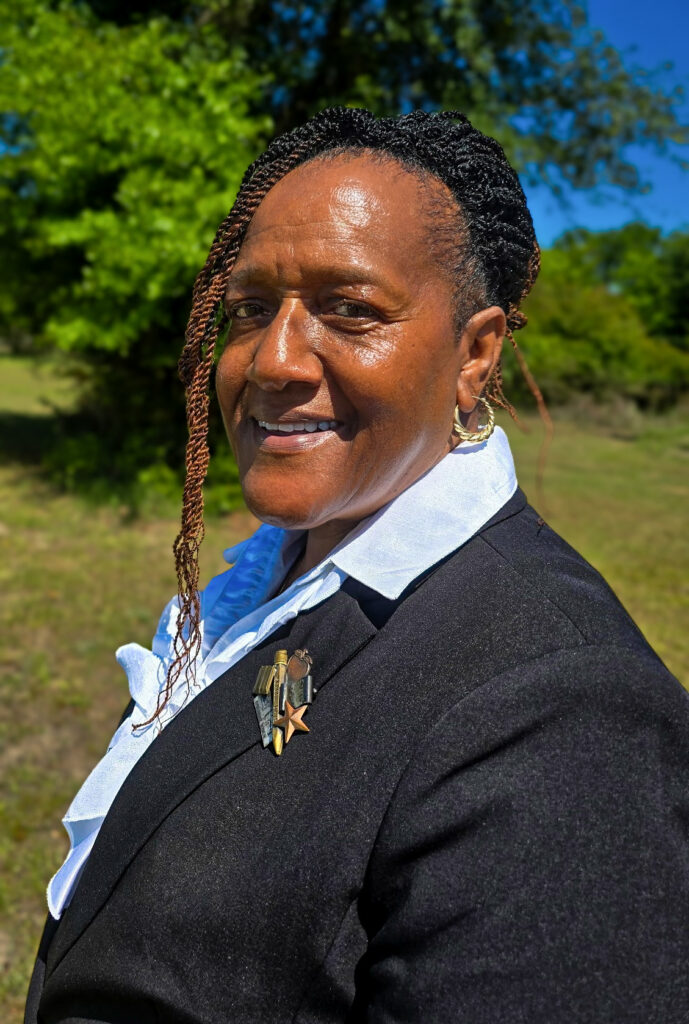
Dr. Cynthia Gregory-Smalls has worked in the Beaufort County school system for more than 20 years and has experience at the elementary, middle school, adult education and college levels, as well as experience as an assistant principal. She previously served on the Beaufort County Board of Education from 2017 to 2018.
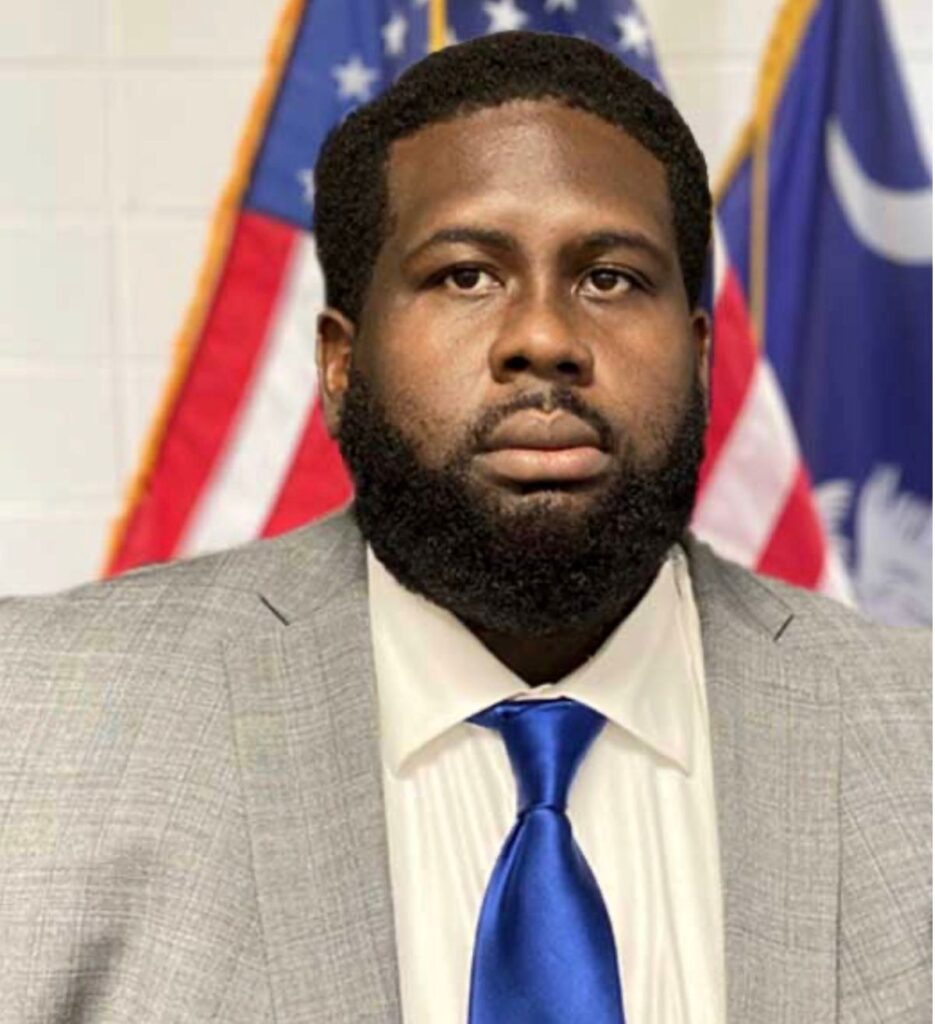
William Smith is the incumbent District 3 representative on the Beaufort County Board of Education and a lifelong Beaufort County resident. He is seeking another term representing District 3.
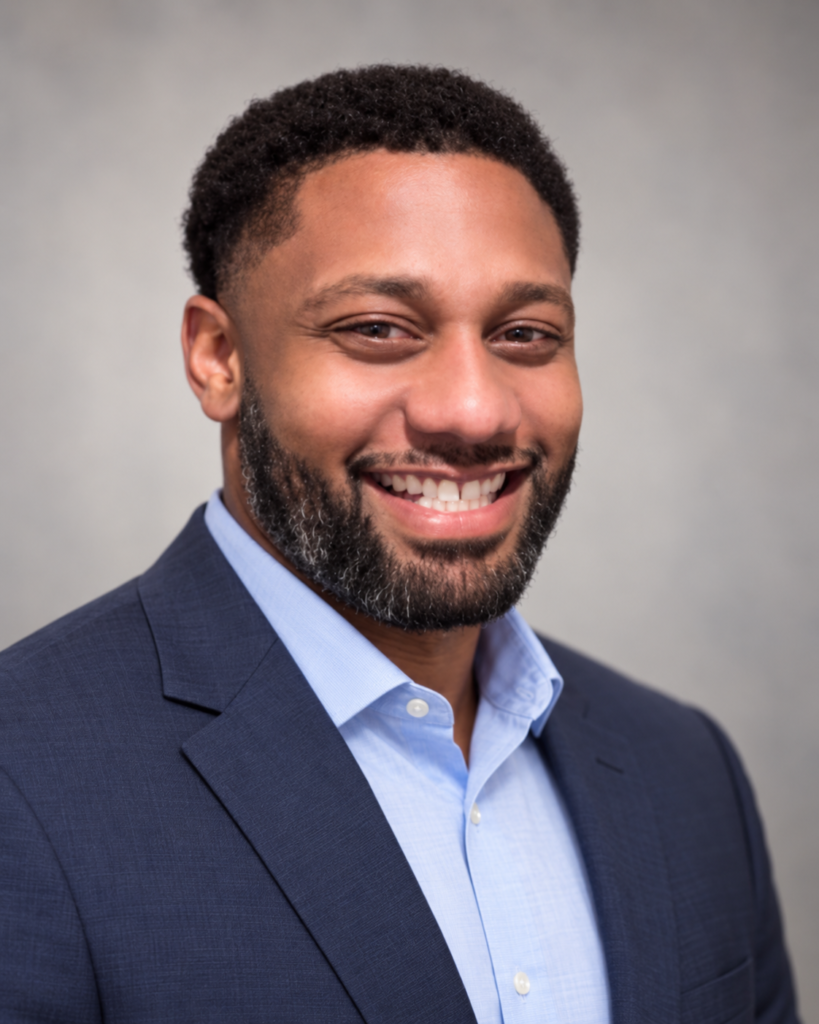
Willie Turral is a former Beaufort County teacher and school administrator and former owner of Willie’s Bar and Grill. He holds a bachelor’s degree in early childhood education from the University of South Carolina Beaufort and a Juris Doctor from the Charleston School of Law. Turral previously taught fourth grade at St. Helena Elementary School and later worked with high-risk youth and served in leadership roles at AMIkids.
District 4
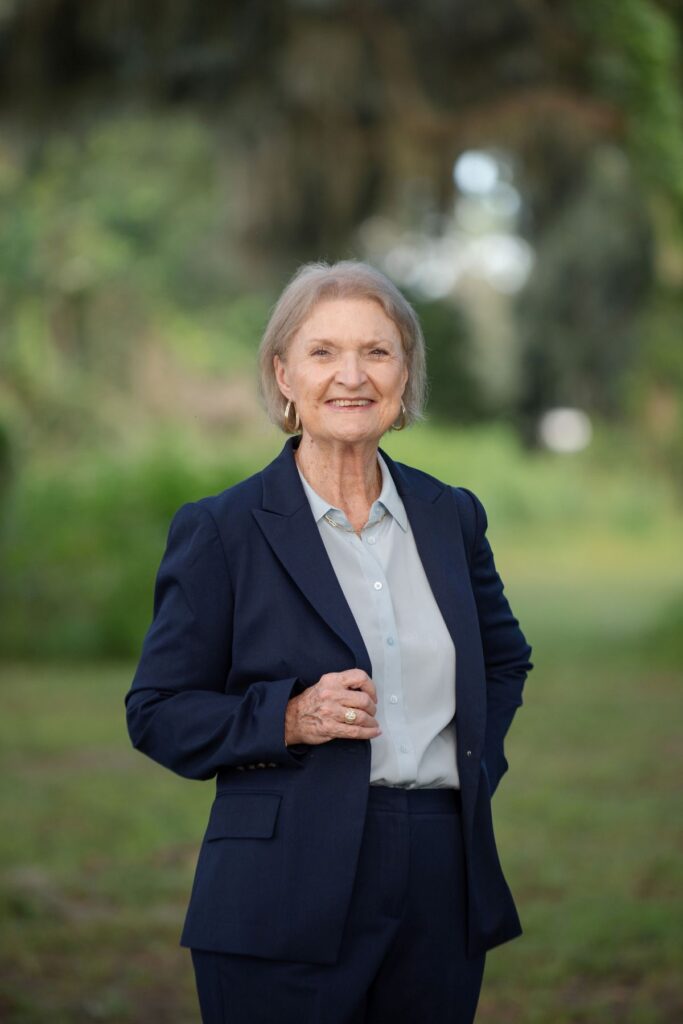
Delores R. “Dee” Matthews is a retired Beaufort County educator and administrator who worked for the Beaufort County School District from 2004 to 2025. Her roles included teacher, alternative school director, assistant principal and interim principal. Matthews also previously served on the Bridges Preparatory School board and as its chair.
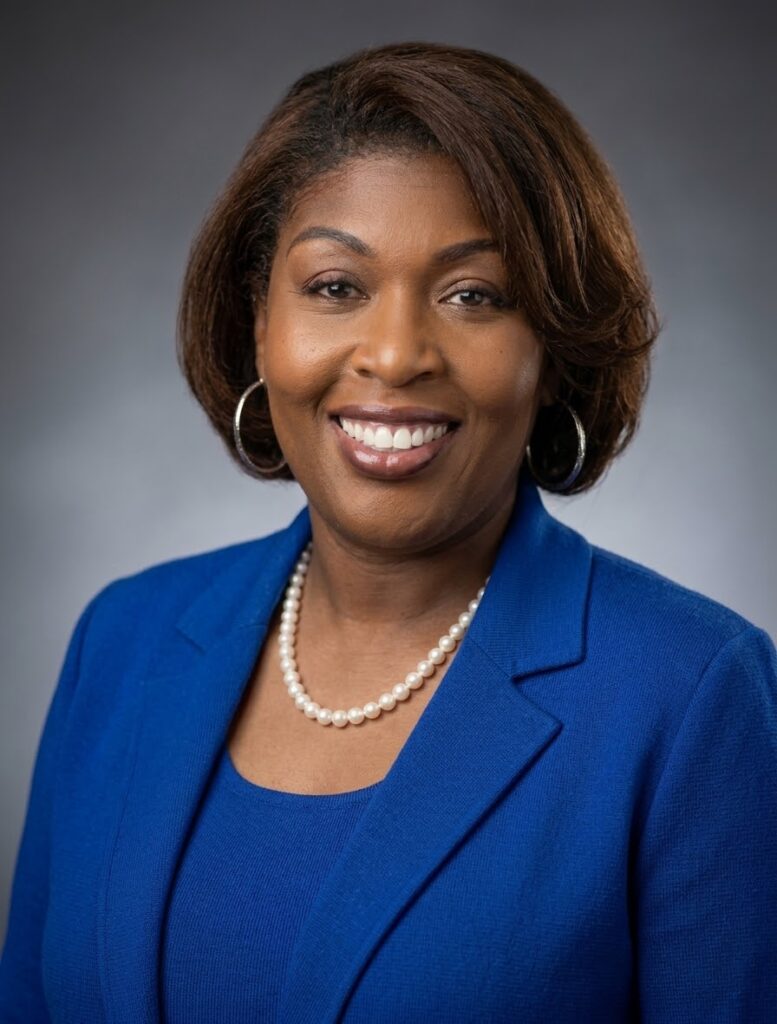
Dr. Angela Stephens is a Beaufort native and longtime educator who currently serves as principal of Bolden Elementary Middle School on the Laurel Bay military installation. She has more than 30 years of experience in education, including more than 15 years as an administrator, and holds a doctorate in educational leadership.
District 5
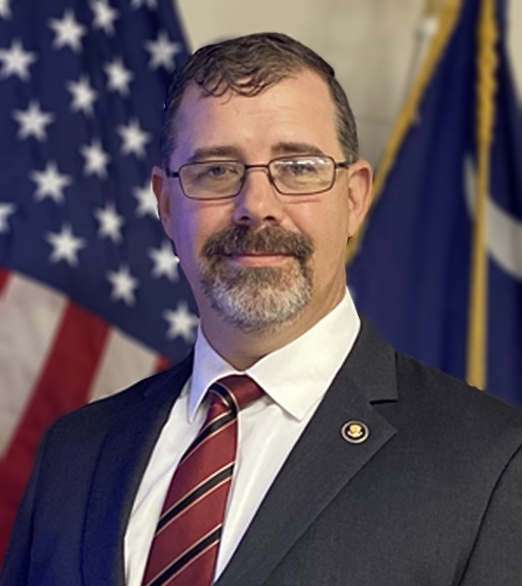
Victor Ney is the incumbent District 5 representative on the Beaufort County Board of Education and is seeking reelection. He is a retired Marine and working educator who has served on the board during his current term. His questionnaire cites 24 years of military leadership experience and classroom experience.
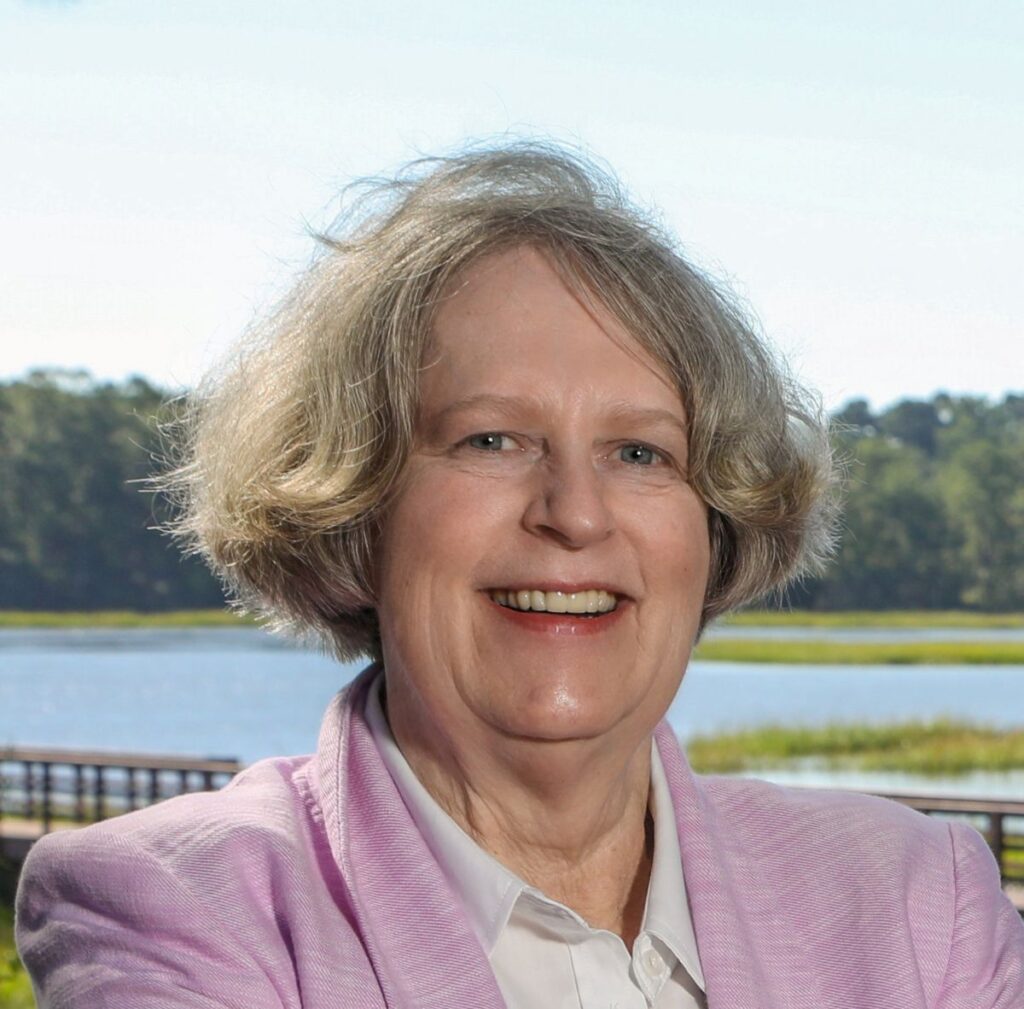
Gwyneth J. Saunders is a retired journalist and military veteran who has lived in Sun City for 18 years. She earned a bachelor’s degree in journalism from Norfolk State University and spent 15 years working for The Bluffton Sun. Saunders has held leadership positions with several Sun City organizations and has not previously
Candidate questionnaire responses
The following responses were submitted to The Island News by candidates seeking seats on the Beaufort County Board of Education. Responses have been edited only for grammar, spelling and Associated Press style where necessary. The substance and intent of each candidate’s answers have been preserved.
1. What do you believe is the most significant academic challenge facing Beaufort County School District students, and what specific action should the Board of Education take to address it?
District 2
Brainerd: The most significant academic challenges are educator, teacher and support staff recruitment and retention; an intelligent response to the rapid advances in technology; and the challenges all students face daily in our schools, especially marginalized students. The most pressing at this point in history is understanding the rapidly changing federal and state legislation that affects our public schools. The K-12 landscape has been significantly altered and continues to change before our eyes.
School boards are required to follow the law, of course, but we must be strategic in our response. For example, a newly established Title IX investigations team is auditing new mandated compliance with regard to female sports and intimate spaces. I am committed to seeking ways to protect marginalized students in this new landscape.
With pandemic relief expiring and a newly proposed reduction in the federal education budget, our school board will face challenges to keeping the needs of our marginalized students met, along with staffing challenges. Our school board will be challenged to find alternative revenue sources to prevent program cuts and layoffs.
In the wake of executive actions to attack DEI programs, our school board will have to find ways to protect and educate all of our students without losing needed federal funding in the process. I would propose looking at language that might trigger audits while focusing on programs that address things like early literacy, which everyone agrees on. It will take time after getting the people in office who are committed to the needs of all our students and families to return to a more equitable landscape. In the meantime, I will advocate for all of our students and families within the limits of current law.
Dantzler: Based on the report data and other assessment data, the most significant academic challenges facing Beaufort County School District students are U.S. history, science and mathematics. As a district, ELA is stronger than the other core subjects. As a board member, I plan to advocate for support for the instructional leaders in the district while also holding instructional leaders accountable when goals are not met.
It is important for me as a board member to advocate for benchmark assessment data that will give us information on our students before they take high-stakes tests. But, most importantly, our teachers have to be a part of the conversation when it comes to specific action steps to improve academic performance in the district.
District 3
Gregory-Smalls: Reading and math are a challenge for our multilingual learners in Beaufort County.
Some older school buildings require ongoing maintenance, particularly during the summer.
COVID-19 has put some students at a global disadvantage, and they will need more time to catch up on core subjects.
Smith: The most significant challenge is the persistent achievement gap between NOB and SOB schools, which districtwide averages can obscure.
The board should make closing this gap a measurable district priority; direct resources, experienced instructional leadership and proven interventions to the schools with the greatest needs; and require transparent, school-by-school achievement reporting.
The goal should be equitable academic outcomes, not simply higher district averages.
Turral: Before we can raise achievement, we have to build classrooms where learning is actually possible. That is the challenge underneath every other challenge.
When teachers spend instructional minutes managing disruption, when students are not connected to the adults in the building and when families do not trust the school, academics take a back seat regardless of what curriculum we purchase.
The board should start by doing its homework. We need an honest assessment of where behavioral disruptions are happening: which schools, which grade levels, what time of day, how many incidents are repeats, what interventions have been tried and which ones are producing measurable results. We diagnose before we prescribe.
My first substantive action would be to bring districtwide crisis prevention and de-escalation training formally before the board. I would ask the superintendent for an implementation and cost plan built on a train-the-trainer model, so the district develops internal expertise instead of leaving teachers to handle classroom crises alone. That plan should identify how many certified instructors are needed, how training is maintained and renewed, and what it costs. The goal is for every building to have someone on site who can train and support the staff around them.
I know this model works because I have run it. I am a certified Nonviolent Crisis Prevention and Intervention instructor and served as regional trainer for AMIkids programs beyond Beaufort County. This is work I intend to keep pushing regardless of the outcome of this race.
This is not about turning teachers into security officers. It is about giving educators the tools to recognize escalation early and protect the learning environment before a conflict becomes a crisis.
District 4
Matthews: Ensure that we have the latest and best educational tools for teachers and students to produce successful graduates and prepare them for the workforce, military or college admissions. Beaufort County is already working to ensure that the best trade training is coming to all schools, including the current classes at ACE.
While ACE services both Beaufort County Schools and Jasper areas with abilities to train students for workforce preparation upon graduation, BCSD has training for workforce preparation at several other high schools, and in another year, there will be additional schools prepared to do the same. Work is currently being done to prepare more of our schools for technical training.
Every student needs preparation to graduate and be able to secure work that will provide equitable pay so that families will be able to survive and have a good living experience. I believe it is incumbent upon all of us to work with students to produce leaders and teach them how to be successful and how to treat all with respect.
Stephens: I believe one of the most significant academic challenges facing our students is ensuring that every student receives the strong foundational academic skills necessary to succeed in life, regardless of the school they attend or where they live in Beaufort County.
We should be preparing all students to succeed whether they choose to attend college or start their career in the military or civilian sector. We have to make sure we are closing the achievement gaps that continue to persist. We must continue to focus on literacy and mathematics while recognizing that students learn at different rates and may require different levels of support.
A strong Multi-Tiered System of Supports, or MTSS, would allow educators to monitor student progress, identify students who need interventions early and ensure that the proper resources and programs we are investing in are producing the desired results.
As a board member, I would want to regularly examine academic data, not simply to identify the problem, but to ask important questions: Are our students growing academically? Which interventions are working? Where are we seeing persistent gaps? Do schools have the personnel and resources they need? Are we responding quickly enough when students begin to struggle?
After 30 years in education, I recognize there is no single program that will solve every academic challenge. However, I also know that students are most successful when they have qualified teachers, strong school leadership and engaged families. My focus would be on ensuring that every decision made at the board level ultimately supports one goal: improving outcomes for all students.
District 5
Ney: We need to work toward every student, regardless of where they begin, receiving the instruction and support necessary to reach their full potential. We must remain focused on measurable student achievement by supporting the superintendent’s initiatives for strong classroom instruction, early intervention for struggling students, rigorous opportunities for advanced learners and programs that prepare students for college, careers or the military. During my time on the board, we worked to provide our educators with the resources, competitive compensation and instructional support necessary to improve student outcomes.
Saunders: I believe that reaching our youngest students earlier is critical to their success.
The most recent Career Readiness Assessment results show that students generally have outperformed statewide results in nearly all areas, but when you are speaking about elementary school students meeting or exceeding expectations at about 60%, that’s not good enough.
We must work on providing families the tools that get their children more prepared by the time they enter kindergarten. I know the school board and district have programs in place, such as The Creative Curriculum for Preschool, a nationwide science-based program that works with children from birth through kindergarten, giving them a solid base for learning. It also brings the family into the learning circle, adding at-home support for those young learners.
The district also provides valuable support for adults, because learning shouldn’t stop because you left high school. Not only are there programs to acquire GEDs, but there are also classes in conquering English, taking the military entrance exam and earning a diploma.
One of the smartest people I knew, in a galaxy far, far away, could not read, but he could build anything. His inability to read hindered his advancement and limited his ability to earn a higher salary. He had the math skills, he had the vision and he knew how to use the tools. When the chance finally arrived that he could take an oral exam to get promoted, he aced it.
That is success, but we need to prevent that kind of situation from happening so that young adults are able to achieve their goals, whatever they may be, earlier and with less stress.
In speaking with a couple of the board members I know well, they tell me more programs are being examined for possible implementation in the future, and I hope to be part of that effort.
2. Recent personnel decisions have raised questions among members of the community about how hiring decisions are made within the district. What level of transparency should the public expect during the hiring process, particularly for senior district administrators and other high-level positions, and what information should remain confidential?
District 2
Brainerd: I would encourage addressing the challenges that have been raised by community members by being open about the hiring process. We have to make it clear “the why” for hiring certain individuals to combat the perception of nepotism. At the same time, reasonable stakeholders will understand the need for discretion. Clear communication, again, is the key.
Dantzler: Transparency is key. Transparency builds trust, and our community should know the process used to select its educational leaders. The hiring process should be transparent.
The public should know the qualifications for major leadership positions, such as the superintendent, deputy superintendent, chief officers and other district leadership positions. I also support appropriate opportunities for input from educators, parents, staff and community stakeholders when appropriate.
As a board member, I would advocate for hiring practices that are fair, consistent, ethical and aligned with the needs of the district and that support the district’s strategic goals.
District 3
Gregory-Smalls: Experience and credentials should be required, documented and verified. This ensures accountability and builds trust within the educational community.
Smith: The public should expect meaningful transparency, especially for senior administrative positions.
The district should disclose qualifications and selection criteria, the hiring process and standards, and the qualifications and rationale supporting the final selection.
Applicant privacy must remain protected, including references, background checks and legally protected personnel information.
Transparency means accountability for the process and decision, not disclosure of private applicant information.
Turral: Confidentiality should protect applicants. It should never protect a process from scrutiny.
Senior administrators control public money, public employees and public schools. The public is entitled to substantial transparency about how they are selected.
That does not mean every personnel discussion happens in open session. Applicants deserve reasonable confidentiality. References require protection. Certain employment information is confidential as a matter of law, and the board has obligations it cannot waive.
But residents should be able to understand the qualifications sought, the process used, who held decision-making authority, what criteria were applied, whether the process was followed consistently and why the selected candidate was determined to be the strongest.
People do not need access to every applicant’s private file in order to have confidence in a hire. They need to know the process itself is legitimate.
The board’s job is not to micromanage individual hiring decisions. The superintendent has to be allowed to administer the district. The board’s job is to establish a process residents can trust and then hold the superintendent accountable for following it.
A board member should not try to become the human resources director. A board member should absolutely ask whether qualifications are appropriate, whether standards are applied consistently and whether public confidence is being maintained.
When people cannot see how important decisions are made, suspicion fills the vacuum. That is bad for employees, bad for administrators, bad for the board and, ultimately, bad for children.
District 4
Matthews: This is a matter that should be discussed between the superintendent and board members. Rumors are just rumors; however, if they are backed with proof, discussion must be had immediately. There may need to be a meeting of the top administration.
The expectations of a school district are that the rule-makers should be above reproach, and there must be a legal way to handle what is right.
Stephens: I believe that the public should expect transparency and accountability from its school district, particularly when decisions involve senior leadership positions and significant taxpayer investment.
At the same time, transparency must be balanced with fairness and the legal rights of employees and applicants. I believe the public should understand the process used to fill high-level positions. The district should clearly communicate the qualifications being sought, the general selection process and who has the responsibility for making recommendations and final decisions.
I also recognize and understand that there are aspects of the hiring process that should remain confidential. Applicants deserve privacy during the application and interview process. Legally protected information should remain confidential.
The important distinction is that confidentiality should not be an excuse for lack of accountability. As an administrator, I have participated in hiring processes and understand the importance of both protecting candidates and ensuring that the best-qualified individuals are selected for positions.
Hiring decisions should be based on demonstrated qualifications, experience, leadership ability and the needs of the district. Personal relationships or politics should not be a factor. Transparency builds trust, and trust is essential in any professional relationship.
District 5
Ney: For all positions, I believe the district should provide as much information as legally and professionally appropriate while maintaining a fair process that attracts highly qualified candidates. As a board member, I believe our responsibility is to insist on a consistent, credible and lawful hiring process, hold the superintendent accountable for the quality of those decisions and avoid inserting individual board members into personnel decisions that properly belong to the administration.
Saunders: When it comes to hiring at senior levels within community organizations, the more transparent the process, the better. Qualifications should be a top priority: education; experience in the career field, such as counseling, administration, operations, finance, etc.
Is their experience comparable to the position for which they are being considered or to which they applied? Have they been observed in their previous position by the search committee, if that is practicable? Have they been interviewed by several team members? Are their references credible?
Another priority is whether this individual will fulfill the expanding needs of the organization and provide guidance and support when and where needed as a collaborator. Will this person be a team player while expressing individual opinions?
The results should reveal why one candidate was hired over others without revealing why other candidates were not. Why did the organization want this specific person? It’s like ordering a particular piece of equipment: Did they meet all or nearly all of the specifications required by the position?
Some parts of the hiring process probably call for confidentiality when it involves background checks, etc., and there is no need for the public to know that.
In any situation, it is always better to be upfront about it than it is to put out a fire down the road.
3. Beaufort County has increased teacher salaries and reported significant improvement in filling classroom vacancies. Beyond compensation, what should the district do to recruit and retain high-quality teachers and other school employees?
District 2
Brainerd: Our district is challenged not only to recruit talented educators; we must find ways to keep them. Housing is one of the biggest issues, and we must work with other local organizations to increase low-cost housing.
Once we hire these individuals and house them, we need to find ways to keep them beyond the first few years of employment. I propose more steps and increased salary for seasoned educators. Those seasoned educators are not only needed for our students, they are also valuable as mentors for younger educators and should be paid as such.
Dantzler: Increasing salaries is an important step, but it cannot be the only step in the process of recruiting and retaining quality teachers for Beaufort County School District.
To me, it’s simple: The competitive salary may get teachers through the door, but teachers will stay if they have support, respect and opportunities for growth.
District 3
Gregory-Smalls: Give teachers more opportunities to advance, have teacher and staff retreats, and provide more professional development and self-development in-service training.
Smith: Beyond compensation, the district must improve working conditions, professional respect, leadership, resources and professional growth.
The district should analyze school-level turnover and exit data, target recruitment to schools with persistent vacancies, strengthen support and retention of proven, high-performing employees, and provide employees a meaningful voice in their work environment.
Competitive salaries attract employees; supportive and equitable working conditions retain them.
Turral: Pay gets a teacher through the door. Culture determines whether she is still here in five years.
I have advocated for teacher compensation directly, on the South Carolina Education Association’s legislative team, as inaugural chair of the South Carolina Organization of Remarkable Educators and at the State House in Columbia. Pay matters. It is not sufficient by itself.
Teachers stay where they are respected, supported by competent administrators, given manageable workloads and freed from paperwork that pulls them away from students. They stay where asking for help with a difficult classroom produces actual help rather than another form to complete.
Classroom management support is central to retention. A teacher managing constant disruption without backup will burn out at any salary. That means training, coaching, administrative support and behavior specialists who arrive before a situation becomes a crisis.
We should also build our own pipeline. How do we identify future educators in our own high schools, connect them to preparation programs and bring them home to teach? How do we move paraprofessionals who already know our children toward certification? I came through Call Me MISTER, so I have seen firsthand what a deliberate pipeline produces.
And we should use the expertise already here. Sandra Boyd taught at St. Helena Elementary and went on to train educators in 47 states and internationally. She is still on this island. We should never search nationally for expertise we have not yet asked for locally.
As a former teacher, I can tell you plainly: A luncheon is nice, but teachers remember who backed them when the classroom fell apart.
District 4
Matthews: We must seek to ensure that students in the classrooms are paying attention and are not allowed to run rampant around the school, nor should there be continued disruptions in a classroom.
Ensuring that both teachers and students can be respectful is a rule that should be enforced. A teacher must build a rapport with his or her students. It can work, but it must be visible by both.
Stephens: Educators have consistently been underpaid throughout our country. Competitive salaries are important, and I believe Beaufort County should continue to ensure that its compensation remains competitive.
However, after 30 years in education, I know that salary alone does not determine whether good educators remain in a school district. People stay where they feel valued and supported. I have a saying: “Remember there are people behind the positions.” This reminds me to respect the work of faculty and staff members and reward them for their dedication to their profession.
Teacher and staff retention must include attention to the working environment. We need to listen to educators when they share about the challenges they experience every day and look for ways to remove unnecessary barriers that take time and energy away from students.
I would focus on protecting teacher planning time, reducing unnecessary paperwork and administrative demands, providing meaningful professional development, ensuring teachers have the classroom resources they need, strengthening mentorship for new teachers, creating opportunities for teacher leadership and advancement, supporting principals so they can effectively support their staffs, and recognizing that all staff members, including bus drivers, custodial staff, food service, instructional assistants and office personnel, are essential to the success of our schools.
District 5
Ney: Competitive compensation is essential, and I’m proud that the board has made teacher and employee salary a priority. However, recruiting talented people is only half the battle. We must create a culture that makes them want to stay.
That means strong school-level leadership, meaningful professional development and career pathways, mentoring for new teachers, and giving teachers a genuine voice in decisions that affect their classrooms.
It also means leveraging our relationships in the community, such as partnering with housing providers for discounts and to set aside units for teachers and staff.
Saunders: How about working with the County Council and local municipalities to increase the availability of housing that teachers and staff can afford within the county, if not near their schools?
The local housing shortage is a serious challenge for everyone who works in Beaufort County. Our teacher salaries may be among the highest in the state, but the money disappears when the rent or mortgage takes up a sizable chunk.
The Economic Policy Institute estimates that it takes $122,000 for a family of two adults and two children to live in Beaufort County. It estimates it costs a single adult about $64,000 to live here. That is a problem for a new teacher this year who is getting paid $62,587, especially when EPI estimates housing will take $19,000 of that salary.
4. Beaufort County has been at the center of ongoing disputes over books and instructional materials available to students. What role should parents, educators, administrators and the Board of Education each have in determining what materials are available in school libraries and classrooms?
District 2
Brainerd: There were processes in place for parents to inspect and challenge instructional materials before the “book banning” challenges. I believe that if the one challenger had been required to stick to the parameters in place, we would not have made the national news.
I was active in challenging these book bans and continue to believe that, as my granddaughter said, “My parents and my librarian help me decide what I should read.”
As a school board member, I will encourage parents to help their own students determine what is appropriate for instructional materials. I do not believe, however, that one parent should police other parents and their students.
I will respectfully honor and listen to parents who bring their concerns to the board.
Dantzler: Determining what materials are appropriate in the libraries and classrooms cannot be an isolated approach. All stakeholders must be involved in the process.
Parents should have a voice. Educators should have professional input. Administrators should ensure consistency. The board should provide oversight. Every decision must be transparent, consistent, fair and age-appropriate while aligned with the standards of South Carolina.
Beaufort County’s experience with the book dispute several years ago is a great example of how our community can disagree, but we can sit at the same table, examine the material, listen to one another, follow a process and make a decision. That is the kind of leadership I believe our community deserves.
District 3
Gregory-Smalls: Professional educators and librarians should choose books and materials that closely match the students’ reading levels. This should match what students are assigned and the course curriculum.
Administrators, principals and superintendents should oversee how the district applies selection rules. This team reviews when someone challenges a book.
The Board of Education writes the official rules for adding or removing items. The board then makes the final decisions on policy and appeals.
Parents and guardians may decide what their children read or borrow and serve on review committees to represent the community’s view.
Parents and guardians can also use official district steps for a review of specific materials.
Smith: Each group should have a clear and defined role.
Educators should provide professional judgment on instructional value and age appropriateness.
Parents should review information, raise concerns and exercise appropriate parental choices.
Administrators should apply policy consistently and oversee a fair review process.
The board should establish transparent, viewpoint-neutral policy and ensure legal and academic standards.
Protect parental rights without allowing individual objections to determine what every student may access.
Turral: The board should write the rules before the controversy, then apply them consistently when the controversy comes.
Parents, educators, administrators and the board each have a legitimate role. None should have unlimited control.
Parents should know what their children can access and should have a clear, understandable process for raising concerns without being dismissed or treated as though caring about their own child is inappropriate.
Educators bring professional expertise. Teachers, librarians and curriculum specialists understand literacy development, instructional standards, age appropriateness and the context in which material is being used. Administrators ensure consistency with district policy and applicable law.
The board’s responsibility is to establish a process that is fair, transparent, predictable and viewpoint-neutral.
I do not believe one parent should decide what every other parent’s child may read. I also do not believe parents should be ignored because someone disagrees with them. Both of those are real failures, and both damage trust.
When material is challenged, there should be an established review procedure. The work should be evaluated as a whole rather than by isolated passages. Educational value, age appropriateness, applicable law, professional standards and instructional purpose should all be weighed. Families should have reasonable choices regarding their own children wherever that is possible.
The worst outcome is governing by whichever side is loudest that month. Clear rules, applied evenly, protect parents, protect educators, protect students and keep every individual dispute from becoming a political battle.
District 4
Matthews: All students should not read all books; however, it is incumbent upon a group that handles such matters to meet and discuss the contents in questionable books.
There is a definitive difference in what should be read by elementary students, middle school students and high school students.
I will confess this to you all. As a senior in high school, we had a group come and take books off our shelves. When one adult came close to where I was standing at the counter and threw a book on it, saying the book was vulgar and must not be on any shelf, I had never read the book she was tossing.
However, when she went back to the shelves, I picked up that book and read it. It was “The Catcher in the Rye,” and it was something I read with understanding. However, if she had not made such a show tossing it, I probably would not have paid it any attention.
Students and children definitely watch the actions of adults, and this is something we must be mindful about in what we say and how we react.
Stephens: I believe every group mentioned has an important role in the education of our students, but the roles should be clearly defined.
Parents are our students’ first teachers, and they have the right and responsibility to be involved in their child’s education. They should be able to raise concerns about the curriculum and materials used and know that their voices will be heard and valued.
Teachers and media specialists bring professional expertise and should have a significant role in selecting age-appropriate instructional and library materials that support curriculum, literacy and student learning.
School administrators should ensure that the district’s established policies and review procedures are followed consistently. The Board of Education should establish clear policies that define the process for selecting and reviewing materials and ensure that those policies comply with state laws and reflect the educational mission of the district to educate all students.
I do not believe that individual disagreements should automatically result in the removal of materials for every student. There should be a thoughtful, transparent review process that considers age appropriateness, educational value and the concerns raised by families.
We must also remember that our schools serve families with different backgrounds and perspectives. The goal should not be to eliminate material after every disagreement, but to have a fair process for addressing concerns while continuing to provide students with access to quality educational materials.
I believe strongly in literacy, critical thinking and exposing students to materials that help them understand the world around them.
District 5
Ney: Parents should have a meaningful voice in their own child’s education and a clear, accessible process for raising concerns. Educators and librarians should select age-appropriate material that supports curriculum, literacy and student learning, while administrators must ensure those decisions follow district policy and state law. The board’s responsibility is to establish policy, ensure the challenge process is fair and transparent, and respect parental rights.
Saunders: Because of the furor over a wide variety of books previously available to students, there are now very distinct processes for addressing what literature is made available to students in various grade levels, classrooms and libraries.
Librarians go to college and receive training on materials that may be of interest or benefit students at all grade levels. Parents are free to determine which books may be made available to their children.
As for academic materials, the State Department and Board of Education provide a list of textbooks to school districts for approval. They undergo a review by a panel of teachers and local citizens and are made available to the public for review and comment.
This happens every six years, and I seem to remember one such review a few years ago. If folks want a say in what is being taught, they have the opportunity on a regular basis.
Much like Beaufort County’s comprehensive development plans that are being presented to the public for input, the school district also provides the opportunity for citizens to address it. It’s too late when the books are on the desks.
5. Beaufort County continues to experience significant population growth, creating different enrollment and capacity pressures across the district. How should the school board plan for future school construction, expansion, attendance-zone changes and other capital needs while avoiding unnecessary spending?
District 2
Brainerd: While voters approved a bond referendum to address facilities and upgrades, the board will continue to face the challenges of uneven growth across the county.
As a board member, I will encourage continuing to work with demographic researchers to understand growth trends and address them in ways that seek to educate all our students and their specific needs.
Dantzler: Some of our schools are not operating at full capacity. Before investing additional taxpayer dollars in new school construction, we need to take a serious look at the capacity we already have.
We should evaluate and, when appropriate, redraw attendance-zone boundaries to make better use of existing schools. We should also invest in updating, renovating and improving the schools we already have so that our students have quality learning environments.
I do not believe building new schools should be the first solution when we have existing schools with available capacity.
District 3
Gregory-Smalls: Maximize the current facilities that are already in use before building new schools, such as renovating or repurposing underutilized space. If schools are overcrowded, students can be reassigned to schools with lesser capacity closer to where they live.
Smith: Capital planning should be long-term, data-driven and equitable, considering enrollment and growth projections, existing capacity, facility age and condition, renovation or expansion options, attendance zones and operating costs, and equitable access to academic and extracurricular programs.
Build when the data demonstrates a need, maintain what we have responsibly and ensure every student has equitable access to quality programs.
Turral: Facilities should follow educational need, not substitute for it. You can spend millions on a building and still fail the children inside it.
The board should plan from data, not from crisis. That means examining enrollment projections, housing development, attendance patterns, school choice data, building condition, transportation demand and long-term demographic trends before committing to build or expand.
Every capital project should answer the same questions. Is the need real? Can existing capacity meet it? What does enrollment actually show? What is the lifetime cost, not just the construction cost? What will this do to attendance zones and bus routes? What educational outcome are we expecting in return? I want us measuring return on investment, not simply announcing projects.
School choice data deserves particular attention. If families in one attendance area are consistently choosing schools elsewhere, the board should know why. Are they seeking a specific program? Gifted and Talented opportunities? A different school culture? Stronger results? Safety? That information should drive planning, because it tells us what a neighborhood school is failing to offer.
I learned early that communities often develop solutions before institutions do. Before I finished high school, I watched my mother and other residents work to build the St. Helena Gullah International Academy, a culturally responsive school designed around this community’s children. Planning should ask what educational model children need, not only what building comes next.
District 3 is also larger than St. Helena. It includes Beaufort and other communities with genuinely different enrollment and facility pressures. Capital planning has to serve all of them.
District 4
Matthews: The growth is exponential right now, so that would be difficult to determine without first looking at how many new homes, subdivisions and apartments are being built in specific areas.
The schools were there before, and unless we have a way to determine such, it will be difficult to know where to put the schools, especially as elementary, middle or high schools can be impacted.
There must be greater attention spent studying where all this growth is being made. There have been some schools built without proper thinking because a new school should not be overpopulated when its doors are opened for the first time, and that has happened in this district.
Stephens: Growth is one of the most important long-term challenges facing Beaufort County, and planning for that growth requires the board to think beyond immediate needs.
The district must use reliable enrollment projections, demographic information, housing development trends and school capacity data to make informed decisions. We cannot wait until a school is overcrowded to begin planning for additional capacity.
At the same time, growth is not occurring equally throughout the county. Some communities are growing rapidly, while others may have different enrollment patterns. This means a one-size-fits-all approach will not work.
As a board member, I would support long-range strategic planning that considers current and projected enrollment, capacity at existing schools, new residential development, transportation and infrastructure, the condition of existing facilities, and the cost of maintaining versus replacing facilities.
Fiscal responsibility must remain part of every decision. Before asking taxpayers to support new construction, we should make sure we are efficiently using and maintaining the facilities we already have.
District 5
Ney: The facilities assessment committee created by the superintendent already does what you are asking. This committee is formed from district staff and volunteers from the community to assess the needs of the district.
Additionally, the citizen-led Operations Committee is a group of volunteers from the community that oversees every dollar spent on referendum projects to ensure the school is avoiding unnecessary spending.
The two most recent referendums, in 2019 and 2023, are a direct result of the facilities assessment committee and its recommendations.
Saunders: This is a difficult situation. We are growing like the weeds in my juniper, but our growth can’t be plucked out.
I know there will be unhappy students and parents at this next redistricting, but with new school construction and increased population, especially in the southern part of the county, there is always going to be upheaval when the district seeks to balance populations so that no one school is overcrowded.
We have had schools with trailers, and at my previous location there were trailers in high school front yards for a couple of years. It is not a desirable learning site, from both student and teacher mobility to comfort.
It’s understandable to have trailers during construction, but to have them as a “temporarily” permanent part of the schoolhouse is not conducive to learning.
I believe the district is working hard to build where and when needed as finances allow while maintaining all of the other needs related to growth, including materials, technology, and teacher and staff hiring and retention.
Parents and district personnel must keep discussing student needs and try to balance educational success with district requirements. The goal should be improving the environment for the students.
6. The district’s annual budget is approaching $400 million. If revenues become tighter, what programs or services should the board protect first, and where would you look for savings before asking taxpayers for additional revenue?
District 2
Brainerd: As a board member, I would first want to know what programs and services are most important to stakeholders. I would support taking the question to them through email, public forums or backpack surveys.
Following hearing from the stakeholders, it would be on the board to decide what programs have to be funded to ensure the least restrictive environment to educate all our students. That would, of course, include staffing, programs protected by IDEA, and safety and security.
Dantzler: Always work to protect teacher pay and ensure that teacher salaries remain competitive and consistent. Our teachers deserve to be fairly compensated for the important work they do.
Competitive pay will help us recruit and retain highly qualified teachers who can afford to build a career, raise a family and remain in our community.
District 3
Gregory-Smalls: Always protect classroom instruction, special education, English Language Learners, student mental health and safety, and Career and Technical Education.
Look for savings in administrative overhead, freeze hiring, consolidate administrative positions, reduce nonadministrative travel budgets and renegotiate large contracts.
Smith: If revenues tighten, protect classroom instruction, teachers, student support and programs that directly improve achievement, especially in schools with the greatest academic needs.
Before seeking additional revenue, examine administrative costs, duplicative services, outside contracts and nonessential expenditures.
Every major expenditure should answer two questions: Does it improve student achievement? Does it reduce or widen inequity between schools?
Protect the classroom and students first; scrutinize everything else.
Turral: Protect what is closest to the child. Cut what cannot demonstrate results.
I would protect classroom instruction, effective teachers, special education, early literacy, student safety, transportation and the behavioral and mental health supports that can show measurable outcomes. Those are the places where cuts reach children first and fastest.
Before asking taxpayers for more, I would examine administrative growth, duplicative programs, outside consulting contracts, underused facilities and initiatives that have continued mainly because no one wanted to end them.
I would ask a harder question, too: Are we buying this because it improves education, or because purchasing something looks like action?
I have said throughout this campaign that District 3 needs more than another Promethean board. Technology has real value. But sometimes what a child needs is not another screen. It is a tutor, a mentor, a counselor, a behavior specialist, an apprenticeship, a trade program, a college visit or an adult who refuses to let that child disappear. Those are real resources with real costs, and they belong in the budget conversation.
We should also stop paying outside consultants to tell us what accomplished educators living here already know. That is a budget decision as much as a values decision.
I have managed budgets and organizations and been accountable for the results. An organization approaching $400 million should be able to explain what taxpayers are receiving. Money without accountability is not a strategy.
District 4
Matthews: I must say that this will take some forethought and discussion, as we have so many programs in our schools. Some legally cannot be cut when it deals with special education, etc.
This is definitely something I need to read up on and get more information to determine what we must protect, and I do know some of those. However, I really need to ask questions on this before giving an answer.
Stephens: When revenues become tight, the board must begin with a very clear principle: We must protect the programs and services that have the greatest impact on student learning and student well-being.
My first priority would be protecting classroom instruction, highly qualified teachers, student support services and the resources necessary for schools to operate effectively.
As an administrator, I understand that budget reductions are rarely easy. Every dollar represents something that someone believes is important. That is why budget decisions must be driven by data and by a clear understanding of priorities.
District 5
Ney: Protecting the classroom should always be the first responsibility. This includes quality teachers, academic instruction, student safety and the services our most vulnerable students depend upon.
The district’s CFO is the best in the state and the reason why we have a AA-plus credit rating. It’s because of her and the people who work in her department that we don’t have to worry about revenue becoming tight.
Saunders: Years ago, before Superintendent Rodriguez was hired, the county had not passed a referendum in 11 years, and schools needed repairs, classrooms were overcrowded, teachers were vastly underpaid, yet the public had little faith in the school board and flatly refused to approve a referendum.
The interim superintendent at the time spoke to that school board about the need for bonds and referendums. I was reporting on that meeting, and the interim stated that every responsible school board presented a bond every four to six years.
When Dr. Rodriguez appeared on the scene in 2019, he made it his job to get one written with specific goals, held meetings and public forums, spoke with the media, and convinced the community at large that there would be responsible outside oversight over the management of the funds.
It was passed with 70% approval that November. A second one was passed in 2023 with slightly higher approval.
I don’t believe that there will be much cutting of anything needed with the Citizen-Led Oversight Committee stewarding the finances while the board and staff continue to create a solid educational system.
Having said that:
Make sure the school facilities are maintained, and safety and security for staff and students are tight.
Keep a diverse curriculum. Cutting the arts, trimming down STEM or reducing an athletic program is not the answer. Using the funds wisely is.
Continuing to monitor the growth of the county while increasing knowledge will be a priority.
7. What do you believe the district is doing well and poorly when it comes to school safety, student discipline and behavioral or mental-health support, and what changes would you advocate as a board member?
District 2
Brainerd: First, what are we doing well in Beaufort County? Although I think that we are all disappointed that it is needed, I applaud the use of metal detectors in our schools. I also like the use of clear backpacks in some of our schools.
In recent years, we have seen more support professionals on our campuses to address the mental health and safety needs of our staff and students. Curricula have been added to increase students’ awareness of the needs of others, such as Stephen Covey’s Habits. I would encourage more of the same. I also love the recent “Go Public” initiative of the district.
Where can we improve? Discipline has to be meted out in ways that don’t single out marginalized students. We also have to do more to keep our public school students in the schools. What are the reasons they are leaving? We need to look for ways to address them and better educate parents on the positives of our public schools.
Dantzler: Having security guards and school resource officers on campus is important and helps our schools respond to problems quickly. However, safety cannot be our only response to serious behavior problems.
The school board must support clear, consistent discipline policies and hold students accountable for their behavior while ensuring appropriate interventions and support are available.
Academics and behavior go hand in hand. We cannot continue to pass students from one grade to the next when they have not mastered the essential skills needed to succeed at the next level.
A student entering sixth grade should have the reading skills necessary to access the sixth-grade curriculum, and when they don’t, we must intervene early and provide the intensive support they need.
We must stop excusing serious behavior and stop allowing students to fall further behind academically without meaningful intervention. Our students deserve both high expectations and the support necessary to meet them.
If we want different results, we must be willing to address both discipline and academic achievement with consistency, accountability and urgency.
District 3
Gregory-Smalls: The Beaufort County School District can increase school resource officers. They can also decrease visitor entryways into buildings and introduce anonymous reporting systems so that students and families can report anonymously and immediately.
Discipline should be appropriate to the infraction while ensuring the student remains engaged in academics.
They should set clear boundaries and delineate conflicts. Using good judgment can be helpful.
The Right Choices Program is an alternative program that supports students while they continue their academic studies. Beaufort County School District has initiated alternative programs for disciplinary students to maintain overall safety. School check-in before visitors can enter school buildings can also be extremely helpful.
Beaufort County School District should provide mental health services for students who are struggling with mental health issues.
Smith: The district recognizes the importance of safety and student support, but the NOB/SOB achievement disparity requires us to examine whether support and outcomes are equitable across schools.
I would advocate for school-level data on discipline and behavioral incidents, attendance, mental health support and academic achievement.
I would also support placing experienced, proven-successful teachers and instructional leaders in schools with the greatest academic and behavioral needs, with appropriate incentives and support.
Equity means directing our strongest resources and personnel where they can have the greatest impact.
Turral: The district takes this seriously. What we lack is not concern or investment. It is results that match them.
I want to give credit first. I see security measures, behavioral supports, mental health efforts and people genuinely trying. Where we fall short is outcomes, and classroom management remains a real problem.
Schools do not cause community problems. But schools are where young people build peer groups, experience conflict and learn, or fail to learn, how to handle disagreement.
If we do not teach conflict resolution, emotional regulation and de-escalation inside the building, we should not be surprised when those same conflicts follow students out of it. That is an argument for teaching those skills deliberately and for protecting the recreation, athletics, arts and community spaces where children practice them.
We also have to stop treating punishment as the primary strategy. Suspension has a place. But decades of behavioral research tell us positive reinforcement must substantially outweigh negative correction, and that we should ask what a behavior is communicating, what the student is trying to obtain or avoid, and whether we are unintentionally reinforcing it through attention or removal from class.
My work as a behavior modification specialist taught me to diagnose behavior rather than simply react to it.
We should also identify the teachers who consistently build safe, productive classrooms in the same buildings, serving the same children, and let them coach others.
And we should market the good life harder. A student can become known schoolwide for a serious offense while another quietly makes honor roll and receives nothing comparable.
Attendance, improvement, leadership, service, trades, arts and academics should all carry visible reward: trips, internships, mentorships, college visits and experiences beyond Beaufort County. Partnerships with businesses, churches, nonprofits and colleges make that affordable.
District 4
Matthews: It is my belief that when the school put in the new entrance areas to our schools, it was needed in order to prevent students from coming in with weapons or items that could be used as weapons to cause hurt or damage. This was a plus.
We also need to handle more discipline in classrooms because there are some areas where, when the teacher’s door is closed, there are many outbursts in some rooms that lack control.
We have to work on that, come up with discipline that has the ability to stop bad behavior, get parents involved and hold them accountable, too.
Behavioral support must be increased, and we need additional staff with mental health support for our students who need such services.
Stephens: School safety must include more than securing buildings. A truly safe school is one where students and employees feel physically safe, emotionally supported and able to focus on teaching and learning.
I believe the district has recognized the importance of school safety and the growing behavioral and mental health needs of students. However, these issues require continued attention because the challenges facing schools have become more complex.
As an educator and an administrator, I know that student behavior, mental health, academic struggles and school safety are often interconnected.
Teachers need appropriate support when serious behavioral issues disrupt classrooms. At the same time, students experiencing behavioral difficulties need intervention and support, not simply punitive punishment.
I would advocate for continued attention to adequate school counseling and mental health resources, early identification of students experiencing difficulties, consistent discipline policies, support for teachers dealing with serious behavioral challenges, strong partnerships with families and training for staff in behavior intervention and de-escalation.
Teachers cannot be expected to be counselors, therapists, social workers and security professionals. We must provide schools with the support necessary to meet the needs of our students.
District 5
Ney: I believe the district has done well investing in physical school safety, security personnel and partnerships that help protect our students and employees.
In referring to student discipline, behavioral and mental health support, I support early intervention, strong behavioral and counseling resources, and meaningful consequences for serious or repeat misconduct.
Supporting students and holding them accountable are not mutually exclusive.
Saunders: I believe mental health support for everyone within the school system is critical.
Hundreds of adults responsible for the well-being of thousands of students who have all kinds of home life, health, educational, cultural and emotional needs has to be stressful, without taking into account the personal lives of the adults involved.
I do not have knowledge of specific discipline issues within the system, although I had conversations with some parents four years ago when I ran.
The school instituted MTSS, a Multi-Tiered System of Supports, which is designed to provide guidance to students and resolution for many behavioral situations.
We do know that when some students step out of line, such as bringing weapons to school or fighting, they are handled in coordination with local law enforcement as well as parents. There are numerous programs that help correct and prevent the recurrence of such situations.
8. School board meetings frequently involve issues that generate strong disagreement among parents and community members. How should board members respond when public opinion is sharply divided, and what should the district do to make it easier for residents to understand how and why decisions are being made?
District 2
Brainerd: Usually on issues that sharply divide us, accurate information is key to bringing opposing sides together.
As a board member, I will be committed to understanding the issue and communicating the truths surrounding it while weeding out the misunderstandings.
I strongly believe that if we, as humans, work to understand where the other humans are coming from, the walls come down. I have been told that I am good at bringing people together. I will strive to understand, educate and unify our stakeholders.
Dantzler: The Board of Education should be an impartial body. When faced with any issue, the board should employ a united-front approach, working to find what’s best for our students, educators and the community at large.
The decisions of the board should not be politically driven but focused around district policy and best educational practices.
The district should be as transparent as legally possible with the community. That is the only way to build and maintain the trust of our educators, students, parents and community members.
District 3
Gregory-Smalls: The Beaufort County School Board should always be transparent with communication, actively listening and sharing the decision-making process.
School board members can minimize confusion by developing a newsletter that will have current and upcoming changes and explain when and why they are taking place.
Smith: When opinions are divided, board members should listen respectfully, rely on facts and policy, and make decisions based on student interests, not the loudest voice.
The district should reassess meeting locations, frequency and times based on actual public participation; expand town-hall-style meetings around meaningful issues; and create welcoming, informative environments where residents can ask questions and understand decisions.
The goal should be meaningful public engagement, not simply providing a place for public comment.
Turral: Disagreement is not the problem. Dysfunction is.
Sometimes disagreement is simply evidence that people care. Parents should care enough to disagree. So should teachers, residents and board members.
There will be issues where the room is split and no decision makes everyone happy. That is public service.
The responsibility is to listen to all sides, get the information, understand the law and the consequences, and then ask the question that should govern every vote: What is best for the children?
Personalities, politics, adult grievances and individual pride cannot outrank that. The children are the No. 1 stakeholder, and remembering it simplifies a great many decisions.
Board members also have to model what we ask of students. We tell children to resolve conflict, to communicate and to work with people they do not always like. The adults governing their school system should demonstrate the same skills.
When disputes among board members become prolonged hostility and litigation, time, money, energy and trust are all lost, and children bear the cost of a distracted board.
On transparency, residents should know what the board is considering, have meaningful access to agendas and supporting materials, understand what information shaped a decision, see how members voted and hear the reasoning in plain language. When people cannot follow the reasoning, they assume the worst.
The answer to disagreement is not less discussion. It is better information, better listening and better leadership. We can disagree without becoming dysfunctional.
District 4
Matthews: Communication as a whole is not what it used to be. People have forgotten how to discuss things and be open to views different from their own ideas.
We must learn to ask, “What would you advise?” That would be a shock for some, but it would also make others stop and think.
It is hard to agree with something that you cannot envision being real. Communication has to be dealt with a little differently, a good suggestion to discuss with the board members in closed session.
Stephens: Disagreement is part of a healthy democracy, and the school board should not expect every decision to receive unanimous support.
When public opinion is divided, a board member’s responsibility is to listen respectfully to all perspectives, ask questions, consider the facts and ultimately make decisions based on what is in the best interest of the students, staff and district as a whole.
This does not mean that every decision will reflect the loudest voices in the room. It means that people should have confidence that their concerns were heard and seriously considered.
I believe respectful disagreement is healthy. Personal attacks and political theater are not.
The board should model the behavior we want to see throughout our schools and community. We should be able to disagree without being disagreeable.
The district can also make sure the community understands complex decisions. As a board member, I would support communication that helps the public understand the reasoning behind decisions even when they may disagree with the outcome.
District 5
Ney: Good governance does not mean making decisions based on which side fills the most seats or sends the most emails.
It means being willing to make thoughtful decisions and explain them publicly, even when they are unpopular.
Board members were elected to exercise judgment. Listen broadly, govern responsibly, explain your decisions and be accountable for the results.
Saunders: It is a credit to the character of board members and staff who sit through some of those meetings, especially when audience members act younger than the students in school.
Meeting with staff or teachers individually or in groups might be the answer. I do not know firsthand what steps are taken, but I would think in-person conferences or Zoom meetings, when such meetings are not possible, would be the answer for individual issues.
For an issue that affects a larger community group, such as the upcoming redistricting concerns, public conversations with the staff involved, as well as even the superintendent, should provide clarity.
It may not make everyone happy, but as long as there is transparency as to why the redistricting is needed and how it will go, it should alleviate concerns. Facts and figures, and visual aids such as maps, have to be used. Words alone won’t do it.
9. What do you believe is the proper role of an individual school board member in relation to the superintendent and district staff? Under what circumstances should the board intervene in the day-to-day operation of the school district?
District 2
Brainerd: The superintendent is responsible for staffing issues, and the board supervises the superintendent, put simply.
I believe it is a joint effort to do the best we can for BCSD. We have to work together for the good of all stakeholders.
I personally will strive to honor and defer to the expertise of all staff as I work in a supervisory role. I believe in hiring qualified individuals to hire qualified individuals and trusting them to do so unless they prove unable to do so.
Understanding the ability we all have to make mistakes, I will try to intervene only when I see something untoward or unhealthy in one’s performance of their duties.
Dantzler: I believe a school board member’s role is to be a strong voice for students, families, educators and the community while providing oversight and holding district leadership accountable.
The superintendent and district staff should be trusted to manage the day-to-day operations of our schools, while the board focuses on policy, priorities, accountability and ensuring that decisions are always made in the best interest of our students.
For 20 years, I have worked directly with young people and families throughout the Lowcountry. I have seen firsthand how important it is for students to have someone willing to listen, advocate and step up when something isn’t right.
The board should not interfere with daily operations, but when student safety, fairness, district policy, financial responsibility or systemic issues are at stake, we have a responsibility to act.
My military service and years of mentoring have taught me to respect the chain of responsibility, but they have also taught me that leadership means having the courage to speak up when the people you serve need you most.
District 3
Gregory-Smalls: The proper role of an individual school board member is to participate in governance as part of a collective body, focusing on policy and vision while delegating daily operations to the superintendent.
The board should make sure that the superintendent follows these policies and operations.
Smith: An individual board member should govern, ask informed questions, represent the community and hold the superintendent accountable, not manage daily operations.
The proper model is that the board sets policy, vision, goals and accountability; the superintendent implements policy and manages operations; board members act collectively, communicate professionally and respect established lines of authority; and every elected member receives equal respect, access to information and opportunity to be heard.
Board intervention in operations should occur when there is a serious legal, safety, policy, accountability or performance concern.
Govern together. Empower the superintendent to manage. Hold the system accountable for results.
Turral: The board governs. The superintendent administers. Oversight is not micromanagement, and neither is silence.
An individual board member does not supervise teachers, principals or district employees and should not walk into a school directing daily operations. That is not governance.
The board sets policy, approves budgets, establishes expectations, evaluates the superintendent and asks whether goals are being met and whether taxpayer money is producing results.
That does not mean passivity. Asking hard questions is not micromanagement. Requesting data is not micromanagement. Expecting the superintendent to explain poor outcomes is not micromanagement.
The board as a body must act when policy is being violated, when student safety is threatened, when legal obligations go unmet, when fiscal problems demand intervention or when a serious problem appears across multiple schools.
But intervention happens through lawful governance, policy, evaluation and board action through the superintendent, not through individual members attempting to run schools personally.
This is exactly why relationships with colleagues matter. A single member acting alone can advocate, question and raise an issue. To change policy, approve a budget or move the district, you need votes. That requires preparation, research, credible proposals, listening, negotiation and persuasion.
I have led organizations, supervised staff, managed budgets and answered to boards myself. I know the difference between making noise and producing results. District 3 needs a board member who can do the second one.
District 4
Matthews: In selecting a superintendent, it is incumbent upon the board members to seek the best-qualified candidates for such a job.
It is incumbent upon the board members to fully support the superintendent and ensure that he is secure with what information he needs to work with in moving the school district forward.
Board members must seek a candidate who has integrity to handle a myriad of issues and the experience to know when and how to handle issues for the school district, its staff, teachers and students.
The board members should ensure that our district has the training and support tools to enable the superintendent to be successful.
If there is a true problem that exists, the board must be professional in how any problem is handled, and it should be done without disturbing the entire school system.
Integrity is everything, and the business should not be scattered out into the public. However, it must be handled immediately and with discretion.
The operation of a school district is a huge business, and it should be handled with professionalism.
If there is a money problem, it should be handled discreetly and fixed immediately. If there is criminal activity, seek immediate counsel to ensure the law is followed without hesitation.
Stephens: I believe it is essential for every school board member to understand the distinction between governance and management.
The board governs. The superintendent manages the day-to-day operation of the school district.
The board’s responsibilities include establishing policy, setting the strategic direction for the district, approving the budget, ensuring accountability, hiring and evaluating the superintendent, and representing the interests of the community.
The superintendent and district staff are responsible for implementing those policies and managing daily operations.
An individual board member should not attempt to direct principals, teachers or other employees. That creates confusion and undermines the established chain of responsibility.
Having served as an administrator, I understand how important it is for employees to have clarity about who provides direction and who is responsible for implementation.
I believe that understanding this distinction is especially important for someone serving on the board.
District 5
Ney: Beaufort County Board of Education uses coherent governance as our governance model. Under this model, the board establishes policy.
It is the board’s job to ensure the superintendent is executing that policy. There are no circumstances where the board should intervene in day-to-day operations of the district.
Saunders: I believe the school board serves both as adviser and partner with the superintendent and staff.
The board is an intermediary for parents and students, each member representing and advocating for their district as well as working as a cohesive and collaborative unit for the entire school system.
Intervention should occur in unusual circumstances. District leadership is assumed to have the experience, knowledge and capability to carry out its duties in coordination with matters discussed and decided in public for normal operations and in executive session for sensitive issues that are confidential, such as personnel or legal affairs.
Should the board become aware of or observe irregular, illegal or irresponsible conduct on the part of anyone in a position of authority, then the situation should be investigated and a resolution decided upon.
10. What distinguishes you from the other candidate or candidates seeking this seat, and why should voters in your district choose you to serve on the Beaufort County Board of Education?
District 2
Brainerd: I believe in a clean campaign. I respect the ways my opponent has worked in the local community as an advocate and only wish well for Mr. Dantzler. From what I see and read, he and I share a commitment to our personal faith. Therefore, I will only point out my strengths and let them stand for themselves.
I have been committed to public education since 1991, either as an educator, support staff member, student and parent advocate, parent or grandparent.
I am an avid supporter of free public education for all students. I have been active both at the county level and the state level to protect public education in South Carolina. I will continue to do so when elected to the Beaufort County School Board.
Dantzler: What distinguishes me is that my commitment to our children and families did not begin with this election.
For 20 years, I have been in our community doing the work, mentoring young people, coaching, visiting schools, advocating for students, supporting families in difficult situations and creating opportunities that help our youth see a future beyond their current circumstances.
I was raised in District 2 and attended schools within the district, giving me a personal connection to the community and a firsthand understanding of the students and families we serve.
As a U.S. Army veteran and founder and director of a youth mentoring program, I understand service, discipline, accountability and the importance of strong leadership.
But most importantly, I understand many of the real challenges our students and families face because I work alongside them every day.
I am not seeking this seat simply to have a voice at the table. I am seeking it to be a voice for the students and families who often feel they do not have one.
Voters should choose me because I will bring proven service, firsthand experience and a genuine commitment to making sure every child in Beaufort County has the support, opportunities and advocacy they need to succeed.
District 3
Gregory-Smalls: My leadership is grounded in respect for others, a strong work ethic and enthusiasm. My experience in education reflects my commitment to helping students succeed both academically and in life.
I have worked in many positions in Beaufort County, such as elementary, middle school, adult education and college-level schools, and also as an assistant principal.
I have committed my life to education for over 40 years, and I would love to continue serving this community as a school board member in District 3.
Smith: What distinguishes me is lived experience, broad community engagement and a commitment to equitable, evidence-based governance.
I am a lifelong Beaufort County resident and product of this school system; familiar with its history, culture, strengths and challenges; engaged with communities and schools across the district, not only the cluster I represent; committed to integrity, independence, fiscal responsibility, thoughtful listening and accountability; and focused on closing achievement disparities and expanding equitable opportunities.
I believe every board member should be equally respected, informed, heard and accountable.
I know where this district came from, understand where it is today and am prepared to work across the entire district to move it forward.
Turral: I am the only candidate in this race who has taught in a District 3 classroom, worked directly with high-risk youth, led an award-winning youth program, earned a law degree and is raising children in these schools today.
At my graduation, the late Dr. Laverne Davis leaned over and told me: “Don’t let the dream die. Bring our school back.” I have carried that with me ever since.
I taught fourth grade at St. Helena Elementary and was runner-up for Teacher of the Year in my final year. I worked with high-risk youth as a behavior modification specialist.
At AMIkids, I served as lead educator, a principal-equivalent role over curriculum, policy and staff, and then as director of operations. In 2016, our team earned the Bob Rosof Award, AMIkids’ highest team honor, and I was recognized as Outstanding Coach at that national competition.
I became a certified crisis intervention instructor and trained staff across our region. I built businesses. I earned my law degree from the Charleston School of Law. And I have advocated for teachers at the State House through the SCEA legislative team and as inaugural chair of SCORE.
That is classroom experience, behavioral expertise, executive leadership, legal training, business ownership and state-level advocacy in one candidate.
This is also personal. Some of my earliest memories are of walking across the grounds of Penn Center, founded in 1862 as one of the first schools in the South for formerly enslaved people, on the way to daycare. That is the educational ground I grew up on.
My mother, Sandra Redwood, was an educator, grant writer and School Improvement Council leader who worked with families through the district’s Even Start program. My father spent years in youth development work that brought him back to St. Helena Elementary.
I did not come to education as an outsider. I grew up watching adults in this community treat schools as community work.
Our incumbent has had eight years. In 2021, he sued the district he was elected to govern, along with fellow board members and district staff. Voters have every right to ask what measurable results District 3 received from those eight years and what that approach cost in time, focus and trust that could have gone to our children. That is not a personal attack. That is accountability.
District 3 is associated with islands. Our representation should not make us a political island, too.
I want this district connected to the superintendent, to colleagues whose votes we need, to teachers, parents, businesses, colleges, trades and state policymakers.
If generations before us built nationally significant schools here under far harder circumstances, we should not accept low expectations now. My goal is not for District 3 to improve. It is for District 3 to lead.
Rise Up District 3.
District 4
Matthews: I am a dedicated educator, keenly aware that our teachers need support from the start of their positions.
I know the necessity of providing mentorship programs for first-year teachers, along with having a mentor for them within the school.
Experienced teachers can provide a “Buddy Program,” enabling these buddies to check on their assigned teacher. Make sure they have someone to talk to as needed, to provide advice and help that a new teacher may need.
This can also be a great program for a “new teacher” to any school, not just those who have not taught before, but for ones who are new and have not yet established friends to go to within the school.
It will help even new, seasoned teachers with a connection to peers and assist with questions and answers, enabling them to find needed answers and develop a comfortable shoulder to lean on as needed.
I have been in the educational field for a long time and am keenly aware of valuable tools to help new teachers fit in, learn their students and reach success.
All of us need a shoulder to lean on from time to time. It is just spreading a little kindness.
Ensure that the new teachers are shown a positive way to work with students, and if they are having a tough day, a seasoned teacher should work with them on how to handle student matters to keep the education in the room still moving in a positive and learnable manner.
Stephens: I am a native Beaufortonian. My parents were educators in Beaufort County Schools. I am a product of Beaufort County Schools, and my children are also products of this school district.
My connections to these schools did not begin when I decided to run for the Board of Education. Beaufort County Schools have been part of my family’s story for generations.
Professionally, I bring more than 30 years of experience in education, including more than 15 years as an administrator.
I have worked directly with students, teachers, families and school staff. I understand what happens inside a school building and how decisions made at the district level eventually affect classrooms.
I believe experience matters. I am not running for the board to advance a personal agenda. I am running because I believe Beaufort County students, educators, families and taxpayers deserve experienced leadership that understands both the challenges and the opportunities facing public education.
I would bring to the board institutional knowledge of education, deep roots in Beaufort County, an understanding of school operations, respect for educators and families, a commitment to fiscal responsibility, and a willingness to listen and ask difficult questions.
I want to bring the perspective of someone who understands what those decisions look like when they reach students, teachers and families.
District 5
Ney: I am seeking reelection based on a record of service, leadership and a commitment to keeping students at the center of board decisions.
I bring 24 years of leadership experience as a retired Marine master sergeant, the perspective of a working educator who understands what happens in classrooms every day, and the experience I have gained serving on this board.
Throughout my term, I have worked to support competitive employee compensation, reasonable stewardship of taxpayers’ dollars, strong academic and career opportunities, safe schools and accountable governance.
I am asking voters to evaluate my record, my willingness to ask difficult questions and my commitment to making decisions based on what will best serve our students, employees, families and community.
Saunders: I believe my experiences in a wide variety of circumstances around the world will present a unique point of view.
I have had the opportunity to work under superb leadership, have had to deal with numerous personnel issues, good and bad, and have met challenges head-on.
I have the courage of my convictions and have nothing to prove. I’m ready to take on this new mission.
Delayna Earley, who joined The Island News in 2022, formerly worked as a photojournalist for The Island Packet/The Beaufort Gazette, as well as newspapers in Indiana and Virginia. She can be reached at delayna.theislandnews@gmail.com.