By Dr. Martha Edwards
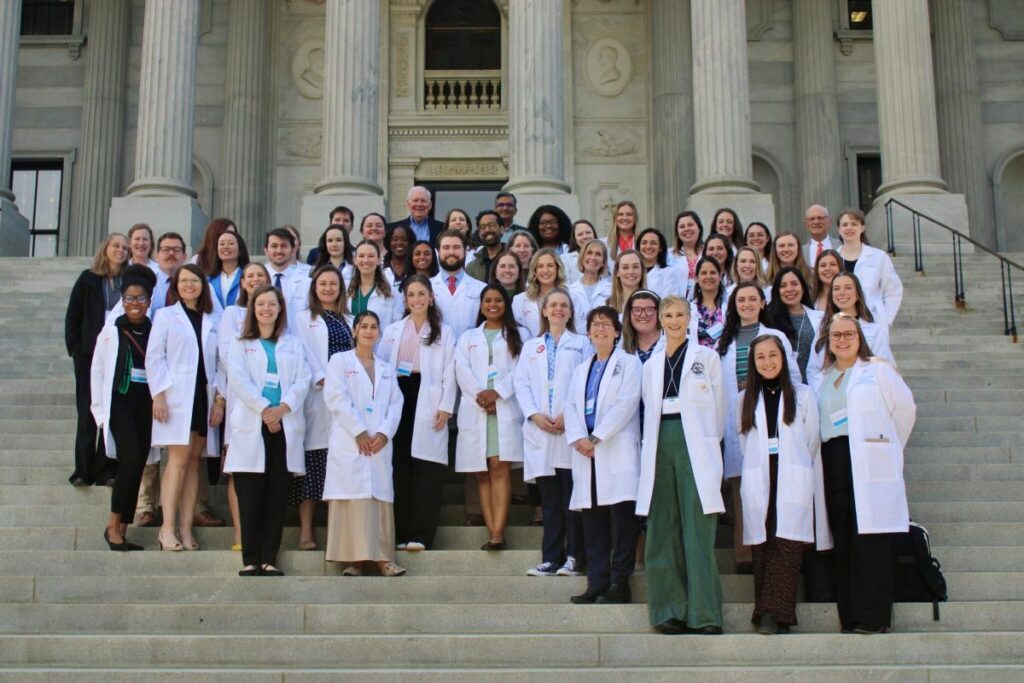
We write as 730 pediatricians across South Carolina, members of the South Carolina chapter of the American Academy of Pediatrics, who have spent the past months navigating a reality many of us were trained to prevent: a significant measles outbreak in our Upstate communities.
This outbreak began in a small, close-knit community shaped by a history that includes deep and understandable mistrust of government institutions.
We have cared for children from this community before and have seen preventable diseases surface in isolated cases. Until now, those cases did not spread to surrounding communities because surrounding immunization rates were high.
What has changed are exposure rates and uncertainty. Parents today are navigating an overwhelming and contradictory stream of information about vaccines, from social media feeds, influencers, and even political voices.
In exam rooms across our state, we are seeing something new: not outright opposition in most cases, but confusion. Parents who want to do the right thing are no longer sure what the right thing is, and the result is declining vaccination rates.
We want to be clear about one thing: the majority of South Carolina parents continue to support routine childhood vaccinations.
But it’s not enough.
The measles vaccine is highly effective: about 93% after the first dose and 97% after the second.
But no vaccine is perfect. In a room of 100 vaccinated people, a very small number may not be fully protected. They rely on the rest of us to reduce the chance that the virus ever enters the room.
When vaccination rates remain above approximately 95%, measles struggles to spread, and exposure becomes unlikely. But when rates fall below that threshold, the virus finds opportunity.
And then there are those who cannot be vaccinated at all: infants too young for their first dose. Children undergoing chemotherapy. Patients with transplanted organs or complex genetic conditions that weaken their immune systems.
These children don’t have the luxury of choice. They are depending on the rest of us.
Some of us have stood alongside families at the bedside of children with measles pneumonia, struggling to breathe. Others have helped care for children with measles encephalitis, dangerous inflammation of the brain that can leave lasting damage. These are not mild illnesses. They are frightening, fast-moving, and, in some cases, life-threatening.
For most of us, these have been the first measles cases we have ever seen in our careers, a testament to how successful vaccination has been over the past several decades.
It is different when you see it up close, and our recent proximity inspires us to speak out. We urge parents to turn not to the loudest voices online, but to the people who know their children and have dedicated their lives to caring for them: their pediatricians.
We care about your child, your neighbor’s child, and about the children we may never meet, but are still part of the same community.
When those of us who can be vaccinated choose to do so, we create a shield that protects the most vulnerable. We reduce the chances that a preventable disease becomes a crisis. We preserve the progress that generations before us worked hard to achieve, and we keep kids out of hospitals and in the community where they can thrive, grow, play, and learn.
This outbreak has reminded us how quickly that progress can be tested.
It has also reminded us of something else: that when communities come together with clear information, mutual trust, and a commitment to protecting one another, we can stop the spread.
We remain ready to do that work alongside you.
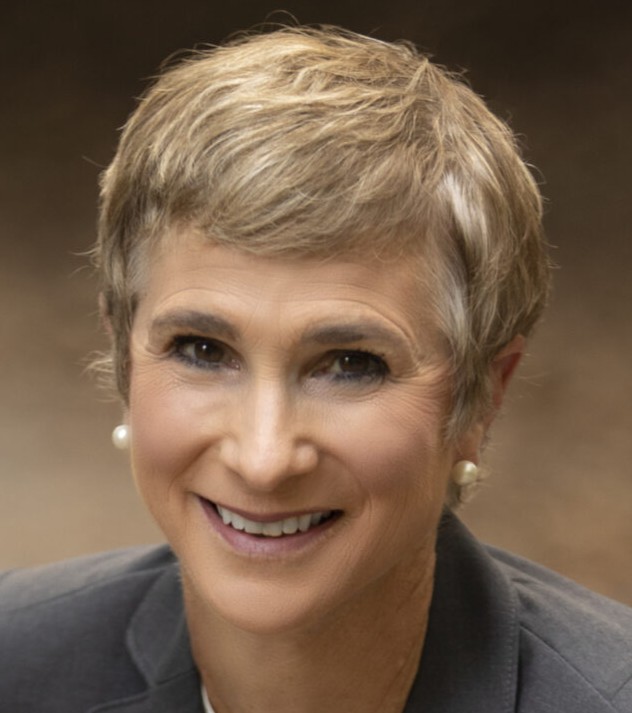
Dr. Martha Edwards serves as president of the South Carolina chapter of the American Academy of Pediatrics. She holds a degree in neuroscience from Brown University and completed medical school and residency at the University of Virginia. She was a pediatrician in Rock Hill for more than 25 years before retiring. She lives in Greenville.