
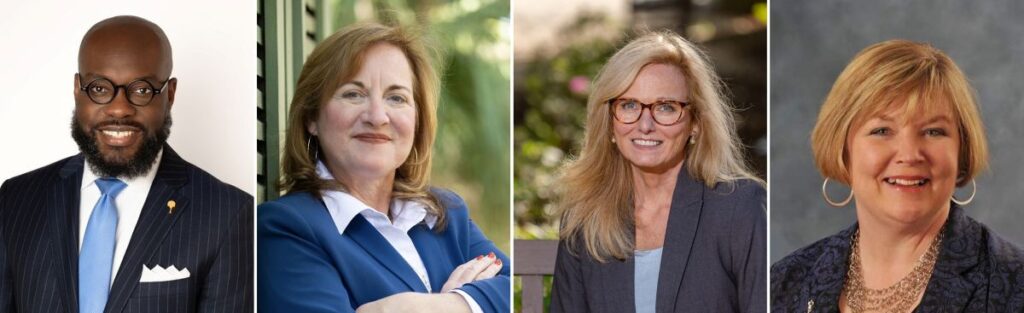
District 121, 124 candidates weigh affordability, insurance, education, data centers, health care, growth
By Delayna Earley
The Island News
Voters in Beaufort County will choose their representatives in the South Carolina State House on Nov. 3, with candidates in Districts 121 and 124 offering different approaches to rising household costs, education, health care, energy policy and managing the continued growth of the Lowcountry.
The Island News sent the same 10-question candidate questionnaire to candidates seeking S.C. House seats in Districts 121, 122, 123 and 124. Questions focused on issues ranging from coastal property insurance and data centers to affordable housing tax exemptions and congressional redistricting.
Responses were received from both candidates in District 121 – Democrat Shannon N. DeLoach and Republican Shelley Gay Yuhas – and both candidates in District 124 – Republican incumbent Shannon Erickson and Democratic challenger Shauna Bishop.
Affordability and taxes
All four candidates identified affordability as a concern but proposed different ways for the General Assembly to address the rising cost of living.
Yuhas said state government should operate with the same attention to spending as a small business. She supports temporarily reducing the state gas tax to help working families, particularly rural residents who travel farther for work, while looking for wasteful spending elsewhere in the state budget.
For DeLoach, affordability requires a broader approach to household expenses. He called for increasing workforce and affordable housing, assisting first-time homebuyers and examining additional property-tax relief for seniors and residents on fixed incomes, while demanding greater accountability for taxpayer and ratepayer dollars.
Erickson pointed to South Carolina’s reductions in the individual income tax rate and said the state should continue lowering taxes when revenues allow. She also emphasized controlling state spending and reducing regulatory costs and unnecessary fees.
Bishop said she would not support broad-based tax increases simply to generate additional state revenue. Instead, she favors reviewing state programs and tax expenditures to determine whether they produce measurable benefits, along with policies addressing attainable housing and the infrastructure costs created by growth.
Coastal insurance costs
With homeowners across the Lowcountry facing rising premiums and fewer affordable options, the candidates largely agreed that South Carolina needs to increase competition and reduce the risks associated with insuring coastal properties.
Bishop would expand and streamline the SC Safe Home program while encouraging more private insurers to enter the coastal market. She also wants homeowners to have better tools for comparing policies and said flood mitigation and drainage improvements should be part of the state’s insurance strategy.
Erickson likewise supports expanding SC Safe Home grants and insurance discounts for improvements such as stronger roofs and water barriers. She said South Carolina should actively recruit additional private insurers while maintaining the S.C. Wind and Hail Underwriting Association as a last resort.
Calling herself a coastal homeowner, Yuhas said she would support legislation creating greater competition among insurers as a means of lowering premiums.
DeLoach’s proposal combines an expansion of SC Safe Home with stronger mitigation discounts for homeowners who fortify their properties and greater transparency when insurers seek significant rate increases.
Education and school choice
The candidates agreed that South Carolina must do more to recruit and retain teachers, but their responses diverged over how education dollars should be spent and the role of private-school choice.
As chair of the House Education and Public Works Committee, Erickson pointed to recent efforts to increase teacher salaries, reduce paperwork, improve classroom safety and implement the Science of Reading. She said the state should continue addressing teacher retention and classroom discipline while holding recipients of public education money accountable for how those dollars are spent.
Bishop also supports higher teacher salaries, along with incentives for hard-to-staff schools and subjects, paid student-teacher opportunities, mentoring and additional classroom resources. However, she opposes diverting public education dollars to private-school vouchers and said private schools receiving public money should face meaningful accountability requirements.
DeLoach said competitive pay must be paired with better working conditions, mentoring, planning time and incentives for educators in rural communities and critical-shortage subjects. While he supports parents’ ability to make educational choices, he said public dollars used for private education should carry financial transparency and academic accountability and should not undermine public schools.
Yuhas emphasized competitive teacher salaries in every county, including rural areas, and suggested teachers should be prioritized for affordable housing. She also stressed discipline, mental health services and preparing students for life after graduation. Drawing on her involvement in founding Crown Leadership Academy, Yuhas said schools must recognize that students learn differently while working with parents to help children succeed.
Data centers and public resources
The candidates were more cautious about the rapid expansion of data centers, particularly when it comes to who pays for the electricity, water and infrastructure they require.
Calling for the most immediate restriction, Bishop supports a two-year moratorium on new data centers while South Carolina establishes statewide rules governing their electricity and water consumption, infrastructure costs, environmental effects and impact on surrounding communities.
DeLoach opposes taxpayer incentives for new large-scale data centers and said residential and small-business customers should not finance power plants, transmission lines, substations or other infrastructure primarily needed to serve them.
Yuhas said data centers should not be allowed in areas where their operation could threaten the natural environment. Pointing to concerns about a proposed facility in neighboring Colleton County, she called for public information and input before zoning changes are approved, impact studies addressing noise and environmental effects and greater transparency. She opposes local tax incentives for data-center development.
Erickson did not call for a moratorium but said data centers should bear the costs of their power and infrastructure rather than shifting those expenses to residential and small-business customers. Her response also emphasized water protections, noise standards, public notice and preservation of local zoning authority.
Energy and utility costs
Keeping electricity reliable without saddling customers with the cost of unnecessary or failed projects emerged as a common concern.
Yuhas pointed specifically to the failed V.C. Summer nuclear expansion as a warning about the need for accountability when utilities pursue major projects. She supports multiple sources of power generation as long as they do not interfere with the environment.
A diversified energy portfolio is also central to Bishop’s approach. She envisions nuclear providing dependable baseload power, natural gas providing flexibility and solar and battery storage continuing to expand. Before approving major investments, she said utilities should be required to compare generation, storage, efficiency and transmission alternatives.
Erickson supports a mix of nuclear and advanced nuclear, natural gas, renewable energy, storage and transmission improvements. She said utilities should demonstrate that major projects are necessary, cost-effective and reliable before their costs are passed to customers.
DeLoach similarly supports a diverse mix that includes solar, battery storage, efficiency, natural gas and consideration of nuclear power. He also argued that utilities and their shareholders should bear an appropriate share of the risk from cost overruns, delays and abandoned projects rather than automatically transferring those costs to ratepayers.
Closing the affordable housing tax loophole
On the affordable housing property-tax exemption, the candidates were nearly unanimous on the central point: the law needs stronger safeguards.
The questionnaire specifically cited the Preserve at Port Royal, a 400-unit apartment complex that received a full property-tax exemption after assigning a 0.1% ownership interest to an entity associated with low- to moderate-income housing. Its annual property-tax bill fell from about $1.34 million to zero, according to information provided to the candidates in the questionnaire.
Erickson called the current system neither accountable nor sustainable and pointed to the one-year moratorium amendment she authored. She supports new eligibility criteria, audits, limits on exemptions and notification to local governments and school districts affected by lost revenue.
Yuhas was even more succinct when asked whether she would change the exemption: “Absolutely.” While acknowledging Beaufort County’s need for affordable housing, she described the provision as a loophole that benefits developers rather than the community and said she would work to close it. She also raised concerns about the safety of some existing affordable rental housing.
Bishop would tie the size of the tax benefit directly to the amount of affordable housing actually provided. Her proposal includes annual verification, public disclosure, advance notice to affected governments and recovery of improperly exempted taxes when requirements are not met.
DeLoach also favors linking tax benefits to verifiable affordable units and actual nonprofit ownership. He called for annual certification, disclosure of the value of exemptions, advance notice to affected governments and the possibility of recapturing taxes when a development fails to meet its obligations.
Health care and mental health
The candidates’ differences became more pronounced on health care, particularly when asked whether South Carolina should expand Medicaid eligibility.
Bishop gave the clearest answer, saying she would vote for Medicaid expansion. Her broader health care platform includes strengthening rural hospitals and community health centers, expanding mental health and substance-use services, growing the health care workforce and increasing access to telehealth.
Erickson said some expansion of coverage should be considered but expressed concern about creating a permanent state obligation dependent on the federal government maintaining its current funding share. Any expansion or state alternative, she said, should include financial safeguards and demonstrate measurable improvements in health outcomes.
Rather than taking a position on Medicaid expansion, Yuhas concentrated on mental health and rural access. She supports reducing the stigma surrounding mental health care, putting qualified mental health professionals in schools with appropriate oversight and using incentives such as tuition reimbursement to attract medical professionals to rural communities.
DeLoach supports expanding coverage for working adults who fall between Medicaid eligibility and affordable private insurance. He paired that proposal with investments in rural providers, mental health and substance-use treatment, telehealth and the health care workforce.
Protecting the Lowcountry
When asked how South Carolina should prepare for flooding, storm damage, sea-level rise and development pressure, all four candidates emphasized some combination of resilience investment and local control.
DeLoach supports flood mitigation, drainage and stormwater improvements, living shorelines and protection of marshes, wetlands and waterways while preserving local land-use authority and respecting private-property rights.
Preserving local decision-making was also central to Yuhas’ answer. She supports conservation easements to maintain the character of rural communities and said zoning decisions should continue to involve the people who live there. She specifically pointed to Beaufort County’s 2040 Comprehensive Plan and the Cultural Protection Overlay on St. Helena Island as protections that should not be undermined.
Bishop called for drainage and culvert improvements, living shorelines, marsh restoration and protection of critical infrastructure. She said development should not outpace the infrastructure needed to support it and that local governments should retain authority over land-use decisions.
Erickson emphasized investment in flood prevention, stormwater improvements, drainage and living shorelines. She also pointed to resilience work at Parris Island as an example of how state, federal, local and private partnerships can protect coastal communities without removing land-use authority from local governments.
Congressional redistricting
The unsuccessful effort to redraw South Carolina’s congressional districts between censuses produced one of the sharpest distinctions among the four candidates.
Erickson said she voted to advance the proposal. She said changes in the legal landscape surrounding redistricting influenced her decision and that moving the measure forward allowed further debate in the Senate. Any map she ultimately supported, she said, would have to comply with the Constitution and Voting Rights Act and go through a transparent legislative process.
Bishop said she would have opposed the proposal. She said congressional districts generally should be redrawn following the decennial census, with mid-decade changes limited to circumstances such as a court order, constitutional violation or other genuine legal necessity rather than partisan advantage.
DeLoach took a similar position, saying redistricting between censuses should be reserved for extraordinary legal circumstances and should protect equal representation, minority voting rights, communities of interest and meaningful public participation.
Yuhas also opposed the 2026 effort. She said she supported Sen. Tom Davis’ position favoring the existing districts and argued that changing them would have cost South Carolinians millions of dollars and “dishonored many of the citizens of District 121.”
What they would bring to Columbia
Their final answers shifted from individual policies to the broader cases each candidate is making to voters.
Bishop emphasized more than 30 years of project-management experience and identified affordability, infrastructure and responsible growth, coastal resilience, education and workforce development, health care access, public safety and government accountability among her priorities.
For Yuhas, her Beaufort roots and decades of business and community involvement are central to her candidacy. She said she wants to address crime, education, mental health, isolation and access to education while protecting the district’s rural communities and historic areas.
“Most of all, I’m READY to go to work for the people of District 121,” Yuhas wrote.
Erickson pointed to 19 years in the House and her leadership of the Education and Public Works Committee. Her priorities for another term include student achievement, teacher support, transportation and infrastructure, keeping taxes and government costs low, coastal resilience, affordable insurance and utilities and protection of natural resources.
DeLoach summarized his agenda in three words: “Affordability, Access and Accountability.” His priorities include household costs, public education, rural health care and mental health services, infrastructure, environmental protection, preservation of Gullah Geechee communities and constituent service.
Candidates seeking House seats in Districts 122 and 123 were also invited to participate but did not return questionnaires.
South Carolina House Districts 121–124 candidates
District 121
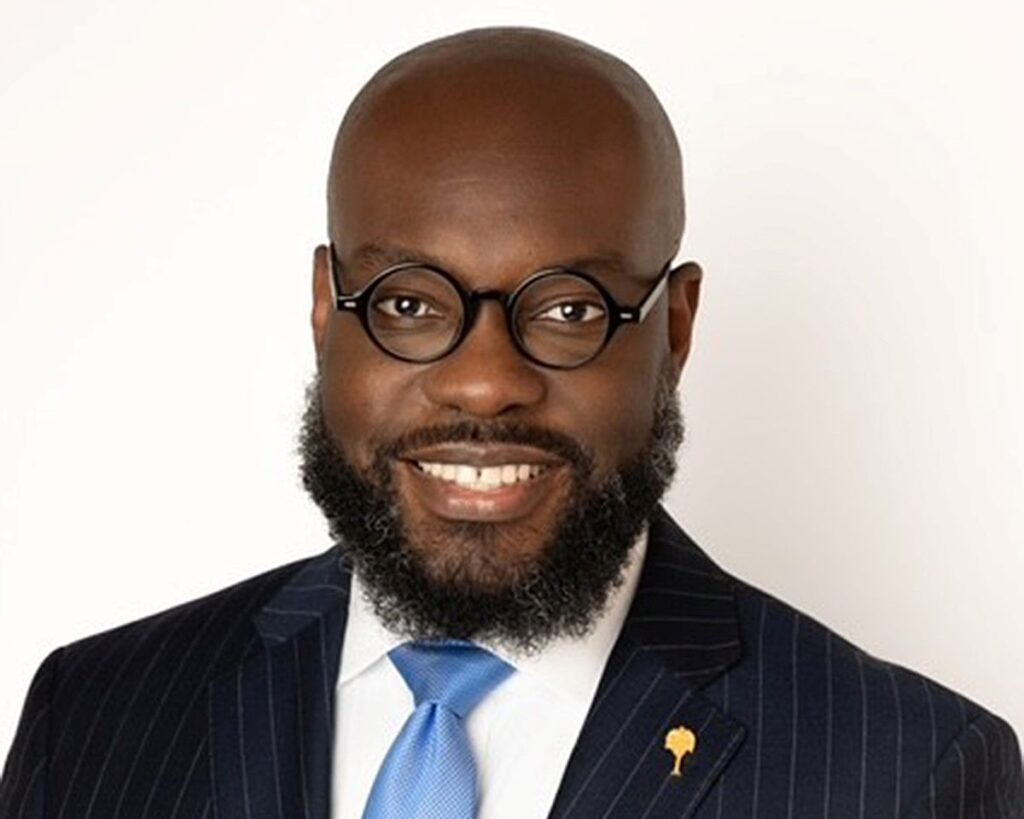
Shannon N. DeLoach, 41, is a small-business owner, funeral service professional and Baptist pastor who lives in Burton. A Beaufort native, he is married to Kiara DeLoach and has four children. He holds an associate of science degree from Gupton Jones College in Decatur, Georgia, and graduated cum laude from Claflin University with a bachelor’s degree in criminal justice. He also earned a law enforcement certificate from the South Carolina Criminal Justice Academy. DeLoach previously worked for the Mount Pleasant Police Department and the Charleston County Sheriff’s Office. He is pastor of Mt. Sinai Baptist Church in the Big Estate community of Beaufort County and a member of Alpha Phi Alpha Fraternity Inc. He has not previously held elected office. His campaign website is www.deloachforschousedistrict121.org.
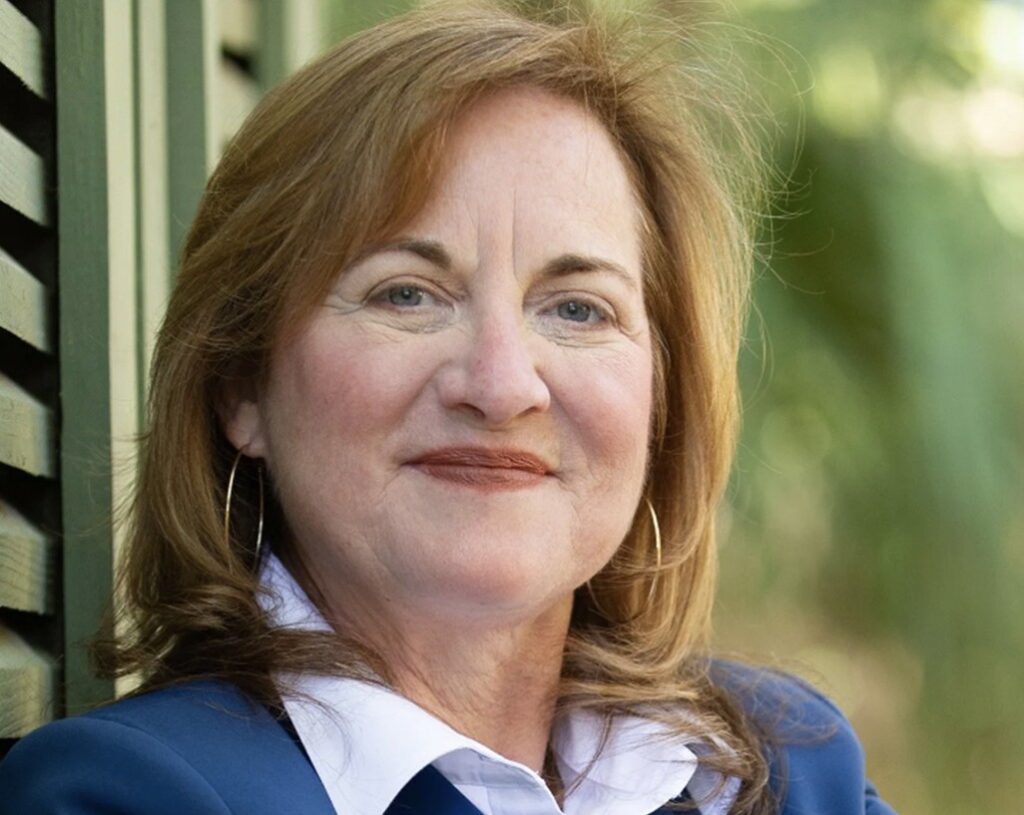
Shelley Gay Yuhas, 63, is a Beaufort native who has lived in the Fripp Island community for 4½ years. She and her husband, Steve, have been married for 41 years and have four adult children and seven grandchildren. A 1979 Beaufort High School graduate, she earned an associate degree from the University of South Carolina Beaufort in 1981 and a bachelor’s degree in computer science, with a minor in business, from the University of South Carolina in Columbia. Yuhas is retired from full-time work and serves part time as chief financial officer of SY Consulting Inc., formerly The Directions Group Inc., which she helped found. Her business experience includes managing budgets, employees and teams and assisting people who suffered catastrophic workplace injuries. She has served on the Lowcountry Food Bank board and as its chair, including during the COVID-19 pandemic. She also helped found Crown Leadership Academy in Charleston and served as its board chair for its first nine years. Her campaign website is www.voteshelley.org.
District 122
Questionnaires were sent to candidates in this district, but no responses were received before the deadline.
District 123
Questionnaires were sent to candidates in this district, but no responses were received before the deadline.
District 124
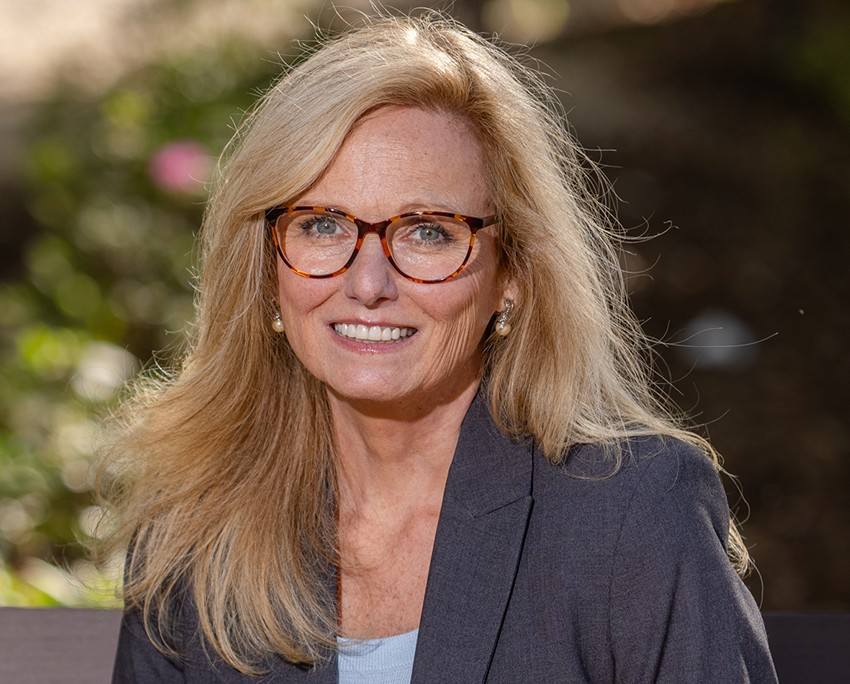
Shauna Bishop, 64, is a retired technology project manager who has lived in Beaufort since 2014. She was born in Tulsa, Oklahoma, and has been married to her husband, Huett, for 30 years. She holds a bachelor’s degree in human relations and business and certifications as a Project Management Professional, Scrum Master and master naturalist. She has also trained as a Stephen Minister and Stephen Leader. Bishop has more than 30 years of experience in software project management, health care technology and organizational transformation. Her roles have included director of digital health innovations at Beaufort Memorial Hospital and delivery leader at UnitedHealthcare. She has not previously held elected or appointed public office. Her community involvement includes leadership and committee service at Baptist Church of Beaufort, service as president of her sorority alumni organization and chair of the Islands of Beaufort Marketing Committee. Her campaign website is www.bishopforbeaufort.com.
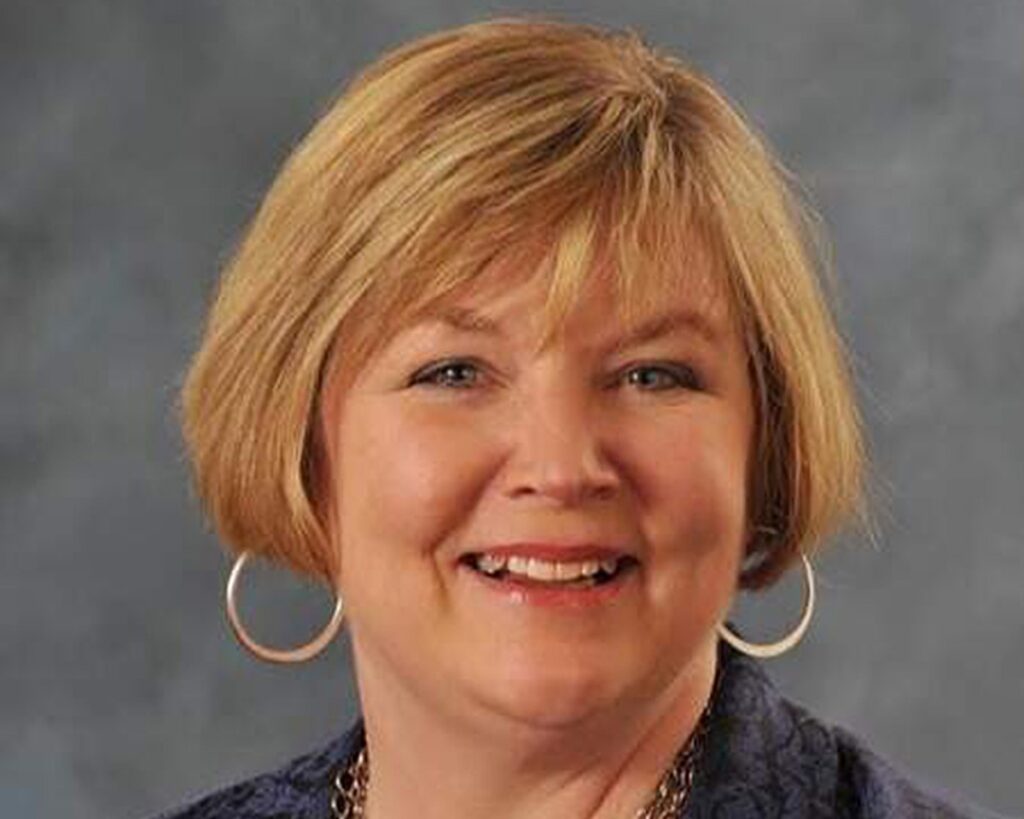
Shannon Erickson, 63, is the incumbent S.C. House District 124 representative and chair of the House Education and Public Works Committee. Born in Raleigh, North Carolina, she has lived in Beaufort for almost 42 years. She and her husband, Kendall Erickson, have a daughter, a son and six grandchildren. She holds a bachelor’s degree in early childhood education, with studies at the University of South Carolina Aiken and the University of South Carolina Beaufort. Erickson is also a small-business and early childhood education consultant with Lowcountry Building Blocks Inc. Her questionnaire cites 19 years in the General Assembly and service on four standing committees. Her community involvement includes Beaufort County First Steps, school parent and improvement groups, business organizations, drainage task forces, AMIkids, CAPA and St. Peter’s Catholic Church. She has held no other elected office. Her campaign website is www.ericksonforhouse.com.
Candidate questionnaire responses
The Island News asked candidates seeking South Carolina House seats in Districts 121, 122, 123 and 124 the same 10 questions ahead of the Nov. 3 general election. Their answers appear below, organized by question, then by district and alphabetically by surname within each district. Questionnaires were sent to candidates in Districts 122 and 123, but no responses were received.
Responses have been edited only for grammar, spelling, punctuation and Associated Press style where necessary. The substance and intent of each candidate’s answers have been preserved.
1. Housing, insurance, utilities, transportation and other essential expenses have become increasingly costly for South Carolina families. What should the General Assembly do to make the state more affordable? Are there taxes, fees or state spending programs you would increase, reduce or restructure?
District 121
DeLoach: Affordability must become a central priority of the South Carolina General Assembly. Families are being squeezed from every direction—housing, homeowners and automobile insurance, electricity, groceries, transportation, health care, and property taxes. Economic growth means little if working families, seniors, and young people can no longer afford to live in the communities they call home.
I believe we need an affordability agenda built around three principles: lower the cost of essential needs, provide targeted tax relief to the people who need it most, and demand accountability for how taxpayer and ratepayer dollars are spent.
Housing: We must increase the supply of workforce and affordable housing while protecting the ability of local communities to manage growth responsibly. I support using targeted incentives to encourage the construction and rehabilitation of affordable housing, expanding opportunities for first-time homebuyers, and helping preserve existing homes so longtime residents are not priced out of their communities. In rapidly growing areas, particularly along our coast, we must also address the impact that development and short-term rentals can have on the availability and price of housing.
Insurance: Homeowners should not have to choose between keeping insurance and paying their other household bills. The Department of Insurance itself recognizes that mitigation measures such as strengthened roofing systems, hurricane shutters, and other improvements can reduce risk and potentially lower insurance costs. I would support expanding programs such as S.C. Safe Home so more middle- and lower-income homeowners can afford mitigation improvements. I also support greater transparency in insurance rate filings, stronger scrutiny of major increases, and policies designed to attract additional responsible insurers to South Carolina and increase competition. The Department already makes many insurance rate filings publicly available; we should build on that transparency so consumers can better understand why their premiums are increasing.
Utilities: Electricity, water, and sewer service are necessities, not luxuries. I support strengthening consumer representation in utility proceedings and requiring utilities seeking significant rate increases to clearly demonstrate why those increases are necessary. South Carolina’s Public Service Commission already provides mechanisms for complaints, protests, hearings, and review of utility-rate proceedings. The General Assembly should ensure that the regulatory process considers affordability, particularly for seniors, low-income households, and families living on fixed incomes. I would also support stronger energy-efficiency and weatherization programs that permanently reduce household energy consumption rather than simply subsidizing higher bills.
Transportation: Transportation costs are an affordability issue, especially in rural South Carolina. We should prioritize repairing existing roads and bridges, improving dangerous intersections, expanding transportation options for seniors and rural residents, and directing infrastructure dollars toward projects that reduce congestion and improve access to employment. I would scrutinize administrative spending and lower-priority projects before asking taxpayers to pay higher transportation taxes or fees.
Taxes: South Carolina enacted major individual income-tax changes for tax year 2026, including two brackets of 1.99% and 5.21%, with provisions for additional reductions when revenue growth meets statutory requirements. Before pursuing additional broad tax reductions, I believe we should examine who receives the benefit and what effect the change would have on essential state services.
I favor targeted tax relief that directly improves household affordability. That includes examining additional property-tax relief for seniors and people on fixed incomes, strengthening relief for working families, and reviewing fees that disproportionately burden lower- and middle-income households. Tax policy should be measured not simply by how much revenue is reduced, but by whether ordinary South Carolinians see meaningful savings in their household budgets.
At the same time, I would review tax exemptions, credits, incentives, and economic-development subsidies to determine whether they are producing measurable benefits for South Carolina taxpayers. Programs that work should be maintained. Programs that cannot demonstrate results should be restructured or eliminated, and those dollars should be redirected toward priorities such as infrastructure, education, affordable housing, public safety, and reducing household costs.
South Carolina’s FY 2026–27 budget involves roughly $16 billion across the General Appropriations Act, Capital Reserve Fund, and supplemental appropriations, according to the House’s legislative summary. With resources of that magnitude, taxpayers deserve measurable results and transparency about where their money goes.
My approach is straightforward: before government asks South Carolinians for another dollar, we should make certain we are getting the greatest possible value from the dollars they already sent to Columbia.
Affordability cannot be addressed by one tax cut or one government program. It requires us to look at the entire household budget. If we can reduce the pressure of housing, insurance, utilities, transportation, health care, and taxes while protecting essential services and investing responsibly in our communities, we can make South Carolina a place where working families can prosper, seniors can afford to remain in their homes, and our children can afford to build their futures here.
Yuhas: While leading the Lowcountry Food Bank during COVID, we experienced an outpouring of generosity from the community out of compassion for our neighbors. As a leader in the General Assembly, I would ensure that all charitable nonprofits, including churches, have a clear path to help their neighbors in need. This includes ensuring that government will not interfere with their work with overbearing licensing or inspections. We must use common sense and as a governing body, leave them to their work.
I would support a temporary relief from the gas tax to help working families with the cost of traveling to work, especially in the rural areas of District 121.
Accountability must be prioritized. This is required for the survival of a small business, watching for a return from every dollar. As the representative for our district, I’m ready to use those business skills and work hard to ensure our dollars are spent wisely and taxes are reduced as abuse or wastefulness is uncovered and corrected.
District 124
Bishop: South Carolina families need practical relief from rising housing, insurance, utility and transportation costs. In District 124, I would pursue specific policies that expand supply, increase competition and make sure taxpayers receive value for their dollars.
- Expand attainable housing.
I would support legislation that reduces unnecessary state-level barriers to housing construction, encourages redevelopment of vacant or underused properties, and expands targeted financing for workforce housing. Our goal should be to increase the number of homes that teachers, health care workers, first responders, young families and seniors can realistically afford.
- Make coastal insurance more affordable.
I would strengthen South Carolina’s existing home-mitigation programs and make them easier for homeowners to use. The current S.C. Safe Home program provides grants for measures such as stronger roofs and impact-rated windows, while state law already provides certain tax credits for hurricane and flood fortification. I would work to expand funding, simplify the application process, and ensure homeowners receive clear information about available insurance discounts. I would also support policies that encourage more insurers to compete for South Carolina homeowners.
- Make growth pay its fair share of infrastructure costs.
District 124 is growing, and that growth puts pressure on roads, drainage, water and sewer systems. I would support requiring major new developments to account for the infrastructure impacts they create, while protecting existing homeowners and taxpayers from being asked to shoulder an unreasonable share of those costs.
- Put measurable standards on state spending.
I would support regular performance reviews of major state programs and tax expenditures. Programs that cannot demonstrate a clear public benefit should be restructured, consolidated or discontinued. Savings should be considered for higher-priority needs such as infrastructure, education, housing, health care and workforce development.
- Protect taxpayers while maintaining essential services.
I would not support raising broad-based taxes simply to increase government revenue. Before asking families for more, the General Assembly should identify opportunities to reduce waste, improve efficiency and make better use of existing revenue. At the same time, I would protect funding for essential services that families and communities depend upon.
- Target workforce development to actual jobs.
I would strengthen partnerships among technical colleges, employers and local communities so state workforce dollars are tied to documented workforce needs and employment opportunities. The objective should be straightforward: help South Carolinians gain skills that lead to good-paying jobs without taking on unnecessary educational debt.
For District 124, affordability is about more than taxes. It is whether a young family can buy a home, whether a senior can afford to remain in the community, whether a teacher or health care worker can live near their job, and whether homeowners can continue to afford insurance.
I would bring a results-oriented approach to the General Assembly: identify the problem, establish a measurable objective, fund what works, and hold government accountable for the results.
Erickson: Costs of living have risen across the nation and South Carolina is experiencing it as well. Having an affordable state requires fiscal discipline and constant evaluation of costs that affect budgets. I have consistently supported tax and red tape regulation reductions that lower costs. For example, S.C. has made significant progress in our individual income tax rate reductions, taking it from 7% to 5.21% with a pathway to get to 0% while not raising other taxes in the process. This money never leaves your paycheck because withholding decreases and allows more for the family expenses.
We must also remain diligent in regulatory oversight and costs to individuals, small businesses and service providers. When we lessen regulatory costs, more money stays in the bank for payroll and higher wages. Our S.C. House Regulatory Oversight Committee has been operating for ten years and consistently reduces regulations and streamlines procedures. For example, licensing fees and fines are scrutinized and lowered if they are not needed to maintain service to support the industry. The S.C. House Legislative Oversight Committee also audits agencies and their budgets holding the line on government overreach and costs. These safeguards keep government efficiency consistently improving lowering costs. These regulatory oversight committees also safeguard housing, insurance and utility costs by promoting industry competition, consumer protections and permitting requirements.
We must continue to lower taxes when revenue supports it; keep scrutinizing taxes and fees; control state spending and avoid policies that directly or indirectly increase costs in housing, insurance and utilities.
2. Homeowners in coastal communities face rising insurance premiums, reduced coverage and difficulty finding affordable policies. What specific changes would you support to improve the availability and affordability of homeowners, flood and wind insurance without exposing taxpayers to unreasonable financial risk?
District 121
DeLoach: South Carolina’s coastal communities need an insurance market that is both affordable for homeowners and financially sustainable for the state. Rising premiums, higher deductibles, nonrenewal, and limited coverage options threaten not only individual homeowners but also homeownership, property values, and the long-term economic stability of coastal communities.
I would pursue a strategy centered on risk reduction, competition, transparency, and targeted assistance rather than shifting private insurance losses onto taxpayers.
First, I would expand and provide more consistent funding for the S.C. Safe Home program, which helps coastal homeowners strengthen roofs, protect openings, and make other wind-mitigation improvements. The Department of Insurance currently provides grants for qualifying improvements, including resilient roof retrofits and hurricane protection.
This is one of the most responsible uses of public resources because the goal is to prevent losses before they occur. I would explore expanding eligibility, increasing available funding when justified, and prioritizing seniors, working families, and lower- and middle-income homeowners who otherwise could not afford these improvements.
Second, I support stronger and more transparent insurance discounts for mitigation. If a homeowner invests in a fortified roof, hurricane shutters, stronger roof-to-wall connections, or other verified improvements that materially reduce risk, that reduction in risk should be meaningfully reflected in the homeowner’s premium. South Carolina already recognizes mitigation credits, but I would examine whether those credits adequately reflect the actual reduction in expected losses.
Third, we should work aggressively to increase private-market competition. The objective should be to attract financially sound insurers willing to write homeowners and wind coverage along the South Carolina coast while maintaining appropriate solvency and consumer-protection standards. More responsible competition gives homeowners more choices and reduces dependence on any single carrier or residual-market mechanism.
Fourth, I would protect the South Carolina Wind and Hail Underwriting Association as an insurer of last resort, while being cautious about expanding it in ways that create excessive financial exposure. The Wind Pool is an important safety net for property owners who cannot obtain coverage through the traditional market, but it should complement—not replace—a healthy private insurance market. The Department of Insurance itself describes the Wind Pool as part of a broader strategy for coastal insurance availability.
Fifth, I support greater transparency and accountability when insurers seek substantial rate increases or reduce their coastal exposure. Regulators and policymakers need reliable information about claims experience, catastrophe modeling, reinsurance costs, mitigation savings, nonrenewal, and geographic availability. Rate decisions should be actuarially sound, but homeowners also deserve to understand what is driving increases and whether the assumptions underlying them are reasonable.
Sixth, flood insurance requires a different approach because ordinary homeowners’ policies generally do not cover flooding or storm surge. South Carolina should aggressively pursue federal mitigation dollars and help communities undertake drainage improvements, floodplain management, elevation projects, resilient infrastructure, and other measures that reduce actual flood risk. The state should also encourage a competitive private flood-insurance market alongside the federal National Flood Insurance Program.
Finally, I would be cautious about creating a broad taxpayer-backed state insurance program that simply transfers catastrophic coastal risk from insurance companies to South Carolina taxpayers. Government has an appropriate role in mitigation, regulation, consumer protection, infrastructure, and maintaining a responsible market of last resort. But taxpayers should not be placed in a position where they are guaranteeing unlimited private property losses after a major hurricane.
My principle is simple: the best insurance claim is the one we can prevent.
We should help homeowners strengthen their properties, reward them for reducing risk, encourage more insurers to compete for their business, maintain a responsible safety net for those who cannot obtain coverage, and invest in infrastructure that reduces flooding and storm damage.
For the people who have lived along South Carolina’s coast for generations, particularly seniors and working families, homeowners’ insurance cannot become the reason they are forced out of their homes. Our goal should be to make coastal South Carolina safer to insure, more competitive to insure, and ultimately more affordable to call home—without writing a blank check from the taxpayers of South Carolina.
Yuhas: As a homeowner in this coastal community, I would support any legislation that allowed for greater competition and lower premiums.
District 124
Bishop: Coastal South Carolina families should not have to choose between protecting their homes and being able to afford to stay in them. For families in Beaufort, Port Royal, Lady’s Island, Burton and surrounding District 124 communities, this is both an insurance and affordability issue.
I would take a three-part approach: reduce risk, increase insurance choices, and protect taxpayers.
First, I would expand and streamline S.C. Safe Home so more homeowners can afford wind-resistant roofs, shutters and other proven improvements—and receive meaningful insurance discounts for reducing their risk.
Second, I would encourage more financially sound insurers to serve coastal communities, require greater transparency when premiums increase or coverage is reduced, and make it easier for homeowners to compare homeowners, wind and flood policies. South Carolina already permits private flood insurance, giving consumers alternatives to the federal National Flood Insurance Program.
Third, I would make flood insurance more accessible without creating an unlimited taxpayer-funded insurance program. Standard homeowners insurance generally does not cover flooding or storm surge, so District 124 homeowners often need separate flood coverage.
My approach would be to expand private flood-insurance competition, improve consumer assistance in comparing policies, and connect flood-mitigation investments with lower insurance costs where insurers recognize the reduced risk. For homeowners who use the NFIP, I would support better education about coverage, deductibles and risk-based pricing rather than promising artificially low premiums that simply shift costs to taxpayers.
Flood resilience must also be part of how District 124 grows. We have all experienced the consequences of drainage challenges and flooding. New development should not add to those problems.
I would require developers building in flood-prone areas to address their impacts through appropriate stormwater retention, upgraded drainage, wetland preservation, flood protection, tidal backflow controls and, when necessary, contributions to off-site infrastructure.
District 124 needs growth, but it needs responsible growth—growth that protects existing homeowners, strengthens our communities and prepares for the flooding risks we know are part of coastal life.
Developers should pay their fair share. Taxpayers shouldn’t pay twice.
Erickson: Our state needs to continue efforts to reduce the risk of property loss, reward homeowners who fortify their homes, attract more private insurers to increase competition while maintaining a reasonable and responsible safety net for highest risk properties. As a coastal legislator, I see how rising insurance costs affect homeowners. We cannot control national insurance costs but we can reduce risk, strengthen competition and protect taxpayers. I support expanding the S.C. Safe Home grants, encouraging strengthened construction and ensuring insurance discounts for qualifying improvements like water barriers, stronger roofs, and roof-to-wall connections. The S.C. Department of Insurance should be instructed by the governor to recruit reputable insurers and keep the S.C. Wind and Hail Fund a last resort. Like Beaufort and Port Royal with state and federal support, more coastal areas need to improve stormwater and drainage capacities to lower flooding risks and damage costs. We must lower damage, support mitigation and expand insurance providers without shifting costs onto taxpayers.
3. What should South Carolina do to improve student achievement and recruit and retain qualified teachers? How should the state balance teacher pay, classroom resources, school safety, accountability and public funding for private-school choice programs?
District 121
DeLoach: Every child in South Carolina — regardless of ZIP code, family income, or whether that child lives in a rural or urban community — deserves access to a high-quality education. For me, improving education begins with a simple principle: put excellent teachers in every classroom, give them the resources and support to teach, keep students safe, and hold our education system accountable for results.
First, South Carolina must continue improving teacher pay, but compensation cannot be our only retention strategy. For FY 2026–27, the state increased the minimum starting teacher salary from $48,500 to $50,500 and increased every cell on the state minimum salary schedule by $2,000. That is meaningful progress, and I support continuing to make South Carolina teacher compensation competitive with surrounding states.
However, teachers consistently tell us that retention is also about working conditions. Research cited by the Department of Education has identified student discipline, lack of administrative support, and interruptions to instructional time among factors contributing to teachers leaving the profession. We should strengthen mentoring for beginning teachers, reduce unnecessary paperwork, provide meaningful planning time, improve administrative support, and create career pathways that allow excellent educators to earn more and assume leadership responsibilities without having to leave the classroom. South Carolina’s own teacher recruitment and retention work has recommended career ladders, stronger preparation, compensation improvements, and better working conditions.
I would also support additional incentives for teachers who serve in rural communities, high-poverty schools, special education, mathematics, science, and other critical-shortage areas. A statewide salary schedule is important, but we must recognize that some communities face much greater recruitment challenges than others.
Second, we must put more resources where learning occurs—the classroom. Teachers should not have to routinely spend their own money on basic instructional materials. I support adequate funding for textbooks, technology, classroom supplies, special education, reading intervention, school counselors, mental-health professionals, and career and technical education. The FY 2026–27 budget, for example, included $50 million for instructional materials and $15 million for summer reading programs for first- and second-grade students who are not on track to read on grade level by the end of third grade.
Student achievement must begin early. I would place particular emphasis on literacy by third grade, mathematics proficiency, early childhood education, tutoring and intervention for struggling students, and career preparation before graduation. When a child falls behind in first or second grade, we should intervene then rather than wait until that student reaches middle or high school.
Third, school safety must be treated as a prerequisite for learning. Teachers cannot teach and students cannot learn in an environment where they do not feel safe. I support appropriately trained school resource officers, secure facilities, effective emergency planning, improved communication with law enforcement, behavioral and mental-health support, and clear and consistently enforced discipline policies. The state has recently invested in school-safety grants, but those investments should be sustained rather than treated only as one-time expenditures.
My own background in law enforcement reinforces my belief that school safety should combine prevention, preparedness, intervention, and accountability. We should address threats before they become tragedies while maintaining school environments where teachers can teach and students can learn.
Fourth, accountability must apply to everyone receiving public education dollars. South Carolina already publishes annual school and district report cards containing information such as academic performance, teacher qualifications, and student safety. I support transparent academic standards and accountability, but we should not judge a school by one test score alone. We should examine academic growth, reading and mathematics proficiency, graduation, college and career readiness, attendance, teacher retention, and how effectively schools are helping students who entered the classroom behind their peers.
Accountability should also include financial accountability. Taxpayers deserve to know whether education dollars are reaching students and classrooms and whether programs receiving state money are producing measurable results.
Finally, we must have an honest conversation about private-school choice and the Education Scholarship Trust Fund. South Carolina law establishes the ESTF to provide eligible students scholarships for qualifying educational expenses, and the FY 2026–27 budget provides approximately $61.4 million for the program.
I respect parents’ right to make educational decisions for their children. At the same time, public dollars require public accountability. If taxpayer money is used for private educational choices, the General Assembly has a responsibility to establish strong financial controls, transparency, appropriate academic accountability, and protection against fraud and misuse.
Most importantly, expanding school-choice programs should not come at the expense of adequately funding the public schools that have the responsibility to educate every child who comes through their doors — including children with disabilities, children living in poverty, and students in rural communities where there may be few or no private-school alternatives.
The question should not be whether we support teachers or textbooks, safety or academics, accountability or opportunity. We must do all these things together.
I want South Carolina to build an education system where teachers are respected and competitively compensated, classrooms are properly equipped, schools are safe, parents are engaged, taxpayers know where their money is going, and every child has a genuine opportunity to succeed.
Our goal should be clear: a great teacher in every classroom, a safe environment in every school, and a pathway to a successful future for every South Carolina child.
Yuhas: We need to prioritize supporting our teachers with competitive salaries in every county, including the rural counties. Mental health support for every school should also be prioritized, with extra help for students struggling to recover from the COVID-19 learning gap. With every resource we have, we must support our teachers and students so they will develop a love of learning.
In S.C., we have made progress in these areas, but we must put our differences aside to work together and ensure every child has access to the education that suits them, with guidance from parents. Sometimes this takes an alternative course, which is why we started a school that teaches using the project-based learning method. It instills personal accountability and active, real-world problem-solving.
We are a public-school family, but we realize that creative ways of learning are necessary to ensure every child is equipped for life.
District 124
Bishop: South Carolina should put public education first. If we want higher student achievement, we need to invest in the people and classrooms that educate the overwhelming majority of South Carolina children — not divert public dollars away from our public schools.
First, I would end the use of public funds for private-school vouchers. I do not believe taxpayer dollars should be redirected to private schools that are not subject to the same transparency, accountability and public-education requirements as our public schools. South Carolina’s Education Scholarship Trust Fund is now capped at 15,000 students for 2026–27, with the state providing millions of dollars for the program. Those dollars should instead strengthen the public schools that serve every child who walks through their doors.
We need to invest directly in teachers. That means continuing to raise teacher salaries, but also addressing the reasons experienced teachers leave. South Carolina has raised the starting salary substantially since 2019, and the current state proposal would increase the starting salary to $50,500. I would support competitive salaries, targeted incentives for hard-to-staff subjects and schools, paid student-teacher opportunities, mentoring for new teachers, and career pathways that allow excellent teachers to advance without leaving the classroom.
We also need to improve the classroom environment. Teachers should have high-quality instructional materials, manageable class sizes, adequate support staff, and the technology and resources necessary to teach effectively. The state is already identifying the importance of consistent, standards-aligned instructional materials; I would make sure those investments reach classrooms where they are needed most.
School safety and student achievement go together. Students cannot learn effectively when they do not feel safe, and teachers cannot teach effectively when they are spending their time managing unsafe or disruptive environments. I support appropriate school safety funding, counselors and mental-health supports, behavioral interventions, and trained school resource personnel where they are needed.
Accountability should apply to every school receiving public money. Public schools should be accountable for results, but accountability must be paired with the resources necessary to achieve those results. If private schools receive public dollars, they should meet meaningful transparency, testing and financial-accountability requirements comparable to those attached to public education. Otherwise, taxpayers cannot adequately determine whether their money is producing better educational outcomes.
For me, the priority is straightforward: put more resources into classrooms, pay and support qualified teachers, make schools safe, measure results honestly, and stop diverting public education dollars to private-school vouchers.
In District 124, our children deserve schools that are fully supported, our teachers deserve to be respected and retained, and taxpayers deserve to know that their education dollars are being used for the public good.
Erickson: South Carolina schools are improving with key factors at work. First, the General Assembly has been focused on data reported from the S.C. Teacher Recruitment and Retention Taskforce of 2022 which set a framework toward reduction of paperwork, higher salaries, better classroom discipline support, more beneficial professional development, planning and preparation time, professional treatment in annual contracts, and classroom safety. Our House Education and Public Works Committee, which I chair, took those items seriously and has passed legislation reducing paperwork, defining contract contents, salary and date, teacher certifications being completed by district professional development and no cost to teachers, retired teachers retaining a lifetime certification, dedicated before school year start classroom time without students, and safety measures for each school. The General Assembly has raised teacher pay and starting teacher salaries are up 52% from 2019 and expanded parental leave passed this year too.
Toward improvements in student achievement, S.C. fully implemented The Science of Reading in 2024 and trained teachers from early childhood through university level to support the learning continuum. Over 21,000 teachers have been trained and our English Language Arts S.C. Ready scores in 2026 are an all-time high at 61.3% of “met or exceed expectations” and after a start of Palmetto Math, the mathematics scores were also up at 47.9%. These trends show that we must continue these back-to-basics phonics and numeration skills but success is not always test scores.
All successes and other parts of our schools are affected by school safety, both internal interruptions to learning and outside disturbances that break the peace are intolerable interferences. The General Assembly attempted debate on classroom discipline last year and we must continue that collaborative work with all stakeholders finding a balance to move forward to improve classroom conditions for all and achieve the highest safety standards with the least disruption.
Regarding finances, all expenses paid with public funds must be publicly accountable. With last year’s Charter School Accountability Act, individual school districts being placed under the management of the State Department of Education or our ESTF vendor procurement process, the General Assembly is requiring each entity be responsible for funds appropriated and the districts’ oversight for those expenditures. In some areas more data and better reporting are key.
Most remarkably, however, almost every public school district is maintaining annual unencumbered fund balances (money not spent or already promised/dedicated), it is evident that lack of success is not due to lack of funds, so SDE and the General Assembly may need to audit where those funds are going, especially in schools with lower test scores, or lower teacher retention, to assist with proper fund targeting and returns on investment.
4. South Carolina is considering how to regulate the rapid growth of data centers, which can bring investment and tax revenue but also require substantial electricity, water and infrastructure. What standards should govern where data centers are built and how their impacts are disclosed? Should they receive state or local tax incentives? Please explain how you would ensure data centers pay the full cost of the power, transmission, water and other infrastructure they require, protect residential and small-business utility customers from higher rates, conserve water, address noise and environmental effects, and preserve meaningful public notice and local land-use authority.
District 121
DeLoach: I oppose the continued expansion of large-scale data centers in South Carolina, particularly when these facilities place extraordinary demands on our electricity grid, water resources, infrastructure, and communities while offering comparatively limited permanent employment.
South Carolina should not sacrifice affordable electricity, clean and abundant water, rural land, environmental resources, or local control in pursuit of data-center development.
My position begins with a simple question: Who should South Carolina’s resources serve first? I believe the answer should be the families, small businesses, farmers, industries, and communities that already call our state home.
First, I oppose taxpayer incentives for new large-scale data centers. South Carolina should not use public resources to subsidize facilities that can require substantial amounts of electricity, water, transmission capacity, and other infrastructure. If a project cannot make economic sense without shifting its costs or risks onto taxpayers and ratepayers, I do not believe taxpayers should be asked to make that project viable.
The General Assembly is already considering legislation that would restrict certain data-center tax exemptions. H. 5484, for example, proposes limiting the availability of existing sales-tax exemptions for data centers and technology-intensive facilities.
Second, residential and small-business utility customers should never subsidize data centers. South Carolina families are already concerned about rising utility bills. They should not be required to finance new power plants, transmission lines, substations, or other infrastructure primarily needed to serve enormous new industrial loads.
If existing or previously approved data centers require additional generation, transmission, substations, interconnections, or other electrical infrastructure, those customers should bear the costs reasonably attributable to serving them. H. 5215 currently proposes prohibiting incremental costs caused by large-load customers from being recovered from customers in another class.
I support that fundamental principle: data centers should not increase the electric bills of South Carolina families.
Third, we must protect South Carolina’s water. Water is one of our most valuable natural resources. We should not put drinking water, groundwater, agriculture, wetlands, rivers, or future community growth at risk to accommodate water-intensive industrial development.
Any existing or previously approved data center should be required to publicly disclose its water consumption, source of water, cooling methods, wastewater impacts, conservation practices, and drought contingency plans. Proposed legislation already recognizes the importance of water reporting and conservation requirements for these facilities.
When there is a conflict between protecting the long-term water needs of South Carolina communities and accommodating a data center, our communities and natural resources should come first.
Fourth, local governments and residents must retain meaningful authority over land use. I oppose efforts that would override local zoning or weaken the ability of counties and municipalities to determine whether these massive facilities are appropriate for their communities.
This is especially important in rural and environmentally sensitive areas. South Carolina’s rural landscapes, agricultural lands, wetlands, waterways, forests, and culturally significant communities are economic and cultural assets. Once those resources are lost to inappropriate industrial development, we may never get them back.
Residents also deserve meaningful public notice and public hearings before major data-center projects are approved. H. 5215 proposes public notice, hearing, and local planning-and-zoning certification requirements for certain large-load projects, demonstrating that these concerns are already before the General Assembly.
Fifth, environmental and quality-of-life impacts cannot be dismissed. Data centers can create concerns involving noise, backup generators, lighting, transmission infrastructure, land disturbance, water consumption, and other environmental effects. Proposed S. 867 specifically addresses infrastructure adequacy, environmental assessments, buffers, water efficiency, noise, vibration, lighting, decommissioning, and local land-use planning.
For existing facilities, I support strong setbacks, enforceable noise standards, environmental monitoring, water-conservation requirements, and financial assurances for eventual decommissioning. Companies — not taxpayers — should be responsible for cleaning up and restoring these sites when facilities close.
South Carolina absolutely should pursue economic development and technological innovation. But we should prioritize industries that provide good-paying permanent jobs, strengthen local economies, use our natural resources responsibly, and provide benefits proportionate to the public resources they consume.
I am not willing to ask a senior citizen, working family, farmer, or small-business owner to pay a higher electric bill so that a massive data center can receive discounted power. I am not willing to jeopardize our water resources for projects that may provide relatively few permanent jobs. And I do not support giving away taxpayer dollars to attract developments whose long-term infrastructure and environmental costs may be borne by the public.
My position is clear: I oppose taxpayer-subsidized expansion of large-scale data centers in South Carolina, and I would oppose new projects that threaten our utility affordability, water resources, environment, rural communities, or local control.
Our economic-development policy should work for the people of South Carolina—not require the people of South Carolina to work for it.
Yuhas: Although this is a national issue, it is also local, especially to our neighbors in Colleton County. First, a data center should never be allowed in areas where its operation could spoil our natural environment. We have some of the cleanest waters on the East Coast, which gives rise to a healthy seafood industry. This must never be compromised. So obviously, the ACE Basin is out. These three rivers (Ashepoo, Combahee and Edisto) all run through District 121 and flow into the estuaries and Atlantic Ocean. I will work diligently to protect our environment.
Counties that struggle, particularly in rural areas, may find a path forward for data centers. However, the community must be given accurate information and ample opportunity to ask questions before any zoning changes are granted. Should they be regulated by the state? Absolutely. We can start by requiring impact studies that are shared with the public, including any economic impact, ensuring no community bears the cost of construction or operation.
I am not for using state or local tax incentives for the production of data centers. I am for complete transparency with the community on the benefits and the costs.
District 124
Bishop: I support a two-year moratorium on new data centers in South Carolina. South Carolina should pause and establish the rules before approving another wave of these facilities. Data centers can bring investment and economic activity, but they can also consume enormous amounts of electricity and water and require substantial new infrastructure. South Carolina’s own 2025 State Water Plan identifies data centers as an emerging source of water demand and notes that coastal areas rely heavily on groundwater. That is especially important in Beaufort County and the Lowcountry, where water resources, electricity costs, growth and environmental protection directly affect our quality of life.
During the two-year moratorium, I would support legislation establishing these requirements:
- Data centers must pay their full cost. A data center should pay the incremental cost of the electricity generation, transmission, substations, roads, water and wastewater infrastructure it requires. Those costs should never be shifted to residential customers or small businesses through higher utility rates.
- Protect residential utility customers. Large-load electricity contracts should be transparent and subject to rigorous review so ordinary South Carolinians are not subsidizing infrastructure or discounted rates primarily benefiting massive technology companies.
- Protect our water. Every proposed facility should disclose its expected water withdrawals and consumption, identify its water source, demonstrate that adequate supplies exist during drought conditions and meet enforceable water-efficiency standards. This is particularly important in coastal communities that depend heavily on groundwater.
- Require real environmental review. Before approval, developers should disclose impacts on wetlands, waterways, groundwater, wildlife, stormwater, air quality, greenhouse-gas emissions and surrounding ecosystems.
- Protect neighboring communities. Data centers should meet enforceable standards for noise, lighting, vibration, backup generators and other impacts, with appropriate setbacks and buffers from homes and small businesses.
- Give residents meaningful notice and a voice. Communities should receive timely public notice, understandable information about the project and a genuine opportunity for public hearings and comment before permits are granted.
- Preserve local land-use authority. Beaufort County and its municipalities should retain meaningful authority over zoning, setbacks, land use and compatibility with surrounding neighborhoods. Columbia should not take away the ability of local communities to make responsible land-use decisions.
- No automatic tax giveaways. I would not support automatic state or local tax incentives for data centers. Any proposed incentive should be transparent and demonstrate a measurable public benefit after accounting for the infrastructure and public resources the project consumes.
We are already seeing why strong public review matters. A major high-performance computing facility in Spartanburg has required state environmental permitting and public hearings addressing air, water and other impacts. South Carolina should learn from these projects before approving more of them.
My position is simple: two years to get the rules right. Then, if a data center is approved, it should pay its full share, protect our water and electricity supply, protect residential and small-business customers, meet strong environmental and noise standards, and respect the people and communities where it is built.
For District 124, that means putting Beaufort families, small businesses and our Lowcountry environment ahead of unchecked development.
Erickson: In South Carolina, growth is occurring, fourth fastest in the nation, and we must ensure that it does not come at the expense of existing residents or our natural resources. Part of this growth may include development from data centers and state policy should require them to bear the costs of their power and infrastructure. No costs should be shifted to residential or small business utility customers and water resources must be protected as well. Top tier technology like closed water cooling systems, specific protections and common sense permitting must be required. The state should establish reasonable standards for impacts such as noise on neighboring properties and require transparent public notice before major projects are approved. Vitally important as well is the ability for local governments and counties to retain appropriate land use and zoning authority so communities may define their needs and wants.
5. South Carolina must meet increasing demand for electricity while keeping service reliable and rates affordable. What types of energy generation and infrastructure should the state prioritize? What protections should customers have when utilities seek approval for new projects or rate increases?
District 121
DeLoach: South Carolina needs an energy policy built around three priorities: reliability, affordability, and accountability. We must have enough electricity to serve our growing state, but families and small businesses should not be treated as a blank check for every new utility project.
I support a diverse energy portfolio rather than putting South Carolina’s future into one technology. We should preserve and strengthen reliable existing generation while expanding resources that make economic sense for ratepayers, including solar, battery storage, energy efficiency, and appropriate natural-gas generation needed for reliability. I also believe nuclear power should remain part of South Carolina’s long-term energy discussion, including advanced nuclear technologies, but only with strong financial safeguards for consumers.
The General Assembly’s 2025 Energy Security Act itself calls for consideration of a diverse mix of resources and requires regulators to balance capacity, reliability, costs, benefits, and risks to ratepayers.
However, South Carolina should remember the lessons of expensive projects that leave customers carrying the financial risk. Utilities and their shareholders should bear an appropriate share of the risk when management decisions lead to cost overruns, delays, or abandoned projects. I do not support automatically passing those costs on to families through higher electric bills.
Before approving a major new generating facility, transmission project, or other large investment, the Public Service Commission should require the utility to demonstrate that the project is needed, that reasonable alternatives have been considered, and that the proposal represents a cost-effective way to maintain reliable service. The public should have meaningful notice and an opportunity to participate.
I also support strengthening the role of the Office of Regulatory Staff as an independent advocate for the public interest and ensuring that the Public Service Commission has access to independent technical and financial expertise when evaluating complex utility proposals. Under current law, the PSC regulates investor-owned utility rates and services, while the Energy Security Act expanded provisions concerning public witnesses and independent consultants in contested proceedings.
Energy efficiency should be treated as an energy resource. Sometimes the least expensive megawatt is the one we do not have to generate. Weatherization, efficient appliances, improved insulation, demand-response programs, and other cost-effective measures can reduce peak demand while lowering customers’ monthly bills. South Carolina law already recognizes energy-efficiency and demand-response programs, and the Energy Freedom Act provides customers with rights related to efficiency and distributed energy resources.
I also support expanding opportunities for rooftop and community solar, particularly where they can lower costs without unfairly shifting expenses between customers. South Carolina has abundant sunshine, and solar can be part of a diversified system when paired with appropriate storage, transmission planning, and reliable generation.
At the same time, we must address what is driving new demand. I do not believe residential customers should be asked to finance massive infrastructure expansions primarily required by extremely large industrial loads such as data centers. Current South Carolina law already directs utilities serving new loads above 50 megawatts to use financial and operational protections designed to mitigate risks to existing customers. I would strengthen that principle: the customer creating an extraordinary new demand should bear the costs reasonably attributable to serving that demand.
When a utility seeks a rate increase, the burden should be on the utility to justify it. Customers deserve understandable information showing why the increase is necessary, where the money will go, what alternatives are considered, and how much the average household and small business will pay.
I would also support stronger protections for seniors and financially vulnerable households, including reasonable payment plans, weatherization and efficiency assistance, and appropriate protections against disconnection during dangerous periods of extreme heat or cold.
Finally, utility affordability should become a measurable part of South Carolina’s energy planning. We should regularly examine how much of a household’s income is being consumed by electricity and other essential utilities, particularly for low- and fixed-income households. Reliability matters, but so does whether people can afford the reliable electricity we produce.
South Carolina can meet growing energy needs without choosing between reliability and affordability. We can modernize our grid, diversify generation, improve efficiency, and prepare for future demand while protecting the people who ultimately pay the bills.
My principle is simple: South Carolina families should pay for the electricity they use—not for unnecessary projects, corporate mistakes, or infrastructure built primarily to serve massive new industrial customers.
Every major energy decision must answer three questions: Is it necessary? Is it reliable? And is it fair to the ratepayer? If the answer to any of those questions is no, we should reconsider the project before putting the cost on the monthly bills of South Carolina families.
Yuhas: Back to accountability, we must not allow another travesty like the V.C. Summer Plant fiasco over a decade ago when construction costs soared while trying to bring two nuclear reactors online. With new leadership, we are back to restoring this project to boost the S.C. power grid.
I’m in favor of multiple sources of power production, so long as it does not interfere with our environment.
District 124
Bishop: South Carolina needs more electricity, but we cannot solve rising demand by simply building whatever utilities propose and sending the bill to families and small businesses.
I would support a balanced energy mix built around four principles: reliability, affordability, diversification and long-term cost control.
Solar and battery storage should grow substantially. South Carolina has an opportunity to add more utility-scale and distributed solar, while pairing it with battery storage and other resources that can provide power when solar production falls. I would remove unnecessary barriers to residential and small-business solar and support fair, transparent compensation for excess electricity supplied to the grid.
Natural gas should remain part of the reliability strategy, but new gas investments should face the same cost test as every other resource. Gas can provide dispatchable power when demand is high or renewable generation is unavailable, but customers should not be locked into expensive infrastructure without demonstrating a long-term need and reasonable cost.
Coal should not be treated as the default answer to future electricity demand. Existing reliable generation should be evaluated based on its economics, reliability, and impact on customers, while new investments should be compared fairly with nuclear, natural gas, solar, battery storage, energy efficiency, demand response, and other alternatives.
I have environmental concerns about coal-fired power plants and believe they should be phased out over time as practical alternatives become available. For South Carolina families and businesses, that transition should mean cleaner air and water without sacrificing reliable electricity or driving up electric bills. We should make energy decisions based on what provides dependable power, protects consumers from unnecessary costs, supports good jobs, and responsibly addresses environmental concerns.
Energy efficiency and demand response should count as resources. If a utility can reliably reduce peak demand through efficiency programs, smart technology or voluntary demand-response programs for less than the cost of new generation, customers should be able to benefit from that alternative.
I would also require utilities to demonstrate, before major projects are approved, that they have compared nuclear, natural gas, solar, battery storage, existing generation, efficiency, demand response and transmission on a consistent basis.
For District 124 families and small businesses, the goal is not to pick one technology and hope it solves everything. The goal is to build a grid where nuclear provides dependable baseload power, natural gas provides flexibility, solar and storage continue to expand, efficiency reduces unnecessary demand, and the transmission system connects these resources reliably.
Every major investment should answer three questions:
Do we need it? Can we afford it? And is there a better alternative for the customers who will pay for it?
Reliable power, a diverse energy mix, more customer choice and fair costs for South Carolina ratepayers.
Erickson: In the 2025 Energy Security Act, South Carolina has prioritized a diverse, reliable energy portfolio that includes nuclear and advanced nuclear, natural gas, renewables, storage, and continued investment in transmission and grid reliability. This bill was sponsored by all members of the Beaufort delegation and specifically recognizes the need for diverse generation while requiring consideration of costs, benefits, reliability and risks to ratepayers.
When utilities propose major new generation projects or rate increases, customers are protected through independent reviews by the Office of Regulatory Staff, rigorous Public Service Commission scrutiny, transparent cost and demand projections, competitive procurement where appropriate, and meaningful opportunities for public participation. Most importantly, utilities should always be required to demonstrate that projects are necessary, cost-effective and reliable before costs are passed on to customers, and extraordinary costs created by large-load customers should not simply be shifted to families and small businesses.
6. The Preserve at Port Royal, a 400-unit apartment complex, received a full property-tax exemption after assigning a 0.1% ownership interest to an entity associated with low- to moderate-income housing. Its annual property-tax bill fell from about $1.34 million to zero, costing Port Royal about $349,000 and the Beaufort County School District more than $700,000, while local officials questioned whether affordable units were actually available. Would you change this exemption? What affordability standards, verification, public disclosure, local notice and limits should apply before a privately owned development receives this tax benefit?
District 121
DeLoach: Yes. I would support changing South Carolina’s affordable-housing property-tax exemption to close loopholes that allow a privately owned, for-profit development to receive a substantial or complete property-tax exemption without providing a corresponding and verifiable public benefit.
I strongly support affordable and workforce housing. But an affordable-housing tax exemption should produce affordable housing. It should not become a mechanism for private development to dramatically reduce its property-tax obligation through a minimal ownership arrangement while local taxpayers, municipalities, counties, and public schools absorb the lost revenue.
South Carolina law currently provides an exemption for qualifying nonprofit housing corporations and their instrumentalities when property is devoted to housing low- or very-low-income residents and applicable federal safe-harbor requirements are satisfied. The Department of Revenue determines whether property qualifies for exemptions under Section 12-37-220. I believe the General Assembly should make the requirements substantially clearer and stronger.
First, the tax benefit should generally be proportional to the nonprofit’s actual ownership interest. A nominal ownership interest should not automatically convert an otherwise privately owned, income-producing development into property that receives a 100% exemption.
If a nonprofit owns 0.1% of a development, that fact alone should not entitle the entire property to a 100% exemption. A full exemption should require substantial nonprofit ownership or controlling interest and a substantial, enforceable affordable housing commitment. S. 125 already proposes generally tying the exemption to the nonprofit’s percentage of direct or indirect ownership, with specified exceptions.
Second, affordability must be real, measurable, and enforceable. A development receiving a significant exemption should be required to dedicate a meaningful percentage of its units to qualifying low- and moderate-income households at rents that are actually affordable to those households.
The law should establish clear income thresholds based on area median income, appropriate rent limits, minimum numbers or percentages of affordable units, and a substantial affordability period. The greater the tax benefit, the greater the affordable-housing obligation should be.
Third, compliance should be verified every year. Developers should be required to submit certified rent rolls and occupancy information showing the number of affordable units, rents charged, applicable income limits, tenant eligibility, vacancies, and the duration of affordability restrictions. S. 125 similarly proposes annual certification of ownership percentages and rent-roll or other documentation demonstrating compliance.
I would require meaningful penalties for false reporting or noncompliance, including termination of the exemption and, when appropriate, recapture of taxes that would otherwise have been owed.
Fourth, the process must be transparent. Before a major exemption takes effect, the public should be able to see who owns the property, the nonprofit’s actual ownership percentage, the financial relationship between the nonprofit and the private owners, how many units will be affordable, applicable income and rent limits, the estimated annual value of the tax exemption, and the estimated revenue impact on each affected taxing jurisdiction.
A multimillion-dollar tax exemption should never effectively appear in a local government’s books after the important decisions have already been made.
Fifth, local governments and school districts deserve advance notice. When an exemption could remove substantial property value from the tax rolls, affected municipalities, counties, and school districts should receive formal notice before approval. For exemptions above an appropriate financial threshold, I would support requiring a public hearing.
Local officials may not necessarily have veto authority over every exemption established by state law, but the taxpayers they represent should not be blindsided by the loss of significant recurring revenue.
Sixth, we should establish reasonable limits and periodic review. These exemptions should not continue indefinitely without demonstrating that the public is receiving the promised benefit. I would support periodic recertification and legislative review of the program’s overall fiscal impact.
The General Assembly should also require statewide reporting showing how many properties receive the exemption, their assessed values, the amount of taxes exempted, the number of affordable units actually provided, and the jurisdictions affected.
My concern is not with legitimate nonprofit organizations providing affordable housing. Those organizations perform important work throughout South Carolina, and the law should continue supporting genuine affordable-housing efforts.
My concern is when a tax provision intended to help low- and moderate-income families becomes primarily a tax-avoidance mechanism for private development.
When a property-tax exemption reduces revenue that otherwise supports schools, municipalities, counties, fire protection, public safety, infrastructure, and other essential services, taxpayers deserve to know exactly what public benefit they are receiving in exchange.
My standard would therefore be straightforward:
No substantial affordable-housing tax exemption without substantial affordable housing. No nominal ownership arrangements producing disproportionate tax benefits. No exemption without annual verification. And no major loss of local tax revenue without transparency and meaningful public notice. We can encourage affordable housing while protecting taxpayers at the same time. In fact, doing both is essential if South Carolinians are going to have confidence that these incentives are serving the people they were created to help.
Yuhas: Absolutely. While affordable housing is one of the challenges of living in our coastal community, we must close this loophole.
With young adult children, I’m fully aware of the lack of affordable housing so I am passionate about cultivating opportunities for first-time homeowners who want to make the huge step toward generational wealth by owning a home.
We also need to address safety in our affordable housing available for lease/rent like Garden Oaks. Our first priority to our community must be safety.
The affordable housing tax exemption is absurd and only benefits developers, not our community. I will work hard to close this loophole that is hurting our local schools and communities.
District 124
Bishop: I would support legislation to change the law.
South Carolina needs more affordable housing, especially in Beaufort County. But when a private development receives a major property-tax benefit, taxpayers deserve clear safeguards.
The Preserve at Port Royal demonstrates why these safeguards are needed. The reported tax structure raised questions about whether a very small ownership interest associated with affordable housing could result in a much larger property-tax exemption for the overall development.
My proposal would tie the tax benefit directly to the measurable affordable-housing benefit:
Set a minimum: A development must dedicate a defined percentage of its units to households within specified income limits to qualify for the incentive.
Tie the exemption to the benefit: The tax benefit should correspond to the percentage and value of qualifying affordable units—not allow a nominal ownership interest to eliminate taxes on the entire project.
Publish the numbers: Taxpayers should be able to see the number of qualifying units, actual monthly rents, income requirements, length of affordability restrictions and estimated annual tax benefit.
Verify annually: Compliance should be independently documented each year.
Protect local governments: Counties, municipalities and school districts affected by lost revenue should receive advance notice and a fiscal-impact estimate.
Enforce the agreement: If promised affordable units are not provided or rent requirements are not met, the tax benefit should be reduced or terminated, with improperly exempted taxes subject to recovery.
Require lasting affordability: The affordability commitment should remain in place long enough to justify the public subsidy.
And we need to be honest about what “affordable” means. A $2,000 monthly rent isn’t automatically affordable simply because a developer calls the unit affordable. Affordability should be based on household income, rent and clearly defined standards.
I am not opposed to developers or affordable-housing incentives. I am opposed to giving away public tax revenue without measurable, enforceable public benefits.
As a project manager, my principle is simple: define the requirement, quantify the benefit, verify the results and enforce the agreement.
For Beaufort County taxpayers, that means knowing exactly what we are giving up in taxes—and exactly what we are getting in return.
Erickson: Affordable housing is a community need but this version of the tax abatement plan is not accountable or sustainable. I authored the year moratorium amendment so that all stakeholders could coalesce around a set of rules, policies and procedures that actually produce what is intended. It is imperative that the General Assembly close the loopholes being exploited in large numbers. New policy must put timelines and program/abatement term limits in place so the potential to bankrupt local governments or school districts is removed. New law must have criteria for entry into the program, set audit timelines and requirements, abatement percentage based on percentage of S.C. registered and S.C. located nonprofit, abatement term length and transparent notifications to affected counties, municipalities and/or school districts.
The current federal tax credits have requirements similar to what is needed in this instance and could be a way to put safeguards in, make it user-friendly, easily recognizable and uniform to match state and federal terms. While affordable housing is important, it cannot be done on the backs of taxpayers and at the cost/ loss of vital local services like education, fire and emergency programs. We must close the loopholes.
7. Many South Carolinians face difficulty obtaining affordable medical care, mental health treatment and substance-use services. What changes should the state make to improve access, particularly in rural and underserved communities? What is your position on expanding Medicaid eligibility or pursuing another state coverage alternative?
District 121
DeLoach: In too many parts of South Carolina, particularly our rural communities, families face long drives, provider shortages, limited mental-health services, and difficulty finding affordable primary and specialty care.
I believe South Carolina needs to treat physical health, mental health, and substance-use treatment as interconnected parts of one health care system.
First, I support expanding access to affordable health coverage, including closing South Carolina’s Medicaid coverage gap. South Carolina’s current Medicaid eligibility rules leave many low-income adults outside traditional eligibility categories. I support pursuing Medicaid expansion or a South Carolina-specific coverage alternative that uses available federal resources to provide coverage to working, low-income adults while incorporating appropriate state safeguards, accountability, and cost controls.
I am open to a state-designed approach if it can accomplish the same fundamental objectives: reduce the number of uninsured South Carolinians, strengthen rural health care providers, improve access to preventive and primary care, and do so in a fiscally responsible manner.
This should not be an ideological question. It should be a practical question: How do we get more South Carolinians access to a doctor before an untreated condition becomes an emergency?
Second, South Carolina must strengthen rural health care. One in three South Carolinians lives in a rural area, according to the Department of Health and Human Services’ description of the state’s Rural Health Transformation Program.
I support targeted investments in rural hospitals, federally qualified health centers, community health centers, rural health clinics, mobile medical units, telehealth, maternal health services, and community-based primary care. We should also develop incentives to recruit and retain physicians, nurses, dentists, mental-health professionals, and other providers in underserved communities.
South Carolina is already receiving substantial federal support through its Rural Health Transformation Program. SCDHHS reported approximately $200 million in federal funding associated with the program and announced its first round of awards in September 2026 for initiatives involving primary care, maternal and infant health, pediatrics, behavioral health, facility modernization, technology, and workforce development. We should use those resources strategically and require measurable results.
Third, mental health must receive the same seriousness as physical health. A person experiencing depression, a psychiatric crisis, or another serious mental-health condition should not have to wait weeks or months for treatment or rely on an emergency room, jail, or law-enforcement officer as the primary point of access to care.
I support expanding community-based behavioral-health services, mobile crisis teams, crisis stabilization, school-based mental-health resources, telepsychiatry, and partnerships between health care providers and law enforcement. South Carolina’s current rural health initiative already includes efforts to strengthen mobile crisis response and community-based care sites.
My background in law enforcement has shown me why this matters. Law-enforcement officers are often called when families have nowhere else to turn during a behavioral-health crisis. Officers have an important role in public safety, but a mental-health crisis should not automatically become a criminal-justice matter simply because adequate treatment was unavailable.
Fourth, we must strengthen substance-use treatment and recovery services. Addiction is a health, family, public-safety, and economic issue. South Carolina should expand evidence-based prevention, treatment, recovery programs, and community-based services while maintaining accountability for providers receiving taxpayer dollars.
The state increased Medicaid reimbursement for certain behavioral-health and substance-use services effective December 2025 specifically to support access and strengthen service delivery. We should continue evaluating whether reimbursement rates are sufficient to maintain providers, especially in rural communities where workforce shortages can make access particularly difficult.
Fifth, we need to build a health care workforce. Expanding coverage accomplishes little if patients still cannot find a provider. I support expanding scholarships, loan-repayment programs, rural training opportunities, residency programs, and partnerships with South Carolina colleges, universities, technical colleges, medical schools, and health systems in exchange for service in underserved areas.
We should also examine our licensing and scope-of-practice laws to determine whether qualified health professionals can practice to the appropriate extent of their education and training while maintaining strong standards for patient safety.
Finally, accountability must accompany additional spending. Whether funding comes from Medicaid, state appropriations, federal grants, or another program, taxpayers deserve to know whether it is improving outcomes. We should measure access to primary care, emergency-room utilization, maternal and infant health outcomes, behavioral-health access, substance-use recovery, rural provider availability, and other meaningful indicators.
My goal is not simply to spend more money on health care. My goal is to make health care more accessible.
That means strengthening rural providers, expanding the health care workforce, treating mental health and substance-use disorders as health issues, using telehealth and mobile care to reach isolated communities, and providing an affordable coverage pathway for South Carolinians who currently fall through the cracks.
I support closing South Carolina’s Medicaid coverage gap—whether through traditional expansion or a fiscally responsible South Carolina-specific alternative—because working people should not have to wait until they are critically ill and standing in an emergency room before they can access health care.
A healthier South Carolina begins when people can receive the right care, from the right provider, in the right place, before a manageable health problem becomes a medical, financial, or family crisis.
Yuhas: Mental health care needs to be destigmatized, making it as normal as calling your doctor when you feel ill or calling the dentist with a toothache. We are understaffed in this rural district and lack payment options for what I consider a vital part of maintaining a healthy community.
Schools should have mental health professionals available, with qualified oversight and a referral plan. Our current providers in schools face unreal caseloads that are not sustainable. Parents must be included in addressing the mental health care of children and teens. Classroom disruption would diminish if we could improve our mental health support in schools.
Addictions that begin as coping mechanisms would diminish if we could improve access to mental health care.
Incentives for providers in rural communities (such as tuition reimbursement) would help, much like incentives given to medical professionals.
We have much work to do in this area.
District 124
Bishop: Just like the fire department is not a privilege reserved for people who can afford it, health care should not be a privilege reserved for people who can afford it.
In Beaufort County and across South Carolina, people are struggling to afford medical care, mental-health treatment and substance-use services. In rural and underserved communities, there is another problem: even when people have insurance, there may not be enough providers nearby.
I would vote to expand Medicaid in South Carolina. Working South Carolinians should have access to affordable health coverage before a manageable health problem becomes a medical emergency.
But expanding coverage is only part of the solution. We also have to make sure people can actually see a doctor.
As a state representative, I would work to:
Expand Medicaid eligibility and protect access to affordable health coverage.
Strengthen rural hospitals, community health centers and primary-care practices, particularly in underserved communities.
Expand mental-health and substance-use treatment, including crisis services and outpatient care.
Grow the health care workforce by supporting incentives for doctors, nurses, mental-health professionals and other providers willing to practice in underserved areas.
Expand telehealth, so geography does not determine whether someone can see a specialist or behavioral-health provider.
Invest in preventive care, helping people receive treatment earlier instead of relying on expensive emergency care.
And there is another piece of the equation that we cannot ignore: education.
If we want South Carolina to attract and retain the doctors, nurses and other highly trained professionals we need, we have to build communities where they want to raise their families. That means strong public schools, good health care, safe communities and a high quality of life.
Why would a highly educated doctor or nurse choose to practice in South Carolina if they don’t believe they can provide their children with the educational opportunities they deserve? Health care workforce development starts long before someone walks into a hospital—it starts in our schools.
For District 124, this is personal. We need a health care system that works for working families, seniors, people living in rural areas and anyone who has delayed care because of cost or lack of access.
I would vote for Medicaid expansion because I believe health care is an essential part of a healthy community — not a privilege for those who can afford it.
And I would work on the whole system: coverage, providers, mental health, telehealth, workforce and schools.
Because having an insurance card doesn’t help much if you can’t afford the care—or can’t find a health care professional who can see you.
Erickson: South Carolina should continue expanding access to primary care, mental health and substance-use treatment, particularly in rural and underserved communities, by strengthening community health centers, free clinics, telehealth and our health care workforce. We have invested in local safety-net providers such as Beaufort-Jasper-Hampton Comprehensive Health Services and the Good Neighbor Free Medical Clinic, and the state budget also supports free clinics and local alcohol and drug-abuse authorities statewide. Some expansion of coverage should be considered, but it must be financially responsible and demonstrate a measurable return on investment in better health outcomes and reduced uncompensated and emergency-room care. South Carolina should not create a permanent state obligation that depends on Washington continuing today’s level of federal funding. (Look what happened this year to federally-funded “working family child care” stipends!)
Any expansion or state alternative should include safeguards that protect taxpayers if the federal match changes or federal funding is reduced, along with accountability requirements to ensure the money actually improves access and outcomes.
8. Coastal South Carolina faces flooding, storm damage, sea-level rise, development pressure and threats to water quality and natural resources. What state policies or investments would you support to improve resilience while respecting private property rights and local land-use authority?
District 121
DeLoach: Protecting South Carolina’s coast is both an environmental and economic responsibility. Our marshes, rivers, wetlands, forests, farmland, and Sea Islands help define the Lowcountry while also providing natural protection against flooding and storms.
I support greater state investment in stormwater systems, drainage improvements, resilient roads and bridges, flood mitigation, and water and sewer infrastructure. We should also protect natural defenses such as wetlands, marshes, floodplains, and forests through voluntary conservation programs and partnerships with property owners.
At the same time, local governments must retain meaningful land-use and zoning authority. Decisions about growth should not simply be dictated from Columbia. Communities should be able to require responsible development, appropriate buffers, adequate drainage, and infrastructure capable of supporting new growth.
Private-property rights must also be respected. When government acquires property for conservation or flood mitigation, participation should generally be voluntary and property owners should be treated fairly. We should also help homeowners strengthen and protect existing properties when mitigation is practical.
Water quality must remain a priority. I support stronger stormwater management, protection of wetlands and waterways, improved wastewater infrastructure, and holding developments responsible for impacts they create rather than shifting those costs to existing taxpayers.
My approach is simple: protect what cannot be replaced, make our communities more resilient, respect private-property rights, and preserve local control over responsible growth.
We can continue growing without sacrificing the marshes, waterways, rural communities, cultural landscapes, and natural beauty that make the Lowcountry worth calling home.
Yuhas: I support designating large tracts of land with conservation easements to maintain the character of our rural communities.
I support upholding zoning rules, especially in rural areas, allowing for smart growth but always listening to communities. We cannot allow developers to redefine who our communities are. Our 2040 Comprehensive Plan is the guiding document for development in Beaufort County, and this plan must be followed, including the Cultural Protection Overlay (CPO) which protects St. Helena Island.
District 124
Bishop: As a Certified Master Naturalist, I have spent time learning from and caring about the marshes, waterways, forests, and coastal communities that define Beaufort County. These places are more than beautiful landscapes—they are where families live, work, worship, and build their futures. I understand how closely our quality of life and local economy are tied to healthy coastal ecosystems, and I believe protecting our coast while respecting private property rights can—and must—go hand in hand.
I would support state investments in practical flood and stormwater infrastructure, including drainage improvements, culvert upgrades, living shorelines, marsh restoration, and projects that protect critical roads, bridges, wastewater systems, and other essential infrastructure. I would also support better coordination and planning among state and local governments so that growth does not outpace the infrastructure needed to support it.
For District 124, resilience is not an abstract issue. Our communities face flooding, storm surge, drainage challenges, erosion, and the cumulative impacts of continued development. I would support making state resources available to help local communities address these problems while giving local governments the authority to determine how land is developed in their communities.
We also need to protect the water quality and natural systems that protect us. Marshes, wetlands, oyster beds, and other coastal habitats provide natural flood protection and help maintain the health of our waterways. State policy should encourage conservation and restoration while respecting the rights of property owners.
My approach would be straightforward: plan for growth, invest in infrastructure before problems become crises, use the best available science, protect our natural defenses, and respect local decision-making and private property rights. Our goal should be a Beaufort County that remains both economically strong and environmentally resilient for the generations who come after us.
Erickson: South Carolina should continue investing in practical flood prevention, stormwater improvements, drainage, living shorelines and other projects that protect people and property while preserving private property rights and local land-use authority. The South Carolina Office of Resilience (overseeing Beaufort’s Storm Water Project on Charles Street) provides an important statewide framework for identifying flood risks and directing resources toward projects that can reduce future losses, and we should continue using state resilience and military-base resilience funding to leverage federal, local and private dollars. Parris Island is a good example of innovative coastal resilience: the Marine Corps, SCDNR and university researchers, including Coastal Carolina University and University of South Carolina-Beaufort, are studying shoreline erosion and testing natural barriers and living-shoreline approaches to reduce wave energy, stabilize shorelines and protect the installation. NOAA is also supporting a Parris Island project involving salt-marsh restoration and 3.1 acres of oyster-reef enhancement to reduce erosion and storm-surge impacts while improving water quality. These partnerships show that research, natural infrastructure and targeted investment can protect our coast without relying solely on additional regulation or taking land-use decisions away from local communities.
9. In May 2026, the S.C. House advanced H. 5683 to replace the state’s congressional map and reschedule congressional primaries after President Donald Trump urged Republican-led states to redraw districts before the midterm election. The Senate did not give the bill final approval, and the map was not changed. Did you support that effort, or would you have supported it? What circumstances, if any, justify redrawing congressional districts between censuses, and what safeguards should protect voters, minority representation and the independence of the General Assembly from partisan or presidential pressure?
District 121
DeLoach: I would have opposed H. 5683. Congressional districts should be drawn to provide fair and lawful representation for South Carolina voters—not redrawn in the middle of a decade simply to pursue a partisan political advantage.
I believe congressional districts generally should be redrawn following the decennial census. Mid-decade redistricting should be reserved for extraordinary circumstances, such as a court order, a determination that an existing map violates federal or constitutional law, or another genuine legal necessity — not because a president, political party, or national organization wants a more favorable electoral map.
The General Assembly’s own debate on H. 5683 included a proposed amendment that would have limited congressional redistricting between censuses to post-census reapportionment, a court order, or demonstrated constitutional necessity. That amendment was tabled.
Any redistricting process should protect equal representation, voting rights, minority representation, communities of interest, and meaningful public participation. Maps and underlying data should be publicly available before final votes, and citizens should have adequate opportunity to review and comment on proposed districts.
I also believe the South Carolina General Assembly must exercise its constitutional responsibilities independently. Decisions about South Carolina’s congressional districts should be based on the law, the Constitution, population data, and the interests of South Carolina voters— not partisan or presidential pressure.
Regardless of which political party is in power, the standard should remain the same: voters should choose their representatives; representatives should not manipulate district lines simply to choose their voters.
Yuhas: In May 2026, I supported Sen. Tom Davis’ upholding of the current districts. The change would have cost South Carolinians millions of dollars and would have dishonored many of the citizens of District 121.
District 124
Bishop: I would have voted NO.
I believe voters should choose their representatives — not politicians should choose which voters they want.
My position is clear: I will always vote NO to partisan gerrymandering.
There are legitimate circumstances when congressional districts may need to be redrawn between censuses — for example, when required by a court order, when a constitutional violation must be remedied, or when another genuine legal necessity makes a change unavoidable. But changing congressional districts simply because political leaders want to improve their party’s electoral advantage is not a legitimate reason.
In fact, during debate on H. 5683, an amendment was offered that would have limited mid-decade congressional redistricting to circumstances such as a post-census reapportionment, court order, or demonstrated constitutional necessity. That amendment was tabled by the House. (South Carolina Legislature Online)
If I am elected, I will support safeguards that:
Prohibit mid-decade redistricting for partisan advantage.
Require a documented legal or constitutional justification for any map changed between censuses.
Protect minority voting strength and comply fully with the Voting Rights Act.
Require transparency and public participation, including published maps, public hearings, and adequate time for residents to review proposed changes.
Use independent or bipartisan redistricting standards rather than allowing elected officials to draw districts to protect themselves or their party.
Keep presidential and partisan political pressure out of the process. The General Assembly should answer to South Carolina voters—not to any president, political party, or national political strategy.
This is bigger than Democrats or Republicans. Gerrymandering undermines the basic principle of representative government. When politicians manipulate district lines to predetermine political outcomes, voters have less meaningful choice.
My opponent voted YES on H. 5683. I would have voted NO.
District lines should be drawn to represent communities, not to protect politicians.
Erickson: I mulled over this issue at length and with much research before ultimately deciding to vote to allow it to move forward for further debate in the S.C. Senate. My support of reconsidering the congressional districts hinged on the Supreme Court’s Callais decision which materially changed the legal landscape surrounding redistricting. Notably, the Constitution does not prohibit states from redrawing congressional districts between censuses, and states have – and should be able to respond when significant changes in federal redistricting law occur. The caveat for me was this was for debate and a potential new map proposal – which would have potentially required more debate and more votes. Bottom line, any new map I would ever consider must comply with the Constitution and Voting Rights Act and follow a transparent legislative process. Ultimately, debate was had in both chambers, the Senate voted down the proposal, no further action was taken and the discussion closed.
10. What do you believe you would bring to the South Carolina House, and what should voters know about your priorities for your district and the state during the next two years?
District 121
DeLoach: I would bring to the South Carolina House a combination of real-world experience, community service, and a commitment to practical problem-solving. I am a husband, father, pastor, small-business owner, funeral service professional, and former law-enforcement officer. Those experiences have allowed me to work with families during some of life’s most difficult moments and have taught me the importance of listening, compassion, accountability, and service.
I am also a product of the communities I seek to represent. House District 121 encompasses portions of Beaufort and Colleton counties. I understand the unique challenges facing our rural communities, Sea Islands, working families, seniors, and small businesses.
My priorities can be summarized in three words: Affordability, Access, and Accountability.
I want to make South Carolina more affordable by addressing the rising costs of housing, homeowners insurance, utilities, health care, and other everyday necessities. I will work to strengthen public education, recruit and retain qualified teachers, improve rural health care and mental-health services, invest in roads and infrastructure, protect our environment and natural resources, preserve Gullah/Geechee culture and communities, and support safe neighborhoods.
I will also advocate for responsible growth that respects local land-use authority and protects the Lowcountry’s marshes, waterways, rural landscapes, and cultural heritage. Economic development should benefit the people who already live here—not price them out or require taxpayers and ratepayers to subsidize projects that provide insufficient public benefit.
Just as important, I want to bring constituent service back to the center of public service. Whether someone is a Democrat, Republican, independent, or has no political affiliation, if I represent you, my responsibility is to listen to you, communicate with you, and work for you.
Over the next two years, I want the people of District 121 to see measurable results—not simply hear political promises. I will work across party lines where we can find common ground while remaining willing to stand firm when the interests of my constituents require it.
I am running to be a fresh voice committed to strong action—and to help build a South Carolina where families can afford to live, children can receive an excellent education, seniors can remain in their communities, small businesses can prosper, and future generations can inherit a Lowcountry that remains worthy of calling home.
Yuhas: I am a Beaufort native who has built and managed successful businesses while being involved in community organizations. For too long, politicians have divided us against each other while ignoring problems like crime, education and bringing jobs to this region.
My priorities are listening and building teams to solve problems. I will work hard to put people over politics and be a strong, bold voice for this district. Showing honor and respect for all people will be my priority.
We must protect the character of our rural communities, especially our historic areas and cultural landmarks.
Crime in our district must be addressed. I support Lowcountry law enforcement and will work for families to bring solutions to issues that give rise to crime, like addiction, mental health issues, isolation and lack of access to education.
Most of all, I’m ready to go to work for the people of District 121.
District 124
Bishop: I would bring to the South Carolina House more than 30 years of experience leading projects, solving problems, and bringing people together to get results. I hold a Bachelor of Science in Human Relations and Business and certifications as a Project Management Professional (PMP), Scrum Master, and Certified Master Naturalist. My commitment to service is also reflected in my training as a Stephen Minister and Stephen Leader.
These experiences have prepared me to listen, collaborate, manage complex challenges, and turn priorities into action. I know how to develop a plan, bring the right people to the table, measure progress, and follow through. I would bring that practical, service-focused approach to the State House.
Over the next two years, my legislative priorities will be:
Affordability: Address the rising costs of housing, health care, utilities, groceries, and other necessities.
Infrastructure and responsible growth: Invest in roads, drainage, water and sewer systems, and other infrastructure so growth does not leave existing residents carrying the cost.
Coastal resilience and conservation: Protect our marshes, waterways, wetlands, and natural resources while investing in flood mitigation and storm resilience and respecting private property rights and local decision-making.
Education and workforce development: Strengthen public education, support educators, and expand pathways to skilled, good-paying jobs.
Health care access: Expand access to affordable health care, particularly in rural and underserved communities.
Public safety: Support practical measures that protect our communities while respecting constitutional rights.
Government accountability: Demand transparency, responsible budgeting, and measurable results for taxpayer dollars.
Individual rights: Protect the ability of South Carolinians to make personal decisions for themselves and their families.
I am not running for the State House to build a political career. I am running because I believe my experience, my commitment to service, and my ability to get things done can make a difference for District 124.
I will listen before I legislate, bring a plan to Columbia, and remain accountable to the people I represent. If you want a representative who will show up, do the work, and make sure District 124 has a strong voice in Columbia, I ask you to join me.
Erickson: As a 41-year resident of Beaufort with 19 years of service in the South Carolina House of Representatives, I bring experience, institutional knowledge, a strong work ethic, and the ability to bring people together to solve problems. I am proud to be known for my integrity, strong leadership and proven results.
As chair of the House Education and Public Works Committee, my priorities for the next two years include continuing to improve student achievement and support teachers, modernizing our transportation system and addressing traffic and infrastructure needs, keeping taxes and the cost of government low, and protecting taxpayers as our state grows.
For House District 124, I will continue fighting for the unique needs of Beaufort County and the Lowcountry — including responsible growth, coastal resilience, affordable insurance and utilities, protection of our natural resources, support for our military installations, and infrastructure that keeps pace with development. Most importantly, I remain committed to being accessible and responsive to the people I represent.
Experience matters, but what matters most is using that experience to get results for District 124 and for South Carolina. I am honored to serve and humbly ask for your support and vote on November 3, 2026.
Delayna Earley, who joined The Island News in 2022, formerly worked as a photojournalist for The Island Packet/The Beaufort Gazette, as well as newspapers in Indiana and Virginia. She can be reached at delayna.theislandnews@gmail.com.