

Incumbent points to experience, upgrades already underway while challenger emphasizes accessibility, communication, fresh look at office operations
By Delayna Earley
The Island News
Beaufort County voters choosing their next county auditor will decide between an incumbent who says experience and continued modernization are key to the office and a challenger who says she would bring a fresh perspective focused on accessibility, communication and taxpayer education.
Incumbent David Cadd and challenger Carletha Frazier responded to a questionnaire from The Island News addressing tax-roll accuracy, exemptions, technology, taxpayer access and the effect of state-approved property-tax exemptions on local governments.
Experience vs. a fresh look
Asked about the biggest challenges facing the office, Cadd focused on keeping technology current as state and local tax laws change.
He pointed to a redesigned Auditor’s Office website, a ticket-based customer service system and implementation of new tax software intended to streamline calculations and improve transparency.
Frazier identified maintaining accuracy across county and state systems, helping taxpayers better understand the property-tax process and making services accessible throughout the county.
Rather than assuming existing processes need to be replaced, Frazier said she would first review workflows and internal controls and talk with employees before determining what should change.
That difference carries through many of their responses. Cadd frequently pointed to changes already implemented during his tenure, while Frazier said she would evaluate existing systems before deciding whether additional changes are necessary.
Keeping the tax roll accurate
Both candidates emphasized preventing mistakes before tax bills reach residents.
Cadd described the current process of converting information received from other agencies, running error reports and reviewing millages, tax amounts, fees and billing addresses before bills are generated. He said new software being implemented by the Auditor, Assessor and Treasurer offices should further improve that process.
Frazier said she would review existing safeguards before looking for opportunities to strengthen verification and identify unusual changes or discrepancies. When errors occur, she said taxpayers should be told what happened and how it will be corrected, and the office should determine whether the problem affects other accounts.
The candidates also agreed taxpayers should have multiple ways to interact with the office.
Cadd pointed to online Homestead Exemption applications, personal-property appeals, telephone assistance and in-person service. Frazier proposed exploring secure document uploads, application tracking, appointment scheduling and electronic status updates while maintaining phone, mail and in-person options.
Reaching taxpayers across the county
With Auditor’s Office locations in Beaufort and Bluffton and the Hilton Head Island location closed indefinitely, the candidates differed somewhat in how they would evaluate whether additional in-person services are needed.
Cadd said growth could eventually require additional offices and said he would be open to staffing a Hilton Head location several days a week if adequate space were available and demand supported it. He said the condition of the previous Hilton Head office contributed to its closure and was one reason the office expanded online services.
Frazier said she would examine call and walk-in volume, wait times and where requests for assistance originate before determining whether another permanent office is warranted. Alternatives could include scheduled satellite hours, community service days or rotating in-person assistance.
Affordable housing tax exemptions
The candidates were also asked about state-approved affordable housing property-tax exemptions after The Preserve at Port Royal received an exemption estimated by local governments to remove more than $1 million annually from local tax rolls.
The South Carolina Department of Revenue, not the county auditor, determines eligibility for the exemption.
Cadd said municipalities should request quarterly updates about their tax bases, including assessed values and exemptions, to identify potential revenue changes before preparing budgets.
Frazier said the Auditor’s Office should identify significant changes to the tax roll and communicate their effects to the county, municipalities and other taxing entities. When an exemption produces unintended consequences, she said the auditor should provide financial information to local officials, the Department of Revenue and state lawmakers who have authority to change the law.
Making their case
Cadd said his experience in the Auditor’s Office distinguishes him, pointing to his knowledge of tax law and ongoing technology upgrades. He said he wants to complete changes already underway and cited reductions in the office budget and contracts intended to reduce future costs.
Frazier acknowledged she has not worked inside the Auditor’s Office, saying she would instead bring more than 20 years of real estate experience along with a background in property management, housing, business and local appointed service.
She said her approach would begin with listening to employees, determining what is already working and identifying where improvements are needed.
Complete responses from both candidates can be found below.
Beaufort County Auditor candidates
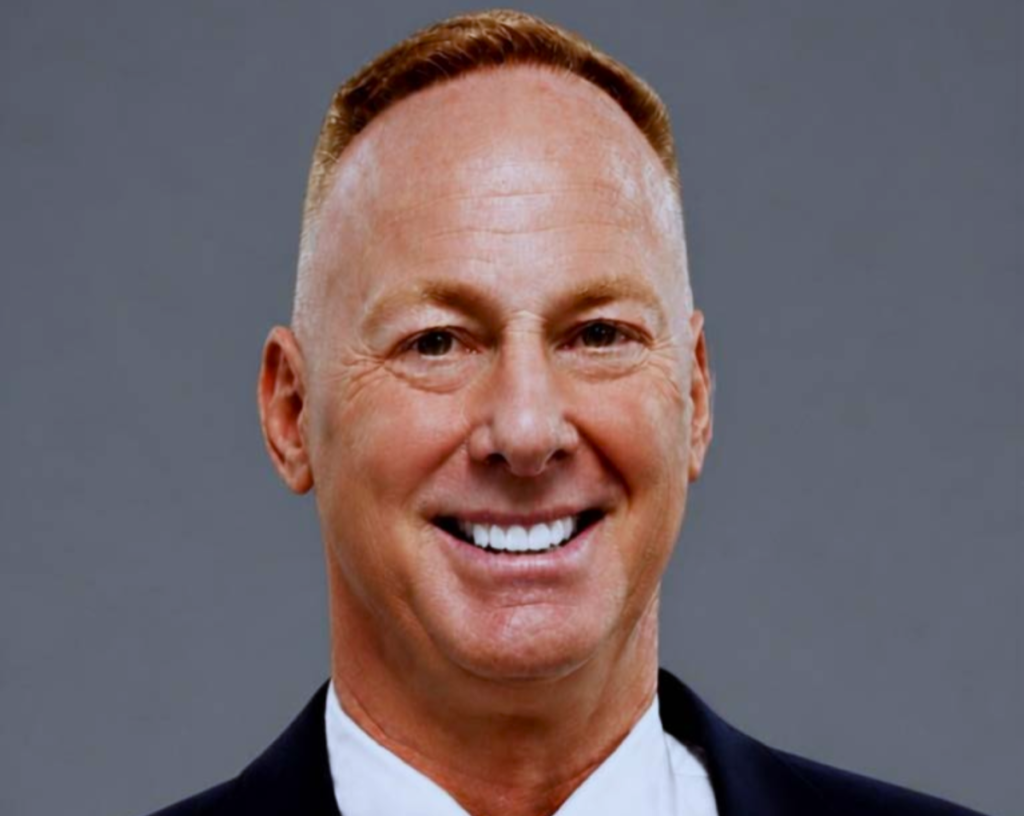
David Cadd, Republican, lives on Lady’s Island and has been a Beaufort County resident for more than 20 years. Cadd is the incumbent Beaufort County auditor and previously served six years as deputy auditor. He has worked for Beaufort County for 11 years and served 30 years in the Marine Corps. Cadd earned a Master of Business Administration and a Bachelor of Science in business management and human resource management from Park University.

Carletha M. Frazier, Democrat, 46, is a lifelong Beaufort County resident who lives in Bluffton. She is a program manager for Coastal Community Development Corporation, a licensed real estate broker in South Carolina and Georgia, and founder and board chair of Rise with Living Hope. Frazier has more than 20 years of experience in real estate, along with experience in property management, housing and community development, business ownership and nonprofit leadership. She has served in several appointed Town of Bluffton positions, including the Planning Commission, Board of Zoning Appeals and Historic Preservation Commission, where she currently serves as vice chair.
Beaufort County auditor candidate Q&A
The Island News asked the two candidates for Beaufort County auditor the same 10 questions ahead of the Nov. 3 general election. The questionnaire covered tax-roll accuracy, coordination among county offices, property-tax exemptions, taxpayer access, technology, transparency and the effect of state tax exemptions on the local tax base.
The candidates’ complete responses appear below. Responses have been edited only for spelling, punctuation, grammar and AP style where necessary. The substance and intent of each candidate’s answers have been preserved.
1. What do you believe are the most significant challenges currently facing the Beaufort County Auditor’s Office, and what would you do to address them?
Cadd: The continued challenge for the office is to keep improving the software to keep pace with the evolving dynamics of state and local tax laws. As auditor, I have designed and set up a new website for the office so that citizens can have constant contact with the office and find updated documentation needed when filing taxes. I implemented a new ticket-based customer service system to ensure that all communications with the office are promptly answered and documented. I supported the implementation of an updated tax software system for the county. This new software will provide greater transparency by eliminating the need to perform tax calculations and work in other programs.
Frazier: I believe the greatest challenges are maintaining accuracy as information moves through several county and state systems, making the property-tax process easier for taxpayers to understand, and ensuring residents throughout Beaufort County can access help when they need it.
I would not come into the office assuming that every existing process is broken. My first step would be to understand the current workflow, internal controls and responsibilities of the staff. From there, I would look for opportunities to strengthen verification, identify problems before bills are issued and improve communication with taxpayers.
Beaufort County has already expanded online services, including online Homestead applications, personal-property appeals and a tax calculator. I would build on what is working while continuing to focus on accuracy, accountability, accessibility and taxpayer education.
2. Property taxes involve several different county offices, and residents may not understand whether they need to contact the Auditor, Assessor or Treasurer when they have a problem with a tax bill. What would you do to make the Auditor’s role easier for taxpayers to understand and improve coordination among the offices involved in the property tax process?
Cadd: The county auditor, assessor and treasurer all have websites. Each of these websites describes what all the offices’ responsibilities are and includes links to other offices in case a taxpayer is not sure which office to contact. We place advertisements and notifications on all allowed social media platforms with information for the taxpayers. I would suggest that taxpayers follow these offices on social media to stay informed about what is happening in their county.
The tax process is outlined on the auditor’s website, with a diagram and links to more in-depth information. We inform people that an assessor assesses real property, houses and land, and the auditor assesses all personal property and issues tax bills using information from all state, local and county offices. The treasurer accepts payments for all county bills.
Frazier: One of my priorities would be making sure taxpayers understand which office handles what. The Assessor handles real-property valuation and the 4% Legal Residence assessment; the Auditor creates the tax bill, handles personal-property valuation and Homestead applications; and the Treasurer handles payment and collection.
But taxpayers should not have to become experts in county government just to get an issue resolved. If someone contacts the wrong office, the response should not simply be, “That is not our department.” They should receive clear guidance and, whenever possible, a direct connection to the correct office.
I would support consistent taxpayer information across the Auditor, Assessor and Treasurer offices, clear educational materials and stronger communication between departments so residents receive the same accurate information regardless of which door they enter first.
3. The Auditor’s Office is responsible for calculating property taxes and maintaining the county’s tax roll, while other offices determine real-property values and collect the taxes. What procedures and safeguards should be in place to ensure the tax roll is accurate before bills are issued, and how should errors be handled when they are discovered?
Cadd: When information is received from other entities, we convert it into different file formats so staff can verify that it can be imported into the taxing system. Once entered, the system generates error reports, and Auditor’s Office staff generate reports to verify information, including millages, tax amounts, fees, billing addresses and much more. We review all reports, including error reports, to compare them with the information provided and correct any errors.
The information is then moved to the next phase, where it is used to generate tax reports and issue tax bills. That is what is done with monthly billing and yearly billing tax bills.
Recently, we looked for the best up-to-date tax software that the three offices, Auditor, Assessor and Treasurer, can use to help improve our processes and replace the outdated software we currently use. We are currently in the middle of the implementation phases for this new software. The Assessor, Auditor and Treasurer’s Office employees have vast knowledge and can help with almost any question.
Additionally, information on reporting inaccuracies and appealing assessments is located on the back of the county tax bills.
Frazier: Accuracy should be a priority before tax bills are issued. I would first review the procedures and safeguards already in place within the Auditor’s Office and understand how information moves between the Auditor, Assessor, Treasurer and other agencies involved in the process.
From there, I would look for opportunities to strengthen verification, review unusual changes or discrepancies, and make sure there are clear checks in place before the tax roll is finalized.
When an error is discovered, it should be corrected as quickly as possible, the taxpayer should receive clear information about what happened and what is being done to resolve it, and the office should determine whether the issue affects other accounts. If an error points to a larger problem, the goal should be to identify the cause and put safeguards in place to help prevent it from happening again.
4. The Auditor’s Office determines values for personal property such as vehicles and boats and processes the Homestead Exemption for qualifying residents. What improvements, if any, would you make to how residents apply for exemptions, challenge personal-property assessments or resolve errors involving those accounts?
Cadd: With our new website, we have made it simple for all residents to file for an appeal or exemption on any personal property account online. Furthermore, with our new website, we added the ability for residents to file for the Homestead Exemption online. This helps residents from having to leave work or take time out of their day to come to the office.
If residents choose to come into the office, we have a fully staffed team ready to help customers quickly and efficiently. With all the new software we have received and will receive, the ability for taxpayers to report any errors that they believe have been made is easier than ever.
We continually listen to our taxpayers with surveys to adjust and update any action we are performing. Currently, we are operating with a 96% approval rate and will continue to improve to meet the current and future demands for the office.
Frazier: I would first evaluate the current process and speak with staff and taxpayers before determining what needs to change. The office already provides online options for Homestead applications and personal-property appeals, so I would want to understand where residents are still experiencing confusion or difficulty.
My focus would be on making the process as clear and accessible as possible. Residents should understand what documentation is required, what steps they need to take, important deadlines, and what happens after they submit an application or appeal. I would also look at whether residents can easily follow the status of their request and know who to contact when they need assistance.
When an error is identified, residents should receive a clear explanation of what happened, what is needed to correct it, and what options are available to them if they still have questions or concerns.
5. Beaufort County has a large population of retirees, including residents who may qualify for the Homestead Exemption because of age, disability or blindness. What should the Auditor’s Office do to ensure eligible residents know about exemptions for which they may qualify and can reasonably access them?
Cadd: The Auditor’s Office sends notifications via social media, consistently informing residents how to visit our website for updates on all processes handled within the Auditor’s Office.
We are currently informing residents on social media that the new Homestead Exemption increase to $75,000 will not require them to submit any additional documentation, and the automatic increase will be reflected on their tax bills. I also have pamphlets and business cards available in the offices that provide an overview of our services.
Frazier: I believe outreach has to be intentional. We cannot assume residents know what exemptions may be available to them simply because the information is posted online. The Auditor’s Office should continue making information available electronically, while also taking that information directly into the community.
I would support outreach through senior communities, libraries, civic organizations and community events, along with clear information through traditional mail, social media and the county website. The goal should be to explain the Homestead Exemption in plain language, help residents understand whether they may qualify, and make it clear where they can go for assistance.
The office should continue offering online options while also making sure residents who are not comfortable with technology can still speak with someone, receive assistance and complete the process without unnecessary barriers.
6. The Auditor’s Office has expanded online taxpayer tools and provides forms, a tax calculator, exemption information and other services electronically. What additional services should residents be able to complete online, and how would you ensure residents who are uncomfortable with or lack access to technology can still receive the same level of service?
Cadd: Because no one knows exactly what the future will bring, we consistently run scenarios to ensure all residents can still access the services they need without hesitation. For instance, if the county loses power for an extended period, our new software is cloud-based and off-site, allowing us to continue operations.
For citizens who are not comfortable with technology, we have a great, updated phone system they can use to reach us for help with any service they may need, and our offices are open if they need to come in person. We allow family members or caregivers to come in on behalf of the taxpayer, using their own credentials and the taxpayer’s, to help our older or incapacitated residents.
Frazier: I would first evaluate the online services already available and look at where residents are still having to call or visit the office to complete routine tasks. The Auditor’s Office currently provides online forms, a tax calculator, property search tools and a Help Center, so I would want to build on what is already working rather than create something simply for the sake of adding technology.
I would look at options such as allowing residents to securely upload documents, track the status of applications or requests, schedule appointments and receive updates when additional information is needed.
At the same time, technology should never become a barrier to service. Residents who are not comfortable online or who do not have reliable access to technology should still be able to call, mail documents or receive in-person assistance. The goal should be to give residents more ways to access the office without taking away the traditional ways they already rely on.
7. The Auditor currently maintains offices in Beaufort and Bluffton, while the Hilton Head location is closed indefinitely. How would you evaluate whether taxpayers throughout a geographically large county have adequate access to Auditor’s Office services, and do you believe additional in-person or satellite services are needed?
Cadd: I do believe that as the county grows, the need for more offices will increase. As an elected official, I am bound by the office space provided to us by county leadership. I have an employee working out of my satellite office in Bluffton because there is no space available for additional Auditor employees.
Additionally, under current council policy, we cannot have employees work strictly from home. The Hilton Head Auditor’s Office was in poor repair. When I first arrived and reviewed the working conditions, I reported to the county that the Hilton Head office was inadequate and they needed to update that office before I would move anyone into it. I was told that another entity was inquiring and was going to use that office space for an unspecified amount of time and was not provided with any update on funds for an office upgrade.
I would be open to having someone over there a couple of times a week, with an adequate workspace, and to increasing the days if the volume supports it. The lack of offices in Hilton Head was the main reason behind a new, updated and easy-to-use website that allows all actions and documentation to be completed online for the residents.
Frazier: I would first look at how residents are currently accessing the office, including call and walk-in volume, wait times, where requests for assistance are coming from, and whether residents in certain parts of the county are consistently experiencing difficulty getting the help they need.
I would also listen to both staff and taxpayers before deciding whether an additional permanent location is necessary. There may be other options worth considering, such as scheduled satellite office hours, community service days or rotating in-person assistance in areas where there is a demonstrated need.
If the information shows that residents in certain areas do not have reasonable access to services, then additional in-person options should be considered. The goal should be to make sure taxpayers can receive the same level of service regardless of where they live in Beaufort County.
8. Mistakes involving tax records can result in incorrect bills and, in some cases, require refunds or corrections involving several county departments. What should the Auditor’s Office do to identify systemic errors before they affect large numbers of taxpayers, and what level of transparency should residents expect when a significant error occurs?
Cadd: If residents find errors, they should report them immediately to the appropriate county office. I am not aware of any departments having systemic errors. The collection rate for tax bills is very high in Beaufort County. To me, this indicates that tax bills are going out correctly based on the information we have on record at the time of processing the bills.
There is a large number of adjustments to tax bills throughout the year. The adjustments are usually related to updated information provided by taxpayers or other entities. For instance, legal residence was not approved before the bills were created, or residents received a higher-value tax bill because information was not reported to the proper entity before the values were sent to our office.
When I talk to taxpayers, I always tell them that if their tax bills look wrong, they should challenge or appeal the bill.
Frazier: I would first want to understand what review processes and safeguards are already in place and how information moves between the departments involved. From there, I would look for patterns in corrections, complaints or unusual changes that could point to a larger issue before it affects more taxpayers.
If a significant error does occur, residents deserve clear and timely communication. They should understand what happened, who may be affected, what is being done to correct it and whether they need to take any action. Once the immediate issue is resolved, the office should also review what caused the problem and determine what changes are needed to reduce the chance of it happening again.
9. South Carolina law has allowed some apartment developments to qualify for full property-tax exemption through an affordable-housing provision even when a nonprofit entity represents only a very small percentage of the property’s ownership structure. In Beaufort County, The Preserve at Port Royal received an exemption that removed more than $1 million annually from the local tax rolls, according to local government estimates. Although these exemptions are approved by the South Carolina Department of Revenue rather than the County Auditor, what role should the Auditor’s Office play in identifying their effect on the county tax base, informing local governments and taxpayers and advocating for changes in state law when an exemption creates unintended consequences?
Cadd: The state law that allowed this to happen was addressed by council members to our county delegation. That is why the moratorium has been put into effect until June 2027.
To prevent this from happening, I suggest municipalities request quarterly updates of their tax base to help identify possible upcoming shortages that may affect their revenues for their budget. Also, be very specific with the request so when building a budget or completing an audit, you have a solid, complete picture of your tax base.
For example, request all assessed values for personal and real property, ask for paid and unpaid accounts, ask for a list of exemptions on real and personal property so those revenues aren’t counted, and anything else that they think will affect their budget.
Frazier: I do believe there should be a conversation when an exemption has a significant impact on the local tax base. Because these exemptions are approved by the South Carolina Department of Revenue, the Auditor’s role is not to approve or deny them. The Department of Revenue determines eligibility and reports approved exemptions to county officials.
However, the Auditor’s Office should make sure significant changes to the tax roll are identified and clearly communicated to the county, municipalities and other affected taxing entities. Taxpayers should also be able to understand how those changes affect the local tax base.
When an exemption appears to create an unintended consequence, I believe the Auditor should bring the facts and financial impact to the table and be part of the conversation with local leaders, the Department of Revenue and our state legislative delegation. The Auditor may not have the authority to change state law, but the office can provide accurate information that helps those who do have that authority determine whether a change or clarification is needed.
10. What distinguishes you from the other candidate seeking this office and why should Beaufort County voters choose you to serve as County Auditor?
Cadd: Knowledge is the key to a successful elected official’s office in Beaufort County or any county. As seen in the past, if you put someone in charge of an elected official’s office who has no idea of the office’s role and responsibilities, that will create issues immediately.
Understanding the tax code and tax laws is very important, and some General Assembly members are pushing to change state laws that require certain educational degrees and a set period of experience in county offices for those running for the elected offices of auditor and treasurer to ensure past mistakes are not repeated.
With my experience and knowledge, I want to continue with the upgrades I have made and follow through on those that are not yet complete. I have reduced the Auditor’s budget, locked in contracts to reduce future costs, and refused a cost-of-living allowance and back pay just for myself to help reduce the office’s tax burden.
I will continue implementing digital upgrades to make the office user-friendly for the public and maintain the high customer experience that has earned our office an over 96% success rate.
I am asking Beaufort residents to continue to trust me to keep moving the office forward with my proven leadership.
Frazier: What distinguishes me is the path I have taken to public service. I bring more than 20 years of experience in real estate, along with experience in property management, housing and community development, nonprofit leadership, business ownership and appointed local government service.
I have not worked inside the Auditor’s Office, and I do not pretend to know everything about its internal operations. I would come into the office prepared to learn, listen to the staff who do the work every day, understand what is already working and identify where improvements may be needed.
Throughout my career, much of my work has centered on helping people understand complicated processes and making sure they have access to the information and resources they need. I would bring that same approach to the Auditor’s Office with a focus on accuracy, accountability, accessibility, taxpayer education and service.
Delayna Earley, who joined The Island News in 2022, formerly worked as a photojournalist for The Island Packet/The Beaufort Gazette, as well as newspapers in Indiana and Virginia. She can be reached at delayna.theislandnews@gmail.com.