
Special to The Island News
For lots of people beginning a weight loss or weight management journey, the time element of healthy eating raises a concern: how much time will it take to prepare my food? How will it impact my schedule?
Preparing meals built around whole, nutrient-dense foods can feel intimidating at first, but with a little bit of planning and by adopting a few practical habits, it’s possible to eat well without letting healthy food prep take over your life.
Here are several simple strategies that can make eating better more manageable and sustainable.
Pick one day for food prep and planning
If you love fresh vegetables but aren’t a fan of the chopping and washing that accompanies them, consider setting aside one day each week for food preparation. A dedicated “prep day” can save time during busy weekdays and make healthy choices much easier.
If you want to incorporate more vegetables but don’t have the time to prepare them, choose frozen or reduced sodium/sodium-free canned vegetables.
Some people prefer to cook full meals and portion them for the week, while others prefer to prepare individual ingredients so that they’re ready to be used in a pinch.
Some tips for prep day include:
- Wash produce efficiently: fill your sink with cool water and a splash of apple cider vinegar to rinse fruits and vegetables. This can help reduce pesticide residue and remove microbes.
- Chop in batches: slice, dice, grate and chop vegetables to get them ready. Depending on your menu, a food processor can make this step even faster.
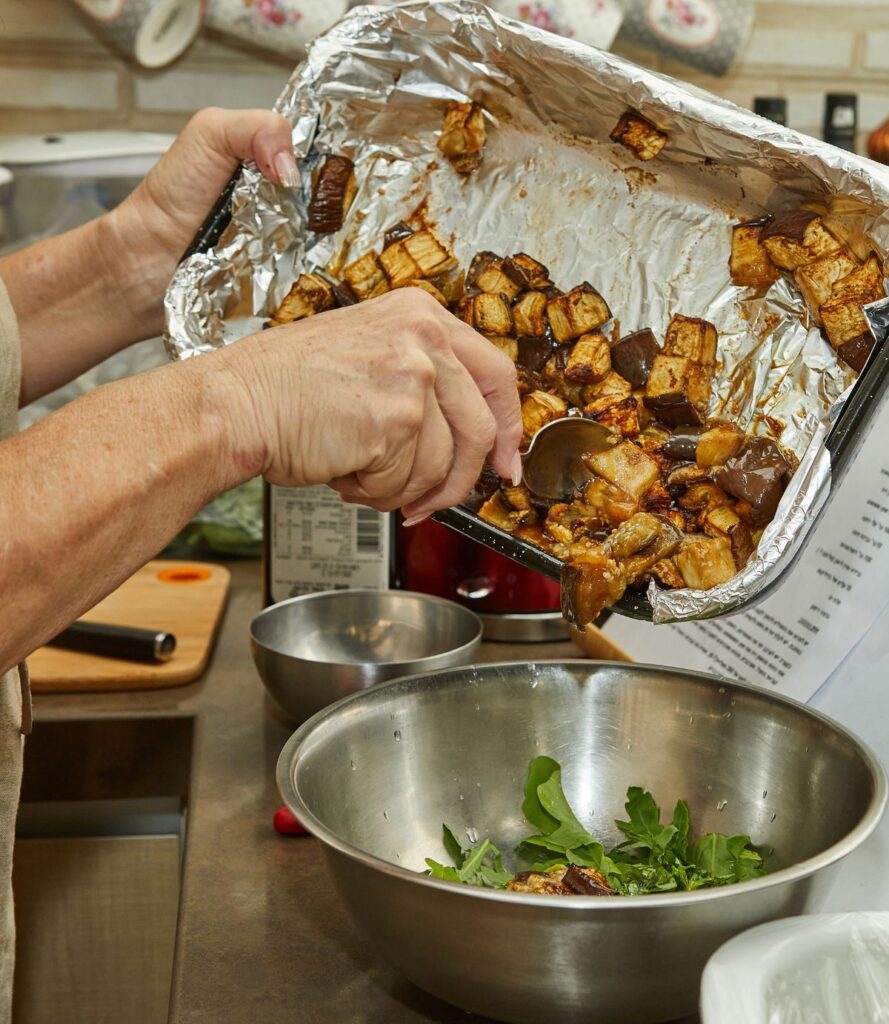
- Cook in bulk: roast vegetables, bake proteins or prepare grains in larger quantities so they’re ready when you need them.
- Store smartly: keep prepared foods in sealed containers or bags in the refrigerator. If meals are already portioned, store them in grab-and-go containers.
- Refresh leftover vegetables: if your veggies begin to wilt after a couple days, place a damp paper towel in their container to help restore moisture.
Consider using a calendar and writing down your protein, vegetables and starch for each day on the menu. Meal planning does not have to include complicated, time-consuming recipes; it can be as simple as writing “Chicken, Broccoli and Potato Monday,” “Taco Tuesday (beef),” etc. Be sure to build in a day or two of leftovers and/or healthy takeout weekly.
“Meal prep doesn’t mean that you need to have seven identical meals throughout the week,” said Roxanne Davis, MPH, RD, LD, CNSC, clinical nutrition manager at Beaufort Memorial. “Sometimes, it’s just working in advance so you can quickly assemble balanced meals during the week.”
Keep healthy snacks within reach
When hunger strikes unexpectedly, having healthy snacks nearby can keep you from making impulse trips to the vending machine or drive-through window.
Keep jars or containers of nuts, seeds or dried fruits to quickly create your own trail mix to combat hunger, or stock pre-portioned snacks that can easily be stored in a desk drawer, purse or car.
Nutritious snacks include:
- Nuts like almonds, cashews or walnuts
- Seeds like chia, hemp, sunflower or pumpkin
- Superfoods like cacao nibs or goji berries
- Fruit like apples, oranges or raisins
- Protein bars
“Having an array of healthy snacks available can make a huge difference in energy levels and appetite control throughout the day,” Davis said.
Cook once, eat twice (or more)
Another time-saving approach is just cooking extra of whatever meal you make to ensure you have leftovers to store in the freezer.
When preparing dinner, portion out additional servings and store them in labeled, freezer-safe containers. Over time, your freezer will build a rotation of ready-to-heat meals that are both healthy and convenient. Fresh toppings like greens, nuts or seeds can be added after reheating.
Explore Fresh Food Delivery
Fresh food delivery services can reduce grocery trips and help maintain a steady supply of nutritious ingredients.
Options for you may include:
- Grocery delivery: some stores offer personal shopping and delivery services
- Prepared meal delivery: companies that provide pre-portioned meals tailored to your specific dietary needs.
Checking in with local stores or farmers markets can be a great way to find services like this in the Beaufort area.
Let your slow cooker do the heavy lifting
Slow cookers can be one of the easiest tools for preparing healthy meals.
You can start a meal before bedtime and wake up to food that is ready for lunch. Another option is to assemble all your ingredients the night before and start the slow cooker before you leave for work. Many recipes cook perfectly within six to 10 hours, making slow cookers the way to go for soups, stews, grains and legumes.
Models with timers can automatically switch to a “warm” setting when cooking is finished.
Pack your lunch
If meals are already prepared, packing lunch for work becomes quick and easy. Bringing your own meal helps you stay on track nutritionally and reduces any reliance on fast food or vending machine choices.
“Bringing lunch from home gives you more control over ingredients and portion sizes,” Davis added. “It’s often healthier, more affordable and it removes the stress of figuring out what to eat when your workday ramps up.”
Healthy eating doesn’t have to require hours in the kitchen every day. With a little planning, a few shortcuts and some advanced preparation, healthy meals can fit comfortably into any busy schedule out there.