
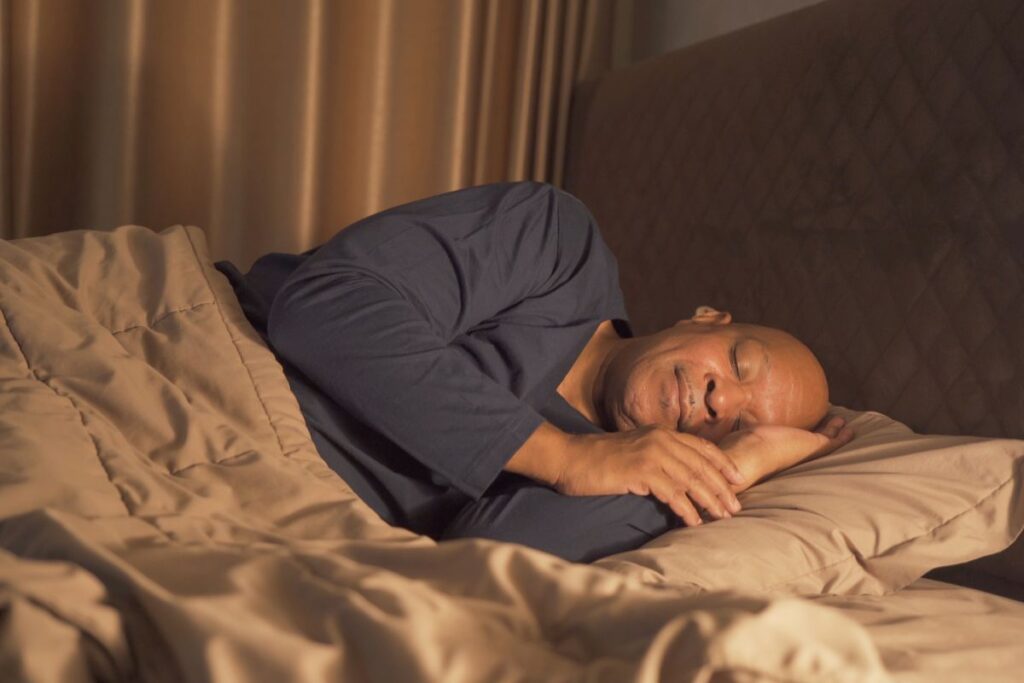
Special to The Island News
For many, sleep doesn’t always come easily, and the phrase “goodnight!” is easier said than done.
“Over time, sleep struggles can lead to a host of health concerns, such as memory problems, difficulty focusing, poor psychomotor skills, anxiety and fertility issues,” cautioned Jenna Gossett, MSN, FNP-C, a board-certified nurse practitioner who sees patients and Beaufort Memorial Lady’s Island Internal Medicine.
Instead of just lying in bed and hoping for a good night’s rest, try implementing these tips to help secure the quality sleep your body needs.
1. Put in the hours.
Most adults need at least seven hours of shut-eye each night to get enough of the restorative, deep sleep that helps the body repair itself and recharge energy levels.
2. Turn out the lights.
A dark room will promote sleepiness, so keep your bedroom as dark as possible. Even the glow of an alarm clock can be disruptive.
3. Ditch the distractions.
Sharing your bed with children and pets might sound like a slumber party, but their presence in the bedroom can keep you from entering a deep sleep — or easily rouse you awake — if they talk in their sleep, steal the covers or toss and turn all night.
4. Block out the noise.
Try to keep your bedroom as quiet as possible. Some people fall asleep more easily by listening to white noise because it is soothing and drowns out other noises. Consider using a white noise machine with no extra lights or turning on a fan to soothe you to sleep.
5. Get comfy.
You won’t sleep well if your pajamas or sheets are making you hot or itchy. Wear soft fabrics that feel good on your skin and adjust the room temperature to a cool 60 to 67 degrees Fahrenheit for optimal sleep.
6. Be mindful.
Meditation can evoke the body’s relaxation response, which can cause you to drift into sleep.
“If you follow these tips and still don’t sleep well or feel rested, talk to your primary care provider,” Gossett advised. “You might need treatment for a medical condition that’s interfering with sleep, such as insomnia or sleep apnea.”