Special to The Island News
Women often manage their family’s healthcare needs, and, in the process, they may neglect their own. Prioritizing your health is essential – especially because regular screenings can detect problems early, when treatment is most effective.
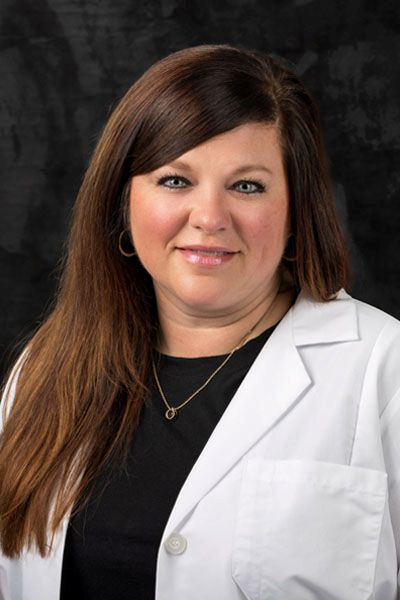
“Regular screenings can identify many types of cancer in early, more treatable stages,” said Dr. Tiffany Bersani, a board-certified OBGYN at Beaufort Memorial Obstetrics & Gynecology Specialists. “They can also reveal signs of serious conditions like heart disease and diabetes.”
Screenings you need in your 20s and 30s
It’s common for young women to skip annual wellness visits. But regular screenings can help prevent minor health issues from developing into major problems.
According to the U.S. Preventive Services Task Force and other leading organizations, the screenings you need during these decades include:
- Anxiety and depression screening. Your provider will ask questions about your mental health during your annual exam.
- Blood pressure screening. You should get your blood pressure checked every three to five years.
- Cervical cancer screening. Starting at age 21 and until age 29, women should have a Pap test every three years. Between 30 and 65, women should have Pap and HPV testing every five years or a Pap-only test every three years.
- Cholesterol screening. Starting at age 20, women at high risk of heart disease need this simple blood test every five years.
- Diabetes screening. Starting at age 35 (or earlier for women at high risk), you need a simple blood test to check for diabetes every three years.
- Sexually transmitted infections and HIV screening. If you are sexually active and have had more than one partner in your life, you need chlamydia and gonorrhea screenings, as well as at least one HIV test.
Women at increased risk of breast cancer or colorectal cancer may need to start screenings in their 30s. Your Beaufort Memorial provider can help you assess your risk and determine when to start screening.
Screenings you need in your 40s and 50s
As we get older, our bodies change and are more susceptible to certain health conditions. This is why it becomes even more important to keep up with regular health screenings and checkups. Your provider can reference your personal health history to help detect small changes in your health.
The following screenings are recommended throughout your 40s and 50s:
- Blood pressure screening. Women 40 and older should be checked for high blood pressure at least once a year.
- Breast cancer screening. Beginning at age 40, women need annual mammograms to screen for breast cancer.
- Cervical cancer screening. Regular HPV or Pap screening tests should continue every three to five years.
- Cholesterol screening. All women should start screening for high cholesterol by age 45 and continue regular screening at least every five years if results are normal.
- Colorectal cancer screening. At age 45, you should have your first colonoscopy to screen for colorectal cancer. If it is normal, you need another one at age 55. If your test finds precancerous polyps or other areas of concern, you will need screenings more frequently.
- Diabetes screening. Continue monitoring your blood sugar at least every three years.
- Lung cancer screening. If you are a former or current heavy smoker, low-dose CT scans to check for lung cancer are recommended annually starting at age 50.
- Osteoporosis screening. Talk with your provider about whether to start bone density scans to check for osteoporosis in your 50s.
Screenings for 60 and beyond
Comprehensive women’s health care is crucial as you enter your 60s. All women need a bone density scan for osteoporosis at age 65. You should also continue with regular screenings for diabetes and heart disease as long as you are in good health and according to your own personal risk factors.
Your provider may recommend stopping certain cancer screenings later in life. As we age, our overall health and risk factors may change, and some screenings may no longer be necessary or appropriate. It is important to discuss your individual health needs and risk factors with your health care provider to determine the appropriate age to stop cancer screenings.
“We are here to help you navigate cancer screenings, stay up to date on vaccinations, look for signs of heart disease and prediabetes, and provide other preventive care services,” Dr. Bersani says. “We can also answer all your questions about birth control, pregnancy, menopause and everything else.”