Special to The Island News
Your body goes through a lot to bring a baby into the world. That’s especially true if you undergo a cesarean section, also known as a C-section.
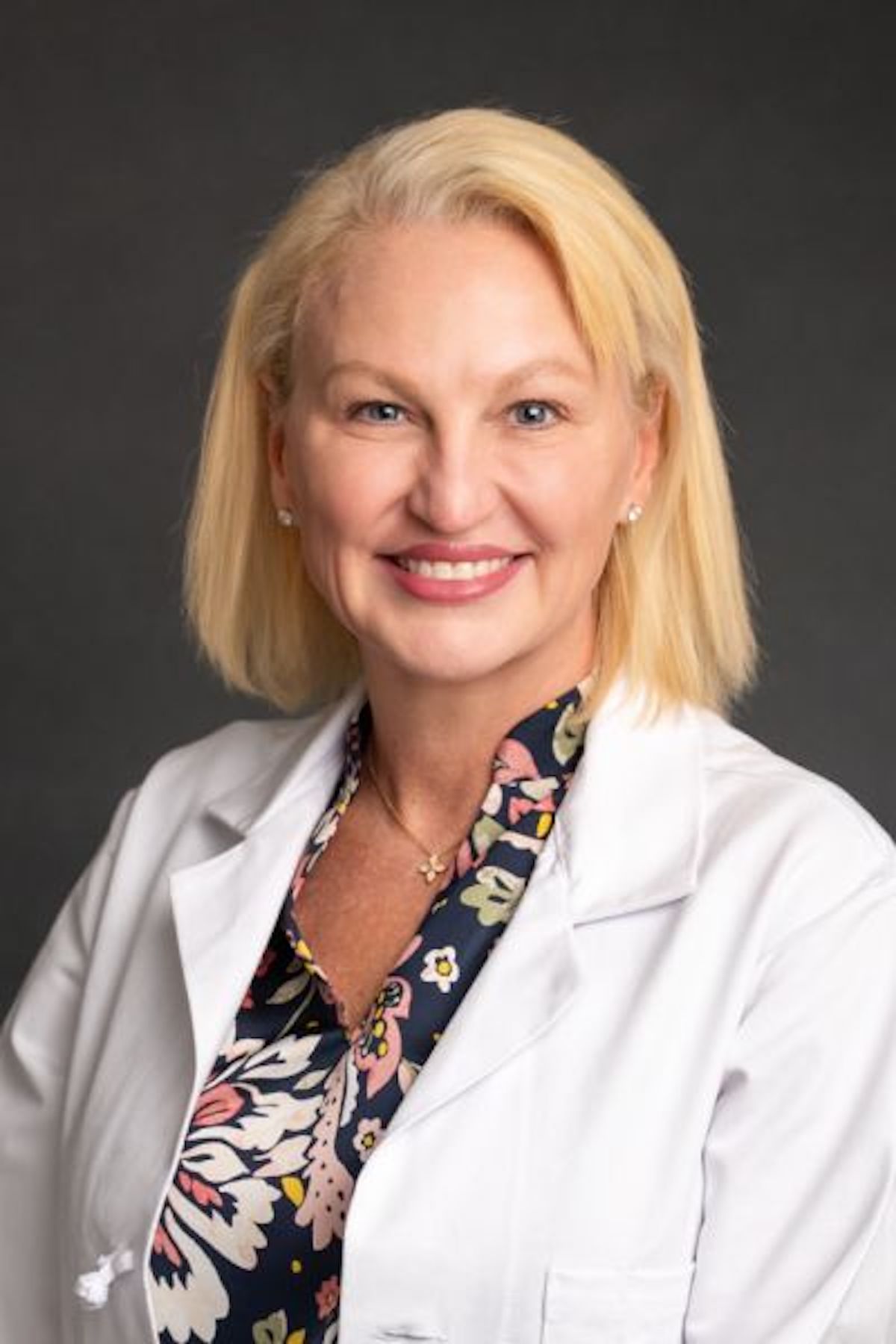
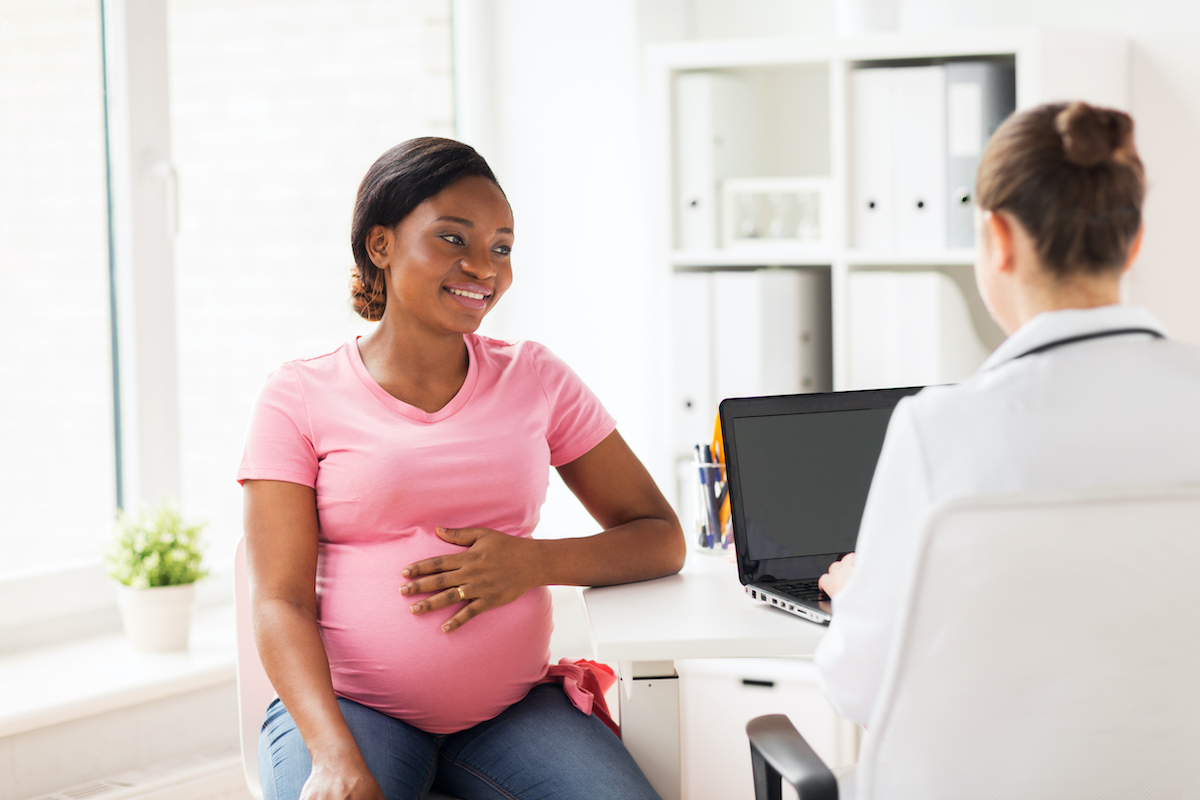
“This common procedure is often an unplanned part of the birthing experience,” says Dr. Tiffany Bersani, an OBGYN with Beaufort Memorial Obstetrics and Gynecology Specialists in Beaufort and Okatie. “Therefore, I encourage all mothers-to-be to know what to expect from a C-section and the recovery process.”
A C-section is a significant abdominal surgery. To improve the likelihood of a safe and successful procedure, follow these steps:
- Manage your health. Before heading to the hospital on your due date, work with your care team to manage anemia, obesity, diabetes, high blood pressure and other medical conditions.
- Plan on fasting. With a planned C-section, you may need to fast from eating and drinking for six or more hours before your scheduled C-section. This helps reduce the risk of breathing difficulties known as aspiration pneumonitis.
- Request medication. The likelihood of infection is higher with cesarean delivery than vaginal birth. Antibiotics lower the likelihood of infection during the recovery process. Therefore, you may benefit from antibiotics along with pain medication.
While most of your recovery takes place at home, it doesn’t start there.
“C-section recovery begins at the hospital,” Dr. Bersani says. “You stay with us a few days, so we can monitor you for complications and prepare you to continue your recovery at home.”
While in the hospital, it’s important to take control of your health journey. This includes doing the following:
- Asking questions. Talk with your OBGYN and other providers to know what to expect when you go home. Pay close attention to their answers. Have a spouse, birthing partner or other family member take notes so you can follow your care team’s recommendations.
- Getting active. Take short walks down the hall or around the unit. Just check with your maternity providers first to make sure it’s safe to get up and about.
- Speaking up. Tell your maternity team about any discomfort you experience. From surgical scar pain to pain during urination, proper treatment can bring relief, so you don’t have to suffer in silence.
Once you leave the operating room, you’ll likely notice your body behaving differently than usual. As your body heals, you may experience heavy vaginal bleeding, pain while breastfeeding, surgical scar tenderness or hemorrhoids as a result of swollen veins in the rectum.
To help make your early parenting days special, pay attention to your body. Contact your primary care provider or OBGYN if you experience any of the following while recovering from a C-section:
- Calf pain, which may indicate a blood clot in your leg;
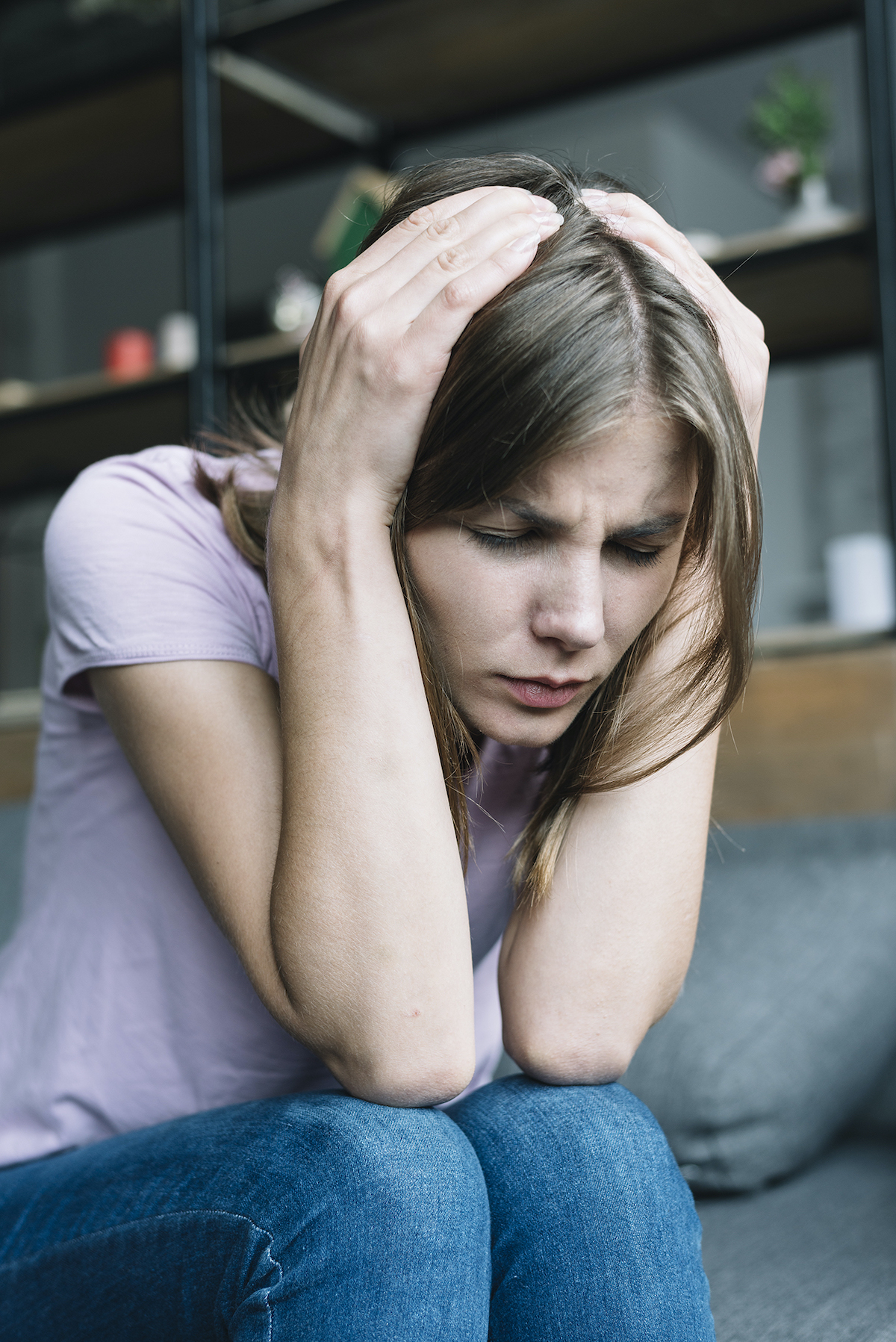
- Extreme sadness or thoughts of hurting yourself or your baby, which could be signs of postpartum depression;
- Fever higher than 100˚ F;
- Heavy vaginal bleeding lasting more than four days in a row;
- Increased abdominal pain;
- Persistent headache;
- Rapid weight gain;
- Signs of surgical site infection, such as redness or swelling;
- Swelling of the hands, legs, face or eyes;
- Vaginal discharge with a foul odor;
- Vision changes; and/or …
- Warmth, redness or tenderness in the breasts, which could be signs of infection.
Self-care and speedier healing
Full recovery from a C-section takes six weeks, according to the Office on Women’s Health. As you settle into the postpartum period, be patient. Avoid overdoing it to keep your recovery on track.
“Your recovery after a C-section may take more or less time than other new moms, and that’s perfectly fine,” Dr. Bersani says. “It’s important to care for yourself and respect your limitations to give your body time to heal.”