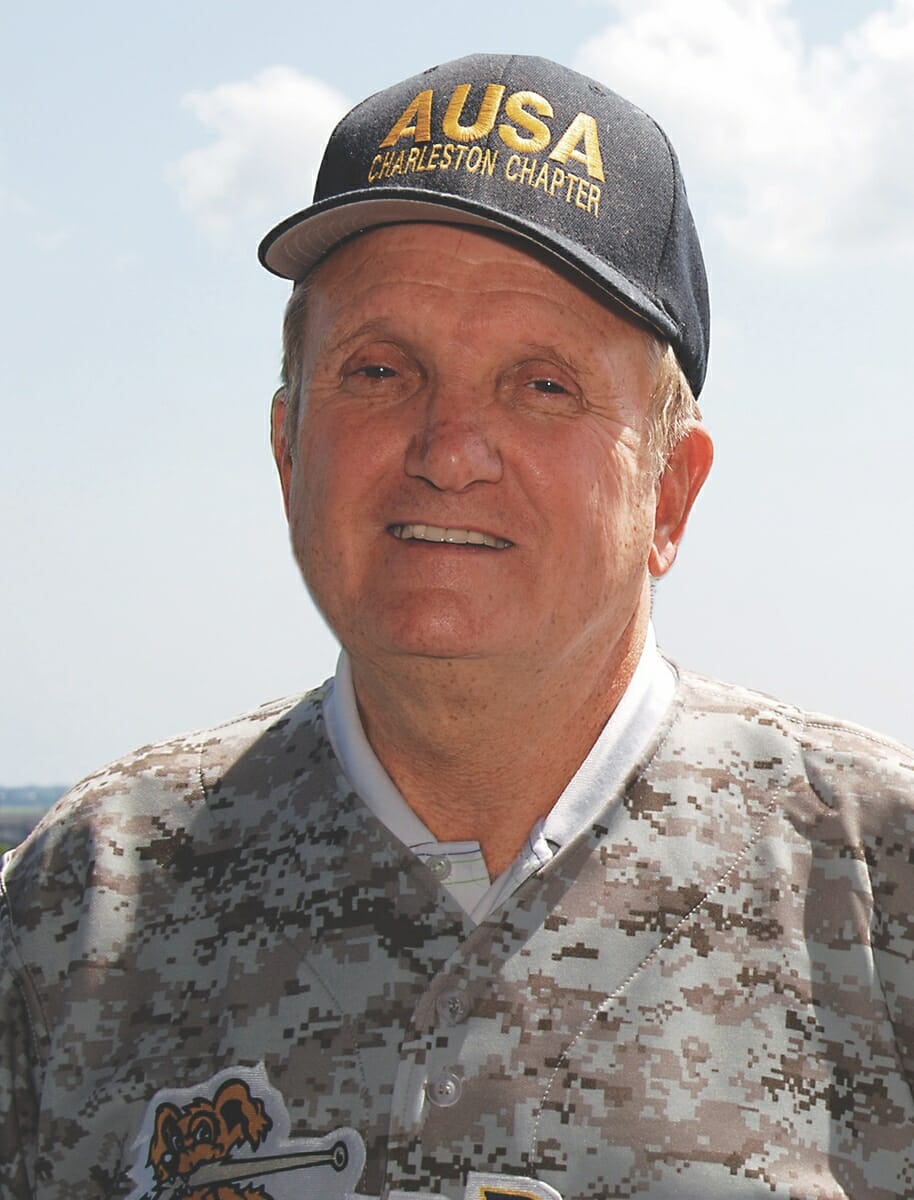
By Larry Dandridge
Editor’s note: This article is the fourth in a series of six.
The first three articles in this series of six covered general information a veteran should know when preparing to file a claim for service-connected disability compensation. You can read the first three articles in this series in The Island News archives at https://www.yourislandnews.com and click on “Military.”
Use a VA-accredited representative
Veterans should realize, after reading the first three articles in this series, that filing a claim for military service-connected disability compensation is complicated and should be done with the help of a VA-accredited Veterans Service Representative (VSO), or, in some cases, a VA-accredited Attorney or Claims Agent.
Exposure to burn pits and other specific environmental hazards
The VA’s webpage “Exposure to Burn Pits and Other Specific Environmental Hazards” at https://bit.ly/4quDIG7 states that VA disability compensation provides tax-free monthly payments. If a veteran has a health condition caused by exposure to burn pits or other specific hazards in the air, soil, or water during their service, they may be eligible for:
- Service-connected disability compensation. Compensation can exceed $4,500.00 per month, tax-free, for a service-connection rating of 100% depending on the number of eligible dependents.
- VA healthcare and other VA benefits and services.
Eligibility requirements for VA disability compensation
A veteran may be eligible for disability compensation if they meet each of the following three requirements:
- The veteran has been diagnosed with an illness or other health condition that is caused by exposure to a specific toxic hazard in the air, soil, or water, and
- The veteran served on active duty in a location that exposed the veteran to the hazard, and
- The veteran did not receive a dishonorable discharge.
Ways a veteran may have been exposed to environmental hazards
The VA has determined that many health conditions (called Presumptive conditions) are connected to burn pits and other toxins in Afghanistan, Iraq, and certain other areas. Those hazards include:
- Burn pits and other toxic exposures in Afghanistan, Iraq, and certain other areas.
- A large sulfur fire at Mishrag State Sulfur Mine near Mosul, Iraq.
- Hexavalent chromium at the Qarmat Ali water treatment plant in Basra, Iraq.
- Pollutants from a waste incinerator near the Naval Air Facility at Atsugi, Japan.
Presumptive conditions for toxic exposure
To get a VA disability rating, the veteran’s disability must connect to their military service. For many health conditions, the veteran must prove that their service caused the condition. However, for some conditions, the VA automatically assumes (or “presumes”) that the veteran’s service caused their condition. The VA calls these “presumptive conditions.”
The VA considers a condition presumptive when it is established by law or regulation. If a veteran has a presumptive condition, they do not need to prove that their service caused the condition. The veteran only needs to meet the service requirements for the presumption.
What burn pit and other toxic exposure conditions are presumptive?
The VA has added more than 20 burn pit and other toxic exposure presumptive conditions based on the PACT Act. This Act expands benefits for Gulf War era and post-9/11 Veterans. These cancers are now presumptive:
- Brain cancer
- Gastrointestinal cancer of any type
- Glioblastoma
- Genitourinary cancer
- Head cancer of any type
- Hematologic and lymphatic cancers
- Lymphoma of any type
- Melanoma
- Neck cancer of any type
- Pancreatic cancer
- Reproductive cancer of any type
- Respiratory (breathing-related) cancer of any type
Learn more about presumptive cancers related to burn pits at “Presumptive Cancers Related to Burn Pit Exposure” at https://bit.ly/3MYsco6. The VA considers these *types of cancers presumptive and related to burn pit exposure:
- Brain and brain stem cancers (including glioblastoma and other brain cancers)
- Head cancers of any type (including cancers of the scalp, face, mouth, aural areas, lips, and hard or soft palate)
- Neck cancers of any type (including cancers of the neck, pharynx, and larynx)
- Spinal cord cancers that affect the cervical spine (neck region)
* Note: This is not a complete list of brain, neck, and nervous system cancers.
The VA considers these two glioblastomas (Brain Cancers) to be presumptive: Primary glioblastoma and Secondary glioblastoma.
The VA considers these astrocytomas (Brain Cancers) to be presumptive:
- Anaplastic astrocytoma
- Brain stem glioma
- Diffuse astrocytoma
- Pilocytic astrocytoma
- Pineal astrocytic tumors
- Subependymal giant cell astrocytoma
The VA considers the following *other brain cancers presumptive:
- Ependymomas (cellular, clear cell, papillary, RELA fusion-positive, and tanycytic)
- Malignant pineal gland
- Mixed gliomas (Oligoastrocytoma)
- Oligodendrogliomas
- Pituitary carcinoma
* Note: This is not a complete list of brain, neck, and nervous system cancers.
The VA considers these ear and eye cancers to be presumptive: Ceruminous adenoma and Rhabdomyosarcoma.
The VA also considers these *eye cancers as presumptive:
- Carcinoid tumors of the orbit and ocular adnexa
- Eye and ocular adnexa cancers (ciliary body, eyelid, iris, optic disc, retina, vitreous, and orbit tumors)
- Melanomas of the eye (choroidal melanoma, conjunctival melanoma, and iris melanoma)
- Neuroendocrine tumors of the orbit
* Note: This is not a complete list of presumptive ear and eye cancers.
The VA considers these mouth, neck, and throat cancers presumptive:
- Hypopharyngeal cancer (including adenoid cystic carcinoma, lymphoma, mucoepidermoid carcinoma, and squamous cell carcinoma)
- Jaw cancer (including ameloblastic carcinoma, clear cell odontogenic carcinoma, ghost cell odontogenic carcinoma, multiple myeloma, odontogenic carcinosarcoma, odontogenic sarcoma, osteosarcoma, primary intraosseous carcinoma, and squamous cell carcinoma)
- Laryngeal cancer (including adenocarcinoma, chondrosarcoma, lymphoma, plasmacytoma, sarcoma, and squamous cell carcinoma)
- Oral cavity squamous cell carcinoma
- Oropharyngeal cancer (including lymphoepithelioma, lymphoma, minor salivary gland tumors, salivary gland cancer, squamous cell carcinoma, and tonsillar cancer)
The VA also considers these mouth, neck, and throat cancers presumptive:
- Pharyngeal cancer (including basaloid squamous cell carcinoma, keratinizing squamous cell carcinoma, and non-keratinizing squamous cell carcinoma)
- Salivary gland cancer (including acinic cell carcinoma, adenoid cystic carcinoma, adenocarcinoma not otherwise specified or “NOS,” mucoepidermoid carcinoma, polymorphous adenocarcinoma, and secretory carcinoma)
- Thyroid cancer (including anaplastic, follicular, medullary, and papillary)
- Tongue cancer (including adenoid cystic carcinoma, mucoepidermoid carcinoma, and polymorphous low-grade carcinoma)
The VA considers these skin cancers of the mouth and neck presumptive: Basal cell carcinoma of the skin, Melanoma, and Squamous cell carcinoma of the skin. This isn’t a complete list of presumptive mouth and neck cancers.
Continued next week.
Larry Dandridge is a Vietnam War wounded warrior, disabled veteran, ex-Enlisted Infantryman, ex-Warrant Officer Pilot, and retired Lt. Colonel. He is a former Veterans Service Officer, a Patient Adviser at the RHJ VA and Durham VA Medical Centers, a Fisher House Charleston Goodwill Ambassador, and the VP for Veteran Affairs for his local AUSA Chapter and VFW Post 7383. Larry is also the author of the award-winning Blades of Thunder (Book One) and a contributing freelance writer with the Island News. Contact him at LDandridge@earthlink.net or 843-276-7164.