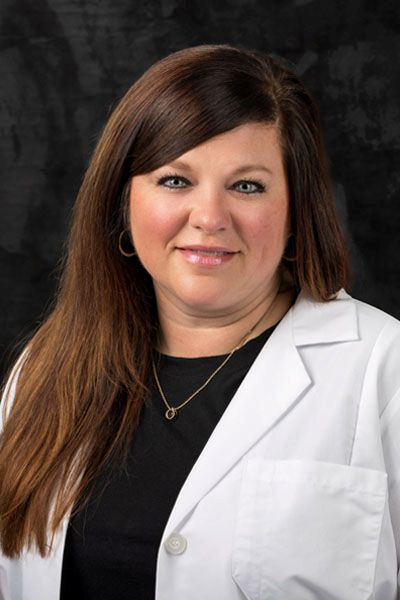

By Tara Kay, MMS, PA-C
Beaufort Memorial Heart Specialists
High blood pressure is known as a “silent killer” because it can damage your health without you ever realizing it. The good news is that you have the power to control high blood pressure, provided you identify it early enough.
Blood pressure is the force of circulating blood pushing against the walls of the arteries. High blood pressure is considered a ‘silent killer’ because, most often, it may not show any obvious symptoms. However, over time it causes significant stress on other organs, including the heart, brain and kidneys, and eventually lead to debilitating conditions such as heart failure, kidney failure and strokes.
In fact, the Centers for Disease Control and Prevention (CDC) estimates nearly half of U.S. adults have high blood pressure, and only one in four has it under control. By controlling high blood pressure, you can reduce your risk of heart disease, the leading cause of death in the U.S.
What is a ‘normal’ blood pressure?
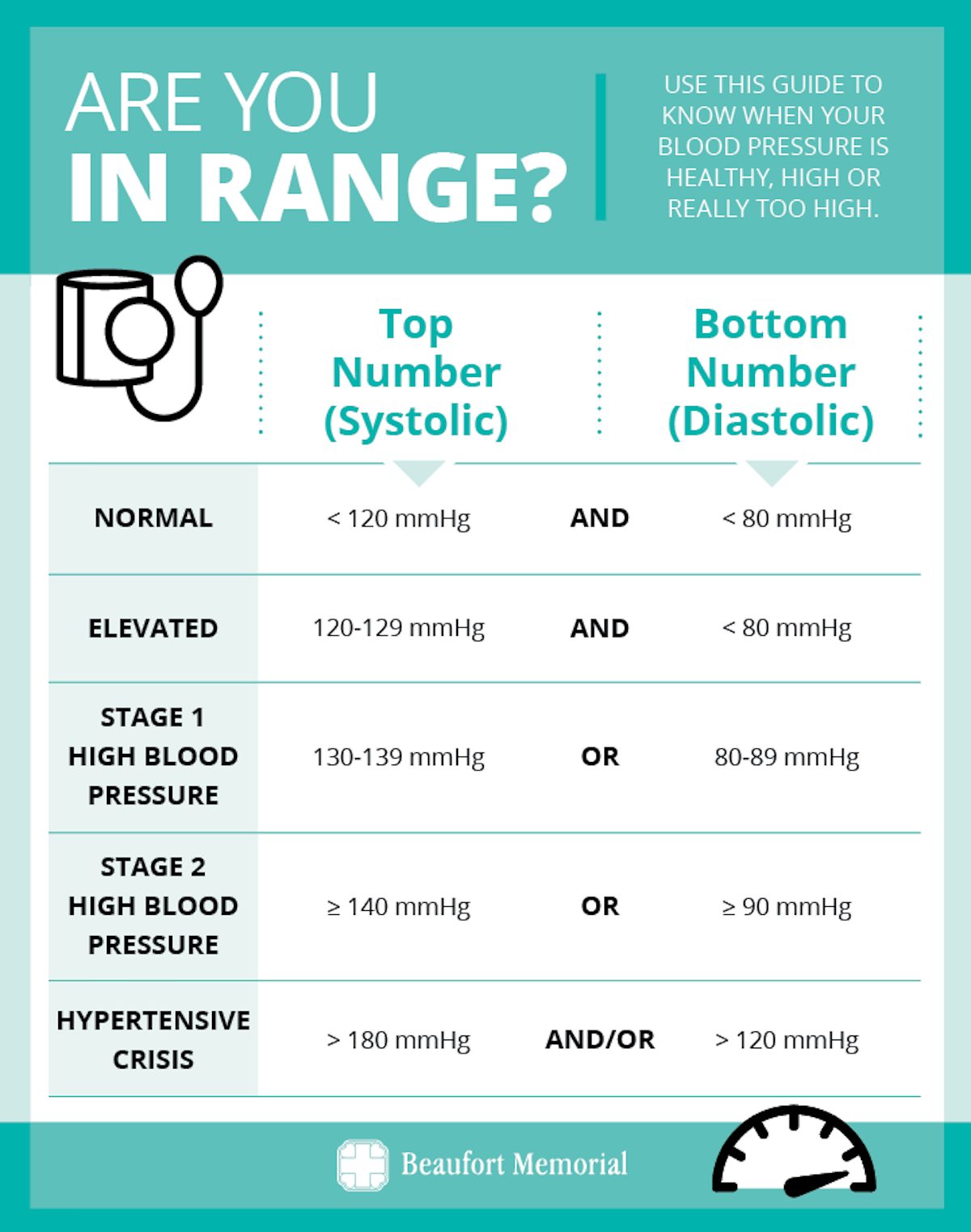
Blood pressure is measured using two numbers represented as a fraction. The top number, systolic, measures the pressure in your arteries when your heart beats.
The bottom number, diastolic, measures the pressure between heart beats.
A normal blood pressure reading is less than 120/80 mmHg.
Since high blood pressure can go so easily unnoticed, it is important to establish a relationship with a primary care provider for annual wellness visits to monitor these key vital signs. Your primary care provider is the first line of defense for detecting or managing high blood pressure before it can cause more severe and potentially life-threatening disease processes.
I always encourage all of my patients to take an active role in their health care — ask your primary care provider how to take the necessary steps to lower your risk for these preventable chronic diseases.
6 ways to control your risk of developing high blood pressure
You have a lot of control over whether you develop high blood pressure. You don’t even need medication. Start with these six tips:
- Choose healthy foods that are low in sodium and saturated fat and rich in protein, fiber and potassium.
- Maintain a healthy weight.
- Exercise for 150-plus minutes per week — that’s 30 minutes of physical activity five days a week. Exercise helps lower blood pressure, lose weight and boost your mood.
- Quit smoking.
- Get good-quality sleep. Lack of sleep on a regular basis is linked with a higher risk of high blood pressure, as well as heart disease and stroke.
- Limit alcohol consumption.
Living with undetected high blood pressure can have serious health effects. Talk with your primary care provider about the best way to lower your blood pressure and reduce your risk of heart disease.
Tara Kay, MMS, PA-C works with board-certified cardiologists at Beaufort Memorial Heart Specialists to prevent, diagnose and treat acute and chronic diseases of the cardiovascular system.