Special to The Island News
Stroke recovery — and post-stroke care — are the longest phases of the journey after you or a loved one has had a stroke. These phases are different for everyone. Many people achieve a near-total or partial recovery, while others experience permanent side effects. For everyone who lives through a stroke, survival offers the opportunity for a new beginning.
Whether you survived a stroke or are caring for a survivor, patience, support, high-quality care and commitment to the recovery plan are essential to helping you thrive.
Taking stock of stroke’s (potential) toll
A stroke happens in this country every 40 seconds, according to the National Institutes of Health, and it can happen to anyone.
In most cases, a stroke occurs when a blood clot blocks a blood vessel to the brain, halting blood flow. This is known as an ischemic stroke. Sometimes, however, a blood vessel in the brain breaks and causes bleeding in what’s known as a hemorrhagic stroke.
No matter what type of stroke occurs, swift diagnosis and treatment are important. They help determine:
- The amount of damage the brain sustains
- What deficits, if any, stroke patients are left with (which also depends on what part of the brain is affected)
- The nature of the challenge that lies ahead during stroke recovery
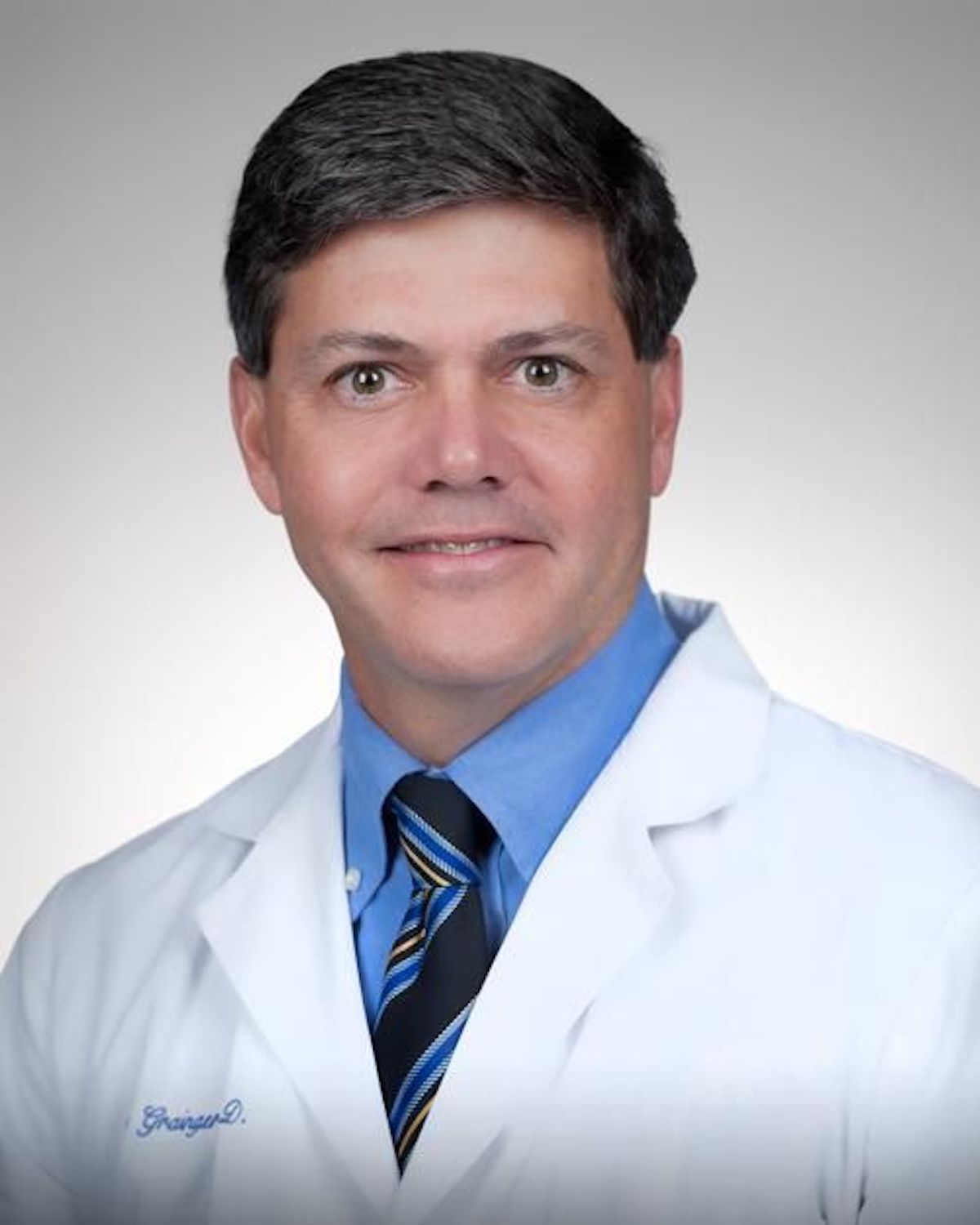
“A stroke can cause a variety of physical, mental and emotional changes,” says Matt D’Antonio, a physical therapist in the Beaufort Memorial Acute Inpatient Rehabilitation Unit. “Some patients may experience paralysis on one side of the body. Others may develop chronic pain, problems with their sense of touch, loss of bowel or bladder control, difficulty understanding language, speech or swallowing problems, difficulty with thinking and memory, and personality changes. It’s important to remember that the effects of stroke vary widely from person to person.”
What does stroke recovery look like?
Recovering from a stroke is not a one-size-fits-all endeavor. A variety of factors influence recovery, from age and the degree of brain damage a stroke causes to a person’s health and support system.
Young stroke patients tend to recover more lost function than older adults because young brains are better able to adapt to the effects of stroke. Overall, 10% of stroke patients make a nearly complete recovery, according to the AHA. Twenty-five percent have only slight impairments following recovery, and 40% are left with moderate to severe deficits.
The timeline of stroke recovery varies — each person recovers at a different pace. Some people regain lost function quickly, but for others, recovery is gradual and can take years. According to the AHA, when progress happens quickly, it’s usually within three to four months after a stroke.
Rehabilitation: the heart of stroke recovery
Stroke recovery starts in the hospital with rehabilitation to help you begin rebuilding strength and functional abilities.
Like many people who’ve had a stroke, you’ll likely attend outpatient rehab. Think of post-stroke rehab as the heart of stroke recovery.
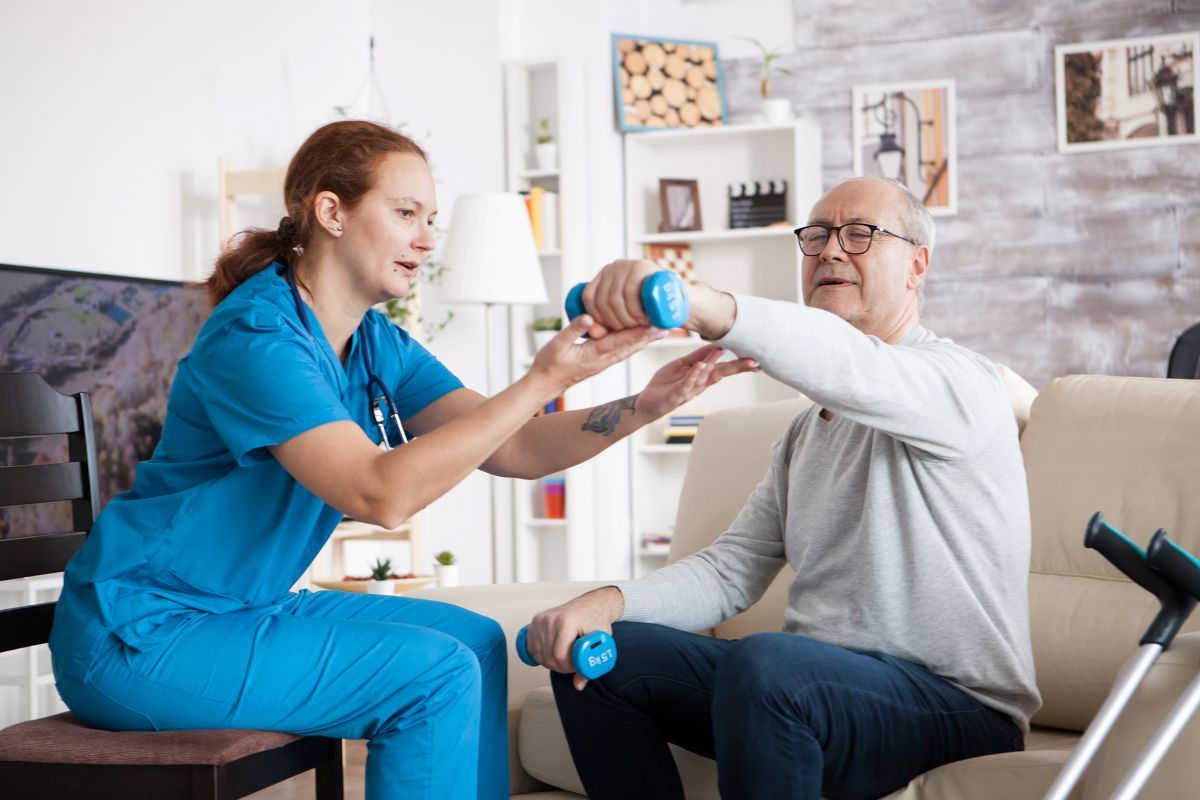
“Your therapists will tailor the rehabilitation plan to your needs and abilities,” D’Antonio says. “Physical therapy will help you strengthen your muscles and improve balance and range of motion. In occupational therapy, you’ll work on motor skills and learn to adapt to any potential deficits by practicing new ways to perform everyday tasks. If you have difficulty speaking, you may benefit from speech therapy with a speech-language pathologist.”
Prioritizing prevention
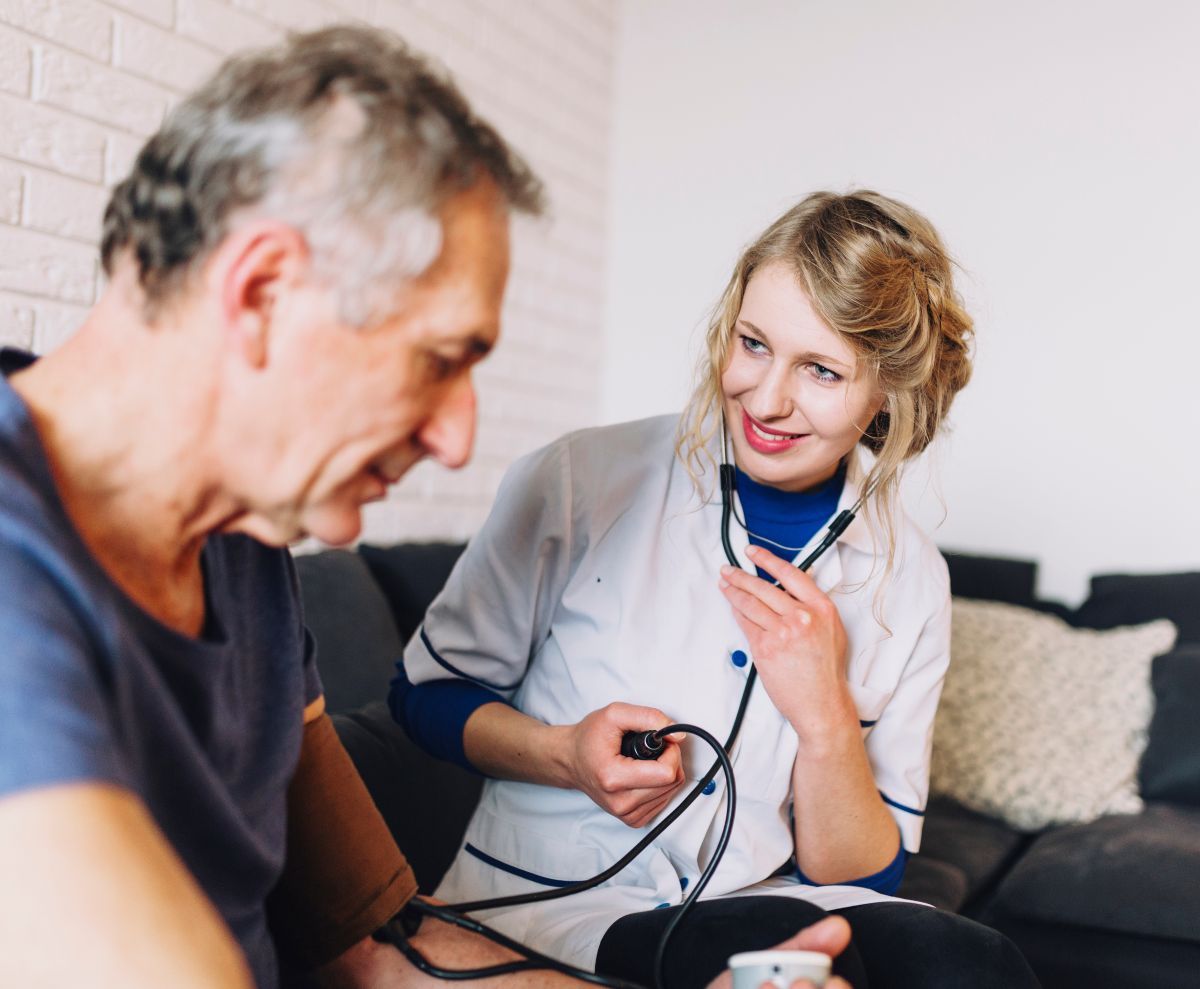
Rehab therapy is just one element of stroke recovery. Twenty-five percent of stroke survivors have another stroke within five years, according to the Centers for Disease Control and Prevention. Your primary care provider (PCP) and stroke rehab team can help you create a plan to reduce your risk.
Your plan may include healthy lifestyle changes, such as exercising, eating healthily and taking medications to manage high blood pressure and other health conditions that can increase your stroke risk.
It’s also important to take care of your mental health. Up to half of stroke survivors develop depression, which can hinder recovery. Tell your PCP if you experience persistent sadness, hopelessness or other depression symptoms. Consider joining a stroke survivors’ support group to connect with others who understand what you’re going through.
Know the classic stroke symptoms with ‘BEFAST’
Call 911 if you or a loved one experiences these stroke symptoms:
- B – Balance loss or problems with coordination, resulting in a fall or motor control issues
- E – Eye or vision issues, such as losing sight in one or both eyes
- F – Facial drooping or numbness, particularly on one side of the face
- A – Arm weakness and inability to hold both arms up for 10 seconds
- S – Speech difficulty, such as slurring or strange speech or inability to speak
- T – Time to call 911 to prevent permanent damage or even death